

Running Accessories You Actually Need and Ones You Can Skip
Running can be as simple as lacing up your shoes and heading out the door, but the world of running accessories can make it feel far more complicated (and expensive) than it needs to be. From GPS watches and hydration belts to massage guns and recovery boots, it’s hard to know which running gear you actually need and which items are just clever marketing. This guide breaks down the essential running accessories that genuinely improve comfort, performance, and safety—and the nice-to-haves or skip-for-now items that you can avoid, especially if you’re a beginner or budget-conscious runner.
Why Running Accessories Matter (and When They Don’t)
At its core, running is simple. Yet the right accessories can make your runs more:
- Comfortable – less chafing, fewer blisters, better temperature control
- Safe – better visibility, fewer slips, improved hydration and fueling
- Efficient – smart tracking, structured training, easier recovery
- Enjoyable – music, stats, and gear that simply feels good to use
However, more gear doesn’t always mean better running. Overbuying can:
- Clutter your routine with unnecessary gadgets
- Drain your budget before you’ve even built consistency
- Distract you from the fundamentals: routine, rest, and gradual progress
If you’re just starting out, pairing a simple plan like a minimal running gear setup for beginners with a basic training schedule will take you further than a bag full of accessories you rarely use.
Must-Have Basics: Accessories Every Runner Actually Needs
These are the running accessories that offer a clear return in comfort, health, and safety. For most runners, they are worth prioritizing early.
1. Proper Running Socks
After shoes, running-specific socks are one of the most underrated essentials.
- Moisture-wicking fabric helps keep your feet dry and reduces blisters.
- Minimal or strategic seams prevent rubbing across toes and heels.
- Snug fit reduces friction and keeps the sock from sliding.
Look for materials like polyester, nylon, or merino wool instead of cotton. Cotton absorbs sweat and stays wet, which leads to hot spots and blisters.
2. Anti-Chafe Protection
Chafing can turn a great run into a painful one, especially during hotter months or longer runs. A reliable anti-chafe stick is a must-have if you experience rubbing between thighs, under arms, or around sports bras and waistbands.
Consider a product specifically designed for runners like the Vorlich Anti-Chafe Stick. It’s compact, easy to apply quickly before a run, and formulated to last for the duration of most workouts.
- Apply to common trouble spots: inner thighs, underarms, nipples (for men), bra lines, waistband.
- Reapply during long races if needed.
- Test on training runs before race day.
3. Reflective Gear and Visibility Aids
If you run in low light—early mornings, evenings, or in winter—visibility accessories are non-negotiable.
- Reflective vests or bands for wrists, ankles, and torso
- Clip-on LED lights for back or chest
- Headlamps for poorly lit paths and trails
Your goal is to be seen from multiple angles by drivers and cyclists. Small, lightweight reflective accessories are usually enough for urban and suburban runs.
4. Basic Hydration Carry System
Staying hydrated is a core part of smart running, especially in hot or humid weather. You don’t need a full hydration pack for most runs, but you do need a way to carry water comfortably when you’re going longer or running in heat.
Some practical options include:
- Handheld bottles with a strap
- Waist belts with one or two small bottles
- Minimalist hydration vests for trail or long-distance runs
If you want to keep weight low and storage space minimal, a compact product like the Vorlich Folding Bottle can be a smart choice. It’s lightweight, collapsible, and easy to stash when you reach a water fountain or finish your drink.
5. A Way to Carry Essentials (Keys, Phone, ID)
Even casual runners usually need to bring a few basics:
- Keys or key card
- Phone (for safety, directions, or music)
- ID or emergency contact info
- Small amount of cash or card
Simple, effective options include:
- Running belts with a stretch pocket
- Shorts or tights with secure zip pockets
- Armbands for phones (less popular now but still functional)
Whichever you choose, prioritize no-bounce designs. A constant jiggling phone or set of keys can ruin your run.
6. Performance Running Apparel (Weather-Appropriate)
Strictly speaking, you can run in almost any clothing—but good running apparel significantly improves comfort. Focus on:
- Moisture-wicking tops and shorts/tights to move sweat away from skin
- Supportive sports bra (for women) for comfort and long-term health
- Layering system for cold weather (base layer, mid-layer, wind- or waterproof outer shell)
A small, high-quality wardrobe that you rotate often is better than a drawer full of low-quality pieces. For more ideas on building a lean but effective wardrobe, see how a running gear essentials setup for everyday running can cover most conditions without overflowing your closet.
7. Simple GPS Tracking or Running App
You don’t need an expensive GPS watch to benefit from tracking; a smartphone with a free running app is perfectly sufficient for most runners. Tracking helps you:
- Monitor distance and pace
- Log workouts and rest days
- See progress over time
Upgrading to a GPS watch becomes more helpful once you’re running regularly, following structured plans, or training for races. Even then, it’s still optional, not mandatory.
Nice-to-Have Accessories: Helpful but Not Essential
These running accessories can make your training smoother or more enjoyable, but they aren’t critical—especially in the early stages.
1. GPS Running Watch
A GPS watch is one of the most popular running accessories, thanks to its ability to track:
- Pace and distance
- Heart rate (for some models)
- Intervals and structured workouts
- Running routes and elevation
You can absolutely run and improve without one. But if you enjoy data, train for specific goals, or follow structured plans—like an 8-week 5K plan you can follow anywhere—a GPS watch can be a valuable, motivating tool.
2. Running Sunglasses
Performance sunglasses offer:
- UV protection for eye health
- Reduced glare on bright days
- Protection from wind and debris
Regular sunglasses can work, but running-specific models tend to be lighter, less slippery, and less likely to bounce or fog. Prioritize them if you often run in sunlight or have sensitive eyes.
3. Running Hat or Visor
A lightweight hat or visor can be useful for:
- Sun protection for your face and scalp
- Keeping sweat out of your eyes
- Adding a bit of warmth in cooler conditions
Not an essential for everyone, but very helpful if you train in bright sun or light rain.
4. Foam Roller or Massage Tools
Recovery tools like foam rollers, massage balls, and sticks can help with:
- Relieving tight muscles
- Improving circulation
- Supporting mobility work
You can use low-cost items (like a tennis ball) to achieve similar effects, but dedicated tools are more comfortable and easier to use consistently.
5. Running-Specific Earbuds
If you like running with music or podcasts, sweat-resistant, secure-fitting earbuds are nice to have. Look for:
- Water and sweat resistance
- Stable fit (ear hooks, wings, or bone-conduction design)
- Ambient sound modes so you can hear traffic
Music can be a powerful motivational tool—especially on longer solo runs or treadmill sessions.
6. Compact Running Gift or Starter Kits
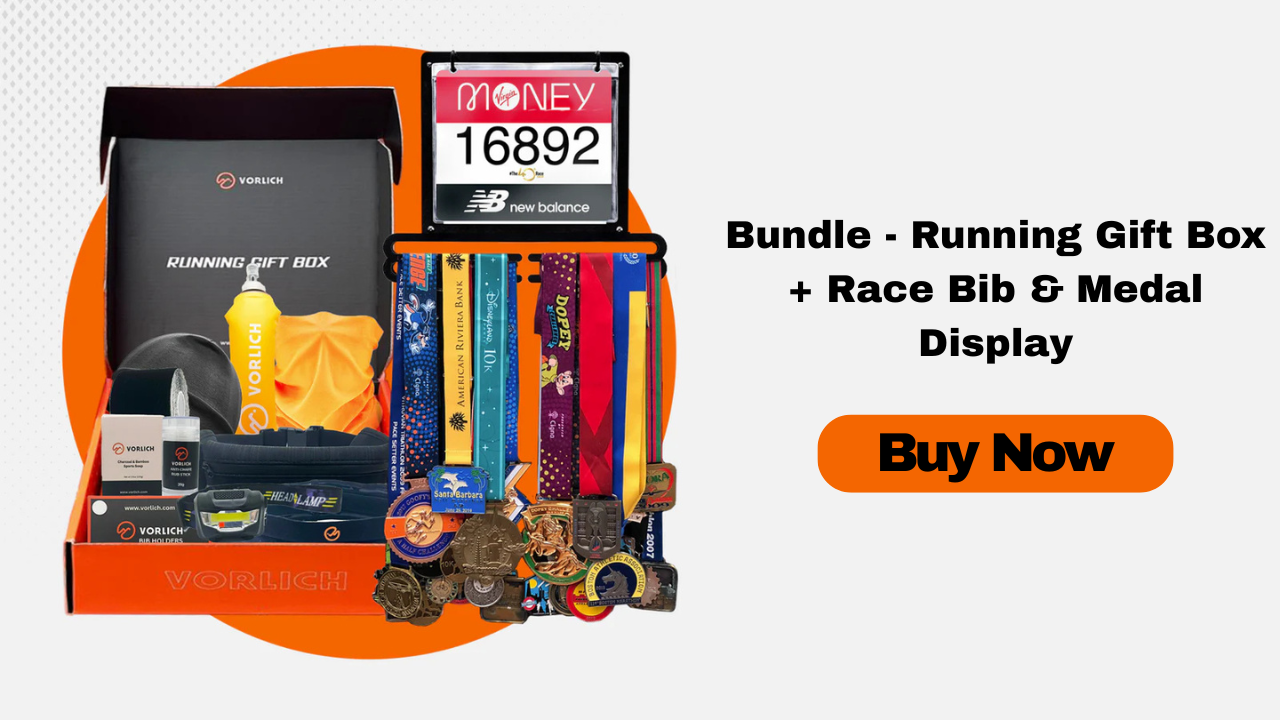
If you’re building your kit or gifting gear to another runner, curated bundles can be convenient. Products like the Vorlich Running Gift Box typically combine practical essentials (like socks, anti-chafe, and hydration tools) into a single package. These aren’t mandatory, but they can save time and help new runners avoid buying random, less useful items.
Accessories You Can Skip or Wait to Buy
Some running accessories are heavily marketed but offer limited value for most runners, especially beginners. Here are categories you can often skip or delay.
1. Overly Complex Hydration Packs for Short Runs
If your typical run is under 10 km (6 miles) in moderate conditions, you probably do not need a full-size hydration backpack. These are more suitable for:
- Trail ultramarathons
- Very long solo runs in remote areas
- Multi-hour training sessions with minimal access to water
For most road runners, a simple handheld bottle, belt, or collapsible bottle is lighter, cheaper, and less cumbersome.
2. High-End Massage Guns and Recovery Boots (Early On)
Massage guns and pneumatic recovery boots can feel great, but they’re expensive and not necessary for health or progress. You’ll get more long-term benefit by first prioritizing:
- Consistent stretching and mobility work
- Sleep and nutrition
- Appropriate training load and recovery days
Consider these tools only if you’re training at a high volume or have disposable income and want extra comfort.

3. Fashion-Driven “Lifestyle” Running Gear
Many brands sell running accessories primarily for style rather than performance—fashion caps, designer socks, and heavily branded items that don’t improve function. They can look great, but they rarely:
- Last longer
- Reduce injury risk
- Improve comfort significantly
Focus on function and fit before fashion, especially while you’re still figuring out what you actually use.
4. Multiple Belts, Vests, and Bags Before You Know Your Needs
It’s easy to buy several storage solutions—phone belt, hydration belt, vest, handheld bottle—before testing what actually feels comfortable. Instead:
- Start with one simple, adjustable option.
- Use it for several weeks in different conditions.
- Only add more gear if you identify real gaps.
5. Expensive Smart Clothing
Clothing with built-in sensors or smart features can be interesting, but for most runners:
- Standard performance fabrics are sufficient.
- Wearables or apps provide enough data.
- The added cost doesn’t equal meaningful performance gains.
Race & Training-Specific Accessories
Once you move beyond casual running and start training for events—like a 5K, 10K, half marathon, or marathon—certain accessories become more valuable.
1. Fueling Accessories (Longer Distances)
For runs over 60–90 minutes, you may need:
- Gels, chews, or sports drinks
- Small pouches or vest pockets to carry fuel
- Easy-access bottle holders
Fuelling properly is especially crucial during marathon preparation. If you’re building up for your first long race, take time to learn about what runners should eat during marathon training and test your strategy on long training runs.
2. Race Belts and Bib Holders
Race belts allow you to attach your race bib without putting safety pin holes in your favorite shirts. They also:
- Make last-minute shirt changes easy
- Provide storage for gels and small items
- Keep the bib from flapping uncomfortably
Not mandatory, but very convenient, particularly if you race frequently.
3. Lightweight, Race-Ready Clothing and Gear
As you get closer to race day, many runners prefer:
- Lighter shoes (if appropriate for distance and foot type)
- Minimalist shorts, singlets, or vests
- Low-profile belts or vests for fuel and hydration
Any new gear should be tested thoroughly during training. Never introduce brand-new accessories on race day itself.
4. Training Plan Support Tools
Following a structured training plan—whether for a 5K, 10K, or longer—is far more important than any single accessory. Once you’ve got that in place, accessories like GPS watches, foam rollers, and hydration gear just support the plan.
If you’re stepping up to your first 5K or trying to improve your time, look for guides like an evidence-based 10K training strategy for race day success to help you fit your accessories into a broader structure of training and recovery.
Building a Minimal, High-Value Running Accessories Setup
You don’t need to own every piece of popular running gear. A smart, minimal running kit can cover almost all your needs.
1. Focus on Core Functions
Your accessories should solve clear problems:
- Comfort (socks, anti-chafe, apparel)
- Safety (reflective gear, visibility, ID)
- Hydration (bottles, belts, vests)
- Storage (belts, pockets)
- Tracking (watch or app)
If a product doesn’t improve at least one of those areas in a noticeable way for you, it’s probably not essential.
2. Start Small and Upgrade Slowly
Begin with the basics and add gear only as your running volume and goals increase. To avoid overspending early, you can follow principles similar to those in how to build a minimal running kit without overspending:
- Prioritize essentials first.
- Buy multi-use items over single-purpose gadgets.
- Invest more only once you know what you genuinely like and use.
3. Buy for Your Current Stage, Not a Future Fantasy
It’s tempting to buy accessories for the version of yourself that’s already running marathons, racing every month, and training daily. Instead:
- Match your gear level to your current training volume.
- Upgrade as you adapt to longer distances or more frequent runs.
- Let habits drive purchases, not the other way around.
How to Choose the Right Running Accessories for You
Choosing running accessories wisely comes down to a few simple questions.
1. Does This Solve a Real Problem I Have Now?
Examples of real problems:
- “I finish long runs with chafed skin.” → Anti-chafe stick, better shorts
- “My phone bounces and annoys me.” → Running belt with a stable pocket
- “I’m often dehydrated or dizzy after running.” → Better hydration strategy and bottle
If you can’t name a specific problem, consider waiting.
2. Will I Use This at Least Once a Week?
Accessories used frequently are worth more than high-tech items that sit in a drawer. Prioritize gear that fits into your regular running routine.
3. Does It Suit My Local Climate and Terrain?
Examples:
- Hot climate: prioritize hydration, light clothing, UV protection.
- Cold/wet climate: prioritize layering, waterproof shell, gloves, hat.
- Trails: prioritize traction, vests, and headlamps over fashion gear.
4. Does It Fit My Budget Without Sacrificing Essentials?
Before buying advanced accessories, make sure you’ve covered:
- Quality shoes
- Good socks
- Basic clothing and chafe protection
- Simple hydration and storage
Common Mistakes Runners Make When Buying Accessories
Being aware of common pitfalls can save you money and frustration.
1. Buying Everything at Once
Runners often get excited and buy:
- Multiple belts and bottles
- Duplicate clothing items in different brands
- Advanced gadgets they don’t yet know how to use
Try to add one accessory at a time, test it thoroughly, and decide if it’s truly useful.
2. Ignoring Fit and Comfort
The most high-tech accessory is useless if it chafes, bounces, or simply annoys you. Always check:
- Adjustability (straps, buckles, belts)
- Weight and feel during a run
- Any potential rubbing points on longer distances
3. Over-Valuing Tech, Under-Valuing Consistency
Accessories can support your training, but they cannot replace:
- Regular, progressive runs
- Rest and recovery
- Good nutrition and sleep
A simple kit plus a realistic plan—such as a beginner running plan that builds confidence—will almost always beat a high-tech setup without consistent effort.
Final Checklist: What You Actually Need at Different Stages
Stage 1: New Runner (First 0–3 Months)
Essential accessories:
- Running-specific socks
- Anti-chafe stick if you experience rubbing
- Basic moisture-wicking top and shorts/tights
- Simple way to carry phone, key, and ID (belt or pocket)
- Reflective items if running in low light
- Phone app for tracking distance and time
Can wait: GPS watch, hydration pack, race belt, massage gun, complex recovery gear.
Stage 2: Committed Runner (Running Regularly, 3–12 Months)
Essential or highly recommended:
- All Stage 1 items
- Reliable hydration solution for longer runs (handheld, belt, or folding bottle)
- More technical clothing for different seasons
- Foam roller or simple mobility tools
Nice to have:
- GPS watch if you enjoy data and structured training
- Running sunglasses and hat/visor
Stage 3: Race-Focused or Distance Runner
Essential or very helpful:
- All Stage 1 and 2 items
- Fuel-carrying system (belt or vest) for long runs
- Race belt for bib and gels (if racing often)
- Well-fitting hydration gear for long training sessions
- Solid recovery routine with mobility tools
From here, you can experiment with more specialized accessories, but always ask whether they solve a real problem or simply add complexity.
In the end, the best running accessories are the ones that help you run more often, more comfortably, and with less risk of injury. Start with a few high-impact essentials, add selectively as your training grows, and remember that consistency—not a crowded gear drawer—is what turns small daily runs into meaningful, long-term progress.