

Running Gear That Improves Comfort Without Extra Weight
Running has never been more popular, and today’s runners are more informed than ever about performance, recovery, and comfort. Yet one challenge remains the same: how do you choose running gear that improves comfort without adding extra weight? The right lightweight running gear can reduce chafing, keep you cool, support your muscles, and help you stay hydrated—without slowing you down. This guide breaks down the best minimalist, performance-focused gear so you can build a kit that feels almost invisible while you run, but makes a huge difference to your comfort and enjoyment.
Why Lightweight Comfort Matters for Runners
Comfort and performance are deeply connected. When gear rubs, pinches, or feels heavy, your brain focuses on discomfort instead of your stride. That’s why lightweight, comfort-focused running gear is essential whether you are following a 5K training plan for improving endurance or preparing for longer races.
Key reasons lightweight comfort gear matters:
- Reduces fatigue: Every extra gram adds up over thousands of steps.
- Prevents chafing and blisters: Smooth, breathable fabrics and seamless designs protect your skin.
- Improves running economy: Less weight and restriction means more efficient movement.
- Makes long runs feel easier: Small comfort upgrades can be the difference between cutting a run short and finishing strong.
- Boosts consistency: When running feels good, it’s much easier to stay consistent with your training.
If you are building up your mileage or following a more structured plan such as an 8 week 5K plan you can follow anywhere, dialing in comfort will help you show up day after day without dread or discomfort.
Lightweight Running Shoes: Comfort Starts from the Ground Up
Your shoes are the foundation of your running gear. The goal is not just to go as light as possible, but to balance lightweight construction, cushioning, and support based on your needs and distance.
Key Features of Comfortable, Lightweight Running Shoes
- Breathable uppers: Look for engineered mesh or knit that allows airflow while maintaining structure.
- Responsive midsole foam: Modern foams (like EVA blends or superfoams) can be light yet cushioned.
- Minimal overlays and seams: Fewer pressure points mean less risk of rubbing and hot spots.
- Secure heel and midfoot lockdown: Your foot should not slide around, even when the shoe is light.
- Weight range: For most daily trainers, a comfortable lightweight range is around 7–10 oz (200–285 g) per shoe.
How to Choose the Right Lightweight Shoe
- Know your gait: Neutral vs. stability; get a gait analysis if you are unsure.
-
Consider your main distance:
- Shorter races and intervals: slightly lighter, more responsive shoes.
- Daily training and long runs: a bit more cushioning while still staying light.
- Try them at the end of the day: Feet swell, so fit them when your feet are larger.
- Test with your running socks: This gives a realistic sense of volume and comfort.
If you are just starting or rebuilding your kit, check guides on running gear essentials for everyday running to understand how shoes fit into a broader, minimalist setup.
Running Socks That Prevent Blisters Without Bulk
Many runners underestimate how much running socks influence comfort. The right pair can stop blisters before they start, wick away sweat, and add subtle cushioning—all without feeling thick or heavy.
What to Look for in Lightweight Running Socks
- Technical fibers: Synthetic blends or merino wool for moisture-wicking and temperature regulation.
- Targeted cushioning: Light padding at the heel and forefoot, not all over.
- Flat or seamless toe construction: Minimizes friction and pressure on your toes.
- Snug, anatomical fit: Left/right specific socks often reduce excess fabric.
- Height for your conditions: No-show, quarter, or crew depending on preferences and terrain.
Tips to Prevent Blisters with Minimal Weight
- Make sure your shoes are not too tight at the forefoot.
- Avoid cotton socks, which hold moisture and increase friction.
- Use a light anti-chafe product on common problem spots (heels, between toes) for longer runs.
Lightweight Running Apparel for All Seasons
The best lightweight running clothing feels almost invisible. It should move with your body, allow sweat to evaporate quickly, and protect you from weather—without extra bulk.
Lightweight Running Tops
- Materials: Technical polyester blends or merino wool; avoid heavy cotton.
- Construction: Flatlock seams, tagless labels, and soft necklines to reduce chafing.
- Fit: Skimming rather than tight for most runners; race tops can be slimmer if you prefer.
- Ventilation zones: Mesh panels at high-heat areas (back, underarms, chest) add comfort with no real weight penalty.
Lightweight Running Shorts and Tights
For shorts, focus on:
- Inseam length: 3–7 inches is common; choose what feels natural and prevents thigh chafing.
- Built-in liners: High-quality liners can eliminate the need for extra underwear.
- Light, quick-dry fabric: Soaked shorts feel heavy and uncomfortable.
- Pockets: Strategically placed pockets that do not bounce or add bulk.
For tights and capris:
- Look for compressive but breathable fabrics.
- Choose flat, wide waistbands that stay in place without digging in.
- Pick minimalist designs with just enough pockets for keys or a gel.
Sports Bras and Supportive Layers
For women, a well-fitting, lightweight sports bra is one of the most important pieces of comfort gear:
- Choose support level based on cup size and intensity of runs.
- Opt for moisture-wicking fabrics and soft underbands.
- Look for minimal hardware (clips, hooks) or ensure they are padded and do not rub.
If you are looking for comfortable, performance-focused ideas, guides on running gift ideas for women who love comfort and performance can spotlight useful gear that prioritizes lightweight feel and support.
Anti-Chafe Solutions That Add Comfort, Not Weight
Chafing can completely ruin a run. The good news is that there are ultralight anti-chafe solutions that make a big difference without adding noticeable weight or bulk.
Where Chafing Commonly Occurs
- Inner thighs
- Underarms
- Sports bra lines and straps
- Waistband areas
- Between toes and around the heel
Using Anti-Chafe Products Effectively
A dedicated anti-chafe stick can be applied directly to problem areas, creating a thin, invisible barrier that reduces friction. Products like the Vorlich Anti-Chafe Stick are designed to:
- Glide on smoothly without feeling greasy or heavy.
- Hold up over long distances and in hot or humid conditions.
- Protect sensitive skin from repetitive rubbing during longer sessions.
Apply before you start your run, especially for long efforts, race day, or when you know the weather will be hot. Because this solution is compact and lightweight, it improves comfort without affecting your pace or adding load.
Minimalist Hydration Solutions That Don’t Weigh You Down
Staying hydrated is essential, but carrying fluids can quickly start to feel heavy or awkward if your setup is not optimized. The key is to choose minimalist hydration gear that stays secure and only carries what you actually need for the distance and conditions.
Lightweight Hydration Options
- Soft flasks and folding bottles: Collapsible designs that shrink as you drink.
- Minimalist handhelds: Small bottles with hand straps so your grip can relax.
- Slim hydration belts: Low-profile bottles positioned to minimize bounce.
- Race vests: Best for longer distances; choose low-weight designs and pack only essentials.
A product like the Vorlich Folding Bottle offers:

- Collapsible design that becomes almost weightless and flat when empty.
- Flexible material that is comfortable to carry in the hand or tuck in a vest.
- Reduced sloshing compared with rigid bottles, improving running comfort.
Hydration Strategy Without Excess Weight
- Match your hydration method to run length (short runs may only need a small soft flask).
- Pre-hydrate before your workout to reduce how much you need to carry.
- Use route planning to pass water fountains where possible.
Smart Running Accessories That Stay Light and Functional
Not all accessories are worth carrying. Focus on light, high-impact items that clearly improve your comfort, safety, or training feedback.
Minimalist Accessories That Add Comfort
- Lightweight running belts: To carry keys, cards, and a phone without bounce.
- Thin running caps or visors: Keep sun and sweat out of your eyes with almost no weight.
- Featherweight gloves: For chilly mornings; they pack away easily if you warm up.
- Reflective bands or vests: Safety without bulk, especially for early or late runs.
Tech Accessories
- GPS watches: Many modern watches are light but packed with features like heart rate tracking and training metrics.
- Minimal earbuds: If you run with music or podcasts, choose light, secure-fitting options.
If you enjoy celebrating your progress and want motivational accessories off the road, consider ideas like creative medal display ideas for dedicated runners. They won’t affect your running weight, but they can boost long-term motivation and pride in your achievements.
Layering Strategies for Maximum Comfort and Minimal Weight
Layering is about wearing the lightest possible combination that keeps you warm, dry, and comfortable for the entire run. The goal is to avoid heavy, bulky pieces that trap sweat and restrict movement.
Three-Layer Principle for Runners
- Base layer: Lightweight, moisture-wicking top next to skin.
- Mid layer (if needed): Thin, breathable insulating layer for colder conditions.
- Outer layer: Ultralight windproof or water-resistant shell.
Seasonal Tips
- Cool conditions: Use a thin long-sleeve base layer plus shorts or light tights.
- Cold conditions: Add a very light mid-layer and gloves/hat instead of jumping to heavy jackets.
- Windy or drizzly days: A packable wind/rain shell can be carried easily and used only when needed.
Choose pieces that pack down small so you can adjust mid-run without feeling weighed down or overloaded with gear.
How to Choose the Right Lightweight Gear for Your Running Style
Your ideal kit depends on your distance, environment, and personal preferences. You do not need a huge collection of gear; a carefully chosen, minimalist setup can deliver excellent comfort in most conditions.
Questions to Ask Before Buying
- What distances do I usually run (5K, 10K, half marathon, etc.)?
- What is the typical weather in my area?
- What are my worst comfort issues right now (blisters, chafing, overheating)?
- How many pieces do I really need to cover my weekly training?
Prioritize High-Impact Items First
- Shoes: Most important for comfort and injury prevention.
- Socks and base layers: Direct contact with your skin; big effect on chafing and blisters.
- Shorts/tights and sports bras: Choose lightweight, breathable options that fit well.
- Hydration and anti-chafe tools: Especially important as your distance increases.
For a broader strategy on building a smart kit without unnecessary extras, you can explore how to build a minimal running kit without overspending. This approach keeps your bag light, your budget controlled, and your comfort high.
Care and Maintenance to Keep Lightweight Gear Performing
Even the best lightweight running gear will not stay comfortable if it is not cared for properly. Good maintenance preserves breathability, elasticity, and softness, which all influence comfort.
Washing Tips
- Wash technical fabrics in cold water with mild detergent.
- Avoid fabric softeners; they can clog fibers and reduce moisture-wicking.
- Turn garments inside out to protect reflective details and prints.
- Air dry when possible; high heat can damage elastic fibers and reduce lifespan.
Extending the Life of Shoes and Apparel
- Rotate between two pairs of shoes to allow cushioning to rebound.
- Loosen laces fully before taking shoes on and off to reduce stress on structure.
- Hang gear to dry immediately after runs to prevent odors and bacterial buildup.
- Inspect seams and fabrics regularly; repair minor issues early to avoid replacements.
Putting It All Together: Building Your Lightweight Comfort Kit
To create a lightweight running kit that maximizes comfort, think in terms of essentials rather than excess. Start with a few high-quality pieces that work across many conditions rather than overstocking drawers with items you rarely use.
Sample Lightweight Comfort Kit
- 1–2 pairs of breathable, well-fitted running shoes.
- 3–5 pairs of blister-resistant running socks.
- 2–4 moisture-wicking tops (mix of short and long sleeve).
- 2–3 pairs of lightweight shorts and/or tights.
- 1–2 high-quality sports bras (for women).
- 1 thin packable wind or rain shell.
- 1 small running belt or minimal vest (if needed).
- 1 anti-chafe stick.
- 1 collapsible bottle or soft flask.
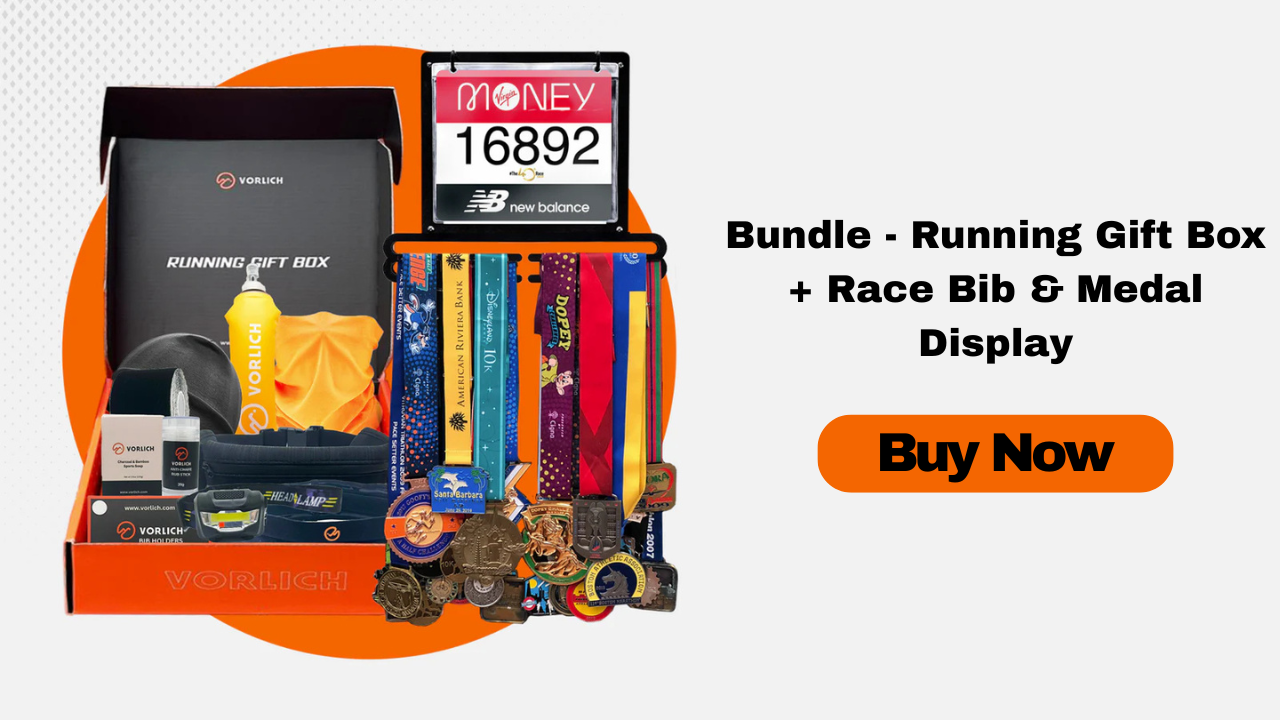
If you prefer a curated, ready-to-go bundle that emphasizes both comfort and practicality, consider products like the Vorlich Running Gift Box, which are designed with runners’ real-world needs in mind. Sets like these can be a smart way to start or upgrade your kit without guesswork.
FAQ: Running Gear, Comfort, and Weight
Do I need different gear for training and race day?
Not always. Many runners use the same lightweight, comfortable gear for both, especially for 5K and 10K distances. Some prefer slightly lighter shoes or race-specific tops on race day, but comfort should always be the priority—never sacrifice comfort just to go a few grams lighter.
How much does weight really matter in running gear?
Weight matters most in items carried for the entire run, such as shoes, hydration, and outer layers. A few grams might not be noticeable once, but over thousands of steps, you may feel the difference. However, fit and comfort are still more important than chasing the lowest possible weight.
How can I test if gear will stay comfortable over longer distances?
- Use test runs at easy pace before any major race.
- Gradually extend the distance in your new gear to spot issues early.
- Check for red marks, hot spots, or unusual soreness afterward.
What should beginners prioritize when choosing lightweight running gear?
Focus on:
- Comfortable, properly fitted shoes.
- Moisture-wicking tops and socks.
- Simple, non-restrictive shorts or tights.
As your mileage increases, you can add specific tools like hydration solutions and anti-chafe products. Pairing these gear upgrades with a structured approach—such as a beginner running plan that builds confidence—helps you enjoy progress without unnecessary discomfort.
Is it worth investing in higher-quality lightweight gear?
Often, yes. Higher-quality gear usually offers:
- Better fabrics that stay light even when sweaty or wet.
- Improved fit and construction that reduce rubbing and chafing.
- Longer lifespan, keeping performance and comfort consistent over time.
Choosing the right running gear that improves comfort without extra weight allows you to enjoy every step more, stay consistent with your training, and get closer to your goals—whether that’s finishing your first race, achieving a personal best, or simply making daily runs feel easier and more enjoyable.