

How to Choose the Right Running Belt for Your Training
Choosing the right running belt can transform your training. A well-designed belt keeps your phone, keys, gels, and hydration secure without bouncing or chafing, so you can focus on your pace instead of your pockets. With so many designs—zip belts, flip belts, hydration belts, race belts—it’s easy to feel overwhelmed. This guide breaks everything down in clear, practical steps so you can confidently choose the best running belt for your needs, whether you’re training for your first 5K or your next marathon.
Why a Running Belt Matters for Your Training
A running belt is more than a small accessory—it’s a piece of essential running gear that affects comfort, form, and even safety.
- Reduces bounce and distraction: A good belt holds items close to your body so they don’t slap against your legs or hips.
- Protects your essentials: Keep your phone, ID, keys, and cash secure and protected from sweat or light rain.
- Supports longer distances: Hydration belts and larger storage belts make it easier to fuel and drink during long runs.
- Improves running form: When you’re not clutching your phone or water bottle, your arms swing naturally, which can improve efficiency.
- Boosts confidence: Knowing you have everything you need lets you focus mentally on your training and your goals.
If you’re putting together a minimalist kit, a good belt often ranks just after shoes in importance. For more ideas on streamlining gear while staying prepared, see how it fits alongside other pieces in minimal running gear that covers most situations.
Key Factors to Consider Before You Buy
Before you look at specific brands or models, think about how and where you run. This will guide which features matter most.
-
Distance:
- Short runs (up to 5–8 km / 3–5 miles): Light, low-capacity belts for keys and phone.
- Medium runs (8–16 km / 5–10 miles): Extra room for gels, maybe small hydration.
- Long runs (16+ km / 10+ miles) & marathons: Hydration, fuel, and comfort become critical.
-
Terrain:
- Road running: Streamlined belts with smooth profiles suit steady, repetitive motions.
- Trail running: Extra storage and secure pockets are helpful for uneven terrain and longer time away from support.
- Climate: Hot weather might call for lighter fabric and better ventilation, while cold or rainy climates benefit from weather-resistant materials.
- What you carry: Make a quick list: phone, keys, gels, cards, ID, water, soft flask, inhaler, etc.
- Body shape and preference: Some runners prefer low-slung belts on the hips; others like snug high-waist fits.
Clarifying these points will make it much easier to pick the right style and avoid belts that are uncomfortable, too small, or overbuilt for your needs.
Types of Running Belts (Pros & Cons)
There are several main categories of running belts. Understanding the differences helps you match a belt to your training style.
1. Minimalist Storage Belts (Flip-Style or Tubular Belts)
These are simple tubes of stretchy fabric with openings for items.
-
Pros:
- Very low bounce when properly sized
- Lightweight and often chafe-free
- Good for phone, keys, and a couple of gels
- Work under shirts for a cleaner look
-
Cons:
- Limited capacity
- Not ideal for carrying water li>Can be fiddly to access items during faster paces
2. Zippered Storage Belts
These belts use zippered pouches or pockets attached to an adjustable strap.
-
Pros:
- Secure storage with zips to prevent drops
- Adjustable sizing for different layers or body changes
- Usually room for larger phones and cards
-
Cons:
- Can bounce if overloaded or worn too loose
- Bulky models can rub or dig in on longer runs
3. Hydration Belts
Hydration belts include bottle holsters or integrated flasks.
-
Pros:
- Convenient access to water without relying on fountains
- Ideal for long runs, hot climates, or races without frequent aid stations
- Some have balanced designs (bottles on both sides) for better stability
-
Cons:
- Heavier and more complex
- More potential for bounce if not well-fitted
- Bottles can press into the back or hips if poorly positioned
4. Race Belts (Bibs & Gels)
Race belts are designed to hold your race bib and often have loops for gels.
-
Pros:
- Eliminates the need to pin bibs to your shirt
- Quickly adjustable for jackets or layers
- Lightweight and simple
-
Cons:
- Limited storage (often no dedicated phone pocket)
- Better as a race-day accessory than an everyday training belt
Race belts can also tie into the emotional side of running; your bibs and finishes often tell a story. If that part of training motivates you, you might enjoy reading about the connection between race bibs and personal growth.
5. Hybrid Belts (Storage + Hydration + Bib Clips)
Hybrid belts combine storage pockets, hydration options, and race bib attachments.
-
Pros:
- Versatile enough for training and racing
- Can carry phone, keys, gels, and water in one piece of gear
- Cost-effective if you want an “all-in-one” solution
-
Cons:
- More features can mean more weight and bulk
- Not always necessary for short, everyday runs
How to Get the Perfect Fit and Sizing
A high-quality belt that doesn’t fit properly will still bounce, rub, or ride up. Proper fit is one of the most important factors when choosing a running belt.
1. Measure Your Waist or Hip
- Use a soft measuring tape around where you plan to wear the belt (waist or hips).
- Keep it snug but not tight; you want an accurate running fit, not a relaxed sitting fit.
- Check the belt’s size chart and choose accordingly. If you’re between sizes, consider:
- Stretch belts: Often better slightly smaller for a secure, no-bounce fit.
- Non-stretch belts: Slightly larger may be better, especially if you plan to wear layers.
2. Decide Waist vs. Hip Placement
-
High-waist (around belly button):
- Can feel very secure, especially for tubular/flip belts
- Often reduces hip-bone rubbing
-
Low on the hips:
- Preferred by runners who dislike pressure on the stomach
- Sometimes more stable for heavier loads like water bottles
3. Check On-Body Stability
Once the belt is loaded with your typical items:
- Jog in place and do a few short accelerations.
- Pay attention to:
- Bounce: Belt should move minimally, staying close to the body.
- Rotation: Belt shouldn’t spin around your waist as you run.
- Rubbing points: Check seams and buckles near your hip bones or lower back.
Choosing the Right Storage Capacity
The “right” amount of storage depends entirely on what you carry. Overbuying can lead to bulky belts; underbuying means frustrations on the run.
1. Identify Your Essentials
Common items include:
- Phone (consider dimensions if you have a large smartphone)
- Keys (preferably on an internal key hook)
- ID, bank card, and possibly some cash
- Gels or energy chews
- Small medical or safety items (inhaler, blister plasters)
2. Match Belt Capacity to Run Type
-
Short daily runs:
- One main pocket that fits phone + keys is usually enough.
- A slim design keeps things light and comfortable.
-
Speed sessions or intervals:
- Go ultra-light—just phone and maybe an ID.
- Look for a belt that sits firmly and doesn’t bounce when you sprint.
-
Long runs and marathon training:
- Multiple pockets help organize gels, phone, and keys.
- Consider a belt that can carry 8–16 oz (250–500 ml) of water if you don’t have access to fountains.
3. Organization Features to Look For
- Internal dividers: Separate phone from gels or keys to prevent scratches and sticky messes.
- Key clip: Prevents keys from bouncing freely or falling out.
- Elastic gel loops: Easy access during races or long runs.
Hydration Options: Bottles vs. Bladders vs. No Hydration
Hydration is critical on long and hot runs, but you may not always need to carry water on your body. A running belt can help you adapt your strategy.

1. Belt with Removable Bottles
- Best for: Long runs, half-marathon and marathon training, trail runs without water points.
-
Pros:
- Easy to refill at fountains or aid stations.
- Can remove bottles when not needed to reduce weight.
-
Cons:
- Requires careful balancing to avoid lopsided load.
- Can feel bulky on shorter sessions.
2. Integrated Soft Flasks
- Best for: Runners who want hydration with minimal sloshing and bulk.
-
Pros:
- Flasks shrink as you drink, reducing bounce.
- Often more comfortable than hard bottles.
-
Cons:
- May require specific replacement flasks for best fit.
- Some people find them harder to clean.
3. No Hydration (Storage-Only Belts)
- Best for: Short runs, cooler climates, routes with reliable fountains.
-
Pros:
- Lighter, simpler, often more comfortable.
- Ideal for tempo runs and races where you’ll use on-course water.
-
Cons:
- Not suitable for remote routes or very hot conditions without water access.
Materials, Comfort & Anti-Chafing Features
Material choice directly influences breathability, durability, and chafe prevention.
1. Common Materials
-
Elastic blends (polyester, spandex, nylon):
- Offer stretch for a snug, no-bounce fit.
- Good for flip belts and lightweight storage belts.
-
Neoprene:
- Soft and cushioning, often used in pouch sections.
- Provides mild water resistance but can trap heat.
-
Mesh panels:
- Improve airflow and reduce sweat build-up.
- Common on the inner side of hydration belts.
2. Comfort Features to Look For
- Flat seams: Reduce friction points on long runs.
- Soft binding or edges: Avoid sharp or stiff trim that can dig into the skin.
- Secure buckle placement: Side or front buckles that don’t press into hip bones or stomach when tightened.
3. Preventing Chafing
Even the best belt can cause chafing under the wrong conditions (humidity, salt, long distance). To protect your skin on longer efforts, apply a dedicated anti-chafe product to common rub points. A targeted option like the Vorlich Anti-Chafe Stick can make a big difference on long runs or races by reducing friction where the belt and waistband sit.
Adjusting Your Belt Choice for Weather and Conditions
Your running environment affects what type of belt will feel best.
1. Hot Weather Running
- Choose lighter fabrics with mesh panels for ventilation.
- Avoid thick neoprene designs that trap heat and sweat.
- Consider small hydration capacity, especially if shade and fountains are limited.
For more strategies to stay comfortable when temperatures rise, check out the best running accessories for hot weather running, and match your belt choice to your full warm-weather kit.
2. Cold and Wet Weather
- Look for belts with water-resistant pockets to protect your phone.
- Size up slightly if you plan to wear the belt over layers.
- A belt can also help keep gels and soft flasks from freezing as quickly when worn under a jacket.
Safety Features: Visibility, Security & Phone Access
A running belt can also improve your safety on the road or trail.
1. Visibility Features
- Reflective accents: Logos, strips, or piping that catch headlights.
- Attachment points: Some belts let you clip on lights for early morning or evening runs.
2. Security Features
- Hidden pockets: For discreet storage of cards, IDs, or cash.
- Lockable zippers: Reduce the chance of accidental opening.
- Key leash or clip: So your keys stay attached even if a pocket opens.
3. Quick Access to Phone
- Look for belts explicitly labeled “fits large smartphones” if you use big devices.
- Consider top-zip or front-access pockets for quick photo stops or safety calls.
Picking a Belt for Different Types of Workouts
You may find that owning one versatile belt covers most needs, or you might prefer different belts for different sessions.
1. Easy and Recovery Runs
- Lightweight belt with basic storage is often enough.
- Comfort takes priority; you shouldn’t even notice the belt once you settle into your run.
2. Speed Work, Intervals, and Hill Repeats
- Choose an ultra-secure, minimal-bounce belt.
- A tubular or snug zip belt works well with only phone + key.
3. Long Runs and Race Simulations
- Use the belt you plan to wear on race day.
- Practice:
- Getting gels out of pockets or loops while running.
- Drinking from bottles or flasks without stopping.
- Managing weight changes as you drink or consume fuel.
4. Races
- Prioritize:
- Low bounce and stability at race pace
- Easy gel access so you don’t slow down
- Bib attachment if you choose not to pin your race number
Tips for Beginners Choosing Their First Running Belt
If you’re new to running, your belt choice can help you feel more organized and confident without overspending.
1. Start Simple, Then Upgrade If Needed
- Pick a lightweight storage belt that fits your phone and keys first.
- Use it for a few weeks to understand what you actually carry and what annoys you (bounce, size, access, etc.).
2. Match Your Belt to Your Training Plan
If you’re following a structured beginner program, think about how your mileage will grow. For example, a beginner running plan without expensive equipment may start with short runs but gradually build to distances where carrying gels or water becomes helpful. Choosing a belt that can scale with that progression can save you from replacing your belt too soon.
3. Look for Beginner-Friendly Kits
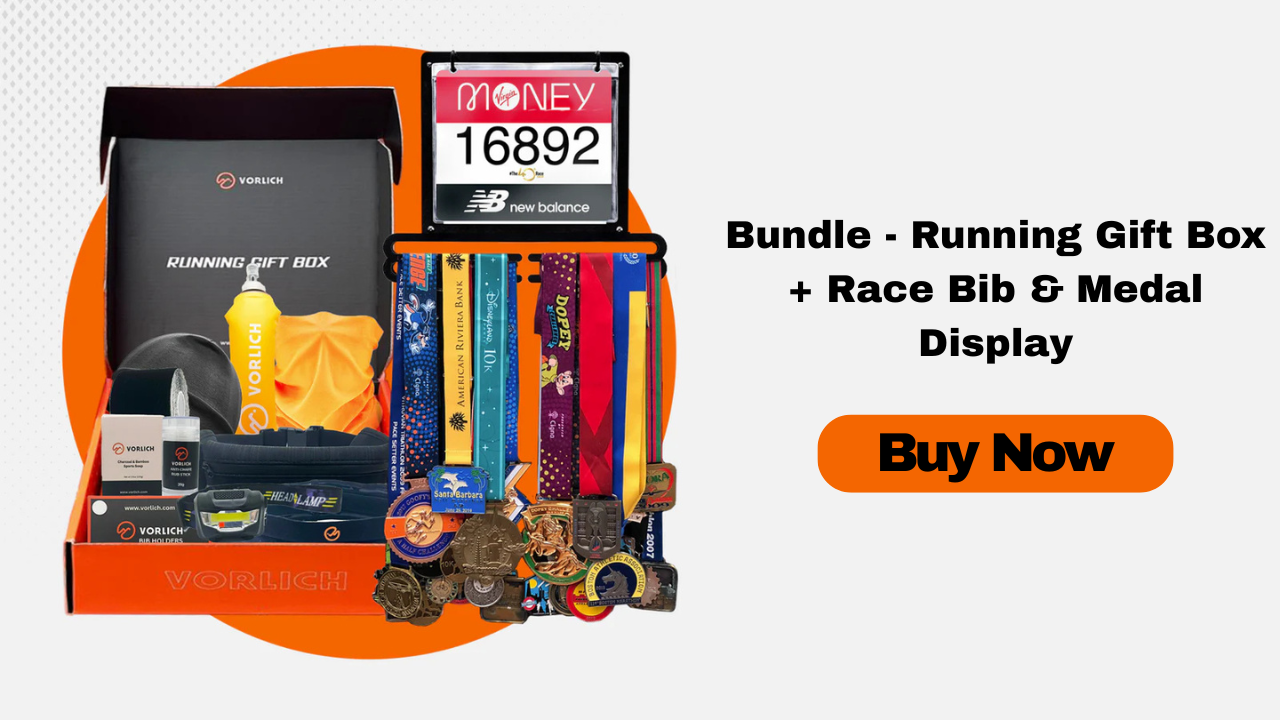
Curated running bundles can simplify gear decisions. Some kits include belts along with key accessories like a headtorch, water bottle, anti-chafe, and safety items. For example, the Vorlich Running Gift Box and the aqua version, the Vorlich Running Gift Box Aqua, include a running belt as part of a broader essential kit, which can be especially useful if you’re setting up your gear from scratch or buying for a new runner in your life.
Care, Cleaning & Making Your Belt Last Longer
Proper care keeps your belt comfortable, hygienic, and performing well.
1. After Every Few Runs
- Empty the belt completely and shake out debris or sand.
- Let it air dry fully if it’s damp with sweat or rain.
2. Washing Guidelines
- Check the manufacturer’s label—many belts are hand-wash only.
- When in doubt:
- Use lukewarm water and mild detergent.
- Gently scrub areas that contact skin the most.
- Rinse thoroughly to remove soap residue.
- Air-dry flat, away from direct heat or strong sun.
3. Extending Belt Life
- Avoid overloading pockets beyond their recommended capacity.
- Keep sharp objects like keys on designated clips or inside soft sleeves.
- Do not wring or twist the belt aggressively after washing.
Common Mistakes Runners Make When Buying a Belt
Avoid these frequent errors to save money and frustration.
- Buying based only on looks: A sleek design that bounces is worse than a plain belt that disappears on your waist.
- Ignoring size charts: Guessing size often leads to belts that ride up or slide down.
- Overestimating how much you carry: Big belts feel clumsy if you only bring a phone and key.
- Underestimating distance needs: If you’re training for a half or full marathon, hydration and fuel access quickly become essential.
- Not test-running the belt: Always do a few short test runs before race day.
Making Your Belt Part of a Smart Running Kit
A running belt works best when it’s part of a thoughtful, comfort-focused kit. Combine it with appropriate shoes, clothing, and small accessories to make each run smoother and more enjoyable.
- Pair with moisture-wicking clothing to reduce sweat build-up under the belt.
- Use anti-chafe on longer runs to protect skin wherever fabric or belt edges might rub.
- Choose accessories (hat, gloves, reflective gear) based on your typical running time and environment.
If you’re building a gear setup that focuses on comfort over flashy extras, you may find it helpful to see how belts fit alongside other items in guides that emphasize running gear that improves comfort and nothing else. Dialing in the basics makes your training feel easier, more enjoyable, and more sustainable over time.
Final Checklist: How to Choose the Right Running Belt
Before you buy, run through this quick checklist to make sure your choice matches your training needs.
-
Usage:
- What distances and types of runs will I use this belt for most often?
- Do I need it primarily for training, racing, or both?
-
Capacity:
- Does it fit my phone, keys, ID, and any regular fuel?
- Is there room for optional items like a small first-aid item or extra gel?
-
Hydration:
- Do I need built-in hydration for my longest runs?
- If yes, do I prefer bottles, soft flasks, or an add-on solution?
-
Fit & Comfort:
- Is the size correct according to my waist/hip measurement?
- Does it stay in place without digging in when I jog or sprint?
-
Materials & Weather:
- Is the fabric breathable enough for my climate?
- Does it offer any water resistance for rainy days?
-
Safety & Access:
- Can I reach gels or my phone easily while running?
- Does it include reflective details or attachment points for lights?
-
Test Run:
- Have I tested it loaded with my usual gear for at least one or two shorter runs?
When you choose a running belt that matches your distance, gear, and environment, it quickly becomes a piece of equipment you forget you’re wearing—and that’s the goal. A secure, comfortable, and well-fitted belt frees your hands, protects your essentials, and lets you focus on what matters most: building consistency, enjoying your training, and reaching your next running milestone. For more ideas on how a few smart accessories can support your progress, explore these essential running accessories for beginner runners and see how your belt fits into a simple, effective setup that supports your long-term running journey.