

Essential Running Accessories for Beginner Runners
Starting to run is one of the most rewarding decisions you can make for your health, confidence, and mental wellbeing. But as a beginner, it can be confusing to know which running accessories you actually need and which ones are just “nice to have.” This detailed guide breaks down the essential running accessories for beginner runners so you can stay comfortable, safe, and motivated—without wasting money on gear you’ll never use. We’ll cover everything from running shoes and socks to hydration, safety gear, and simple tech, all explained in an easy, conversational way so you can build your own beginner-friendly running kit with confidence.
Why Running Accessories Matter for Beginners
As a new runner, your first instinct might be to just head out the door in any old trainers and a T‑shirt. That can work for a while, but the right running accessories help you:
- Stay comfortable so running feels more enjoyable and less like a struggle.
- Prevent injuries and blisters caused by friction, poor support, or bad fit.
- Run safely in low light or on busy streets.
- Stay consistent by making your runs easier to manage and more rewarding.
You do not need a closet full of high-end gear to get started. In fact, many beginners succeed with a minimal running gear setup that focuses on a few smart choices. This guide will show you exactly which accessories matter most and how to prioritize them.
1. Running Shoes: The Foundation of Your Kit
Of all the running accessories you’ll buy, your shoes are the most important. They’re your main line of defense against discomfort, blisters, and overuse injuries.
How to Choose Beginner-Friendly Running Shoes
Look for shoes that are specifically designed for running, not general training or fashion. When choosing, focus on:
- Comfort from the first step – they should feel good right away, not “maybe after I break them in.”
- Correct size and width – you’ll usually need about a thumb’s width of space between your longest toe and the end of the shoe.
- Cushioning level that matches your preference – more cushioning usually feels better for beginners.
- Support appropriate for your arch and foot type (a running store can help if you’re unsure).
Signs You’re Wearing the Wrong Shoes
- Blisters or hot spots on your toes or heels.
- Persistent shin, knee, or hip pain after short easy runs.
- Toenails hitting the front of the shoe on downhills.
If you’re following a beginner running plan without expensive equipment, shoes are still the one area where a bit of investment is worth it. Everything else can stay simple at first.
2. Running Socks: Small Upgrade, Huge Difference
Beginner runners often underestimate how important socks are. But running-specific socks can dramatically reduce blisters and moisture buildup.
What to Look For in Running Socks
- Moisture-wicking fabric (synthetic blends or merino wool, not cotton).
- Flat seams or seamless toes to reduce friction.
- Light cushioning at the heel and forefoot.
- Snug fit around the arch so the sock doesn’t bunch up.
Why Cotton Socks Are a Problem
- Cotton holds on to sweat, making feet stay wet.
- Wet fabric rubs more, increasing the risk of blisters.
- They dry slowly, especially in cooler weather.
Upgrading your socks is one of the cheapest ways to feel like you’ve upgraded your entire running experience.
3. Clothing Basics: What Beginners Really Need
You don’t need a full technical wardrobe to start running. But choosing breathable, moisture-wicking clothing makes every run more comfortable and helps prevent chafing.
Essential Clothing Pieces for Beginner Runners
- Moisture-wicking T‑shirt or top – synthetic or merino, not heavy cotton.
- Running shorts or tights – look for a comfortable waistband and flat seams.
- Sports bra (for women) – choose one designed for impact and support.
- Lightweight running jacket or long-sleeve for cooler days.
Features That Make Running Clothing More Comfortable
- Flatlock seams to reduce rubbing.
- Mesh panels for ventilation.
- Pockets for keys, cards, or gels.
- Reflective details for visibility in low light.
Many of these items fall into the category of running gear that improves comfort and nothing else, but that improvement can be the difference between enjoying your runs and dreading them.
4. Hydration Accessories for Beginner Runners
Staying hydrated is key to feeling good on your runs and recovering well afterward. As a beginner, you don’t need a complex hydration system, but you should have a simple way to carry water on longer or hotter runs.
When Do You Need to Carry Water?
- Runs longer than about 45–60 minutes.
- Shorter runs in hot, humid, or sunny conditions.
- If you tend to sweat heavily or feel thirsty easily.
Practical Hydration Accessories
- Handheld water bottle – easy to grab and go.
- Folding or collapsible bottle – packs down small when empty.
- Running belt with bottle holders – good for longer runs.
A smart option for beginners is a compact bottle like the Vorlich Folding Bottle. It’s lightweight, easy to carry, and takes up very little space when not in use—ideal if you’re experimenting with different distances and don’t want bulky gear yet.
Hydration Tips for Beginner Runners
- Drink small sips regularly instead of chugging all at once.
- Pre-hydrate before you run if it’s very warm.
- Rehydrate after your run and include electrolytes on hot days or longer efforts.
5. Safety & Visibility Accessories
Feeling safe on your runs helps you stay consistent. Many beginners run early in the morning or after work when it’s darker, which makes visibility especially important.
Key Safety Accessories
- Reflective gear – vests, bands, or clothing with reflective strips.
- Headlamp or running light – for seeing and being seen in low light.
- ID or emergency contact card – in a pocket, belt, or on a bracelet.
- Phone – for navigation, emergencies, and tracking.
If you plan to run before sunrise or after sunset regularly, it’s worth exploring accessories highlighted in guides like the best running accessories for early morning runs so you can stay visible and confident on every outing.
Extra Safety Tips
- Run facing traffic if you’re on roads without sidewalks.
- Keep one earbud out or the volume low so you can hear your surroundings.
- Share your route with a friend or family member when running alone.
6. Anti-Chafe Protection: Avoiding Irritation Before It Starts
Chafing is one of those problems you don’t think about—until it happens. Then you never want to experience it again. Beginners are especially prone to chafing because:
- They’re experimenting with new clothing combinations.
- They’re not yet aware of their personal “hot spots.”
- They may be wearing non-technical fabrics that hold moisture.
Where Chafing Commonly Happens
- Inner thighs.
- Underarms.
- Sports bra lines and straps.
- Waistband or short hems.
- Nipples (especially for men on longer runs).
How to Prevent Chafing
- Wear moisture-wicking clothing that fits properly—not too tight, not too loose.
- Avoid cotton for longer or hotter runs.
- Use an anti-chafe stick on common friction points before you run.
A dedicated product like the Vorlich Anti-Chafe Stick is designed specifically for runners and is easy to apply. For longer distances, humid conditions, or race days, anti-chafing sticks become essential, not optional.
7. Storage Solutions: Belts, Armbands & Pockets
Even on short runs, you’ll usually want to carry at least a few basics: keys, phone, maybe a card or some cash. Comfortable storage solutions prevent bouncing, rubbing, and distractions.

Common Storage Options
- Running belt – worn around the waist, often with stretchy pockets.
- Armband – holds your phone on your upper arm.
- Pockets – some shorts and tights include secure zip pockets.
What to Look For in a Running Belt
- Snug fit that doesn’t ride up or bounce.
- Enough space for your phone and small essentials.
- Soft material and flat buckles to avoid rubbing.
If you’re unsure which style would work best for you, it helps to read guidance like how to choose the right running belt as a beginner so you can match the belt to your typical run duration, route, and personal preferences.
8. Simple Tech for Tracking Runs (Without Overcomplicating It)
As a beginner runner, it’s easy to feel pressured into buying an expensive GPS watch or a full suite of apps. You don’t need all that to start, but some basic tracking can be very motivating.
Beginner-Friendly Tracking Options
- Smartphone app – many free apps track distance, pace, and route using GPS.
- Simple digital watch – good for timing intervals or run/walk sessions.
- Entry-level GPS watch – useful once you’re running regularly and want more detail.
Why Tracking Helps Beginners
- Shows objective progress in distance, consistency, or pace.
- Makes it easier to follow a structured plan.
- Provides a sense of accomplishment at the end of each run.
For many runners, seeing small, steady improvements is what keeps them engaged. That’s why resources that explore why tracking progress keeps runners engaged are so powerful—because they show that data isn’t about perfection, but about noticing growth over time.
9. Recovery Accessories to Keep You Running Consistently
Running doesn’t make you stronger on its own—your body adapts during recovery. Simple recovery accessories can help you feel better between runs and reduce your risk of injury.
Helpful Recovery Accessories for Beginners
- Foam roller – for massaging tight muscles in your legs and hips.
- Massage ball or lacrosse ball – great for feet, calves, and glutes.
- Reusable ice pack – for minor aches or inflammation.
- Comfortable sandals or recovery shoes – to give your feet a break post-run.
Recovery Habits That Matter More Than Gear
- Getting enough sleep.
- Gradually increasing mileage instead of making big jumps.
- Taking rest or easy days seriously.
- Eating balanced meals with enough carbs and protein.
Accessories help, but consistency and conservative progression are the real heroes in beginner running recovery.
10. Weather-Specific Accessories for All Seasons
Running outdoors means dealing with changing weather. A few simple accessories can make hot, cold, or rainy days far more manageable, especially when you’re just starting out.
Hot Weather Accessories
- Lightweight cap or visor for sun protection.
- Technical, breathable clothing to wick sweat away.
- Electrolyte tablets or drink mix for longer or very hot runs.
If you plan to run through the summer, it’s worth knowing the best running accessories for hot weather running so you can avoid overheating and dehydration while keeping your training on track.
Cold Weather Accessories
- Running gloves – cold fingers can ruin an otherwise good run.
- Beanie or headband to retain heat.
- Layering system – base layer, mid-layer, and light jacket.
Rainy Weather Accessories
- Light, water-resistant jacket that still breathes.
- Cap with a brim to keep rain out of your eyes.
- Quick-drying socks to manage wet conditions.
11. Building a Beginner-Friendly, Budget-Conscious Running Kit
It’s easy to feel overwhelmed by gear recommendations, but you can start running with just a few essentials and upgrade slowly as you go.
Priority 1: Non-Negotiables
- Good running shoes that fit properly.
- Moisture-wicking socks.
- Breathable clothing (top and shorts/tights).
Priority 2: Strongly Recommended Early On
- Anti-chafe protection if you notice any rubbing.
- Basic storage solution for phone/keys (belt or pocket).
- Reflective gear or light if running in low light.
Priority 3: Upgrade Over Time
- Hydration accessories for longer or hotter runs.
- Simple watch or GPS device for tracking progress.
- Recovery tools like a foam roller.
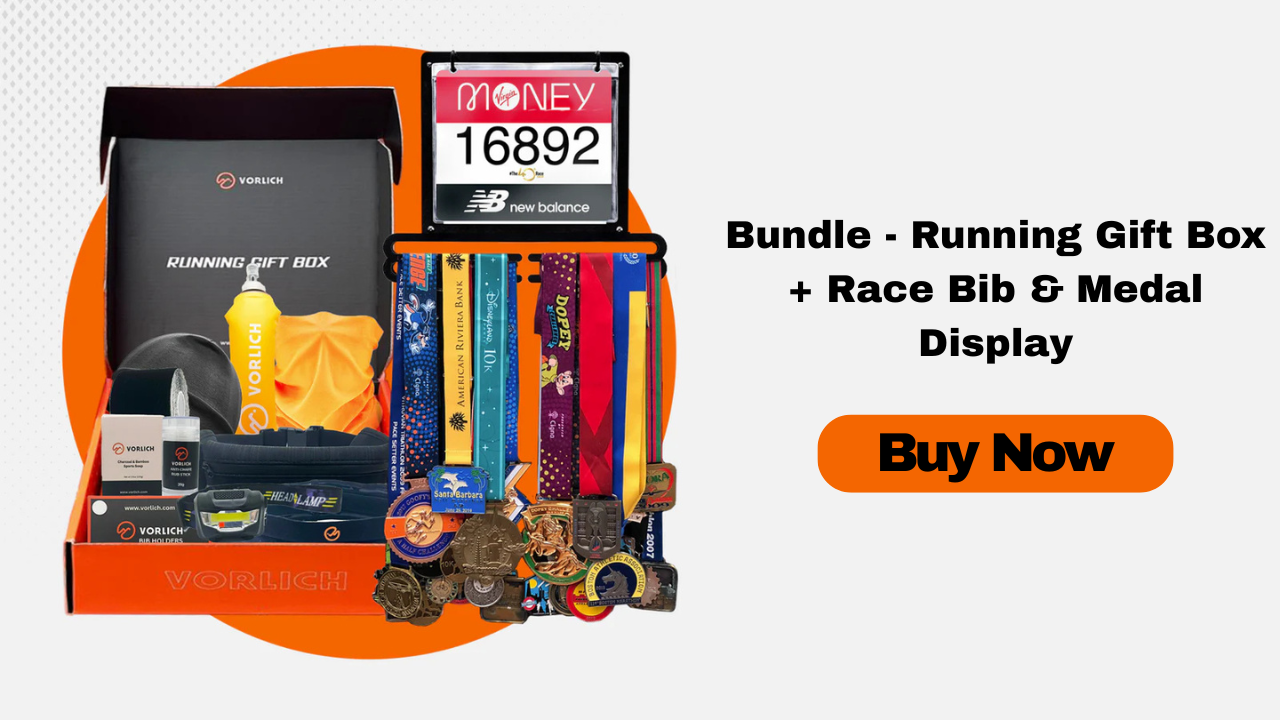
If you like the idea of starting with a curated set of useful items, a bundle like the Vorlich Running Gift Box can be a practical way to get several essential accessories at once, especially if you’re buying for a friend or marking the start of your own running journey.
12. Accessories That Support Motivation & Long-Term Progress
Some of the most powerful “accessories” for beginner runners are the ones that help with motivation, mindset, and consistency. They might not sit on your feet or go around your waist, but they’re just as important.
Motivational Accessories & Ideas
- Printed training plan on your wall or fridge.
- Journal or app for logging runs and how they felt.
- Progress photos or notes every few weeks.
- Small rewards for milestones, like your first 5K.
Running doesn’t always feel easy, especially in the early weeks. Learning strategies for celebrating progress when training feels hard helps you stay committed even on those days when motivation is low and your legs feel heavy.
Mindset Accessories: The Intangibles
- A realistic, beginner-friendly plan.
- Acceptance that slow is okay and walking breaks are normal.
- Understanding that consistency matters far more than speed at this stage.
For structured guidance that fits with your new accessories and routine, articles like how to run longer without stopping as a beginner can help you connect your gear choices with smart training habits.
Beginner Runner Accessory Checklist
Use this checklist to build your own essential running accessory kit. You don’t need everything on day one—start with the basics and add items as your running develops.
Must-Have Essentials
- ✔ Proper running shoes.
- ✔ Moisture-wicking running socks.
- ✔ Breathable top and shorts/tights.
- ✔ Sports bra (if needed).
Highly Recommended Early Additions
- ✔ Anti-chafe stick for common friction zones.
- ✔ Simple running belt or secure pocket for phone/keys.
- ✔ Reflective elements (vest, bands, or clothing).
Nice-to-Have, Add as You Go
- ✔ Folding or handheld water bottle.
- ✔ Gloves, hat, or cap for weather-specific comfort.
- ✔ Lightweight jacket for wind or light rain.
- ✔ Foam roller or massage tools for recovery.
- ✔ Basic watch or GPS tracker.
Final Thoughts: Start Simple, Stay Consistent
As a beginner runner, you don’t need the most advanced smartwatch or a closet full of performance gear. Focus on comfort, safety, and simplicity. Start with well-fitting shoes, good socks, breathable clothing, and a few smart accessories like anti-chafe protection, a way to carry your essentials, and basic visibility gear.
From there, build gradually. Add hydration solutions as your runs get longer. Introduce basic tracking to see your progress. Use recovery tools to keep your body happy. Most importantly, remember that no accessory can replace consistency—but the right ones make consistency much easier and far more enjoyable.
With a thoughtful selection of essential running accessories, you’ll be set up not just to start running, but to keep running, feeling stronger and more confident week after week.