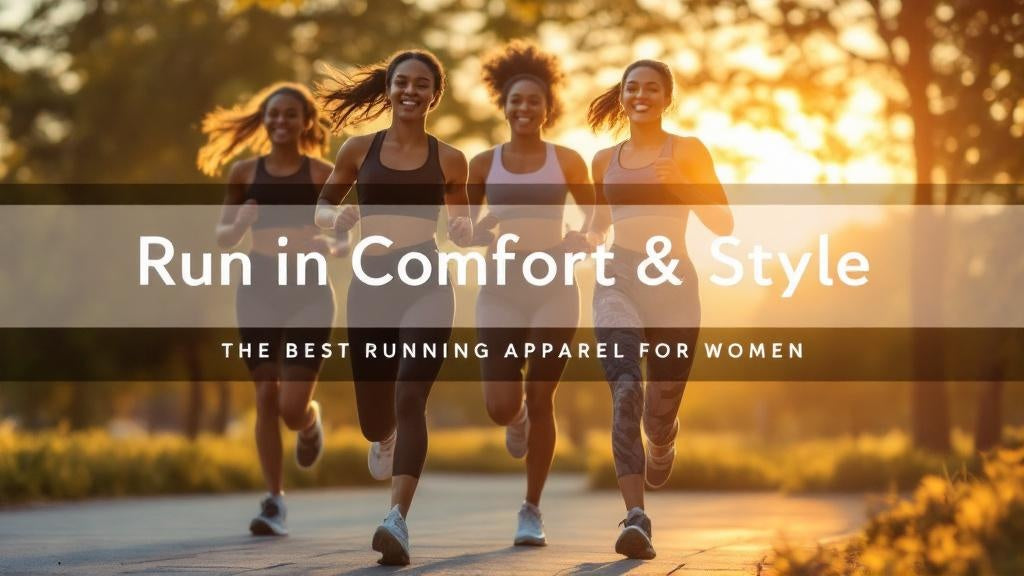
Finding the best running apparel for women is about much more than looking good in your race photos. The right gear keeps you comfortable, prevents chafing, regulates your body temperature, and supports your performance on every run—from your first 5K to your next marathon. This detailed guide breaks down everything you need to know about women’s running clothes, from sports bras and leggings to weather-specific layers, so you can build a wardrobe that’s both functional and stylish. Whether you’re a beginner or a seasoned runner, you’ll learn how to choose running outfits that fit your body, match your goals, and help you feel confident every time you lace up.
Why Running Apparel Matters for Women
Women’s bodies have specific needs when it comes to running apparel. Ill-fitting gear can cause discomfort, limit your movement, and even lead to injuries or skin irritation. Investing in the right women’s running clothes can make every run feel easier and more enjoyable.
- Support: Proper sports bras and leggings provide targeted support, reducing bounce and muscle fatigue.
- Comfort: Technical fabrics help manage sweat, prevent chafing, and keep you dry.
- Safety: Bright colors and reflective details improve visibility in low light.
- Confidence: When you feel good in your running outfit, you’re more likely to stay consistent with your training.
Comfortable apparel also supports long-term training consistency. Paired with smart fueling strategies like those in best energy gels and snacks for runners and triathletes, the right gear helps you perform your best in both training and races.
Key Features of High-Quality Women’s Running Gear
Before diving into specific garments, it helps to understand what makes running apparel truly high-performing.
- Moisture-wicking fabric: Draws sweat away from your skin so you stay dry and avoid that heavy, sticky feeling.
- Breathability: Mesh panels and lightweight fabrics help with airflow, especially in high-sweat areas.
- Quick-drying materials: Essential for runs in unpredictable weather and for reducing chills post-run.
- Flatlock seams: Minimize friction and reduce the risk of chafing on long-distance runs.
- Four-way stretch: Follows your movement without restriction, especially important in tights and sports bras.
- Odor resistance: Some fabrics incorporate anti-odor technology to keep gear fresh longer.
- Reflective details: Logos, strips, or patterns that catch light make you more visible to drivers and cyclists.
- UPF protection: For sunny climates, UPF-rated shirts and leggings add an extra layer of skin protection.
Sports Bras: How to Find the Perfect Support
A high-quality sports bra is non-negotiable for women who run. Running is a high-impact activity, and the wrong bra can lead to discomfort, pain, and even long-term tissue damage.
Types of Sports Bras for Running
- Compression bras: Press the breasts against the chest wall to limit movement; best for smaller cup sizes or low-to-medium impact runs.
- Encapsulation bras: Each breast has its own cup; ideal for medium to large cup sizes and longer, higher-impact runs.
- Hybrid bras: Combine compression and encapsulation for maximum support.
How to Choose the Right Sports Bra
- Measure your size regularly: Breast size can change with weight fluctuation, hormones, and training. Re-check your size at least once a year.
- Check the band: The band should be snug but not painful. It provides the majority of support, not the straps.
- Test the straps: Adjustable straps help you fine-tune support and prevent slipping.
- Look for wide straps and underband: These distribute pressure more evenly for all-day comfort.
- Perform the “jump test”: Before buying, jump or jog in place to see how much movement the bra allows.
Features to Look For in Running Sports Bras
- Moisture-wicking, breathable fabric to keep sweat from causing irritation.
- Soft, covered seams to avoid underarm or band chafing.
- Hook-and-eye closures for customizable fit and easier removal after sweaty runs.
- Racerback or cross-back designs for stable support and freedom of movement in the shoulders.
Running Tops: Tanks, T-Shirts, and Long Sleeves
Your running top does more than cover you—it plays a major role in temperature regulation and comfort. Choosing the right top depends on your climate, body temperature, and personal preference for coverage.
Types of Women’s Running Tops
- Tanks and singlets: Ideal for hot-weather runs, speed sessions, and races.
- Short-sleeve shirts: Versatile, great for mild weather and layering.
- Long-sleeve tops: Provide extra warmth, often with thumbholes for hand coverage.
- Half-zip tops: Let you adjust ventilation easily mid-run.
What to Look for in Running Tops
- Technical fabrics only: Avoid cotton, which holds sweat and can cause chafing.
- Mesh panels: Around the back, underarms, or chest for added breathability.
- Comfortable neckline: Not too tight around the throat and not too loose to cause distraction.
- Length and hem style: Longer hems and dropped backs offer better coverage when you move.
- Reflective accents: Especially if you run early in the morning or late in the evening.
Shorts, Tights, and Leggings: Choosing the Right Bottoms
The best women’s running bottoms combine mobility, coverage, and support. Your choice will depend on weather conditions, distance, and your comfort level.
Running Shorts for Women
- Traditional running shorts: Lightweight, often with side slits for freedom of movement.
- Split shorts: Designed for speed and racing, with a deeper side split.
- Compression shorts / bike shorts: Fitted, reduce chafing, and offer more coverage.
- 2-in-1 shorts: Combine a fitted inner short with a looser outer layer for modesty and support.
Key features to consider:
- Inseam length: Shorter for speed; longer for anti-chafe and more coverage.
- Waistband: Wide, soft waistbands are more comfortable and less likely to dig in.
- Pockets: Look for zippered pockets for keys, cards, or gels.
- Inner briefs or liners: Many shorts include moisture-wicking liners to replace underwear.
Running Tights and Leggings
Running leggings for women are ideal for cooler weather and longer distances. They offer gentle compression and can help reduce muscle fatigue.
- Full-length tights: Best for cold conditions and early morning runs.
- 7/8 or capri leggings: Good for transitional seasons and indoor treadmill runs.
- Thermal or fleece-lined tights: Designed for winter and very cold climates.
Important details:
- No-slip waistband: A high-rise, wide waistband stays in place without rolling down.
- Seam placement: Strategically placed seams prevent chafing in inner-thigh and waistband areas.
- Pockets: Thigh or back pockets are invaluable for phones, gels, or small essentials.
- Opacity: Make sure leggings are squat-proof and not see-through in bright light.
Underwear and Socks: The Unsung Heroes of Comfort
Many runners focus on shoes and shorts but overlook running-specific underwear and socks. These pieces can dramatically reduce blisters, chafing, and irritation.
Running Underwear for Women
- Moisture-wicking fabric: Keeps your skin dry and reduces friction.
- Seamless or flat-seam designs: Avoid bulky seams that can rub during long runs.
- Cut and style: Briefs, hipsters, and boyshorts all work—choose what feels secure and comfortable.
- No cotton: Cotton traps moisture and increases the risk of chafing and infection.
Running Socks
- Technical fibers: Look for synthetic or merino wool blends that wick moisture.
- Cushioning: Light to medium cushioning in the heel and forefoot to prevent blisters.
- Anatomical fit: Left/right-specific socks often fit more precisely.
- Height: No-show, ankle, or crew depending on shoe style and preference.
- Compression options: Some runners like light compression socks or sleeves for calf support.
If you often struggle with foot soreness after longer runs, pairing the right socks with knowledge from resources like how to treat sore feet from long-distance running can significantly improve comfort and recovery. (Best women’s running gear)
Outer Layers, Jackets, and Vests for Any Weather
Outer layers protect you from wind, rain, and cold. Choosing the right jacket or vest keeps you warm without overheating.
Types of Running Outerwear
- Windbreakers: Ultra-light jackets that block wind and offer light rain resistance.
- Water-resistant jackets: Ideal for drizzle and short showers.
- Waterproof jackets: Best for heavy rain and long-distance training in wet conditions.
- Insulated jackets: For very cold, dry climates and low-intensity runs.
- Running vests: Keep your core warm while allowing your arms to move freely and stay cooler.
Features to Prioritize
- Ventilation: Back vents, underarm zips, or breathable panels prevent overheating.
- Packability: Some jackets fold into their own pocket, perfect for variable weather.
- Adjustable hems and hoods: Keep out wind and rain more effectively.
- Reflective elements: A must if you run in the dark or low-light conditions.
If you frequently run in wet weather, consider layering your apparel with specialized accessories. For more ideas, you can explore products similar to those highlighted in top accessories for women who love running in the rain.
Seasonal Running Outfits: How to Dress for Every Climate
Dressing correctly for the weather keeps you safe and comfortable. Use these guidelines to build seasonal running outfits for women.

Hot Weather Running
- Lightweight tanks or crop tops in moisture-wicking fabrics.
- Breathable shorts or thin, light capri leggings.
- Light-colored apparel to reflect the sun.
- ventilated hats or visors and UV-protective sunglasses.
Tips: Hydrate well, avoid the hottest hours of the day, and consider fabrics with UPF for extra sun safety.
Cold Weather Running
- Base layer: Moisture-wicking long-sleeve top.
- Mid-layer: Light fleece or thermal top for insulation.
- Outer layer: Windproof or water-resistant jacket when needed.
- Bottoms: Thermal tights or leggings.
- Accessories: Gloves, headbands, hats, and wool-blend socks.
Transitional Seasons (Spring and Fall)
- Layering is key: Short-sleeve shirt plus a light jacket or vest.
- Capris or 7/8 tights to balance warmth and breathability.
- Removable accessories: Buffs, headbands, and lightweight gloves.
Stylish Details: How to Look Good While You Run
Comfort and performance come first, but you can absolutely build stylish running outfits for women that reflect your personality.
Color and Pattern Choices
- Bold colors and prints: Make you more visible and add fun to your runs.
- Neutral basics: Black, navy, and gray bottoms pair with any top.
- Color-coordinated sets: Matching bras and leggings create a polished look.
Flattering Fits
- High-rise leggings: Offer support, coverage, and a smooth silhouette.
- Shaped seams and panels: Can visually contour the body without sacrificing function.
- Length options: Crop tops, longer tanks, and tunic-length tops for varied coverage.
Apparel and Performance: How Clothing Affects Your Run
The right running apparel does more than feel good—it can actively help your running performance.
- Compression leggings and shorts: May help reduce muscle vibration and post-run soreness.
- Lightweight fabrics: Reduce overall load, especially important for long-distance races.
- Minimal chafing: Less discomfort allows you to focus fully on your pace and form.
- Smart layering: Keeps your core temperature more stable in changing conditions.
For longer races, combining performance-focused apparel with tools like the options discussed in top running watches for half marathoners can help you track pace, heart rate, and distance more effectively.
Fit, Sizing, and Body Positivity in Women’s Running Gear
Every woman’s body is different, and your best running apparel should respect that. The goal is a fit that supports you, not one that forces you into a size or shape that doesn’t feel right. (What to wear running)
How to Find the Right Fit
- Check size charts: Measure bust, waist, hips, and inseam and compare with the brand’s guide.
- Read reviews: Other runners often share whether an item runs small, large, or true to size.
- Test the range of motion: Squat, lunge, and twist to see if anything digs, shifts, or slips.
- Check for transparency: Try the “bend test” for leggings to ensure they’re opaque.
Body-Positive Approach
- Prioritize comfort over labels: The number on the tag doesn’t matter; how you feel in the gear does.
- Choose styles that make you feel confident: More coverage or less, bright prints or subtle tones—do what works for you.
- Focus on performance, not appearance: Your clothing should support your health, strength, and goals.
Care and Maintenance: How to Make Running Apparel Last
High-quality women’s running clothing is an investment. Proper care helps your gear maintain its shape, stretch, and technical properties.
Laundry Tips
- Wash in cold water: Protects fabric, color, and elasticity.
- Use gentle detergent: Avoid fabric softeners; they can clog moisture-wicking fibers.
- Wash inside out: Reduces pilling and protects reflective details.
- Air dry when possible: High heat breaks down elastic over time.
Storage Tips
- Fully dry before storing: Prevents mildew and odor buildup.
- Fold, don’t hang heavy leggings: Hanging can stretch out waistbands.
- Rotate gear: Give bras, tights, and shoes a rest day to recover their shape.
Sustainable and Eco-Friendly Running Apparel
Many brands now offer eco-friendly running apparel for women that balances performance with environmental responsibility.
- Recycled fabrics: Polyester or nylon made from recycled bottles or fishing nets.
- Bluesign or OEKO-TEX certifications: Indicate safer, more responsible production.
- Durability: High-quality, long-lasting gear reduces waste.
- Timeless designs: Classic cuts and colors that you’ll wear for years.
Must-Have Accessories to Complete Your Running Outfit
Accessories can make your women’s running outfits more practical, comfortable, and safe.
Essential Running Accessories
- Running belt or waist pack: For keys, phone, and small items.
- Arm sleeves: Add warmth without needing a full extra layer.
- Hats, visors, and headbands: Protect from sun, sweat, and cold.
- Gloves: Lightweight or thermal depending on temperature.
- Hydration options: Handheld bottles, waist belts, or vests for longer runs.
Safety Accessories
- Reflective vests or bands: Essential for dark or low-light conditions.
- Clip-on lights: Help drivers see you from a distance.
- ID tags or bracelets: Important for emergencies.
Sample Outfits for Different Types of Runs
Use these example outfits as inspiration when building your own running wardrobe.
Easy Daily Run (Mild Weather)
- Moisture-wicking short-sleeve top
- Mid-rise running shorts with inner brief
- High-support sports bra
- Technical running socks
- Lightweight running shoes
Long-Distance Training Run (Cool Weather)
- Long-sleeve base-layer top
- Lightweight running vest
- High-rise running leggings with pockets
- Medium-cushion running socks
- Headband and light gloves if needed
Speed Workout or Track Session (Warm Weather)
- Breathable tank or crop top
- Compression or split shorts
- Supportive sports bra with strong encapsulation
- Light, responsive running shoes
Rainy Day Run
- Quick-dry short-sleeve or long-sleeve top
- Light, water-resistant running jacket
- Capris or full-length tights
- Hat with brim to keep rain off your face
- Technical socks that dry quickly
Common Mistakes to Avoid When Buying Running Apparel
Avoid these frequent errors when shopping for women’s running apparel so you can get more value from your gear.
- Choosing cotton over technical fabrics: Cotton absorbs sweat and increases chafing.
- Ignoring the sports bra: Skimping on support can lead to pain and long-term discomfort.
- Focusing only on appearance: Style is great, but fit and performance matter more.
- Buying too tight for “compression”: True compression should support, not restrict breathing or movement.
- Skipping reflective features: Especially dangerous if you run before sunrise or after sunset.
- Not testing clothing before race day: Always do a test run in any new gear before an event.
Final Thoughts: Building Your Perfect Running Wardrobe
The best running apparel for women is gear that fits your body, matches your climate, and supports your training goals. Start with essentials—sports bras, tops, shorts or leggings, socks, and a reliable jacket—then add pieces based on your preferences for style, coverage, and performance features.
Think of your wardrobe as a long-term investment in your comfort and consistency. The more comfortable you are on the run, the easier it is to show up day after day, even after a setback. When challenges arise, pairing smart apparel choices with strategies like those outlined in injury recovery: how to return to training after a setback can help you stay on track.
By choosing moisture-wicking, supportive, and stylish running clothes, you create an environment where your body can perform its best and your mind can stay focused on the joy of running. Over time, you’ll discover which cuts, fabrics, and brands feel best for you—allowing you to build a running wardrobe that’s as unique and powerful as you are.
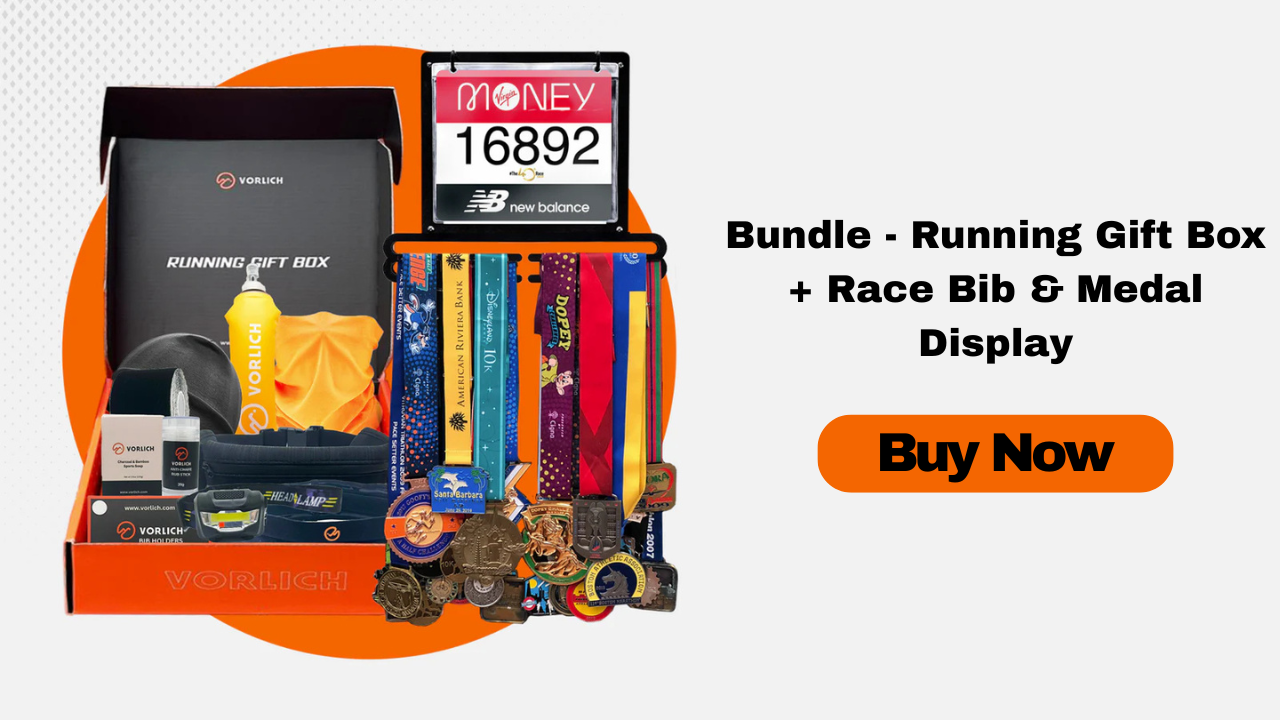
Anti-Chafing Stick — Plant-Based Glide
The Vorlich Anti-Chafing Stick is a solid balm applied directly to skin to prevent friction.