

Why Simpler Gear Helps Build Better Habits
Building a consistent running routine is less about buying the fanciest gadgets and more about eliminating friction. The less you have to think about your gear, the easier it is to lace up and go. In other words, simpler running gear helps build better habits because it streamlines decisions, reduces stress, and keeps you focused on the one thing that actually matters: showing up for your run.
Why Simple Gear Builds Stronger Habits
When runners talk about “consistency,” they often focus on the training plan, the perfect shoes, or the best GPS watch. But underneath all of that is something quieter and more powerful: habit design. The easier it is to start a run, the more likely you are to repeat it—day after day, week after week.
Simpler gear supports that process because it:
- Reduces decision fatigue – fewer choices, less hesitation.
- Cuts setup time – you can get out the door in minutes.
- Limits distractions – less fiddling with tech, more focus on running form and breathing.
- Supports repeatable routines – same simple setup every time builds strong cues.
If your goal is to build a durable running habit, prioritizing simple, reliable, and comfortable gear will help far more than chasing every new gadget.
The Psychology Behind Simple Running Gear
Running habits don’t just fail because you’re “not motivated.” They often fail because the process from intention (“I should run”) to action (“I’m on the road”) is too complicated. Your gear either clears that path or clutters it.
Decision fatigue and overthinking
Every extra decision you make before a run—Which shoes? Which socks? Which watch screen?—is another chance to delay or skip. This is closely related to what psychologists call analysis paralysis, where overthinking leads to inaction.
Simple gear reduces this by creating default choices:
- One main pair of daily running shoes.
- One standard outfit for most weather conditions.
- One basic system to carry keys, phone, and hydration.
With fewer decisions, you’re less likely to talk yourself out of the run.
Small habits, big impact
Behaviour researchers emphasize that tiny, repeatable actions matter more than heroic efforts. Approaches like the Tiny Habits method show how starting small and removing friction leads to long-term consistency.
In running, that means:
- Laying out simple gear the night before.
- Wearing the same comfortable belt or shorts with pockets every weekday.
- Running the same short loop at first, instead of obsessing over the “perfect” route.
Simple gear turns “going for a run” from a project into a near-automatic routine.
Environment and habit building
Your environment heavily influences your behaviour. When your gear is scattered, complicated, or hard to access, running feels harder before you even start. Thoughtful environment design can make running feel like the path of least resistance.
When your gear is:
- Visible (shoes by the door)
- Organized (belt, socks, and shorts together)
- Predictable (you always know what you’ll wear)
…your brain receives a clear signal: “Now we run.”
How Complex Gear Creates Friction and Derails Consistency
More gear is not always better. In fact, gear that is too complex can quietly sabotage your running habit, even if it looks “serious” or “advanced.”
Warning signs your gear is too complex
- You delay runs because you need to charge a watch or headphones.
- You keep changing apps, watches, or shoes, chasing a better setup.
- You spend more time tweaking gear than planning your actual training.
- You feel guilty if you can’t track a run “perfectly,” so you skip it.
Common friction points
- Charging and syncing – Watches, earbuds, lights, and phones all needing power can turn a simple run into a tech maintenance routine.
- Too many choices – Multiple pairs of shoes, several belts or vests, and a drawer full of tops make it harder to choose and get out the door.
- Uncomfortable or fussy gear – If your belt bounces, your watch chafes, or your shoes need special lacing, you add micro-annoyances that your brain will try to avoid next time.
- Data obsession – Constantly checking pace, heart rate, or segments can create stress rather than enjoyment, especially for newer runners.
The habit cost of gear problems
Every time something goes wrong with your gear—dead battery, lost item, painful chafing—your brain stores a small negative memory associated with running. Over time, those negative experiences add up, and running starts to feel like hassle instead of relief.
Simple, well-chosen gear reduces these “habit taxes” so your brain remembers the good parts: the fresh air, the progress, and the sense of accomplishment.
Core Principles of Simple Running Gear
Choosing simpler gear does not mean choosing worse gear. It means choosing fewer, higher-impact items that reliably support your running habit.
1. Comfort over features
The most important quality of any running gear is comfort. If it feels good, you’ll wear it often. If it doesn’t, you’ll avoid it.
- Running shoes: prioritize fit and comfort above brand or marketing terms.
- Clothing: soft, moisture-wicking, no rubbing seams.
- Belts or packs: stable, low bounce, easy to fasten.
2. Reliability over novelty
New features are appealing, but a habit thrives on predictability. Look for gear that is:
- Durable and easy to maintain.
- Quick to put on and adjust.
- Simple to clean and store.
A single reliable running belt or a go-to pair of shoes that always feel right is worth far more than a drawer of complicated, rarely used gadgets. For a practical overview of simple, comfort-focused options, see Running Gear Essentials for Comfortable Daily Runs.
3. Versatility over specialization
Most runners don’t need different gear for every kind of run. A few versatile pieces can cover most conditions and reduce clutter.
- Daily trainer shoes that handle easy runs, long runs, and light tempo work.
- One light, packable layer for cool weather.
- A belt that can carry your phone, keys, and maybe a small gel.
4. Minimal decisions
Your gear setup should answer questions before they arise:
- “What will I wear?” – You already know.
- “Where is my gear?” – Always in the same spot.
- “How do I carry my phone and keys?” – One standard solution, every time.
When you design your setup this way, putting on gear becomes as automatic as brushing your teeth.
Minimal Gear Checklist for Consistent Running Habits
If you want to simplify, start with a minimal setup that supports comfort, safety, and convenience. From there, add only what truly earns its place.
Essential gear for most runners
-
Running shoes (1–2 pairs)
- 1 primary pair of comfortable daily trainers.
- Optional: 1 secondary pair for rotation or different terrain.
-
Moisture-wicking clothing
- 2–4 running tops (season-appropriate).
- 2–4 pairs of shorts or tights with usable pockets.
- Sports bras that are comfortable and supportive (for women).
-
Simple carrying solution
- A secure running belt or shorts with reliable pockets.
- Room for phone, keys, ID, and small cash or card.
-
Weather protection
- Light, breathable jacket for wind or light rain.
- Cap or headband for sun or cold.
The role of a simple running belt
One of the easiest ways to simplify your setup is to use a basic, comfortable running belt instead of juggling pockets and armbands. For beginners especially, knowing exactly how you’ll carry essentials removes a surprising amount of pre-run stress. If you’re unsure what to look for, this guide on how to choose the right running belt as a beginner walks through key features without overwhelming you.
Nice-to-have (but not required) extras
These can be helpful, but they are not prerequisites for building a running habit:
- GPS watch (your phone app is enough to start).
- Wireless headphones (optional, especially early on).
- Special racing shoes (not needed until you race regularly).
- Advanced hydration vests (unless you’re doing long trail or ultra distances).
Ask a simple question before buying: “Will this make it significantly easier to run more often?” If not, you can probably skip it for now.

Designing Your Environment for Effortless Runs
Simple gear is powerful, but combining it with thoughtful environment design turns your home into a habit-supporting system.
Set up a “ready-to-run” station
Create a small, dedicated space where everything you need for a run lives together. For example:
- Shoes on a mat by the door.
- Running belt hanging on a hook above them.
- Socks, shorts, and top in a single drawer or basket nearby.
- Keys and ID in the same small bowl every time.
The goal: when you decide to run, you move to one place, grab one bundle of gear, and leave.
Use visual cues
Make your running gear visible at times you’re likely to run:
- Lay out your entire outfit the night before morning runs.
- Place your shoes next to your bed or by the bathroom door.
- Keep your belt or watch where you will literally bump into it.
These cues act as silent reminders and reduce the chance that your running habit gets lost in a busy day.
Protect your progress symbols
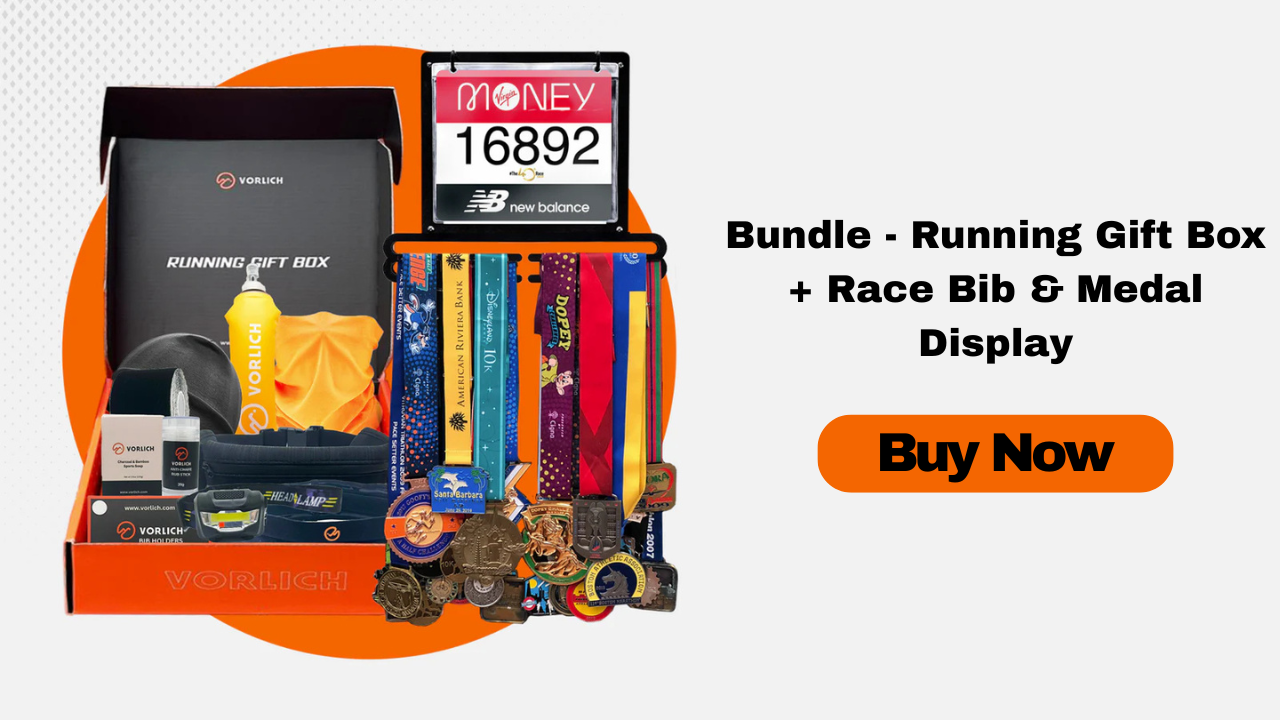
Simple gear isn’t just what you wear—it also includes how you store and display your progress. Race bibs and medals can powerfully reinforce your identity as “a runner,” which in turn strengthens your habit.
To keep those mementos safe without cluttering your space, consider methods that protect them from wear and fading. This guide on how to store race bibs and medals without damage offers practical, minimalistic storage ideas that preserve your achievements and keep your environment clean and motivating.
Simple Systems for Better Running Habits
Gear supports your habit best when it’s part of a simple system, not a random collection of items. A well-designed system is predictable, low-friction, and easy to repeat.
1. The “out-and-back” habit system
- Use the same gear setup every weekday run.
- Run the same simple route (for example, 10–20 minutes out, then back).
- Ignore pace the first few weeks; focus on consistency only.
- Use a minimal tracking method (phone app, or even a paper log).
This system works because there are very few variable decisions. You know what you wear, where you go, and how long you’ll be out.
2. The “habit trigger” clothing system
Design your gear to act as a cue:
- Pick a specific top or pair of shorts as your “run signal.”
- As soon as you put them on, the decision to run is considered made.
- No debates; the clothes are the trigger.
Over time, just seeing or touching that gear will mentally prepare you to move.
3. The “one-touch” gear rule
Adopt a simple rule for storage and prep:
- After a run, wash or hang your gear immediately.
- Return it to your running station in one step.
- Aim for zero stray items around the house.
By always returning gear to the same place, you avoid last-minute searches that can derail your run before it starts.
When to Upgrade Gear—Without Breaking Your Habits
Eventually, you may want more specialized or premium gear. The key is to protect your hard-earned habits while upgrading.
Good reasons to upgrade
- You’ve outgrown your current distances (for example, moving from 5K to half marathon).
- Your shoes are worn out and causing discomfort.
- Your climate changes with seasons and you genuinely need different layers.
- You want gear that enhances comfort (not ego).
How to upgrade without adding complexity
- Replace items one at a time instead of overhauling everything.
- Choose upgrades that fit into your existing system (same storage spot, similar routine).
- Avoid gear that requires complex setup or daily tinkering.
For instance, moving from a basic belt to a slightly more structured but still minimal setup that covers training, commuting, and races is a smart, habit-friendly upgrade. You can see examples of this kind of streamlined approach in Minimal Running Gear That Covers Most Situations.
How Simple Gear Helps Beginners Stick With Running
For new runners, the gear world can be overwhelming. Ads and social media can make it seem like you need a full professional kit just to start. The truth is much simpler: you can begin with very little.
Beginner advantages of simple gear
- Lower cost – You don’t have to invest heavily before you know whether you enjoy running.
- Less pressure – Fewer gadgets means less feeling like you must “perform” every time.
- Clear focus – You can pay attention to breathing, form, and enjoyment rather than pace charts.
- Faster learning – You quickly discover what truly matters for you: where you chafe, how your feet feel, what temperature you prefer.
How to structure your first month with simple gear
- Pick one outfit and one pair of shoes that feel comfortable.
- Choose simple carrying options: belt, pocket, or handheld.
- Run or walk-run for 15–25 minutes, three times per week.
- Log your runs briefly in a notebook or app (distance/time, how you felt).
- After 4 weeks, review: what gear did you actually use, and what stayed in drawers?
This approach keeps your attention on habit formation first. Gear upgrades can come later—once running is already part of your routine.
Common Mistakes Runners Make With Gear and Habits
Even experienced runners fall into gear traps that undermine consistency.
Mistake 1: Confusing buying gear with building habits
It’s satisfying to purchase something new, but owning gear is not the same as showing up to run. Ask yourself:
- “Does this purchase solve a real problem I’ve experienced multiple times?”
- “Will I use this at least once per week?”
Mistake 2: Overcomplicating tracking
Tracking your progress can be motivating, but it doesn’t have to be complex. Many runners get stuck when their tracking systems feel overwhelming. Focus on simple logs and clear trends rather than perfect data. For more on staying engaged without overloading yourself, see Why Tracking Progress Keeps Runners Engaged.
Mistake 3: Buying for “future you” instead of current needs
It’s easy to buy gear for a version of yourself who runs daily, races monthly, and tackles ultras. But your gear should match today’s habits, not an imaginary future. Start small and upgrade when your actual behaviour justifies it.
Mistake 4: Ignoring comfort issues
Minor discomforts—slight chafing, bouncing belts, slipping socks—can quietly erode your motivation. Don’t ignore them:
- Fix one comfort issue at a time.
- Replace the most annoying item first.
- Remember: comfort is a performance tool because it protects your desire to keep running.
Putting It All Together: Build Habits First, Then Optimize
Running consistency doesn’t come from having the most advanced setup. It comes from removing friction, simplifying choices, and building routines that are almost effortless to start.
To recap, simpler gear helps build better habits because it:
- Reduces decision fatigue by giving you default choices.
- Eliminates friction so starting a run feels easy.
- Enhances comfort, making it more pleasant to repeat your routine.
- Supports clear systems for storage, preparation, and tracking.
From here, your best next step is to:
- Audit your current gear: what do you use every week vs. what just creates clutter?
- Create a single, simple running station in your home.
- Commit to one default outfit and gear setup for most runs.
- Run consistently for a few weeks, then adjust based on real experience.
Once your habit feels stable, you can gradually refine your setup with comfort-focused additions—like better socks, a more ergonomic belt, or small accessories that improve specific situations such as early morning runs or rainy days. You’ll find it much easier to judge what’s truly useful when your running habit is already strong and your gear is there to serve it—not the other way around.