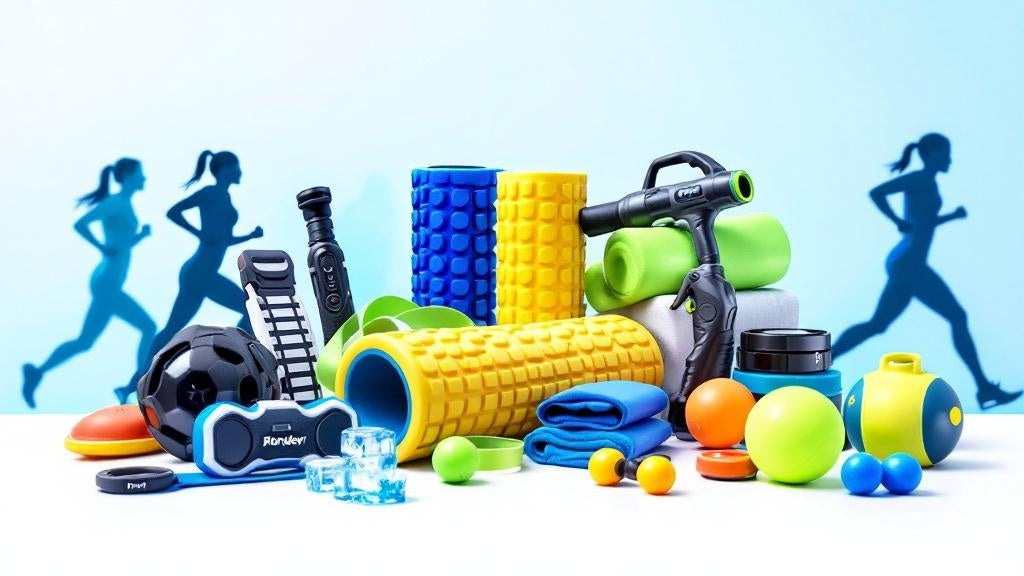
For avid runners, recovery is just as essential as the miles logged during training. To aid in the pursuit of optimal fitness and performance, utilizing effective recovery tools can make a significant difference. In this article, we will delve into some of the best recovery tools for runners, including foam rollers, massage guns, and various others that can help you enhance recovery and boost overall performance.
Foam Rollers
Foam rollers are a **fundamental tool** in every runner's recovery arsenal. By utilizing these cylindrical tools, runners can perform self-myofascial release, which helps to reduce muscle tightness, improve flexibility, and prevent injury.
- Benefits: Increases blood flow, breaks down soft tissue adhesions, and reduces inflammation.
-
Types of Foam Rollers:
- Standard Foam Rollers: Ideal for beginners, providing balanced pressure.
- Textured Foam Rollers: Designed for deeper muscle penetration, perfect for experienced users.
- Vibrating Foam Rollers: Combines vibration therapy with traditional rolling techniques for enhanced recovery.
Massage Guns
Massage guns have transformed the recovery landscape by offering **targeted muscle treatment** through percussive therapy. They improve blood circulation, alleviate muscle soreness, and speed up recovery times.
- Benefits: Accelerates muscle repair, increases range of motion, and reduces lactic acid.
-
Key Features to Consider:
- Speed Settings: Multiple settings allow for customized intensity levels.
- Portability: Lightweight and ergonomically designed for convenient use anywhere.
- Battery Life: Long-lasting battery for uninterrupted sessions.
Compression Gear
Compression gear provides another **layer of support** for runners' recovery. These garments, such as socks or sleeves, apply pressure to promote circulation and reduce muscle swelling.
- Benefits: Enhances venous return, reduces muscle oscillation, and aids in lactate clearance.
-
Common Types:
- Compression Socks: Extend below the knee for improved calf support.
- Compression Sleeves: Offer targeted compression for arms or calves.
- Full Compression Tights: Provide comprehensive support for the entire lower body.
Stretching Tools
Incorporating stretching tools into your routine can significantly **enhance flexibility** and reduce the risk of injury. These tools help in maintaining the elasticity of muscles post-run.
- Benefits: Improves range of motion, prevents stiffness, and promotes relaxation.
-
Popular Tools:
- Stretch Straps: For assisted stretching and improved technique.
- Yoga Blocks: Enhances stretches by providing support and balance.
- Resistance Bands: Adds resistance to stretches for muscle activation.
Ice and Cold Therapy
Ice and cold therapy techniques are frequently used to **minimize muscle pain** and inflammation after intense running sessions. They are simple yet effective recovery methods.
- Benefits: Reduces swelling, numbs pain, and accelerates recovery from minor injuries.
-
Methods:
- Ice Packs: Direct application to sore areas for targeted relief.
- Ice Baths: Full immersion for comprehensive muscle treatment.
- Cryotherapy Chambers: High-tech option for rapid, cold exposure treatment.
Conclusion
To maximize performance and safeguard against injury, incorporating these **recovery tools for runners** into your routine is crucial. Whether it's the deep tissue relief from foam rollers, the convenience of massage guns, or the enduring support provided by compression gear, each tool plays a pivotal role in a runner's recovery strategy. By understanding and consistently applying these methods, runners can enjoy a more sustainable and rewarding running journey.