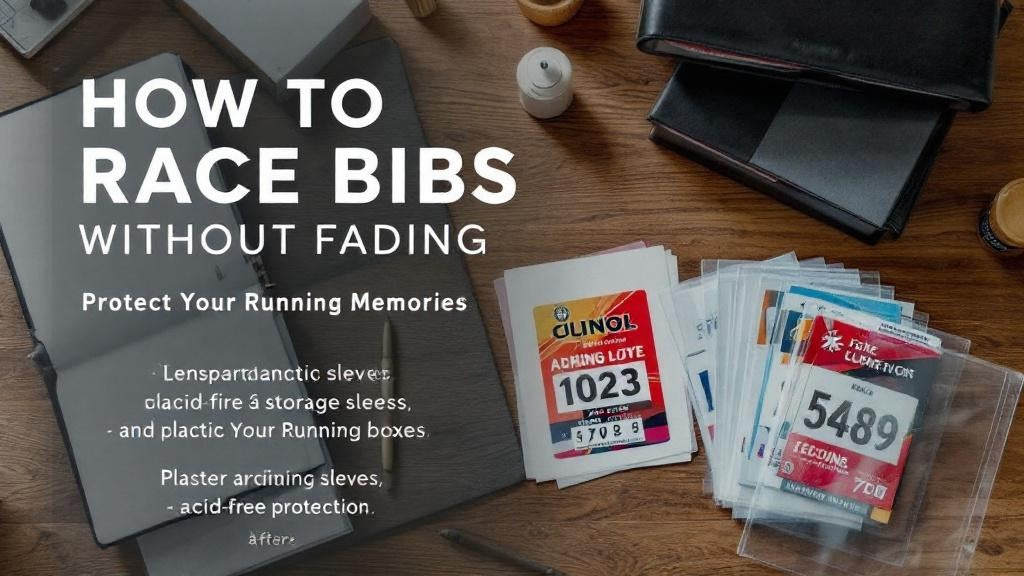
Race bibs are more than just pieces of paper with numbers; they are physical memories of your training, hard work, and race-day emotions. Over time, though, those bibs can yellow, curl, or fade if they’re not stored properly. Learning how to store race bibs without fading helps you protect your running memories, keep them organized, and even turn them into meaningful displays that keep you motivated for future races.
- Why Race Bibs Fade Over Time
- How Bib Materials Affect Storage and Fading
- Step-by-Step: Preparing Race Bibs for Long-Term Storage
- Best Storage Methods to Prevent Fading
- Using Binders and Albums for Race Bib Storage
- How to Display Race Bibs Without Damaging Them
- Environmental Factors That Cause Fading
- Organization Tips: Track Your Races Like a Pro
- Creating a Digital Backup of Your Race Bibs
- Ongoing Maintenance and Routine Checks
- Common Mistakes That Make Bibs Fade Faster
- Summary: A Simple System to Protect Your Race Bib Memories

Why Race Bibs Fade Over Time
To keep race bibs looking sharp for years, it helps to understand why they fade in the first place. Most bibs are not designed as archival keepsakes; they’re meant to survive one race day, not decades of storage. The main reasons your race bibs fade include:
- UV light exposure: Direct sunlight and even strong indoor light can break down inks and dyes.
- Humidity and moisture: Damp conditions cause warping, smudging, mold, and ink bleeding.
- Acidic materials: Non-archival paper, cardboard, and plastic can slowly damage and discolor bibs.
- Heat: High temperatures accelerate chemical reactions that lead to fading and brittleness.
- Friction and handling: Constant rubbing in drawers or boxes wears away ink and creases the corners.
Since every bib is tied to a unique memory—your first 5K, a marathon PR, a comeback race after injury—protecting them is a way to protect your running story. If you want a deeper look at why bibs matter emotionally, this is explored in detail in Why Race Bibs Tell the Story of a Runner’s Journey.
How Bib Materials Affect Storage and Fading
Not all race bibs are created equal. Understanding the material and printing method used helps you choose the best storage option to prevent fading.
-
Paper bibs
- Usually made from lightweight, sometimes coated paper.
- Prone to tearing, creasing, and yellowing.
- Ink may be water-soluble and very sensitive to moisture.
-
Tyvek or synthetic bibs
- More durable, water-resistant, and tear-resistant.
- Less sensitive to casual moisture but still vulnerable to UV light and heat.
- Can sometimes handle more handling and display without damage.
-
Thermal-printed bibs (common at smaller races)
- Numbers or details printed using heat-sensitive thermal paper.
- Very prone to fading when exposed to heat or friction.
- Need cooler, stable environments and gentle handling.
Action step: Before you store a bib, quickly check how it feels. If it’s thin and papery, treat it more delicately. If it’s sturdy and plasticky (like Tyvek), it can handle more display options without fading as quickly—though you still need to protect it from light and heat.
Step-by-Step: Preparing Race Bibs for Long-Term Storage
Before you place race bibs into any long-term storage system, spend a few minutes on proper preparation. This helps slow fading and prevent damage later.
-
Clean gently, if needed
- Remove mud or dried sweat using a soft, dry cloth or a barely damp microfiber cloth.
- Avoid scrubbing directly over printed numbers, logos, or handwritten notes.
- Never soak bibs in water—this can cause ink to run and the paper to warp.
-
Flatten the bib
- Place the bib between two sheets of clean, plain paper.
- Put it under a heavy book or flat object for 24–48 hours.
- This reduces creases so the bib sits better in sleeves or albums.
-
Remove pins and timing chips
- Take off safety pins to avoid rust marks or indentations.
- Detach timing chips or tags; store them separately if you want to keep them.
- Check for any tape, race-day stickers, or adhesives that may degrade over time.
-
Let bibs dry fully
- If the race was rainy or sweaty, allow bibs to air dry completely before storage.
- Keep them out of direct sunlight while drying.
-
Document race details
- On the back of the bib, use a non-acidic, archival pen to note:
- Race name and distance
- Date and location
- Finish time and any personal notes or milestones
- Adding this context helps you track progress over time, especially if you pair your bib storage with progress habits like those in Why Runners Value Small Wins and Progress Tracking.
- On the back of the bib, use a non-acidic, archival pen to note:
Best Storage Methods to Prevent Fading
Once your bibs are prepped, you need a storage system that shields them from light, moisture, and friction. These are the most effective options to keep colors sharp and details readable for years.
-
Archival storage boxes
- Use acid-free, lignin-free boxes designed for photos, documents, or art.
- Place each bib in an individual protective sleeve (archival, non-PVC) to avoid rubbing and ink transfer.
- Store the box in a cool, dry, dark place—like a closet away from heaters and windows.
-
Protective plastic sleeves
- Look for archival quality, PVC-free sleeves—these are less likely to react with inks.
- Choose sizes that fit your most common bib dimensions without folding.
- Slide only one bib per sleeve to prevent two bibs sticking together.
-
Dedicated race bib display & storage systems
- Some products are specifically designed to protect and display bibs and medals at the same time.
- For example, the Vorlich Medal Display offers a way to hang medals while keeping bibs organized, protected, and visible.
- Using a purpose-built system can reduce handling and exposure to light.
Whichever method you choose, the key is consistency: store all your bibs in a similar, stable environment to avoid uneven fading and damage.
Using Binders and Albums for Race Bib Storage
A popular and practical method for preventing race bib fading is using binders or albums. This keeps your bib collection easy to flip through—like a running scrapbook—while offering good protection from the elements.
-
Choose the right binder or album
- Look for a sturdy binder or album with rings that turn smoothly.
- Use page protectors that are archival, acid-free, and PVC-free.
- Consider a size that fits common race bib dimensions without folding corners.
-
Use specialized display sheets
- Products like Vorlich Display Sheets are designed specifically to fit race bibs securely.
- They help reduce movement, friction, and direct handling, which can cause fading.
- Some sheets can also accommodate multiple bib sizes or include spaces for notes.
-
Arrange bibs chronologically or by distance
- Organize by year, distance (5K, 10K, half marathon, marathon), or PRs.
- Label sections with simple tabs so you can quickly find specific races.
- This organization pairs well with training logs and race plans, such as the guidance in How to Prepare for Race Day Using a Training Plan.
-
Store binders correctly
- Keep them upright on a shelf to prevent warping.
- Make sure the shelf is away from radiators, windows, and damp areas.
- Use slipcases or boxes if you want extra protection from dust and light.
How to Display Race Bibs Without Damaging Them
You don’t have to hide your race bibs to protect them from fading. With the right approach, you can display bibs and medals while keeping them safe.

-
Use UV-protective frames
- Choose frames with UV-filtering glass or acrylic to reduce light damage.
- Mount bibs using photo corners or archival sleeves instead of glue or tape.
- Hang frames on walls that don’t get direct sunlight.
-
Wall-mounted medal and bib displays
- Dedicated displays keep medals and bibs together, turning your wall into a visual race log.
- Systems like the Vorlich Display Bundle combine a sturdy medal rack with extra display sheets for bibs, helping reduce handling and exposure.
- Position displays away from windows and in rooms with stable temperature.
-
Rotating displays
- Instead of leaving the same bibs on display for years, rotate them every few months.
- Store the rest in dark albums or boxes to minimize long-term light exposure.
- This keeps your display fresh and cuts down on cumulative UV damage.
-
Combine creative displays with protection
- Think of shadow boxes, collages, or themed walls that show key races only.
- For more creative inspiration, see ideas in Creative Ways to Display Running Medals and Bibs.
Environmental Factors That Cause Fading
Even the best storage solutions can fail if they’re kept in the wrong environment. Controlling the storage conditions around your race bibs is just as important as the sleeves or binders you choose.
-
Light
- Keep stored bibs in dark or low-light areas.
- Avoid windows, skylights, or very bright artificial lighting.
- If using clear boxes or binders, don’t leave them out on sunny desks or tables.
-
Temperature
- Ideal range: cool to moderate room temperature.
- Avoid attics, garages, and basements with extreme temperature swings.
- Never store bibs near heaters, radiators, or vents.
-
Humidity
- Target relative humidity: around 30–50% if possible.
- Use silica gel packs in boxes or storage containers to absorb moisture.
- Don’t store bibs where you notice mold, damp smells, or condensation.
-
Air quality and dust
- Keep bibs in closed boxes, binders, or sleeves, not loose on shelves.
- Dust carries small particles that can scratch and wear away ink over time.
Organization Tips: Track Your Races Like a Pro
Good storage is about more than preventing fading—it’s also about creating a system that helps you revisit your running journey. Organized bibs can motivate you, highlight progress, and even guide future training decisions.
-
Sort by race distance
- Keep separate sections or albums for:
- 5Ks and fun runs
- 10Ks
- Half marathons
- Marathons and ultra events
- This makes it easy to see how you’ve improved within a specific distance.
- Keep separate sections or albums for:
-
Sort by year or season
- Label each year and file races in chronological order.
- Include a small summary note at the start of each year with your:
- Number of races
- PRs achieved
- Major training focus (e.g., first marathon, speed, consistency)
-
Link bibs to training notes
- Include a printed or handwritten race recap behind each bib.
- Note how your training plan went, what worked, and what you’d change next time.
- This can complement structured plans—if you’re moving from collecting bibs from fun runs to more serious goals, resources like Simple 5K Training Plan for Beginner Runners can help you connect your memories to future performances.
-
Use labels or index pages
- Create an index at the front of your binder listing:
- Race name and date
- Distance
- Finish time
- Page number or sleeve location
- This turns your bib collection into a functional race archive.
- Create an index at the front of your binder listing:
Creating a Digital Backup of Your Race Bibs
Even with the best physical storage, accidents happen. To truly protect your race memories, create a digital archive of every bib. This also helps preserve details if the physical ink fades slightly over decades.
-
Scan or photograph each bib
- Use a scanner for the highest quality, or take clear, well-lit photos.
- Capture both the front and the back (especially if you’ve written race notes).
- Avoid glare and shadows by using indirect natural light or soft indoor lighting.
-
Organize digital files
- Use a simple naming convention, such as:
YYYY-MM-DD_RaceName_Distance_Time.jpg. - Create folders by year or distance to mirror your physical storage system.
- Consider adding tags or keywords if you use photo management software.
- Use a simple naming convention, such as:
-
Back up your archive
- Store files on at least two different platforms (e.g., computer + cloud drive).
- Consider an external hard drive for an extra layer of protection.
- Review and update your backup once or twice a year.
-
Use digital images creatively
- Create digital collages or year-end highlight posters.
- Print a “race wall” photo that combines several bibs as a single piece of art.
- Share meaningful bib photos with friends, family, or your running group.
Ongoing Maintenance and Routine Checks
Long-term protection for race bibs is not a one-time task. A little preventive maintenance each year will help keep fading, yellowing, and damage under control.
-
Annual inspection
- Once a year, quickly flip through your albums or boxes.
- Check for:
- Visible fading or color changes
- Yellowing or brittleness
- Signs of moisture or mold
- Address issues early—move bibs to better sleeves or a drier location if needed.
-
Minimize unnecessary handling
- When showing your collection, keep bibs in sleeves instead of removing them.
- Use clean, dry hands to avoid transferring oils or dirt onto the paper.
-
Update organizational notes
- Add new races promptly so bibs don’t get lost or damaged in random drawers.
- Update index pages and digital archives at the same time.
Common Mistakes That Make Bibs Fade Faster
Avoid these common race bib storage mistakes that speed up fading and damage:
- Leaving bibs in direct sunlight on corkboards, mirrors, or fridge doors.
- Using non-archival plastic that contains PVC, which can react with ink over time.
- Storing bibs in damp basements or hot attics where temperature and humidity fluctuate.
- Stacking bibs directly on top of each other without sleeves, causing ink transfer and friction.
- Using tape or glue directly on the bib surface, which can stain and tear while aging.
- Folding bibs to fit into small containers or boxes, creating permanent creases.
Avoiding these pitfalls will dramatically increase how long your bibs stay crisp, colorful, and legible.
Summary: A Simple System to Protect Your Race Bib Memories
Storing race bibs without fading comes down to three main principles: protect, organize, and preserve.
-
Protect
- Use archival sleeves, binders, or dedicated race bib systems.
- Keep bibs away from light, heat, and humidity.
- Remove pins, clean gently, and flatten bibs before storage.
-
Organize
- Sort bibs by year, distance, or type of race.
- Label and index your collection so it’s easy to navigate.
- Connect race notes and training insights with each bib.
-
Preserve
- Create a digital backup for every bib (front and back).
- Check your storage annually and adjust if needed.
- Use UV-protective frames or displays when showing off your favorite races.
Your race bibs tell a powerful story of progress, persistence, and personal achievement. With the right storage approach, you’ll keep that story vivid—so every time you flip through your binder, glance at your wall display, or open your digital archive, you’ll remember exactly how it felt to cross each finish line and get excited about the next one.

SUMMIT Double — XL Medal Hanger & Bib Display
The Vorlich SUMMIT Double is an XL wall display designed for athletes with extensive collections.