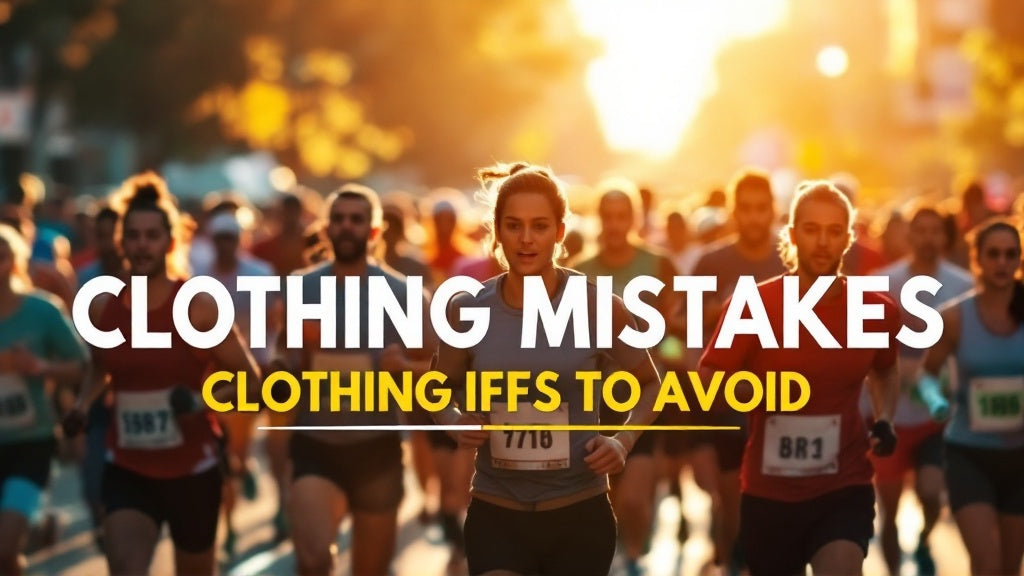
Race day is exciting, but it can quickly turn into a miserable experience if you make the wrong clothing choices. Blisters, chafing, overheating, or shivering can all ruin months of focused training. The good news is that most race day clothing mistakes are easy to avoid with a little planning. This detailed guide walks you through the most common race day clothing errors—and how to fix them—so you toe the start line feeling confident, comfortable, and ready to run your best.
Why Race Day Clothing Choices Matter
Race day clothing is about far more than looking good in photos. The right outfit can help you:
- Maintain a more consistent pace by avoiding overheating or getting too cold
- Reduce chafing, blisters, and skin irritation that can force you to slow down
- Stay mentally focused on running—not on fixing your clothes every kilometer
- Use your training effectively instead of wasting energy fighting discomfort
When you’ve put in weeks or months of training—whether you followed a structured plan like A Complete Beginner Running Guide From Zero to 5K or built your own program—what you wear on race day can either support your performance or silently sabotage it.
Mistake #1: Wearing New Gear for the First Time
One of the biggest race day clothing mistakes is wearing brand new gear you’ve never tested in training.
Why it’s a problem:
- New shoes can cause unexpected hot spots, blisters, or foot pain
- Unfamiliar shorts or tops might ride up, slip down, or chafe
- New sports bras or compression gear may feel too tight or restrictive
How to avoid it:
- Test everything in training at race pace and race distance where possible
- Do at least one “dress rehearsal” run in full race kit 2–3 weeks before your event
- Break in new shoes with at least several shorter runs and one longer run
Think of your race outfit as part of your performance strategy. Just as you refine pacing and nutrition, you should also refine your clothing choices during training. This mindset supports sustainable running habits that make training feel easier and race day feel more familiar.
Mistake #2: Choosing the Wrong Fabrics
Wearing the wrong fabrics can turn a comfortable race into a soaked, heavy, and uncomfortable struggle.
Avoid these fabric mistakes:
- Cotton tops and socks that hold onto sweat and moisture
- Heavy, non-breathable jackets that trap heat
- Rough seams that rub against your skin over long distances
What to wear instead:
- Technical, moisture-wicking fabrics (polyester or nylon blends) for tops, shorts, leggings, and socks
- Light, breathable layers designed for running rather than casual wear
- Seamless or flatlock seam garments to minimize rubbing
Why moisture-wicking matters:
- Pulls sweat away from your skin so it can evaporate quickly
- Reduces friction and chafing in key areas (underarms, thighs, sports bra line)
- Keeps you lighter and less weighed down in longer races
For a deeper breakdown of what types of shirts, shorts, and socks work well in everyday training, you can cross-check your choices with guides like Running Gear Essentials for Comfortable Daily Runs and make sure your race day clothing matches what’s already working for you.
Mistake #3: Ignoring the Weather Forecast
Weather has a huge impact on what you should wear. Ignoring the forecast is a classic race day mistake.
Common weather-related errors:
- Dressing for the start line temperature rather than the temperature an hour into the race
- Ignoring wind chill, humidity, or bright sun
- Wearing the same outfit for a cool morning 5K and a midday summer half marathon
Smart weather prep:
- Check a detailed race morning forecast the night before and again when you wake up
- Plan an outfit that works for the “feels like” temperature, not just the actual number
- Understand how your own body responds—some runners run “hot,” others get cold easily
Many runners find it helpful to use a temperature-based clothing guide to decide what to wear at different conditions. Resources like this detailed temperature-based clothing breakdown can help you quickly choose layers based on forecasted temperatures, wind, and rain.
Mistake #4: Overdressing or Underdressing
Finding the right balance between warmth and breathability is crucial.
Signs you’re overdressed:
- You feel warm and sweaty after the first 1–2 km
- You’re tempted to remove layers but have nowhere to put them
- Your clothes feel heavy and clingy even in mild weather
Signs you’re underdressed:
- You can’t stop shivering in the starting corral
- Your hands and ears feel painfully cold
- You never fully “warm up” during the race
General rule of thumb: Dress as if it’s about 8–10°C warmer than the actual temperature, because you’ll warm up once you start running.
Practical tips:
- Use throwaway layers (old sweatshirt or cheap long-sleeve) you can discard at the start once you’re warm
- Choose arm sleeves instead of a long-sleeve top so you can roll them down if you overheat
- In hot conditions, prioritize lightweight, breathable fabrics and avoid dark colors that absorb heat
Mistake #5: Wearing the Wrong Shoes and Socks
Your feet are under constant impact from the first step to the finish line, so poor shoe and sock choices are costly.
Shoe mistakes to avoid:
- Brand-new shoes making their debut on race day
- Using heavily worn-out shoes with flattened cushioning or uneven tread
- Choosing shoes based only on looks or trends instead of comfort and fit
How to get it right:
- Stick with a model you’ve successfully used for long training runs
- Give yourself at least 2–3 weeks to break in a new pair before race day
- Ensure there’s a thumb’s width of space at the front to avoid black toenails and bruising
Sock mistakes to avoid:
- Wearing cotton socks that trap sweat and increase blister risk
- Using thick, non-running socks that cause overheating or bunching
Better sock choices:
- Technical running socks made from synthetic or merino blends
- Seamless or low-seam socks to reduce toe irritation
- Compression socks (only if tested in training) for longer races
Mistake #6: Underestimating Chafing Risks
Chafing can appear slowly at first, then suddenly become so painful that it disrupts your entire race. Many runners underestimate how quickly it can develop once sweat, salt, and friction combine.
High-risk areas:
- Inner thighs
- Underarms
- Sports bra lines and underband
- Waistband and short lining
- Nipples (for many male runners)
- Between toes and at the back of the heel
How to prevent chafing:
- Choose seamless or flat-seam clothing wherever possible
- Wear properly fitting sports bras—not too loose and not too tight
- Use an anti-chafe product on all susceptible areas before the race
Many runners find consistent relief by applying an anti-chafe balm generously before longer races. This simple step can prevent painful friction that might otherwise slow your pace or make every step uncomfortable.
Mistake #7: Poor Layering Strategy
Layering is essential for races in cool, cold, or changeable weather. A poor layering strategy can trap sweat, limit movement, or leave you freezing.
Layering mistakes:
- Wearing too many thick layers instead of a few thin ones
- Using a heavy cotton hoodie that stays wet and heavy
- Not having a plan for shedding layers once you warm up
Effective running layer system:
- Base layer: Moisture-wicking top (short or long sleeve) next to your skin
- Mid-layer: Light long-sleeve or thin fleece for colder conditions
- Outer layer: Wind-resistant or water-resistant shell (if it’s windy or rainy)
Keep in mind:
- Choose layers designed specifically for running to ensure breathability and freedom of movement
- Avoid fully waterproof but non-breathable jackets unless conditions are extreme; otherwise you’ll overheat
- Practice layering combinations on colder training runs so nothing feels new on race day
Mistake #8: Race Bib and Accessory Mistakes
Race bibs may seem like a minor detail, but attaching them carelessly can cause annoyance throughout your run.

Common bib mistakes:
- Pinning the bib too low so it folds over with each step
- Placing the bib on a layer you plan to remove mid-race
- Using too few pins, allowing the bib to flap in the wind
- Covering up timing chips or QR codes with folds or accessories
Better bib practices:
- Pin the bib flat and centered on your outermost top layer you’ll keep on
- Use four safety pins—one at each corner—to keep it secure
- Check the race instructions in advance in case the bib contains an integrated timing chip
Over time, race bibs often become meaningful reminders of your effort. If you like keeping them as souvenirs, organizing them thoughtfully becomes easier when you know why race bibs represent commitment and effort and how each one reflects a specific part of your running journey.
Mistake #9: Forgetting About Headwear and Gloves
Your head and hands play a big role in overall comfort on race day, especially in cold or windy conditions. Neglecting them can leave you colder than expected.
Headwear mistakes:
- Running bareheaded in cold, windy weather
- Wearing thick, non-breathable hats that trap too much heat
- Using a heavy hood that restricts your vision or bounces
Better headwear choices:
- Lightweight, moisture-wicking caps or visors in warm weather to keep sun out of your eyes
- A breathable running beanie in cold conditions to keep ears and head warm without overheating
- Buffs or headbands to protect ears and manage sweat
Glove considerations:
- Use thin, technical running gloves rather than bulky winter gloves
- Consider removable or lightweight gloves you can tuck away if you warm up
- In very cold weather, layered gloves or mittens can keep hands comfortable
Mistake #10: Ignoring Visibility and Safety
Many races start early in low light conditions or use roads that remain open to some traffic. Ignoring visibility can create unnecessary safety risks.
Visibility mistakes:
- Wearing all-black or dark clothing in dim light
- Skipping reflective elements on early morning or evening races
- Not considering how fog or rain may reduce visibility
Simple safety improvements:
- Wear tops, jackets, or vests with reflective details
- Choose brighter colors for low-light races
- Use a small running light if permitted in the race rules
How Clothing Affects Confidence and Performance
Your race day outfit doesn’t just affect comfort; it also influences your mindset.
When your clothing works with you:
- You feel lighter, more agile, and more in control of your pace
- You aren’t distracted by constant adjustments, pulling, or tugging
- You trust your preparation and can focus on strategy, not discomfort
This sense of ease contributes to the mental boost many runners feel during well-prepared races. Clothing that fits, performs, and feels familiar can support the same psychological benefits described in resources like Why Running Helps Build Confidence Over Time, reinforcing positive experiences instead of creating new sources of stress.
Common Clothing Mistakes by Race Distance
Different race distances often lead to different clothing pitfalls. Understanding these can help you plan more precisely.
5K and 10K Races
Typical mistakes:
- Overdressing because the race feels “short” and you don’t expect to heat up
- Ignoring chafing prevention, assuming the distance is too short to cause it
- Wearing casual or fashion-oriented gear instead of technical clothing
Better approach:
- Treat your outfit like a faster training session—wear what works for speedwork
- Use light layers and be prepared to feel slightly cool at the start
- Apply anti-chafe protection for anything beyond a walk-run beginner effort
Half Marathon
Typical mistakes:
- Wearing brand-new gear bought at the race expo
- Using overly warm long sleeves or jackets “just in case”
- Not considering how the sun might feel after 60–90 minutes of running
Better approach:
- Commit to your tried-and-tested training kit
- Check humidity and wind, not just temperature
- Plan for how your body will feel in the second half of the race, not just at the start
Marathon and Beyond
Typical mistakes:
- Ignoring small discomforts in the first 10 km that become major issues later
- Using gear that doesn’t have enough pockets or storage for nutrition
- Choosing heavier outfits that feel fine early but trap sweat over several hours
Better approach:
- Think long-term: what feels fine at 5 km might hurt at 30 km
- Test your complete outfit—including fuel belt, vest, or pockets—on long runs
- Prioritize chafe-free, sweat-wicking, and lightweight clothing above everything else
Night-Before Race Day Clothing Checklist
Planning ahead reduces stress and prevents last-minute clothing mistakes. Lay out your race gear the night before.
Essential clothing items to prepare:
- Moisture-wicking top (short or long sleeve depending on weather)
- Running shorts, tights, or capris (no cotton)
- Sports bra (for women), tested on long runs
- Technical running socks
- Running shoes (with correctly tied or elastic laces)
Weather-dependent items:
- Lightweight jacket or windbreaker
- Arm sleeves or lightweight mid-layer
- Cap, visor, or running beanie depending on conditions
- Running gloves in cold weather
- Throwaway layer for the start
Extras to organize:
- Race bib and safety pins (already attached if permitted)
- Anti-chafe product and sunscreen
- Watch or GPS device (fully charged)
Race Morning Final Clothing Checks
On race morning, do a quick check to make sure your outfit still makes sense based on the latest weather report and how your body feels.
Last-minute clothing check:
- Confirm that your outfit still suits the predicted temperature, wind, and sunrise time
- Verify that your bib is securely attached and not crumpled or twisted
- Double-check that your socks are smooth with no folds or bunching
- Apply your anti-chafe balm to all high-friction areas
Movement test:
- Jog gently for 30–60 seconds to see if anything bounces, rubs, or shifts
- Do a few leg swings and arm circles to ensure full range of motion
- Make small adjustments now rather than mid-race
Don’t Forget Post-Race Clothing
Many runners focus completely on what to wear during the race and forget to plan for the finish area.
Post-race mistakes:
- Standing around in sweaty race clothes and getting chilled quickly
- Not having dry socks or shoes if the race was wet or muddy
- Forgetting warm layers when the temperature is expected to drop
Post-race clothing bag essentials:
- Dry t-shirt or warm long-sleeve top
- Comfortable pants or joggers
- Warm layer (hoodie, jacket, or coat depending on season)
- Spare socks and easy-on shoes or sandals
- Hat and gloves in colder months
Having this bag ready means you can recover more comfortably and enjoy the finish line atmosphere for longer, especially if you’re also trying to build sustainable routines around racing and training similar to those described in Minimal Running Setup for Indoor and Outdoor Runs.
Final Tips to Avoid Race Day Clothing Mistakes
To sum up, avoiding race day clothing mistakes is about preparation, testing, and paying attention to details.
Key takeaways:
- Never wear anything new on race day—test all gear in training first
- Choose technical, moisture-wicking fabrics instead of cotton
- Plan for the weather—temperature, wind, sun, and humidity all matter
- Use a smart layering strategy for cool or changeable conditions
- Protect your skin by preventing chafing with an anti-chafe balm
- Don’t overlook headwear, gloves, and post-race clothing
- Give yourself time the night before and the morning of the race to verify your kit
When your clothing is dialed in, you free up energy to focus on pacing, fueling, and enjoying the event itself. Well-fitting, weather-appropriate gear is not just about comfort; it’s a practical way to respect your training, protect your body, and give yourself the best chance of a strong, confident performance on race day.