Traveling for a race is exciting—but it can also be stressful if you are not sure what to pack. The last thing you want is to arrive at your goal race, whether it’s a 5K, 10K, half marathon, or marathon, and realize you forgot your favorite socks, your anti-chafe stick, or even your race bib. This comprehensive race day travel packing guide walks you through exactly what to bring, how to organize it, and how to avoid common mistakes. With a clear packing strategy, you’ll arrive calm, prepared, and ready to run your best race.
Why Smart Packing Matters for Race Day Travel
What you pack for race day travel can directly affect your performance. Being prepared helps you stay relaxed, sleep better, and stick to your routine. Forgetting a key item—like your race shoes, gels, or GPS watch—can create unnecessary stress and even impact your race time. Smart packing is about:
- Consistency: Recreating your usual training setup on the road.
- Comfort: Avoiding blisters, chafing, and temperature issues.
- Confidence: Knowing you have everything under control.
If you’ve been following a structured plan such as a 10K training guide for runners who want structure, packing smartly is the final step that helps convert all that training into a strong race day performance.
Race Day Travel Packing Checklist Overview
To make things simple, think of your race day packing in categories. Here’s a high-level overview before we dive into details:
- Travel documents and logistics essentials
- Race day running gear and clothing
- Footwear and foot care items
- Nutrition, hydration, and fueling tools
- Health, recovery, and post-race comfort
- Tech, gadgets, and safety accessories
- Race morning bag and start line essentials
- Travel-specific items for flights or road trips
In the sections below, we’ll break each category down into clear, organized lists you can use as a complete race day travel packing checklist.
Travel Documents and Trip Essentials
Before you think about shoes or gels, make sure your basic travel items are handled. Without these, you may not even reach the start line.
Identification and Race-Related Documents
- Photo ID (driver’s license or passport)
- Race confirmation email or QR code (printed or saved on your phone)
- Hotel reservation details and address
- Transportation tickets (plane, train, bus, or parking pass)
- Emergency contact information card
Money and Payment Methods
- Debit/credit cards
- Some cash for small vendors or public transport
- Travel insurance details (if applicable)
Everyday Essentials
- Phone and charger
- Portable power bank
- Reusable water bottle (empty if flying)
- Snacks for travel (nuts, bars, dried fruit)
Essential Race Day Gear (What You’ll Actually Run In)
Your race kit is the core of what you pack. Ideally, you will have tested every item in training. Race day is not the time to experiment with brand new shoes or clothing.
Core Running Gear
- Running shoes you have worn for several weeks (not brand new, not worn out)
- Running socks (preferably technical, moisture-wicking; pack at least 2–3 pairs)
- Race top (singlet or T-shirt you’ve tested on long runs)
- Race bottoms (shorts, tights, or capris—again, tested in training)
- Sports bra (for women) that you know is comfortable over your race distance
- Running belt or waist pack (for gels, phone, keys)
- Race bib (if it was mailed to you) and safety pins or race belt
If you’re still building your kit or are unsure what accessories genuinely help, this guide on best running accessories every runner needs for comfort and safety can help you decide what’s worth packing instead of overloading your bag.
Anti-Chafing and Skin Protection
- Anti-chafe balm or stick for thighs, underarms, sports bra lines, and feet – a product like the Vorlich Anti-Chafe Stick is compact and travel-friendly.
- Petroleum jelly or similar (optional backup)
- Bandages or nipple guards (if you’re prone to chafing)
Running Clothing for Every Weather Scenario
Weather can change quickly, especially if you’re traveling to a different climate or running early in the morning. Pack for multiple scenarios so you’re not surprised on race morning.
Base Layers
- Short-sleeve or sleeveless running tops
- Long-sleeve technical shirt
- Lightweight running shorts
- Capris or running tights
Cold Weather Add-Ons
- Running gloves
- Ear warmer or beanie
- Arm warmers
- Lightweight running jacket or windbreaker
- Thermal base layer if temperatures will be very low
Warm or Hot Weather Add-Ons
- Visor or running cap
- Sunglasses with UV protection
- Light-colored, breathable clothing
- Extra socks in case of sweat or water stations splashes
Rainy or Unpredictable Weather
- Packable rain jacket or shell
- Garbage bag or disposable poncho to wear at the start line and toss before the race
- Extra dry layer for post-race (socks, shirt, light sweater)
Running Shoes and Foot Care Essentials
Your feet will carry you through every mile. Take care of them, and they’ll take care of your race.
Footwear Essentials
- Main pair of running shoes (the ones you’ve trained in)
- Optional backup pair if traveling far or for multiple races
- Casual walking shoes or sandals for pre- and post-race
- Flip-flops or sliders for showers or recovery
Foot Care Items
- Extra running socks (bring more than you think you’ll need)
- Anti-blister patches or tape (such as kinesiology tape)
- Blister pads or bandages
- Nail clippers and small file (trim nails a few days before the race)
Race Day Nutrition and Hydration
Nutrition is highly individual. Whatever you pack for race day travel should be based on what you have already tested in training. Avoid new gels, bars, or drinks you’ve never tried before.
Pre-Race Food
- Breakfast options you know your stomach tolerates:
- Instant oatmeal packets
- Bagels, rice cakes, or bread
- Nut butter packets
- Bananas or simple fruit
- Light snacks for the day before the race (granola bars, crackers, fruit)
During-Race Fuel
- Energy gels you’ve tested in long runs
- Chews or sports beans
- Sports drink powder if you prefer your own brand
- Salt tablets or electrolytes (if you use them)
Hydration Tools
- Soft flask or handheld bottle
- Hydration belt or vest (if the distance demands it)
- Collapsible bottle options like the Vorlich Folding Bottle, which saves space in your luggage and works well at the start and finish line.
If you’re running longer distances or racing in heat, understanding portable hydration can make a big difference—this guide on whether folding water bottles are good for running long distances offers helpful insights on what type of bottle to bring.
Post-Race Nutrition
- Recovery shake or protein powder packets
- Bar or snack with carbs and protein (such as a granola bar with nuts)
- Electrolyte tablets or drink mix for after the race
Health, Recovery, and Post-Race Comfort
Don’t forget about how you’ll feel after the race. Thoughtful recovery items can make the difference between hobbling around or feeling reasonably mobile.
Basic Health Items
- Any prescription medications (in original containers)
- Pain relief (ibuprofen, paracetamol/acetaminophen—use cautiously and according to guidance)
- Antihistamines (if you have allergies)
- Small first-aid kit (bandages, antiseptic wipes, blister pads)
Recovery Tools
- Travel-sized foam roller or massage ball
- Compression socks or sleeves
- Epsom salts (if you’ll have access to a bath)
- Lightweight sandals for post-race walking
Post-Race Clothing
- Comfortable, loose-fitting clothes
- Warm top or hoodie if the weather is cool
- Fresh underwear and socks
- Spare T-shirt (many runners like to change into their race T-shirt right after finishing)
Tech, Gadgets, and Safety Accessories
Technology isn’t essential, but many runners rely on gadgets for pacing, music, and safety. Make sure everything is charged and packed.
Electronics
- GPS running watch (with charging cable)
- Heart rate strap (if you use one)
- Wireless or wired headphones (if allowed by the race)
- Phone armband or belt
- Portable power bank
Safety and Visibility
- Reflective vest or bands if you’ll be walking/running in the dark
- Small headlamp if the start is before sunrise
- Emergency ID band or card with medical info and emergency contact
If you’re still building your gear kit and unsure what’s truly necessary versus marketing hype, this guide on how to choose gear based on running needs, not marketing can help you prioritize items that genuinely support your performance and comfort.

Race Morning & Start Line Bag
Most races allow a drop bag or gear check. Even if they don’t, it’s smart to prepare a dedicated race morning bag with everything you need from hotel to start line.
What to Pack in Your Race Morning Bag
- Race bib (if you already picked it up)
- Safety pins or race belt
- Gels and on-course nutrition
- Pre-race snack (banana, bar, or small breakfast item)
- Small bottle of water or sports drink
- Anti-chafe stick for last-minute touch-ups
- Disposable poncho or garbage bag for warmth
- Old sweatshirt or top you don’t mind donating or discarding
- Toilet paper or tissues (race porta-potties often run out)
- Hand sanitizer
Optional Comfort Items
- Light blanket or space blanket
- Small book, e-reader, or headphones if you’ll be waiting a long time
- Mini sunscreen and lip balm
For a more detailed breakdown of what to do once you wake up on race day, including how to time your breakfast and warm-up, you can follow this step-by-step guide on what to do on race morning before the start line.
Special Considerations for Air vs. Car Travel
How you travel to your race can change how you pack. Flights and long drives both have unique challenges.
Flying to a Race
Never put your key race gear in checked luggage. If your bag is lost or delayed, you’ll be in trouble.
- Pack in your carry-on:
- Running shoes
- Race outfit (top, bottoms, socks, sports bra)
- Gels, fuel, and essential accessories
- GPS watch and chargers
- Any medication
- Check airline rules for liquids and gels (you may need to pack some items in checked luggage).
- Stay hydrated on the flight and move your legs regularly to reduce stiffness.
Driving to a Race
- Use a medium duffel or suitcase and a smaller race day backpack.
- Pack a small cooler with familiar drinks or snacks.
- Bring a travel pillow or cushion for post-race comfort on the drive home.
- Keep important items like shoes and race bib easily accessible, not buried in the trunk.
Packing Strategies: How to Stay Organized
Good organization prevents race day panic. Use simple systems so you can quickly find everything you need.
Use Packing Cubes or Zip Bags
- Separate clothes into:
- Race kit
- Casual clothes
- Sleepwear
- Post-race outfit
- Use small zip bags for:
- Gels and fuel
- Electronics and chargers
- First-aid and medications
Create a “Flat Runner” the Night Before
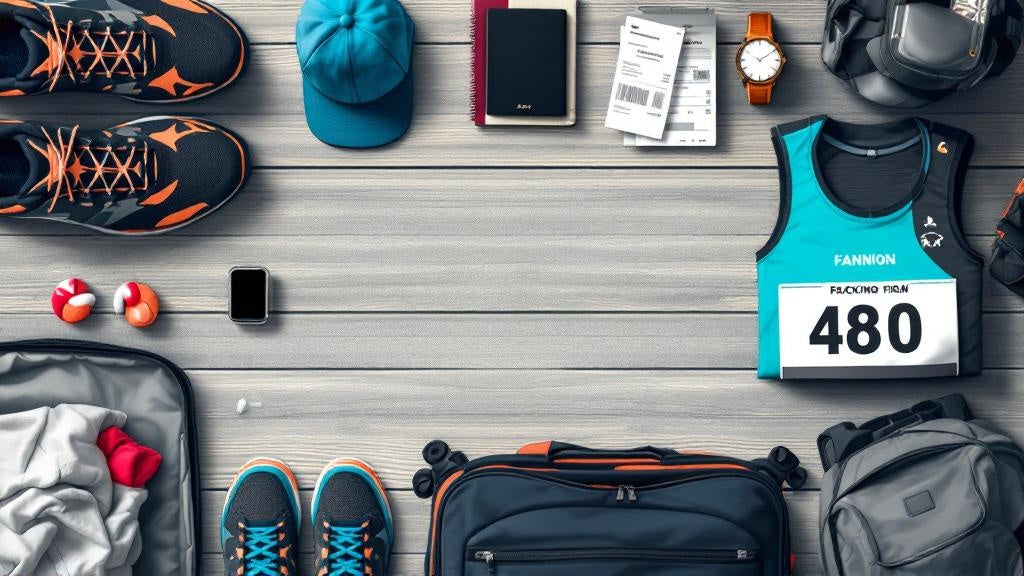
Lay out your entire race outfit as a “flat runner” on your hotel bed:
- Top and bottom
- Socks and shoes (with laces ready)
- Sports bra
- Race bib attached to shirt or belt
- Hat, watch, and any other accessories
- Gels organized in your belt or pockets
This simple habit helps you spot anything missing and lowers early-morning decision fatigue.
Common Race Day Packing Mistakes to Avoid
Even experienced runners make packing mistakes. Avoid these common pitfalls:
-
Trying new gear on race day
- New shoes, new socks, or unfamiliar clothing can cause blisters and chafing.
-
Assuming the race expo will have everything
- Popular items sell out, and you may not want to change brands at the last minute.
-
Forgetting chargers
- Charging cables for your watch and phone are easy to overlook—add them to your checklist.
-
Not checking the weather close enough to race day
- Always re-check the forecast 24–48 hours before and adjust layers accordingly.
-
Overpacking heavy gear you don’t need
- Prioritize items that genuinely support your training style and distance, especially if you travel light.
Sample Packing Lists by Race Distance
Different race distances can change what you need to pack. Here are simplified checklists for common events.
5K or 10K Race Packing List
- Running shoes and socks (plus spare pair)
- Shorts or tights, race top, sports bra
- Light warm-up layer (long-sleeve top or jacket)
- Hat or visor, sunglasses (as needed)
- Small breakfast and water bottle
- 1–2 gels or chews (optional for 10K, usually not needed for 5K)
- Anti-chafe stick for problem areas
- GPS watch and charger
- Post-race clothes and flip-flops
If you’re preparing specifically for a 10K, combining this packing guide with a structured plan like how to train for a 10K without burning out gives you both the training and the travel side covered.
Half Marathon Packing List
- All items from the 10K list, plus:
- Additional gels or fuel (usually 2–4, depending on your pace)
- Hydration belt or handheld bottle (if you prefer your own fluids)
- Electrolyte tablets or drink mix
- Compression socks or sleeves (if you use them)
- Extra anti-chafe application for feet, thighs, and bra lines
Marathon Packing List
- All items from the half marathon list, plus:
- More gels or chews (often 4–8 total, depending on your fueling strategy)
- Back-up pair of socks for post-race or emergency
- Additional layers for start line warmth (old sweatshirt, poncho)
- More robust recovery tools (massage ball, compression gear)
- Extra snacks and hydration for the day before and after the race
Final Night-Before Checklist
Use this quick checklist the night before your race to make sure you’re fully prepared:
- Race kit laid out as a flat runner
- Race bib attached to your shirt or belt
- Gels and fuel packed into belt or pockets
- Watch, headphones, and phone fully charged
- Breakfast items ready and easy to reach
- Race morning bag packed with water, snack, and warm layers
- Hotel wake-up call set and alarms set on your phone (with backup)
- Weather forecast checked; clothing adjusted if needed
- Travel route to the start confirmed (public transport times or parking details)
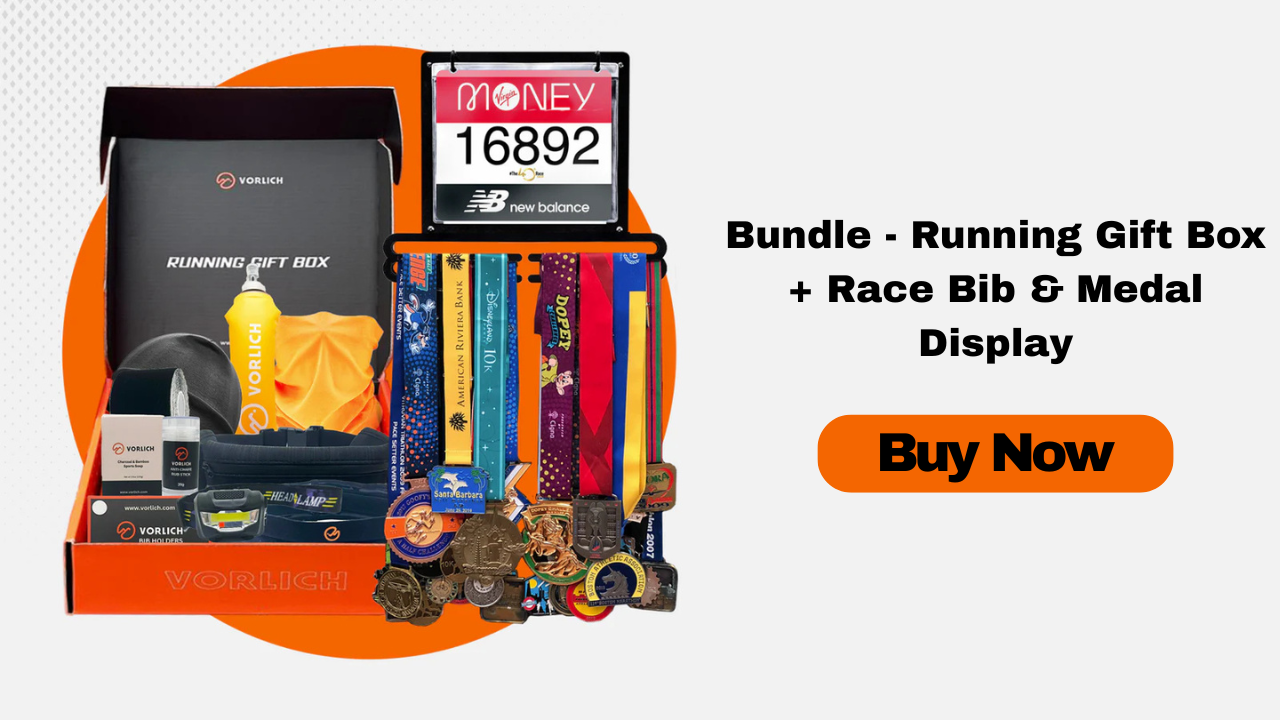
If you’re putting together a thoughtful surprise for a runner—yourself included—a curated option like the Vorlich Running Gift Box can double as a handy pre-packed set of race day essentials that fits easily into your luggage and adds a bit of extra motivation.
Smart race day packing is about more than just throwing gear into a bag. It’s about planning, testing, and simplifying, so that by the time you travel, the hard decisions are already made. Combined with consistent training and sensible routines, a well-packed bag helps you arrive at the start line feeling calm, prepared, and excited to run your best race.