

How to Choose the Right Running Belt as a Beginner
Choosing the right running belt as a beginner can transform your runs from awkward and uncomfortable to smooth and enjoyable. A well-fitted running belt keeps your phone, keys, gels, and other essentials secure without bouncing or chafing. It helps you stay focused on your pace and breathing instead of constantly adjusting pockets or holding items in your hands. In this guide, you’ll learn exactly what to look for in a running belt, which features matter (and which don’t), and how to choose the best option for your body, goals, and type of training.
Why a Running Belt Matters for Beginners
As a beginner runner, it’s easy to overlook small details like how you carry your keys or phone. Yet, these details can have a huge impact on your comfort and consistency.
A good running belt helps you:
- Run hands-free – No more clutching your phone or water bottle.
- Reduce distractions – Less bouncing, jingling, or readjusting.
- Protect your gear – Sweat-resistant pockets keep your phone, cards, and ID safe.
- Stay safe – Easier to carry ID, a key, and your phone for emergencies.
- Build better habits – Having essentials ready makes it easier to get out the door.
When you’re learning how to run longer without stopping as a beginner, comfort and convenience play a major role. A simple, reliable running belt can remove small frictions that might otherwise derail your progress.
Main Types of Running Belts
Understanding the different types of running belts will help you pick the one that fits your needs and running style.
1. Minimalist Stretch Belts
These are usually made from elastic fabric that sits snugly around your hips.
-
Pros:
- Very low bounce when sized correctly.
- Lightweight and simple.
- Often have multiple small pockets around the belt.
-
Cons:
- Limited capacity compared to larger belts.
- Can be slightly harder to access items quickly while running.
Best for: Short to medium runs where you only carry a phone, keys, and maybe a card or gel.
2. Zippered Pocket Belts
These belts feature one or more zippered pouches attached to an adjustable strap.
-
Pros:
- Secure storage with zippers.
- Easy to organize small items.
- Adjustable sizing fits multiple waist sizes.
-
Cons:
- May bounce if overloaded or worn too loose.
- Heavier than minimalist bands.
Best for: Beginners who want reliability and easy access to their phone, especially on everyday training runs.
3. Hydration Belts
Hydration belts include one or more bottles or a small reservoir for water or sports drink.
-
Pros:
- Built-in hydration – perfect for hot days and longer runs.
- Often include extra pockets for gels and keys.
-
Cons:
- Bulkier and heavier than simple belts.
- More likely to bounce if not fitted properly.
Best for: Runners training for 10K or longer distances, or those running in hotter climates.
4. Race Belts (Bib Belts)
These belts include toggles or clips to attach your race bib.
-
Pros:
- Eliminates the need to pin bibs to clothing.
- Often very lightweight.
- Some models include loops for gels.
-
Cons:
- Limited storage for larger items like phones.
- Designed more for races than daily training.
Best for: Race days and events. If you love keeping mementos from races, having a race belt also helps you preserve your clothing while you later figure out how to store race bibs without fading.
5. Hybrid Belts
Hybrid belts mix features: storage pockets, bib clips, and sometimes hydration.
-
Pros:
- Versatile – can handle training runs and races.
- Useful if you only want one belt for most situations.
-
Cons:
- More complex and sometimes heavier.
- You may pay for features you don’t use as a beginner.
Best for: Runners who train regularly and also plan multiple races each year.
How to Get the Right Fit and Size
The most important factor in choosing a running belt is fit. A perfect belt that’s the wrong size will bounce, twist, or dig into your skin.
Measure Your Waist or Hip Line
Most belts are designed to sit on your hips or just above them. Use a soft measuring tape and:
- Stand relaxed, not holding your breath.
- Measure around the point where you prefer the belt to sit (usually just above the hip bones).
- Compare that measurement to the manufacturer’s sizing chart.
Tip: If you are between sizes, many runners prefer the smaller size for less bounce, as long as it’s still comfortable.
Check Adjustability
For beginners, an adjustable running belt is usually the best choice because your body and preferences may change as you progress.
- Look for a secure buckle that’s easy to clasp and unclasp.
- Test whether the belt can be tightened or loosened quickly.
- Ensure the adjustment strap doesn’t flap around while running.
Positioning: Hips vs. Waist
Where you wear your belt can dramatically change how it feels:
- On the hips: Often more stable and comfortable for longer distances.
- On the waist: Easier to access pockets but more prone to riding up.
Experiment with position during shorter runs first, before committing to one style on race day or long training sessions.
Materials, Comfort, and Breathability
As a beginner, you might assume all running belts feel similar. They don’t. The material and design make a big difference in comfort and durability.
Key Material Features to Look For
- Moisture-wicking fabric: Helps keep sweat away from your skin, reducing chafing.
- Soft, stretchy elastic: Allows the belt to move with your body without digging in.
- Flat-lock seams: Lower risk of rubbing and irritation.
- Sweat-resistant pockets: Helps protect your phone and cards from moisture.
Comfort Details That Matter
- Width of the belt: Wider belts spread pressure more evenly and are often more comfortable with heavier loads.
- Padding: Some belts include light padding around buckle areas to prevent digging into your skin.
- Tagless or covered labels: Reduces irritation over long runs.
Storage Capacity: What You Really Need
It’s tempting to buy the largest, most feature-packed belt, but bigger isn’t always better. Think first about what you actually carry on a typical run.

Basic Items for Most Beginner Runs
- Phone
- House or car key
- ID or bank card
- Small cash note (optional)
- 1–2 energy gels for longer efforts
For these essentials, a compact, low-profile belt is usually enough. Look for:
- A main pocket large enough for your phone (check dimensions, especially with a case).
- An internal divider or smaller pocket for keys to avoid scratching your phone.
- Some stretch in the fabric to keep items snug and reduce bounce.
When You Might Need Extra Capacity
You may want a larger belt if:
- You run in changing weather and want to carry lightweight gloves or a hat.
- You’re training for a half marathon or marathon with more nutrition needs.
- You prefer to carry your own hydration and snacks.
As your training gets more structured, especially if you follow a plan like a simple 5K training plan for beginner runners, you’ll get a clearer sense of how much you truly need to carry on most days. Start with what you need now, not for a hypothetical future race two years away.
Hydration Options in Running Belts
Hydration belts can be very helpful, but they’re not mandatory for every runner. As a beginner, ask yourself:
-
How long are most of my runs?
- Under 45 minutes: You may not need a dedicated hydration belt if you hydrate before and after.
- 45–90 minutes: A small bottle or soft flask can be useful, especially in warm weather.
- 90+ minutes: A hydration belt or vest becomes more important.
-
What is my climate like?
- Hot/humid: Carrying water is more important even on shorter runs.
- Cool/temperate: You can sometimes rely on water stops or pre/post-run hydration.
Types of Hydration Belts
-
Single-bottle belts:
- One larger bottle positioned at the rear or side.
- Good for moderate distances and simplicity.
-
Multi-bottle belts:
- Two or more smaller bottles placed around the belt.
- Better weight distribution but more components to clean and manage.
-
Soft-flask compatible belts:
- Use collapsible flasks that shrink as you drink.
- Great for reducing sloshing and bulk.
Key consideration: Hydration belts should still feel stable and comfortable when full. Always test them on short runs before using them in races or long training sessions.
Safety Features: Visibility and Security
As a beginner, staying safe and visible is just as important as speed and distance.
Visibility Features
- Reflective strips or logos: Help you stand out in low light.
- Bright or high-contrast colors: Especially useful if you often run at dawn, dusk, or on busy routes.
Security and Anti-Theft Details
- Hidden pockets: For cards, cash, and ID.
- Secure zippers: Less risk of items falling out.
- Snug fit: Makes it harder for items to be accidentally pulled out or dropped.
Visibility is part of a broader set of gear choices that improve comfort and safety. Many runners look for running gear that improves comfort without extra weight, combining reflective details, light fabrics, and low-bulk designs to stay both safe and efficient.
How to Choose a Belt for Your Specific Use Case
Instead of searching for the “perfect” running belt, it’s more helpful to choose a belt that fits your current goals and situation.
1. Couch-to-5K or Brand-New Runner
Recommended belt: Simple, lightweight pocket belt or minimalist stretch belt.
- Carry only essentials: phone, key, ID.
- Prioritize comfort and ease of use over advanced features.
- Look for an affordable, durable option to see what you like.
2. Beginner Training for a 5K or 10K
Recommended belt: Pocket belt with enough capacity for a phone and 1–2 gels, possibly with a small hydration option for warmer days.
- Look for multiple compartments to separate phone and keys.
- Choose a belt that sits comfortably on your hips for longer efforts.
- Ensure it’s stable enough to use during faster sessions or race day.
3. Beginner Running in Hot or Remote Areas
Recommended belt: Hydration belt or belt compatible with a soft flask.
- Hydration becomes a higher priority than extra storage.
- Test all straps and bottle holders for bounce and sloshing.
4. Race Day Use
For your first race, your belt needs to be tested and familiar. If you’re following a race preparation guide or a structured plan, ensure you’ve worn the belt during at least a few of your longer training runs.
For a wider view on how your belt fits into overall event preparation, guides like the Complete Race Day Preparation Guide for Runners can help you plan everything from logistics to nutrition, so your belt becomes one part of a calm, confident race-day setup.
Beginner Tips for Using a Running Belt
Even the best running belt can feel awkward at first. These tips make the transition smoother.
1. Start With a Short Run
- Load the belt with your usual essentials.
- Go for a 10–20 minute run and notice:
- Does it bounce?
- Does it ride up or spin?
- Does any seam rub or irritate your skin?
2. Adjust Tightness Gradually
- Tighten the belt enough to prevent movement but not so tight that breathing feels restricted.
- If you feel any pinching or discomfort, loosen it slightly and try a different belt position (higher or lower on your hips).
3. Pack Heavier Items First
- Place your phone in the main pocket closest to your body.
- Put keys and small items in side or inner pockets.
- Distribute weight evenly to reduce tilt or twist.
4. Practice Accessing Items While Running
- Practice taking your phone out and putting it back quickly.
- If you run with gels, rehearsing opening and stowing wrappers helps you stay calm on race day.
How to Care for and Maintain Your Running Belt
Caring for your running belt properly keeps it fresh, hygienic, and long-lasting.
After Each Run
- Air it out: Hang it in a dry, ventilated place.
- Remove items: Don’t leave your phone or cards inside sweaty pockets.
- Spot clean: Wipe salt or sweat marks with a damp cloth.
Washing Guidelines
- Check the care label first.
- Most belts do best with:
- Cold or lukewarm water.
- Gentle detergent.
- Air drying, not tumble drying.
- Close all zippers and velcro before washing to protect the fabric.
Storage
- Store in a cool, dry place away from direct sunlight.
- Avoid folding in a way that permanently creases plastic parts or buckles.
Common Mistakes Beginners Make When Buying a Running Belt
Knowing what to avoid can save you time, money, and frustration.
- Buying purely on appearance: A flashy design won’t help if the belt doesn’t fit well or bounces.
- Ignoring phone dimensions: Always check whether the main pocket fits your phone with its case.
- Choosing too much capacity: A huge belt can encourage overpacking, leading to discomfort and extra weight.
- Not testing before race day: Always trial new gear in training to avoid surprises.
- Wearing it too loose: A belt that slides up and down or spins will quickly become annoying.
How Your Running Belt Fits Into Your Overall Gear Setup
Your running belt is just one piece of your gear puzzle. For beginners, it often makes sense to start with a minimal but effective setup and expand only if necessary.
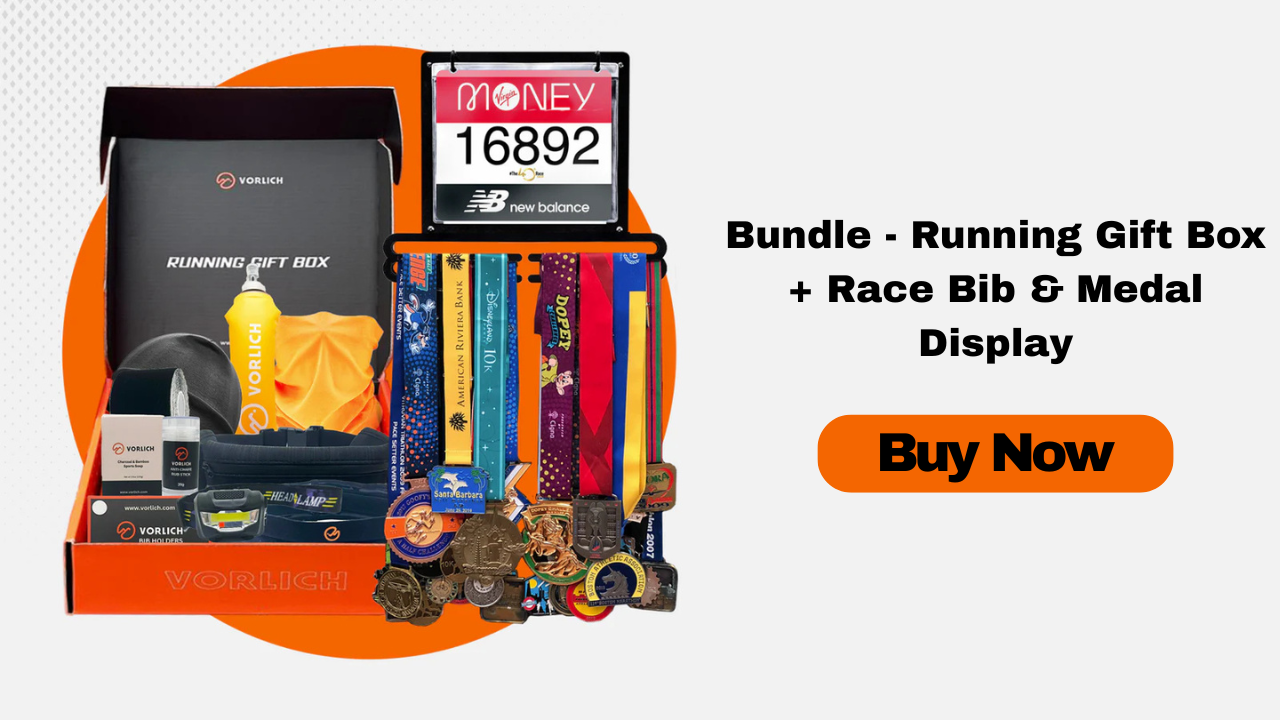
If you’re unsure which items you actually need, curated options like the Vorlich Running Gift Box and the aqua variant, the Vorlich Running Gift Box Aqua, can be useful starting points. These sets include essentials such as a running belt, anti-chafing balm, and visibility gear, helping new runners cover the basics without overbuying random accessories.
As you progress, you might add other pieces of Vorlich running gear that match your training style and distance goals. The key is to keep your kit focused on comfort, function, and low weight, so every item you wear earns its place.
Quick Checklist: How to Choose the Right Running Belt
Use this checklist when you’re ready to buy:
-
1. Fit and Comfort
- Did you measure your waist/hip circumference?
- Is the belt adjustable or correctly sized?
- Does it feel snug but not restrictive?
-
2. Type of Belt
- Minimalist stretch belt for light carries?
- Zippered pocket belt for daily training?
- Hydration belt for longer or hotter runs?
- Race or hybrid belt for events?
-
3. Capacity and Organization
- Is there enough room for your phone, key, and ID?
- Are keys separated from your phone to avoid scratches?
- Is the layout easy to access while running?
-
4. Material and Build Quality
- Moisture-wicking, soft, and breathable fabrics?
- Sturdy zippers and strong stitching?
- Comfortable seams and no sharp edges?
-
5. Safety Features
- Reflective elements if you run in low light?
- Secure pockets for valuables?
-
6. Real-World Testing
- Have you tested it on at least one short run?
- Does it stay put without bouncing or twisting?
- Can you access essentials easily mid-run?
Choosing the right running belt as a beginner isn’t about buying the most expensive or feature-heavy option. It’s about matching the belt to your current needs, your body, and your running goals. Start simple, prioritize comfort and fit, and let your gear support you as you build consistency. Over time, as you accumulate miles and experience, you’ll refine what “perfect belt” means for you—and your runs will feel smoother, lighter, and more enjoyable because of it.