

Running Accessories You Actually Need and Ones You Can Skip
Running can be one of the simplest, lowest-cost sports to start—yet it’s easy to get overwhelmed by the endless accessories marketed as “must-haves.” From GPS watches to massage guns and LED vests, the options can make you feel like you need a second mortgage before you even lace up. This guide breaks down running accessories you actually need and ones you can skip (at least for now). You’ll learn how to build a smart, minimal kit that supports your goals, prevents injuries, and keeps running enjoyable—without wasting money or carrying unnecessary weight.
Why Running Accessories Matter (and When They Don’t)
At its core, running only requires three things: a body, a route, and a pair of shoes. Everything else is optional. However, the right accessories can:
- Reduce discomfort and chafing
- Help you stay safe and visible in low light
- Support hydration and fueling on longer runs
- Track progress to keep you motivated and consistent
The danger is assuming every new gadget will automatically make you faster. In reality, most progress comes from:
- Consistent training
- Smart recovery
- Good nutrition
- Gradual progression in volume and intensity
If you’re trying to keep things minimal, you may also want to read about building a lean setup in minimal running gear for beginners and improvers, which dovetails perfectly with choosing only the accessories that truly matter.
Must-Have Running Accessories for Most Runners
While “must-have” can vary by climate and distance, there are a few accessories that almost every runner will benefit from, regardless of experience level.
1. Proper Running Socks
Many new runners invest in shoes but ignore socks, then wonder why they get blisters. High-quality running socks can be just as important as your footwear.
Look for socks that are:
- Moisture-wicking (usually polyester, nylon, or merino wool blends)
- Seamless or flat-stitched at the toes
- Sized properly so they don’t bunch up
- Designed specifically for running or high-intensity sports
Must-have for:
- Preventing blisters and hot spots
- Reducing smell and moisture build-up
- Improving overall comfort on short and long runs
2. Anti-Chafe Protection
Chafing can quickly turn a great run into a miserable experience. Areas like thighs, underarms, sports bra lines, and around the waistband are common hotspots.
A dedicated anti-chafe stick is more effective and convenient than improvising with petroleum jelly. The Vorlich Anti-Chafe Stick is a good example of a portable, sweat-resistant option that:
- Glides on easily without mess
- Lasts through longer runs
- Reduces friction in key areas, especially on hot or humid days
Must-have for:
- Runners prone to chafing (especially in warm climates)
- Long runs, races, and summer training
3. A Way to Carry Keys, Phone, and ID
Even for short runs, you’ll usually need to carry at least a key and maybe a phone for safety. Instead of stuffing things in your hand or waistband, look for:
- Running belts with zip pockets
- Shorts or tights with built-in secure pockets
- Armband phone holders (better for walking or short runs than long-distance training)
Must-have for:
- Urban running where carrying ID/phone is wise
- Anyone who uses apps or music while running
4. Reflective or High-Visibility Gear
If you run early in the morning, late in the evening, or in low-light conditions, visibility is non-negotiable.
Essential visibility accessories include:
- Reflective strips on shoes and clothing
- A lightweight reflective vest
- Blinking LED clip-on lights or headlamps
Must-have for:
- Runners who share the road with cars or cyclists
- Winter runners with fewer daylight hours
5. Basic Hydration Solution (for Runs Over 45–60 Minutes)
For runs under 45 minutes in mild weather, you can usually hydrate before and after. But if you’re running longer or in the heat, you need a practical way to carry fluids.
We’ll go deeper on hydration later, but at minimum, you’ll want:
- A small handheld water bottle
- Or a foldable, packable bottle you can carry easily
A compact option like the Vorlich Folding Bottle is useful because it:
- Collapses when empty to reduce bulk
- Fits comfortably in the hand or pocket
- Helps prevent dehydration on longer or hotter runs
“Nice-to-Have” Accessories That Can Boost Comfort and Performance
Once you’ve covered the essentials, there are accessories that aren’t strictly necessary, but can make running more comfortable, consistent, and enjoyable.
1. GPS Watch or Fitness Tracker
A GPS watch can be a powerful tool for:
- Tracking pace, distance, and routes
- Monitoring heart rate
- Following structured training plans
They’re particularly helpful if you’re following a program like a simple 5K training plan for beginners or working toward a specific race time.
Nice-to-have for:
- Runners training for 5K, 10K, half-marathon, or marathon
- Data-driven runners who like to analyze performance
You can skip (for now) if:
- You’re just starting and mainly focused on running consistently
- Your smartphone and a free app already give you what you need
2. Running-Specific Sunglasses
Not strictly essential, but good running sunglasses:
- Protect your eyes from UV rays
- Reduce squinting and headaches
- Help in bright or reflective conditions (e.g., snow, water)
Look for lightweight, non-slip frames with shatter-resistant lenses.
3. Lightweight Running Hat or Visor
A running hat is particularly helpful if you:
- Run in the sun and want extra UV protection
- Need to keep rain or sweat out of your eyes
- Like a bit of wind protection in cooler weather
4. Running Belt for Fuel and Extras
As your runs get longer, a basic key pocket may not be enough. A running belt can carry:
- Gels, chews, or bars for fuel
- Phone, keys, ID, and some cash or a card
- Small soft flasks for water
Nice-to-have for:
- Half-marathon or marathon training
- Trail runs where you may be away from shops or fountains
Running Accessories You Can Usually Skip
Many accessories are marketed as performance-boosting, but provide little real-world benefit, especially for beginners or recreational runners.
1. Excessive Compression Gear (Unless Medically Recommended)
Compression socks and sleeves can help some runners with recovery or circulation, but they’re often oversold as speed-enhancers. In most cases:
- They’re not essential for everyday runs
- You’ll gain more by focusing on proper pacing, sleep, and recovery
2. High-End Massage Guns (for Most Runners)
Massage guns can feel great, but:
- They’re expensive
- Simple tools like a foam roller or massage ball can provide similar benefits
- They don’t replace rest, mobility work, or smart training
3. Overly Complex Hydration Packs for Short Runs
If you’re running under 60–75 minutes on roads with water access, a large hydration vest is usually unnecessary. They can:
- Add weight and heat
- Be more gear than you really need
Keep them in mind for trail running or very long runs, but skip them at the beginner or casual stage.
4. Bulky Arm Weights or Weighted Vests
These are often promoted as ways to “burn more calories,” but running with added weight can:

- Increase impact on joints
- Alter your natural running form
- Raise injury risk
Better to build strength with separate strength training and keep your running form as natural as possible.
Season-Specific Running Accessories: What’s Worth It
Some accessories only become “must-haves” when conditions demand them.
Winter Running Accessories
Worth investing in:
- Thermal gloves – numb hands can make cold runs unbearable
- Beanie or headband – protects ears and retains body heat
- Neck gaiter or buff – covers neck and face in wind
- Traction devices – if you run on ice or packed snow
Often optional:
- Heavy jackets (a light, windproof outer layer plus base layers is more versatile)
- Expensive ski-type gear (overkill for typical winter road runs)
Summer Running Accessories
Worth investing in:
- Anti-chafe stick – a must in heat and humidity
- Lightweight hat or visor
- Technical, breathable fabrics instead of cotton
Often optional:
- Cooling towels (nice, but not essential for most runs)
- Bulky insulated vests unless in extreme heat scenarios
Hydration Accessories: Bottles, Belts, and Packs
Hydration becomes more important as your distance and temperature increase. The right accessory depends on how far you’re going and where you’re running.
When You Need Hydration Accessories
Consider taking water with you when:
- Your run is longer than 45–60 minutes
- It’s hot or very humid
- You’re running trails without water access
- You tend to sweat heavily or have a history of dehydration issues
Types of Hydration Accessories
-
Handheld Bottles
- Great for short to medium-distance runs
- Easy to refill mid-run
- Minimal and lightweight
-
Foldable Bottles
- Collapse as you drink, reducing bulk
- Fit into pockets, belts, or vests
- Good compromise between capacity and minimalism
-
Hydration Belts
- Distribute weight around hips
- Can carry multiple small bottles plus fuel
-
Hydration Vests / Packs
- Best for very long runs, ultras, and trail running
- Can carry fluids, food, layers, and emergency gear
For most runners building their kit, a compact option like the Vorlich Folding Bottle offers a minimalist, versatile hydration solution that doesn’t require buying a full vest or belt.
Tech Accessories: Watches, Apps, and Headphones
Technology can help you track progress, follow training plans, and stay motivated, but it doesn’t have to be complicated or expensive.
1. Smartphone + Free Apps
For many runners, a smartphone combined with a running app is all you need to:
- Track distance, pace, and route
- Record training history
- Follow basic training programs
This is often enough for beginners building consistency or following a beginner running plan that builds confidence.
2. GPS Running Watch
You may want to upgrade to a GPS watch when:
- You’re training for specific races with pace targets
- You want to leave your phone at home
- You’re interested in heart-rate-based training
But remember, a watch is only helpful if you actually use the data to guide your training decisions.
3. Headphones and Audio Accessories
Headphones are optional, but can make runs more enjoyable with:
- Music playlists
- Podcasts or audiobooks
- Guided workouts or coaching cues
Prioritize:
- Safety – consider bone-conduction or open-ear designs to hear traffic
- Fit – choose models that won’t fall out when you sweat
Recovery Accessories: Tools That Actually Help
Recovery is where your body adapts to training. While fancy gadgets are optional, a few simple, affordable accessories can help a lot.
1. Foam Roller or Massage Ball
These tools can:
- Help relieve muscle tightness
- Improve range of motion
- Support pre-run warm-ups and post-run cool-downs
You don’t need an expensive, vibrating roller. A basic, firm foam roller and a lacrosse or massage ball are more than enough for most runners.
2. Basic Stretching Strap (Optional)
Helpful if you:
- Have tight hamstrings or calves
- Struggle to hold certain stretches comfortably
3. Training + Recovery Strategy (More Important Than Tools)
No accessory can replace a balanced approach to training and recovery. Learning how to structure your weeks so you don’t overdo it is one of the best investments in your running longevity. For a deeper dive, read how to combine training plans with recovery for long-term progress.
How to Build a Minimal, High-Value Running Kit
You don’t need a huge collection of gadgets to be a successful runner. A smart approach is to build a minimal kit that covers your real needs, then only add items that solve specific problems.
Start With These Core Categories
-
Footwear and Socks
- Well-fitted running shoes
- 2–3 pairs of moisture-wicking running socks
-
Comfort and Protection
- Anti-chafe stick
- Weather-appropriate clothing layers
-
Safety and Storage
- Reflective elements or vest
- Secure way to carry key/phone/ID
-
Hydration
- Handheld or foldable bottle for longer or hotter runs
From there, add only what you truly miss. If you’re not sure how to prioritize spending, this guide pairs well with how to build a minimal running kit without overspending, which walks through cost-effective decisions for each piece of gear.
When a Pre-Bundled Kit Makes Sense
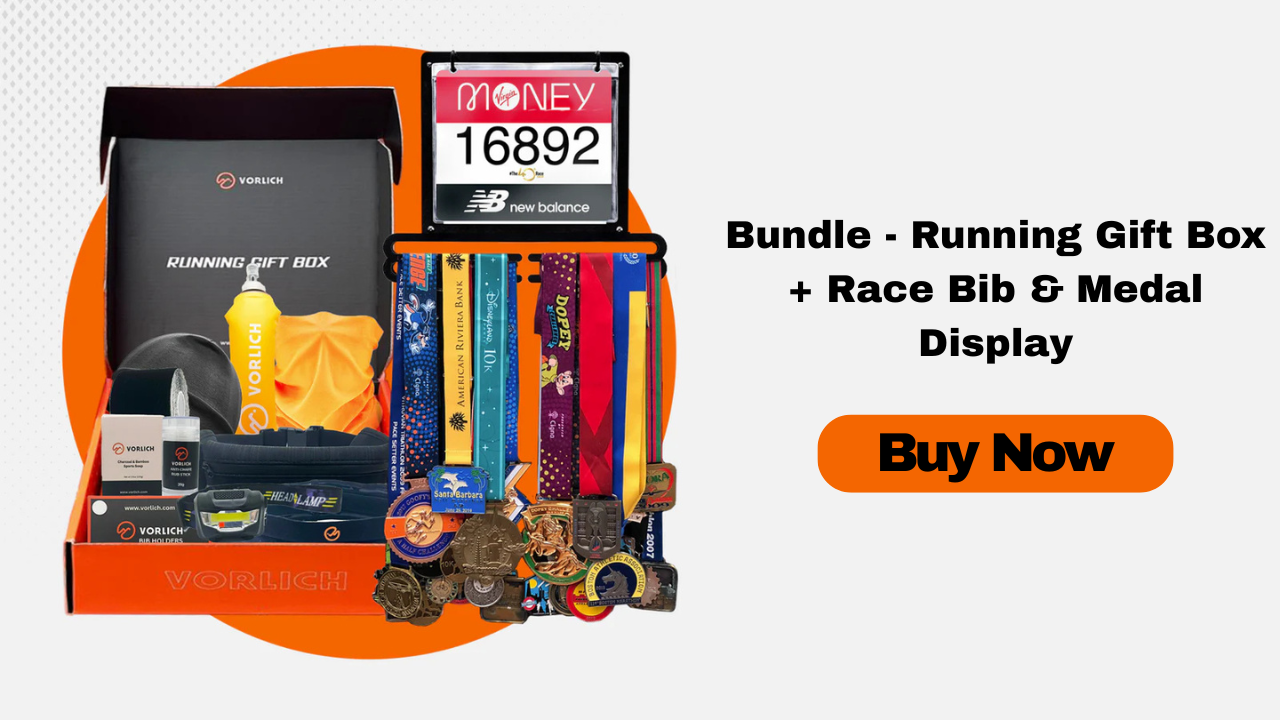
If you’re buying for yourself or as a gift, pre-curated bundles can be a smart shortcut. The Vorlich Running Gift Box is an example of a package that focuses on practical, high-use accessories instead of flashy, one-off gadgets.
Accessories for Beginners vs. Experienced Runners
Beginner Runners: Keep It Simple
If you’re starting with a 5K or building a basic habit, prioritize:
- Comfortable shoes and socks
- Anti-chafe solution if needed
- Phone + basic app for tracking
- Safe way to carry essentials
As you progress through something like an 8-week 5K plan you can follow anywhere, you’ll learn what your real needs are on the run, instead of guessing based on ads.
Experienced Runners: Optimize for Distance and Specific Goals
If you’re training for longer races or chasing time goals, you might benefit from:
- GPS watch with training metrics
- Hydration belts or vests for long runs
- More refined fueling accessories (gel flasks, capsules, etc.)
- Higher-visibility gear for early or late sessions
Even then, focus on solving specific problems (e.g., “I bonk at 15 km,” “I feel unsafe in the dark”) rather than buying every trending product.
When to Upgrade or Add New Accessories
Use these questions to decide whether a new accessory is worth it:
- Does it solve a recurring problem? (chafing, hydration, safety, carrying fuel)
- Will I use it at least once per week? If not, it’s probably not essential.
- Is there a simpler or cheaper alternative? (e.g., basic roller vs. premium massage gun)
- Does it support a clear training goal? (e.g., marathon, new distance, night running)
Good times to reassess or upgrade gear:
- When you increase your average weekly distance significantly
- When you start a new training block (e.g., half-marathon prep)
- At the beginning of a new season (switch from winter to summer, etc.)
Final Thoughts: Focus on What Really Moves You Forward
Running accessories can enhance comfort, safety, and performance, but they shouldn’t distract you from what matters most: consistent training, sustainable effort, and enjoyment of the process.
If you’re unsure whether you “need” something, ask:
- Does it help me run more comfortably or more safely?
- Will it genuinely support my current training goal?
- Is there a lower-cost, simpler way to achieve the same benefit?
Start with essentials like socks, anti-chafe protection, hydration, and visibility. Add tech and extras only when they clearly solve a problem or support your next goal—whether that’s a first 5K, a faster 10K, or a more enjoyable long run.
Above all, remember that progress comes from small, consistent actions, not just new gear. If you’re working on building that momentum, you may find it helpful to read about celebrating small running wins that lead to big progress—a mindset that pairs perfectly with a smart, streamlined approach to accessories.