

How to Choose the Right Running Belt as a Beginner
Choosing the right running belt as a beginner can make your runs safer, more comfortable, and far more enjoyable. A well-fitted belt lets you carry your phone, keys, ID, energy gels, and even water without bouncing, chafing, or constantly needing adjustment. This detailed guide will walk you through everything you need to know about running belts—from types and materials to fit and storage capacity—so you can confidently pick the best option for your training and long-term running goals.
Why a Running Belt Matters for Beginner Runners
When you start running, you quickly realize you have a few essentials you can’t leave at home: phone, keys, maybe a card or some cash, and sometimes a small snack or gel. Trying to carry these in your hands or pockets leads to:
- Bouncing and discomfort that ruins your running rhythm
- Chafing from keys or phone rubbing against your skin
- Distractions from constantly adjusting your gear
- Safety issues if you leave your phone or ID behind
A good running belt solves these problems by:
- Keeping your items stable and close to your center of gravity
- Reducing bouncing and friction on your hips or waist
- Helping you stay hands‑free so you can focus on form and breathing
- Allowing you to bring hydration and nutrition on longer runs
If you’re following a plan like a Simple 5K Training Plan for Beginner Runners, you’ll probably be running several times per week. The comfort of your gear—especially your belt—can make the difference between looking forward to your runs and dreading them.
Main Types of Running Belts
Running belts come in several designs. Understanding the main categories helps you choose a belt that matches your current needs and future goals.
1. Minimalist “Flip” or Tubular Belts
These are simple, stretchy fabric tubes that sit around your hips or waist.
-
Pros:
- Very light and low‑profile
- Minimal bouncing when sized correctly
- No bulky buckles; easy to hide under clothing
-
Cons:
- Limited storage capacity
- Trickier to access items quickly while running
- May be harder to put on if you’re already wearing shoes
Best for beginners who want to carry only the basics (phone, key, card) on shorter runs.
2. Classic Buckle Running Belts
These belts use an adjustable strap with a clip or buckle and one or more pockets.
-
Pros:
- Easy to adjust fit
- Simple to put on and take off
- Often include zippered pockets for security
-
Cons:
- Can bounce if not adjusted tightly enough
- Buckle may create a small pressure point if worn too tight
These are ideal as an all‑round choice for beginner runners because they balance storage, comfort, and ease of use.
3. Hydration Belts
Hydration belts include one or more bottles or a soft flask integrated into the belt.
-
Pros:
- Carry water or sports drink without needing a backpack
- Good for hot weather or longer runs
- Often include extra pockets for gels and keys
-
Cons:
- Heavier and bulkier than standard belts
- More likely to bounce if not well‑designed
Best if you plan to build up distance and want hydration without carrying a bottle in your hand. This becomes more important as you follow advice like How to Run Longer Without Stopping as a Beginner.
4. Race‑Specific Belts
These are lightweight belts designed primarily for race bibs and fuel.
-
Pros:
- Very light for race day
- Often include loops to hold gels or soft flasks
- Some have toggles for attaching race numbers
-
Cons:
- Less versatile for everyday training
- Storage may be limited
Better once you start entering events and following structured training plans; beginners can still benefit, but a classic belt is usually more practical day to day.
How to Get the Right Fit and Maximum Comfort
The most advanced belt is useless if it doesn’t fit properly. Fit is the main factor that determines whether your belt feels invisible—or annoys you every single run.
Measure Your Waist or Hips
Most belts are worn either:
- High on the waist (around the navel)
- Low on the hips (closer to where your running shorts sit)
Use a soft tape measure and note the circumference where you prefer to wear the belt. Check the manufacturer’s size chart carefully and choose the size that best matches your measurement.
Key Fit Principles
- The belt should feel snug but not restrictive. You should be able to breathe deeply without discomfort.
- When empty, it should stay in place while you jog in place or jump a few times.
- When loaded with your usual items, it should not rotate, slide up, or sag down.
Try It Fully Loaded
Always test with what you actually intend to carry:
- Phone
- Keys
- ID or card
- Energy gel or small snack (for longer runs)
Walk, jog, and simulate your running motion indoors. Adjust the strap until:
- Bounce is minimal even when you increase pace
- You can access the pockets without twisting awkwardly
- No part of the belt digs into your skin
Consider Body Shape and Preference
Some runners prefer:
- Hip‑level belts for more stability and a lower center of gravity
- Waist‑level belts if hip‑level feels restrictive or uncomfortable
There is no universal “best” position—choose the one that feels most natural and stays put during your run.
How Much Storage Do You Really Need?
Beginners often struggle to judge how much they truly need to carry. The answer depends on your typical run distance, environment, and personal comfort level.
Essentials for Most Beginner Runs
For a 20–45 minute run, you usually only need:
- Phone (for safety, GPS tracking, and music)
- Key(s) or key fob
- ID card or small card with emergency contact details
- Bank card or a little cash (optional but useful)
A small belt with one or two secure pockets is usually enough. Look for:
- A pocket that fits your phone with its case
- A separate compartment or clip for keys so they don’t scratch your phone
- Zippers or tight closures to keep items secure
For Longer or More Advanced Runs
As your training progresses and you increase distance, you might want space for:
- Energy gels or chews
- Small soft flask or bottle
- Electrolyte tablets
- Small sunscreen or lip balm
In that case, choose a belt with multiple pockets or modular storage.
Organization Features to Look For
- Key hooks or clips to prevent jingling and scratching
- Separate phone compartment for easy access
- Elastic gel loops if you plan to use nutrition
- Hidden pocket for valuables like ID and bank card
Materials, Breathability, and Durability
The right materials keep your belt comfortable across seasons and resist wear from sweat, movement, and repeated washing.

Common Running Belt Materials
-
Neoprene
- Soft, flexible, and water‑resistant
- Good for light rain or sweat protection
- Can feel warm in hot weather
-
Elastic and Spandex blends
- Very stretchy and form‑fitting
- Excellent for minimal bouncing
- May absorb sweat more quickly
-
Nylon or Polyester with Mesh
- Durable and lightweight
- More breathable—better for hot climates
- Often used in combination with elastic panels
What to Look For in Fabric
- Moisture‑wicking lining where the belt touches your skin
- Flat seams or seamless construction to reduce chafing
- Reinforced stitching on high‑stress points like buckle attachments
- Durable zippers that slide smoothly and don’t snag
Water‑Resistance vs. Waterproof
- Water‑resistant belts protect items from sweat and light rain.
- Waterproof pockets use special linings or zippers; they’re useful if you run in heavy rain or carry sensitive electronics.
For most beginners, water‑resistant is more than enough, especially if your phone already has a case.
Hydration Belts vs. Regular Belts
Deciding between a regular belt and a hydration belt depends on where and how long you run.
When a Regular Belt Is Enough
- Short runs (up to ~45 minutes) in moderate weather
- Urban routes with easy access to water fountains
- Beginner training plans focusing on time on feet rather than distance
When You Should Consider a Hydration Belt
- Runs over 60 minutes, especially in warm conditions
- Trail running or routes without water stops
- Training for 10K, half marathon, or beyond
Hydration belts usually include:
- 1–2 bottles (small, e.g., 250–300 ml each) or a single larger bottle
- Angled bottle holders to make it easier to grab and replace the bottle
- Extra pockets for gels and keys
Make sure to test for bounce and rotation when the bottles are full; hydration adds weight, and a poor design can become annoying quickly.
Safety Features You Should Look For
As a beginner, safety features might not be the first thing you think about. However, they can be extremely important—especially if you run early in the morning or after work.
Reflective Elements
- Look for reflective strips or logos on the belt.
- These help drivers and cyclists see you in low light.
Emergency Information
- Some belts include a small slot for an emergency ID card.
- At minimum, bring:
- Your name
- Emergency contact number
- Any key medical details (e.g., allergies)
Secure Closures
- Choose belts with sturdy buckles or tight elastic to keep items safe.
- Ensure pockets fully close with zippers or strong elastic to avoid losing items while running.
Running Belts, Phones, and Tech
Your phone is often your most valuable and most used item during a run—for music, tracking, and safety.
Phone Compatibility
- Check the belt’s pocket dimensions against your phone including its case.
- If you use a large smartphone, ensure the belt specifically mentions compatibility with larger models.
Using Running Apps and GPS
Many beginners use GPS apps or watches to track progress. That’s a good idea; as explained in Why Tracking Progress Keeps Runners Engaged, seeing small improvements helps you stay motivated and consistent.
For smooth tech use, look for belts that:
- Allow you to easily access and remove your phone during a run
- Have headphone cable ports if you use wired headphones
- Keep your phone secure but not overly compressed, to avoid buttons being pressed accidentally
Compatibility With Heart Rate Monitors and Watches
- A belt should not interfere with chest‑strap heart rate monitors. If you use one, test both together.
- Ensure that the belt does not block access to your watch when you swing your arms.
Choosing a Belt for 5K, 10K, and Longer Distances
The type of belt you need can change as you move from short training runs to longer distances and races.
5K Training and Races
- Usually, a simple belt with a single pocket is enough.
- Focus on:
- Low weight
- Minimal bounce
- Storage for phone and key only
If you follow a structured beginner plan like the Simple 5K Training Plan for Beginner Runners, a lightweight belt can be your daily go‑to, supporting every session without getting in the way.
10K and Beyond
- As you increase distance, you may need:
- Room for gels or chews
- Possibly a small flask or bottle
- Extra safety items, like a small light or extra reflective patches
- Look for belts marketed for 10K or half marathon training with slightly more storage.
Race Day Considerations
- Some events ban large bags but allow running belts.
- Check if your belt:
- Can hold your race bib, or
- Is slim enough to fit alongside a race bib pinned to your top or shorts
As you progress to more events, articles like Complete Race Day Preparation Guide for Runners can help you coordinate your gear—belt included—so everything works smoothly together.
Common Beginner Mistakes When Buying a Running Belt
Avoid these frequent pitfalls to save money and frustration.
1. Choosing the Wrong Size
- Guessing your size instead of measuring leads to belts that slide, bounce, or dig in.
- Always measure accurately and follow the brand’s size chart.
2. Ignoring Phone Dimensions
- Buying a belt that’s too small for your phone is a common mistake.
- Check if the belt can comfortably fit your phone plus case.
3. Prioritizing Storage Over Stability
- Extra pockets are useless if the belt bounces heavily when full.
- Always test with your typical load—comfort comes first.
4. Overpacking the Belt
- Beginners often carry too much “just in case.”
- Start with essentials only; adjust as you learn what you truly need.
5. Ignoring Fabric Comfort
- Rough seams or stiff materials lead to chafing over multiple runs.
- Look for soft, breathable, and stretchy fabrics that move with you.
How to Care for Your Running Belt
With proper care, a quality running belt can last for years—even as your training evolves.
Basic Cleaning Tips
- After sweaty runs, air‑dry the belt before storing it.
- Most belts can be:
- Hand‑washed in cold water with mild detergent, or
- Machine‑washed in a delicate cycle inside a laundry bag
- Avoid high heat in the dryer; instead, lay flat or hang to dry.
Protecting Zippers and Elastic
- Do not overload pockets beyond recommended capacity.
- Close zippers before washing to avoid snagging.
- Avoid wringing the belt aggressively to protect elastic and stitching.
Budget vs. Premium Running Belts
Price can be confusing for beginners. Do you really need a premium belt?
When a Budget Belt Is Enough
- You only run a couple of times per week.
- Your runs are short and you carry minimal gear.
- You’re still testing whether running will become a long‑term habit.
When to Consider a Premium Belt
- You run regularly and rely on your belt every session.
- You want better durability, comfort, and stability.
- You need specific features like hydration, extra pockets, or advanced adjustability.
Example: Purpose‑Designed Running Belts
Products like the Vorlich Running Belt are designed specifically for runners, with a focus on comfort, secure pockets, and stability. For many beginners, a well‑designed belt like this can cover most situations from short weekday runs to longer weekend outings.
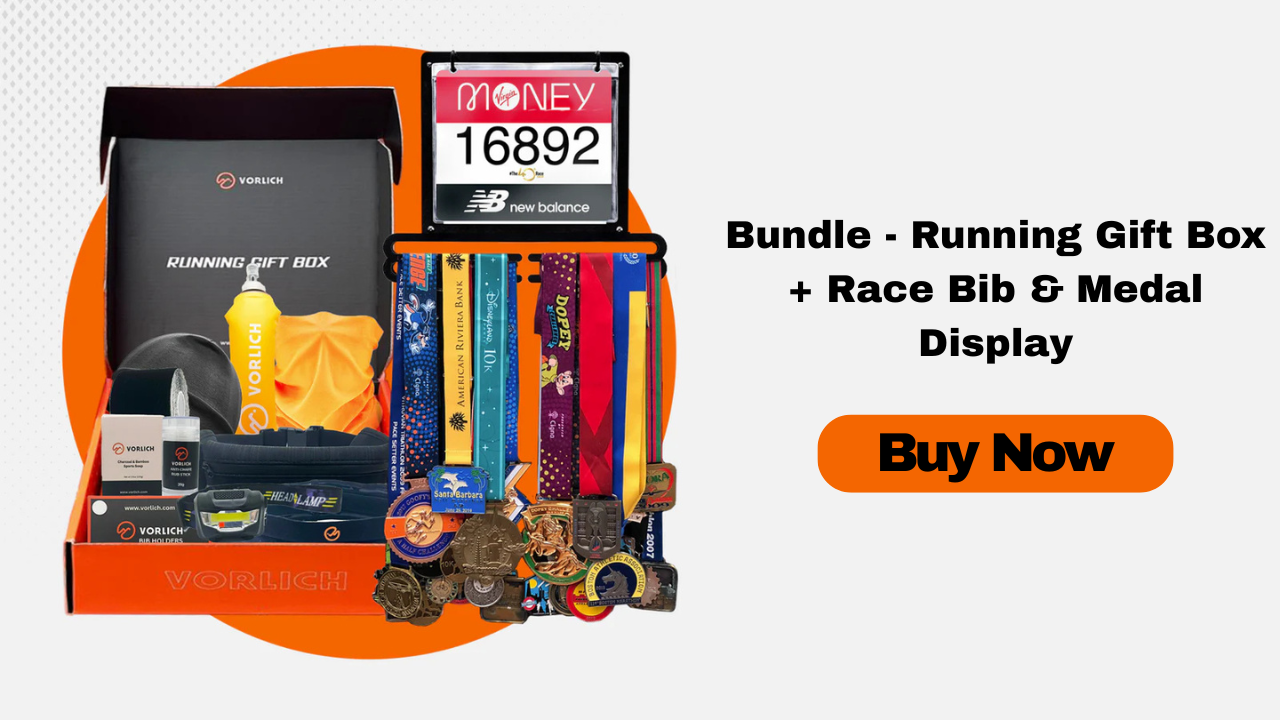
If you’re looking at a broader starter setup, curated collections such as the Vorlich Running Gift Box or the aqua version, the Vorlich Running Gift Box Aqua, bundle a running belt with other practical essentials like anti‑chafing balm and a folding bottle. This can be an efficient way for beginners to get a complete, coordinated gear setup that works well from day one.
Step‑by‑Step Checklist for Choosing the Right Running Belt
Use this simple process to narrow down your options and choose confidently.
-
Clarify your main use‑case
- Short daily runs only?
- Training for a 5K or 10K?
- Planning to add long runs later?
-
List your essentials
- Phone (what size?)
- Keys (how many?)
- ID, cash, card
- Gels or small snacks (for longer runs)
- Water (yes/no, bottle or soft flask?)
-
Decide on belt type
- Minimal tubular belt for very light carry
- Classic buckle belt for all‑round everyday use
- Hydration belt if you run long or in hot conditions
-
Measure your waist/hips
- Measure where you prefer the belt to sit.
- Compare with the size chart and don’t size “on hope.”
-
Check materials and features
- Soft, stretchy, and breathable fabric
- Secure zippers and strong buckles
- Reflective details for safety
- Separate key holder or pocket divider
-
Test for comfort and bounce
- Load it with your real gear.
- Jog in place, jump, and twist: it should stay secure.
- Adjust tightness until it feels stable but comfortable.
-
Think ahead to your training goals
- If you plan to increase distance, choose a belt that can handle a bit more storage than you need today.
- Consider how it will work with other gear you might add later (hydration, lights, race bib).
Frequently Asked Questions About Running Belts
Do I really need a running belt as a beginner?
You don’t have to use one, but a belt quickly becomes one of the most useful running accessories you can own. It keeps your hands free, protects your phone, and makes carrying keys and ID easy. Many minimal gear setups recommend a belt as a core item because it improves comfort without adding much weight—an idea explored further in resources focused on Running Gear That Improves Comfort Without Extra Weight.
Should I wear the belt on my waist or hips?
Try both and choose what feels better:
- Hips often feel more stable and reduce bounce.
- Waist may be more comfortable for some body shapes.
Will a running belt affect my running form?
A properly fitted, low‑bounce belt should not negatively affect your form. In fact, by removing items from your pockets and hands, it can help promote a more natural arm swing and balanced posture.
Can I use the same belt for training and racing?
Yes, many belts are versatile enough for everyday runs and races. For race day, just ensure it doesn’t interfere with your bib placement and that it can carry any gels or small items you’ll use. As your training evolves, combine thoughtful belt choice with smart scheduling, recovery, and motivation strategies to keep running enjoyable; resources like How to Keep Running Fun and Stress Free can help you maintain that long‑term consistency.
Is a running belt better than an armband?
Many runners find belts more comfortable because they:
- Keep the weight closer to your center of gravity
- Don’t interfere with arm swing
- Can carry more than just a phone
However, if you only want to carry a phone and prefer it on your arm, an armband can still be a valid option. It’s a matter of personal preference.
How many belts do I really need?
As a beginner, one well‑chosen, versatile belt is usually enough. Later, if you start trail running, doing long races, or training in extreme conditions, you might add a second belt with hydration or extra capacity.
Choosing the right running belt as a beginner doesn’t have to be confusing. Focus on fit, stability, and enough storage for your essentials, and think ahead to how your training might grow. A comfortable, reliable belt lets you stay hands‑free, keep your gear secure, and concentrate fully on the most important thing: building a running habit that feels sustainable, enjoyable, and rewarding.