

Running Gear That Improves Comfort and Nothing Else
When you first start running, it’s easy to believe you need tech-heavy shoes, performance watches, and advanced trackers to improve. But often the biggest change to how much you enjoy running comes from something simpler: running gear that improves comfort and nothing else. Comfortable runners run more often, recover better, and stick with the habit longer. This guide breaks down the essential comfort-focused running gear that doesn’t promise faster times or extra performance — just fewer distractions, fewer rubs and blisters, and more enjoyable miles.
Why Comfort Matters More Than You Think
Most training plans talk about mileage, pace, and workouts. Few talk about something just as important: how you feel while you run. Comfort-focused running gear doesn’t make you magically faster, but it can:
- Reduce friction that causes blisters, hot spots, and skin irritation.
- Limit distractions like bouncing bottles, slipping waistbands, and foggy glasses.
- Keep your temperature stable so you’re not shivering or overheating.
- Support consistent training because painful runs are runs you’re more likely to skip next time.
If you’re following a plan like a Simple 5K Training Plan for Beginner Runners, comfort becomes even more critical. The easier it feels to get out the door, the easier it is to stick with the plan.
Shoes & Socks: The Foundation of Comfortable Running
When it comes to comfort-only gear, shoes and socks are your starting point. They won’t automatically make you faster, but they will protect your feet so you can enjoy your miles.
Choosing Comfortable Running Shoes (Without Overthinking Tech)
You don’t need carbon plates, extreme stability features, or exotic foams to feel good while running. For comfort, focus on:
- Fit and width – Shoes should feel snug through the midfoot but allow your toes to spread naturally.
- Cushion level that matches your preference – Some runners prefer soft cushioning, others like a firmer feel.
- Heel comfort – The heel collar should not dig into your Achilles or rub during movement.
- Toe box height – Your toes should not hit the top of the shoe, especially on downhills.
Try these comfort tests in the store or at home:
- Walk briskly and lightly jog; check for any rubbing or hot spots.
- Wiggle your toes – you should have room, especially after your feet swell slightly during a run.
- Go up a half size from your everyday shoe if your toes feel cramped or you do longer runs.
Why Running Socks Might Be Your Best Comfort Upgrade
High-quality running socks are one of the cheapest but most impactful comfort upgrades. They don’t give you more speed, but they can almost eliminate blisters.
Look for socks that are:
- Technical or synthetic – such as polyester, nylon, or blends designed to wick moisture.
- Seamless or with flat toe seams to minimize rubbing.
- Ankle or crew height if you get heel or collar rub from your shoes.
- Light compression if you like a more secure feel (optional, purely comfort-based).
Avoid common discomfort triggers:
- Cotton socks that hold sweat and increase friction.
- Loose socks that bunch up under the arch or heel.
- Socks with thick, raised seams at the toes.
Anti-Chafe Solutions: Stopping Rub, Blisters & Hot Spots
Chafing is one of the fastest ways to turn a pleasant run into a painful one. It doesn’t help you train harder or smarter; it just makes you dread the shower afterward. That’s why anti-chafe products are pure comfort gear.
Where Chafing Typically Happens
Common chafe zones include:
- Inner thighs
- Underarms
- Sports bra band and straps (for women)
- Waistline where shorts or tights sit
- Toes, heels, and sides of feet
- Nipples (especially for men on longer runs)
Using Anti-Chafe Sticks & Balms
An anti-chafe stick is an easy, no-mess way to stay comfortable during hot or long runs. Apply it before you start, especially when you expect sweat, rain, or humidity.
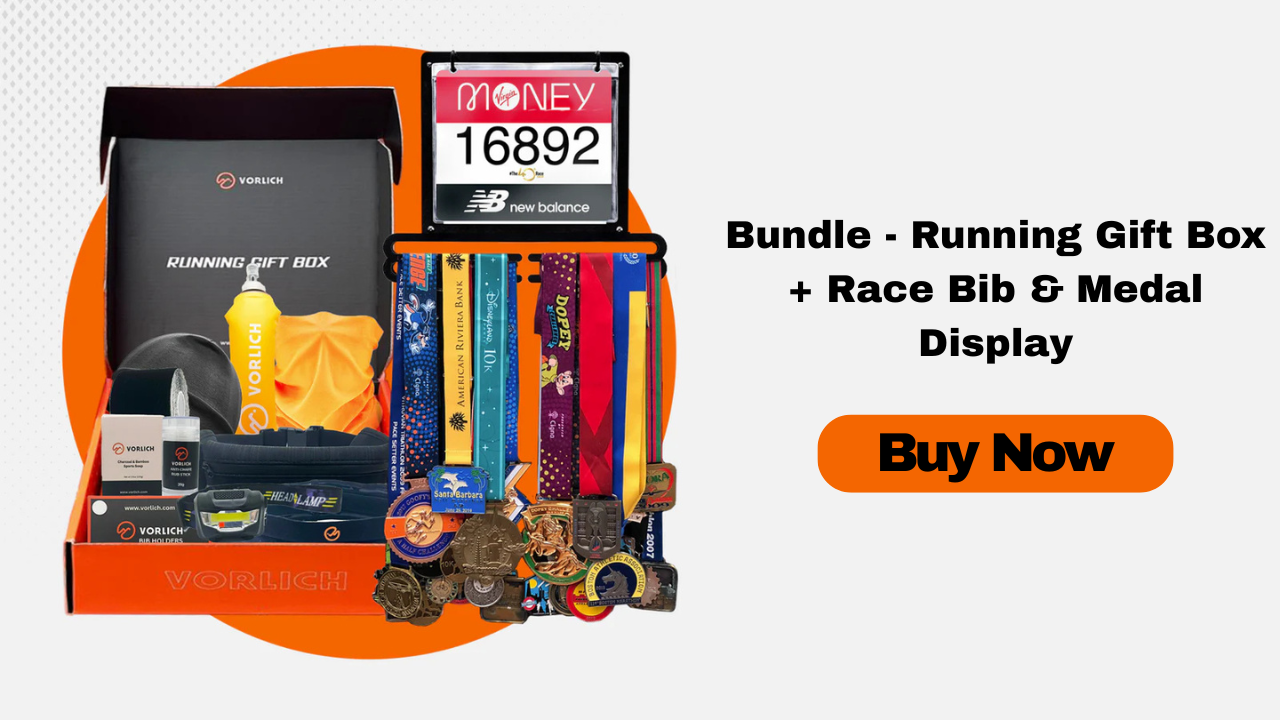
You can use a product like the Vorlich Anti-Chafe Stick on:
- Inner thighs and underarms
- Around sports bra straps and bands
- Along your sock line to prevent blisters
- Under waistbands or at pack strap contact points
The goal isn’t better performance — it’s to remove friction so you forget about your skin entirely and focus on your breathing, surroundings, and pacing.
Tops & Bottoms: Fabrics, Fit, and Seam Placement
Your clothing doesn’t need compression or advanced cooling zones to be effective. For most runners, the biggest comfort wins come from fabric choice, fit, and seam design.
Comfortable Running Tops
A good running top should feel like it disappears while you wear it. Look for:
- Moisture-wicking fabrics such as polyester or technical blends.
- Soft inner texture that doesn’t feel scratchy against your skin.
- Flat or offset seams to minimize chafing under arms and around the neck.
- Appropriate sleeve length – short sleeves or tanks for hot weather, long sleeves for cooler conditions.
Avoid cotton for most runs, especially if you sweat a lot. It holds moisture, becomes heavy, and can get cold quickly once you slow down.
Shorts, Tights, and Liners
Bottoms are a personal preference, but the comfort principles remain the same:
- Secure but not restrictive waistband – look for drawstrings or broad, soft waistbands.
- Built‑in liners that provide support and reduce the need for extra layers.
- Flatlock seams to prevent thigh and groin chafing.
- Length that matches your chafe pattern – some runners do best with short split shorts; others prefer mid‑thigh or longer.
If you’re focused on comfort, don’t chase the lightest or “fastest-looking” shorts. Choose whichever style keeps you from constantly adjusting your gear.
Sports Bras & Support for Women
A well‑fitting sports bra is pure comfort (and injury) protection. It doesn’t make you faster, but it enables you to run without pain or distractions.
- Check for wider straps if thinner ones dig in or cause shoulder discomfort.
- Look for ventilated panels to improve breathability.
- Test different closure styles (racerback vs. standard straps) to see which feels best on your shoulders and back.
- Make sure there’s no rubbing at the band, especially when you twist, bend, or raise your arms.
Weather Comfort: Staying Warm, Cool & Dry
Running in the wrong clothing for the weather can feel miserable. You may not need advanced thermal tech, but a few comfort-focused layers make it far easier to head out regularly.
Layering for Cooler Weather
In colder months, your goal is to stay warm without overheating or soaking your clothes in sweat. A simple layering strategy can help:
- Base layer – lightweight, moisture-wicking top close to the skin.
- Mid layer (optional) – slightly thicker long-sleeve for extra warmth.
- Outer layer – wind-resistant or water-repellent jacket for harsh conditions.
Small accessories can make a big difference. A warm but breathable hat helps your head stay comfortable without needing a heavy jacket. The Vorlich Running Beanie is designed specifically for running, offering warmth with minimal bulk or itching — ideal if you want comfort without extra weight or tech features.
Hot Weather Comfort
On warm days, comfort is about managing sweat and heat:
- Wear lightweight, breathable fabrics that dry quickly.
- Choose lighter colors to reflect sunlight.
- Prefer looser fits that allow air to circulate.
- Use sweat‑wicking headbands or caps to keep sweat out of your eyes.
Again, these don’t enhance performance features. They simply help your body regulate temperature so your run feels more comfortable and sustainable.
Hydration Gear That Keeps You Comfortable (Not Faster)
Hydration gear is often marketed for performance, but for most recreational runners, its main job is comfort: preventing dry mouth, headaches, and that heavy, thirsty feeling mid‑run.

Comfort-Focused Hydration Options
You can stay comfortable and hydrated using:
- Handheld bottles – easy for shorter to mid‑distance runs.
- Waist belts with bottles – keep your hands free, though fit is crucial to avoid bouncing.
- Hydration vests or packs – better for long runs or trail runs.
A flexible, soft bottle is often more comfortable to carry than a rigid one. Something like the Vorlich Folding Bottle can be folded down when empty, reducing bulk and bounce. That doesn’t make you faster; it just means less annoyance in your hands or pockets.
Hydration and Perceived Effort
Staying comfortably hydrated can reduce your perceived effort. When your mouth is dry or you feel dehydrated, every step feels harder. Hydration gear is about:
- Allowing you to sip small amounts regularly.
- Preventing post‑run headaches and fatigue.
- Keeping you comfortable enough to extend your runs gradually.
Belts, Vests & Pockets: Comfortable Ways to Carry Essentials
Most runners like to carry a phone, keys, or a small snack. The wrong setup can cause bouncing, digging, or rubbing — pure discomfort. The right setup quietly does its job and stays out of your way.
Key Considerations for Carry Systems
When choosing a belt or vest, look for:
- Stable fit – it should not ride up or twist as you move.
- Soft materials where it touches your skin.
- Enough capacity for your essentials, but not so large that it flops around half-empty.
- Easy access to pockets without stopping completely.
Comfort-focused gear often uses wide, elastic bands that distribute pressure and minimize digging into your hips or waist.
Pockets in Clothing vs. Separate Belts
For minimal setups, well-designed pockets in shorts or tights are often enough. Features to look for include:
- Internal key loops to prevent jingling.
- Stretchy phone pockets that hold your device close to the body.
- Secure zippers so you’re not worrying about losing items mid-run.
Small Comfort Accessories That Make a Big Difference
Not all accessories are necessary, but some offer a lot of comfort for very little cost or weight. The key is to focus on what actually solves a problem in your running, not what looks advanced.
Headwear & Headbands
Comfort-focused headwear can:
- Keep sweat out of your eyes.
- Reduce sun glare or protect your scalp.
- Provide light warmth without overheating.
Choose:
- Light caps for sunny or rainy days.
- Thinner beanies for cool, not freezing, conditions.
- Headbands if you mainly want sweat control or ear coverage.
Gloves
Cold fingers can make an otherwise pleasant run miserable. Lightweight, moisture-wicking gloves:
- Keep your hands comfortable in cool or cold weather.
- Are easy to tuck away if you warm up.
- Don’t affect your pace — they simply make going out in the cold more appealing.
Sunglasses
Running sunglasses aren’t about style or speed; they reduce squinting, headaches, and eye fatigue. For comfort, choose:
- Lightweight frames that don’t bounce.
- Non‑slip nose pads to stay in place when you sweat.
- UV protection to keep your eyes comfortable on bright days.
Minimalist Comfort Setups for Different Types of Runners
You don’t need a lot of gear to feel comfortable. In fact, minimalist setups often work best when chosen with intent. For more ideas on keeping it simple, you might also like this article on a Minimal Running Gear Setup for Beginners and Improvers.
Beginner Runner Comfort Setup
If you’re new and following a basic plan, aim for:
- Comfortable running shoes that fit well.
- Technical running socks.
- Moisture-wicking top and shorts or tights.
- Sports bra (for women) that fits well and doesn’t rub.
- Anti-chafe stick for known problem areas.
5K–10K Runner Comfort Setup
For runners consistently training for short to mid-distance:
- All the beginner items above.
- Lightweight belt or pocket system for phone and keys.
- Seasonal accessories – beanie, gloves, or cap as needed.
- Soft, collapsible water bottle for hot days or longer sessions.
Long‑Distance or Marathon Training Comfort Setup
Comfort becomes even more critical as duration increases:
- Shoes and socks you have tested on long runs.
- Anti-chafe coverage in all typical friction zones.
- Multiple layers for varying weather conditions.
- Hydration system (bottle, belt, or vest) that doesn’t bounce.
- Comfortable carrying solution for gels or snacks.
Common Comfort Mistakes Runners Make
Many runners suffer through avoidable discomfort because they assume it’s just part of the sport. Some common mistakes include:
- Wearing cotton for longer or sweaty runs, leading to chills, chafing, and heavy clothing.
- Ignoring hot spots – if something feels like it’s rubbing, it probably is.
- Sticking with painful shoes because they were expensive or are “supposed” to be fast.
- Carrying phones in loose pockets so they bounce and slap against your leg.
- Skipping anti-chafe products until after they’ve already chafed badly.
Addressing these issues doesn’t change your training plan, but it dramatically changes how enjoyable your training feels.
How to Test If Gear Truly Improves Comfort
To know if a piece of gear is actually helping, ask:
- Do I think about it during the run? Comfort gear should mostly disappear from your awareness.
- Did it prevent a specific problem? Less chafing, fewer blisters, less bouncing, or more stable temperature?
- Did it make it easier to start or finish the run? You’re more willing to go out when you know your gear won’t annoy you.
Test new items on shorter runs first:
- Try the gear on an easy run where you can stop or adjust if needed.
- Take mental notes: any rubbing, pressure points, or distractions?
- If it passes, use it on progressively longer runs.
Comfort Gear & Long‑Term Running Enjoyment
Comfort-focused running gear doesn’t chase performance metrics. Instead, it supports the one thing that ultimately matters most: consistency. When runs feel more comfortable, you’re more likely to:
- Stick with your training plan over weeks and months.
- Gradually build distance and confidence.
- View running as an enjoyable habit instead of a chore.
If you’re working on building a long-term routine, pairing smart comfort choices with strategies from resources like How to Stay Motivated During Long Training Periods can help you keep going when motivation dips.
And when you decide to sign up for a race, comfort gear becomes even more important. On race day you’re already managing nerves, pacing, and crowds — you don’t want to worry about blisters or painful chafing as well. Thoughtful gear choices will help you follow simple Race Day Tips That Help You Enjoy the Experience while keeping your focus where it belongs: enjoying the moment.
Ultimately, running gear that improves comfort and nothing else is not a luxury. It’s a practical way to support your body, reduce distractions, and make every mile more enjoyable. Invest in what keeps you comfortable — your future self, out on a relaxed, pain‑free run, will be glad you did.