

Running Gear Essentials That Are Worth the Investment
Investing in the right running gear can completely change how you feel on every run. Thoughtful choices help you run more comfortably, reduce your injury risk, and stay consistent with your training. Rather than buying every new gadget, it’s smarter to focus on a small set of running gear essentials that truly deliver value over time. In this guide, you’ll learn which pieces are worth the investment, what to look for when buying them, and how to match your gear to your running goals—whether you’re training for your first 5K, chasing a marathon PB, or simply running for stress relief and overall health.
Why Investing in Quality Running Gear Matters
Not all running gear is created equal. While you don’t need the most expensive products, a few high-quality essentials can make a noticeable difference in performance, comfort, and consistency. When you’re comfortable, you’re much more likely to show up, lace up, and keep going—especially on days when motivation is low.
Here’s why the right gear is worth the investment:
- Injury prevention: Supportive shoes and moisture-wicking clothing help reduce common issues such as blisters, joint pain, and chafing.
- Comfort and enjoyment: When you’re not distracted by rubbing seams, wet socks, or bouncing gear, running feels easier and more enjoyable.
- Consistency: Comfortable runners are consistent runners. The right gear helps you stay on track during tough training blocks and challenging conditions.
- Performance: Reliable data from a running watch or app helps you train smarter, not just harder, guiding pace, heart rate, and recovery.
- Safety: Proper visibility gear and hydration systems help you stay safe on early-morning, late-evening, and long-distance runs.
Thoughtful gear choices also support broader lifestyle benefits. Many runners find that simple running lifestyle changes—like preparing outfits the night before or having their favorite gear ready to go—make it easier to build habits that stick. For more ideas on integrating running into your daily routine in a sustainable way, see Running Lifestyle Changes That Improve Well Being.
1. Running Shoes: The Foundation of Your Gear
If you only invest in one piece of running equipment, make it a pair of proper running shoes. Shoes are your most important tool for absorbing impact, maintaining good form, and preventing overuse injuries.
How to Choose the Right Running Shoes
-
Know your terrain:
- Road shoes for pavement, sidewalks, and treadmills.
- Trail shoes with deeper lugs and better grip for dirt paths and technical trails.
- Hybrid shoes if you mix light trails with road running.
-
Match cushioning and support to your needs:
- Max cushioned shoes can help if you’re heavier, running long distances, or prone to joint pain.
- Neutral shoes work for most runners without specific gait issues.
- Stability shoes may help if you overpronate heavily (rolling inward excessively).
-
Get the right fit:
- Leave about a thumb’s width between your longest toe and the end of the shoe.
- Ensure the midfoot and heel feel snug but not tight.
- Test shoes later in the day when your feet are slightly swollen, similar to during a run.
When to Replace Your Running Shoes
- Typically every 300–500 miles (480–800 km).
- Watch for:
- Flattened cushioning and less bounce.
- Uneven outsole wear patterns.
- New aches in knees, hips, or shins that appear after a few months of use.
Investing in the right shoes early can protect you from common beginner mistakes. Many new runners underestimate how much shoe quality matters, which is one reason myths about “needing to be naturally gifted” persist. To avoid other misconceptions that slow progress, it’s worth reading about Common Beginner Running Myths That Slow Progress.
2. Performance Running Socks
Running socks are one of those small upgrades that deliver a surprisingly big return. Good socks help prevent blisters, regulate temperature, and keep your feet dry.
What to Look For in Running Socks
- Technical fabrics: Choose synthetic blends or merino wool, which wick sweat away from the skin. Avoid cotton, which stays wet and can cause blisters.
- Targeted cushioning: Light padding in the heel and forefoot helps reduce impact, especially on longer runs.
- Seam placement: Look for flat or seamless toes to lower friction.
- Compression: Mild compression around the arch or calf can improve comfort and reduce muscle fatigue.
-
Height:
- No-show or low-cut for road running in warm conditions.
- Quarter or crew length to reduce debris entry for trails or colder weather.
Why Quality Socks Are Worth the Investment
- They help you run longer without hot spots or blisters.
- They dry faster and stay lighter in the rain.
- They usually last longer than cheap multi-pack cotton socks.
3. Technical Running Clothing for All Seasons
Running in old cotton T‑shirts and casual shorts is fine for a short trial run. But if you want to run regularly and in all conditions, technical running apparel is worth it. It keeps you dry, regulates temperature, and reduces friction.
Warm-Weather Running Clothing Essentials
-
Moisture-wicking tops:
- Lightweight, breathable fabrics that pull sweat away from your skin.
- Look for mesh panels or ventilated zones in high-sweat areas.
-
Running shorts or tights:
- Shorts with built-in liners reduce the need for extra layers and cut down chafing.
- Lightweight running tights or capris can reduce muscle vibration and protect skin from sun or wind.
-
Sports bras (for women):
- High-impact support is critical, especially for longer distances.
- Seek moisture-wicking fabrics and wide, smooth straps.
Cold-Weather and Transitional Gear
Running in cooler temperatures is much more pleasant if you layer correctly. The goal is to stay warm without overheating.
- Base layer: A close-fitting, moisture-wicking top.
- Mid-layer: A light fleece or thermal top for insulation.
- Outer layer: A windproof or water-resistant jacket for rain, snow, or wind.
-
Accessories:
- Light gloves, a headband, or a beanie.
- Neck gaiter or buff for very cold runs.
If you struggle with early-morning runs in colder months, having the right clothing laid out the night before can make a huge difference. For practical mindset and routine tips, see How to Stay Motivated to Run During Dark Winter Mornings.
Key Features That Make Running Apparel Worth the Cost
- Flat-lock seams to minimize chafing.
- Reflective details for low-light visibility.
- Secure pockets for keys, ID, or gels.
- Quick-drying fabrics to improve comfort after heavy sweating or unexpected rain.
4. Anti-Chafe Solutions and Skin Protection
Chafing can turn an otherwise good run into a painful experience, especially on hot, humid, or long-distance days. Investing in simple anti-chafe products is an inexpensive way to prevent irritation and stay comfortable.
Where Chafing Commonly Occurs
- Inner thighs
- Underarms
- Sports bra band lines
- Waistband and short hems
- Between toes and around the heel if shoes or socks rub
Anti-Chafe Products That Work
- Anti-chafe sticks or balms: Apply to any area prone to friction before a run. Products like the Vorlich Anti-Chafe Stick are designed specifically for runners and offer long-lasting protection.
- Petroleum jelly–based products: Common, but can feel greasy and might stain some fabrics.
- Moisture-wicking clothing: Reduces friction and moisture build-up, the two main causes of chafing.
Anti-chafe solutions are a small investment with a big payoff, especially if you’re training for a race or slowly building weekly mileage.
5. Hydration Gear: Bottles, Belts, and Packs
Staying hydrated is essential for performance, health, and recovery. Even mild dehydration can make a run feel much harder than it needs to be. For anything longer than about 45–60 minutes (especially in heat), carrying water is worth considering.
Main Types of Hydration Gear
-
Handheld bottles:
- Good for short to medium runs.
- Often have a small pocket for keys or gels.
-
Hydration belts:
- Distribute weight around your waist.
- Can carry multiple small bottles and fuel.
-
Hydration vests or packs:
- Best for long runs, trail runs, or marathon training.
- Can carry larger volumes plus nutrition, phone, and layers.
Folding and Collapsible Bottles
Collapsible bottles are particularly useful because they get smaller as you drink, reducing bounce and bulk. The Vorlich Folding Bottle is an example of a space-saving design that fits comfortably into belts, vests, or even larger pockets. It’s an excellent choice if you want hydration gear that’s functional but doesn’t add unnecessary complexity to your setup.
If you’re wondering whether foldable bottles are a good choice for longer efforts or race prep, you may also want to read about Are Folding Water Bottles Good for Running Long Distances to better understand how they perform over time.

Choosing the Right Hydration Setup
- For short runs (under 60 minutes) in moderate temperatures:
- A small handheld bottle or access to water fountains may be enough.
- For long runs, marathon training, or trail runs:
- Consider a vest or belt with multiple bottles or a bladder.
- Make sure the fit is snug to avoid bouncing.
- For hot and humid conditions:
- Carry more water than you think you need.
- Include electrolytes to replace sodium lost in sweat.
6. Running Tech: Watches, Apps, and Trackers
Running technology doesn’t have to be complicated to be useful. A simple GPS watch or app can help you measure distance, track pace, and monitor your progress, all of which support smarter training over time.
Key Tech Options and Their Benefits
-
GPS running watches:
- Track distance, pace, route, and often heart rate.
- Help you follow structured workouts and intervals.
- Useful for race pacing and long-term training analysis.
-
Smartphones with running apps:
- Good starting point if you’re not ready to invest in a watch.
- Apps often include voice cues, training plans, and audio coaching.
-
Heart rate monitors:
- Enable heart-rate-based training zones.
- Help you manage intensity and reduce burnout risk.
Features Worth Paying For
- Accurate GPS tracking for distance and pace.
- Optical or chest-strap heart rate monitoring.
- Structured workout modes (intervals, tempo runs, etc.).
- Battery life that suits your longest runs.
- Water resistance for sweat and rain.
Tech can help keep you consistent and prevent overtraining by ensuring your easy runs are actually easy and your hard runs are truly purposeful. This is especially helpful if you’re working toward a specific distance like a 10K or half marathon, where structured training becomes more important.
7. Visibility and Safety Gear
If you run early in the morning, at dusk, or at night, visibility gear is not optional. It’s a safety essential. Drivers, cyclists, and other path users should be able to see you clearly.
Core Visibility Essentials
-
High-visibility clothing:
- Bright colors (neon yellow, orange, or lime).
- Reflective strips or panels on the front, back, and sides.
-
Reflective accessories:
- Vests, bands, or straps that can be added to any outfit.
-
Lights:
- Clip-on LED lights for front and back.
- Headlamps for unlit paths or trails.
Additional Safety Considerations
- Carry identification (ID card or wearable ID tag).
- Bring a phone in case of emergencies.
- Use one earbud or bone-conduction headphones to stay aware of your surroundings.
8. Recovery Tools That Support Consistent Training
Recovery gear is often overlooked but plays a major role in injury prevention and training consistency. The right tools help you manage soreness, maintain mobility, and show up fresh for your next run.
Useful Recovery Gear
- Foam roller: Helps release tight muscles and fascia in your quads, calves, hamstrings, and glutes.
- Massage ball or lacrosse ball: Excellent for targeting plantar fascia, glutes, and hip muscles.
- Compression socks or sleeves: Some runners find they reduce post-run soreness and swelling.
- Yoga mat: For stretching, mobility work, and core strength routines.
Routine Recovery Habits
- 5–10 minutes of gentle stretching after runs.
- Occasional self-massage with a foam roller.
- Staying on top of sleep, hydration, and balanced nutrition.
Even simple tools, used consistently, can reduce the risk of overuse injuries and keep running enjoyable long term.
9. Storage Solutions: Belts, Vests, and Pockets
Carrying your phone, keys, nutrition, and ID without annoying bouncing can be tricky without the right storage solution. This is where running belts, vests, and secure pockets become worth the investment.
Types of Storage Gear
-
Running belts:
- Minimal and lightweight.
- Ideal for keys, cards, a phone, and a gel or two.
-
Hydration vests:
- Combine storage and hydration.
- Lots of small pockets for layers, fuel, and phone.
-
Shorts and tights with integrated pockets:
- Back zip pockets for keys and cards.
- Side thigh pockets that hold a phone securely without bounce.
What Makes Storage Gear Worth Buying
- Snug, bounce-free fit.
- Water-resistant compartments for electronics.
- Easy access to fuel and water without stopping.
10. Smart Running Gear Upgrades and Gift-Worthy Essentials
Once you’ve covered your basics—shoes, socks, clothing, hydration, and visibility—you can start thinking about upgrades that add comfort, convenience, or motivation. Many of these also make excellent running gifts that genuinely support performance.
Examples of Worthwhile Upgrades
- Higher-end GPS watch with advanced metrics.
- Lightweight running sunglasses with UV protection.
- Bluetooth headphones designed for running.
- Multi-pocket shorts or tights with better storage design.
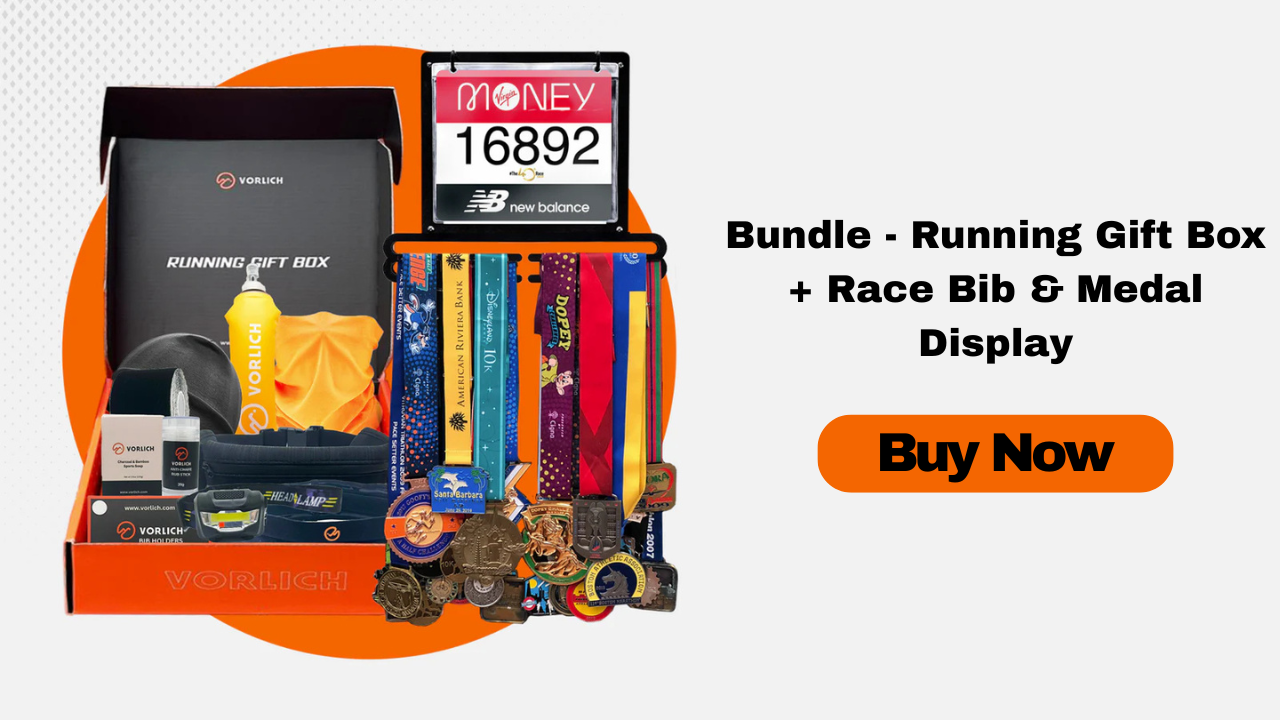
If you’re shopping for a runner, or you’re a runner looking to treat yourself, curated sets such as the Vorlich Running Gift Box can be a smart way to test well-chosen accessories without having to research each item individually. For more ideas focused on comfort and performance, especially for women, see Running Gift Ideas for Women Who Love Comfort and Performance.
How to Prioritize Your Running Gear Budget
You don’t need to buy everything at once. Focus on essentials that will bring the most benefit to your current training and build your kit gradually.
Tier 1: Must-Have Essentials (Start Here)
- Well-fitted running shoes.
- Technical socks to prevent blisters.
- At least one set of moisture-wicking running clothes (top and shorts or tights).
Tier 2: Strong Value Upgrades
- Basic GPS watch or reliable running app setup.
- Hydration solution (handheld, belt, vest, or folding bottle).
- Visibility gear for early or late runs.
- Anti-chafe stick for longer or warmer runs.
Tier 3: Nice-to-Have Extras
- Specialized recovery tools (foam rollers, massage guns).
- Lightweight running headphones.
- Extra outfits for different weather conditions.
- Premium accessories tailored to race goals or travel.
Prioritizing gear this way ensures your budget goes into items that directly impact comfort, safety, and training consistency first.
Caring for Your Running Gear so It Lasts Longer
Once you’ve invested in solid running gear essentials, a bit of maintenance will help them last longer and perform better.
How to Care for Running Shoes
- Rotate between two pairs if you run frequently.
- Loosen laces fully before removing to protect the heel counter.
- Air-dry away from direct heat and never machine-dry.
How to Care for Running Apparel and Accessories
- Wash technical fabrics on gentle cycles with mild detergent.
- Avoid fabric softeners—they can clog performance fibers.
- Hang dry instead of using high-heat dryers.
- Rinse hydration gear and allow it to dry completely to prevent mold.
Regular Gear Checks
- Inspect reflective details and replace items once reflectivity fades.
- Check belts, zippers, and buckles for wear and tear.
- Retire shoes once they pass their effective mileage or feel flat.
Quick Checklist: Running Gear Essentials Worth the Investment
Use this checklist to review your current setup or plan your next purchases. Focus on essentials that increase comfort, safety, and consistency.
-
Footwear
- Properly fitted road or trail running shoes.
- Performance running socks (synthetic or merino).
-
Clothing
- Moisture-wicking tops and shorts/tights.
- Sports bra with high-impact support (if needed).
- Weather-appropriate layers (base, mid, outer).
- Cold-weather accessories (gloves, hat, neck gaiter).
-
Comfort and Protection
- Anti-chafe stick or balm for friction-prone areas.
- UV-protective sunglasses and sunscreen for sunny days.
-
Hydration and Fuel
- Handheld, belt, vest, or folding bottle setup.
- Electrolytes or sports drink for longer or hot runs.
-
Tech and Safety
- GPS watch or reliable running app.
- Reflective gear and lights for low-light runs.
- ID, phone, and basic safety plan.
-
Recovery and Consistency
- Foam roller or massage tools.
- Compression socks or sleeves (optional but helpful).
- Simple post-run mobility or stretching routine.
As you refine your setup and develop your running routine, remember that gear is there to support your goals, not complicate them. Start with the basics, upgrade what truly improves your comfort and confidence, and let your experience guide where you invest next. Well-chosen running gear essentials will keep you moving forward, one comfortable, confident run at a time.