

Essential Running Accessories for Beginner Runners
Starting to run can feel both exciting and overwhelming. Between choosing the right running shoes, figuring out how far to go, and planning your weekly schedule, it’s easy to overlook one important detail: the essential running accessories that make every run safer, more comfortable, and more enjoyable. This guide walks beginner runners through the must-have gear, why it matters, and how to choose the right accessories without wasting money. By the end, you’ll know exactly what you need to build a smart, beginner-friendly running kit that can grow with you as you progress from your first mile to your first race.
Why Running Accessories Matter for Beginner Runners
When you’re just starting out, it may seem like all you need is a pair of shoes. While you can begin with minimal gear, the right accessories help you:
- Prevent common injuries like blisters, chafing, or shin splints.
- Stay comfortable in different weather conditions (heat, cold, rain).
- Track your progress and stay motivated with data and goals.
- Run more safely in low light or busy areas.
- Build a consistent habit because running feels better and more manageable.
With so many options out there, it’s easy to overspend or buy accessories you don’t need. This guide focuses on beginner-friendly, high-value accessories that truly improve comfort, performance, and safety, especially during your first months of running.
Running Shoes & Socks: The Foundation of Comfortable Running
Your footwear is the most important part of your running gear. Poor shoe choice can quickly lead to pain in your feet, knees, or hips, while the right shoes can make running feel smoother and more natural.
How to Choose Beginner-Friendly Running Shoes
When selecting running shoes, focus on:
- Fit: There should be about a thumb’s width of space between your longest toe and the front of the shoe.
- Comfort: They should feel comfortable from the first try-on. Don’t expect them to “break in.”
- Support & cushioning: Beginners often benefit from a shoe with moderate cushioning to reduce impact.
- Terrain: Choose road-running shoes for pavement and trail shoes for rough or uneven surfaces.
If you’re just starting and unsure where to begin, combine good shoes with a structured plan like this Beginner Running Plan Without Expensive Equipment. It helps you build mileage gradually while maximizing comfort with basic, essential gear.
Why Running-Specific Socks Matter
Many beginners underestimate the importance of technical running socks. Cotton socks absorb sweat and stay wet, increasing the risk of blisters and hot spots.
Look for socks that offer:
- Moisture-wicking fabric (polyester, nylon, or merino wool).
- Seamless toes to reduce friction.
- Light compression around the arch and ankle for stability.
- Different thickness options for warm vs. cold weather.
These simple upgrades can dramatically improve your comfort on every run, especially as you start building distance.
Clothing & Layers: Dressing Smart for Every Run
Running feels much better when you dress for the weather. The goal is to stay dry, comfortable, and chafe-free regardless of the temperature.
Moisture-Wicking Tops & Bottoms
Avoid heavy cotton shirts and shorts. Instead, opt for:
- Moisture-wicking shirts (short-sleeve or long-sleeve) made from technical fabrics.
- Running shorts or tights with a snug but comfortable fit to reduce friction.
- Flat seams to minimize rubbing on longer runs.
Women should prioritize a supportive sports bra with moisture-wicking properties and minimal seams. For more style and comfort inspiration, explore The Best Running Apparel for Women to Stay Comfortable and Stylish and use those tips to assemble a practical, flattering running wardrobe.
Layering for Different Seasons
Beginners often overdress. A good rule of thumb: dress as if it’s about 10–15°F (5–8°C) warmer than the actual temperature, since your body heats up while running.
- Cool weather: Wear a moisture-wicking base layer, a light long-sleeve top, and optional gloves.
- Cold weather: Add a thermal layer and windproof jacket, plus a hat or headband.
- Warm weather: Choose light, breathable shorts and a sleeveless or short-sleeve top.
In hot conditions, accessories specifically designed for heat can help. This guide on Best Running Accessories for Hot Weather Running offers ideas for staying cool, protected from the sun, and properly hydrated.
Hydration Gear: Bottles, Belts & Packs
Hydration is critical, especially for beginner runners who may not yet recognize early signs of dehydration like headaches or unusual fatigue.
When Do You Need Hydration Accessories?
As a general guideline, consider bringing water if:
- You’ll be running longer than 30–45 minutes.
- The weather is hot or humid.
- You tend to sweat heavily.
- You’re running in remote areas with limited access to water.
Types of Hydration Accessories
- Handheld bottles: Good for short to medium runs. They’re easy to carry and access.
- Hydration belts: Sit around your waist with one or more small bottles; ideal for runners who dislike holding things.
- Hydration vests or packs: Best for longer distances or trail running, with room for extra gear and fuel.
For beginners who want something lightweight and space-saving, a collapsible bottle like the Vorlich Folding Bottle is especially convenient. It’s easy to carry, doesn’t slosh as much as rigid bottles, and packs away small when not in use.
Anti-Chafe & Skin Protection
Chafing can quickly turn an enjoyable run into a painful experience, especially in warm weather or on longer routes. Even beginners can experience skin irritation in areas where clothing, seams, or skin rub together.
Common Chafing Hotspots
- Inner thighs
- Underarms
- Sports bra or chest strap areas
- Waistband and where socks meet shoes
Using Anti-Chafe Products
To protect your skin:
- Apply an anti-chafe stick or balm generously to friction-prone areas before running.
- Use moisture-wicking clothing to reduce dampness that makes chafing worse.
- Test your gear on shorter runs before long outings to identify problem areas.
A purpose-made product like the Vorlich Anti-Chafe Stick is designed specifically for runners and endurance athletes. It’s easy to apply, long-lasting, and a smart addition to your running bag even when you’re just starting out.

Headwear, Sweatbands & Weather Protection
Headwear is more than just a style choice. The right accessories can help manage sweat, shield your eyes, and regulate temperature.
Useful Headwear for Beginner Runners
- Running caps or visors: Protect your face from sun and rain while keeping sweat out of your eyes.
- Beanies or thermal headbands: Keep your ears and head warm in cold weather without overheating.
- Sweatbands and headbands: Ideal if you sweat heavily or have longer hair that can fall into your face.
For year-round training, a reliable set of sweatbands and headbands helps manage sweat in both hot and cool conditions. If you’re exploring seasonal gear, a resource like Top Sweatband and Headband Set for Runners Who Train Year-Round can help you choose options that match your typical weather and training style.
Tech & Gadgets: Watches, Apps & Tracking Devices
Technology isn’t required to start running, but it can make training more structured and motivating. Even basic tracking helps you see progress and stay consistent.
Beginner-Friendly Tech Options
- Smartphone apps: Many free apps track distance, pace, and route using GPS. Great for beginners on a budget.
- Basic fitness trackers: Count steps, monitor heart rate, and record workouts.
- GPS running watches: Offer accurate pace and distance tracking, lap timing, and advanced stats like cadence.
As you progress to longer events such as a half marathon, a more advanced watch can be especially helpful. If you’re curious about what features matter most, guides like Top Running Watches for Half Marathoners can help you understand which options will grow with you as your training becomes more ambitious.
Why Tracking Your Runs Helps Beginners
Using tech to log your runs can:
- Help you see progress in distance, speed, and consistency.
- Prevent overtraining by highlighting when you’re doing too much too soon.
- Provide data to plan future workouts and races more intelligently.
Visibility & Safety Accessories for Outdoor Runs
If you run outdoors—especially early in the morning, at dusk, or at night—visibility and safety accessories are non-negotiable.
Essential Safety Accessories
- High-visibility clothing: Bright or fluorescent colors help drivers and cyclists see you.
- Reflective gear: Vests, ankle bands, or reflective strips on jackets and shoes increase visibility in low light.
- Lights: Clip-on LED lights or headlamps help you see and be seen.
- ID and emergency contact info: Wear a small tag or bracelet with your name and emergency contact, especially when running alone.
Traffic & Route Awareness
Along with reflective gear:
- Run facing traffic when there’s no sidewalk.
- Keep volume low if using headphones, so you can hear your surroundings.
- Share your route or use live tracking when running in remote areas.
Storage Solutions: Belts, Armbands & Pockets
Even beginner runners often need to carry a few essentials: keys, phone, ID, and maybe a small snack or gel on longer runs. Well-designed storage accessories keep these items secure without bouncing.
Popular Storage Options
- Running belts: Soft, stretchy belts that sit snugly around your waist to hold your phone, keys, and cards.
- Armbands: Secure your smartphone to your arm, making it easy to access music or apps.
- Shorts and tights with pockets: Some running bottoms feature secure side or back pockets.
Consider what you actually need to carry and choose the lightest, simplest option that meets those needs. The less you have bouncing around, the more natural your running form will feel.
Recovery Tools & Foot Care Essentials
Recovery is as important as the run itself—especially for beginners whose bodies are still adjusting to the impact and repetition of running. Smart recovery tools and foot care products can help you stay consistent and avoid time off due to minor issues.
Basic Recovery Accessories for Beginners
- Foam roller: Helps relieve tight muscles in the calves, quads, and glutes.
- Massage ball or lacrosse ball: Great for targeted relief, especially in the feet and hips.
- Compression socks: May help reduce post-run soreness and swelling in the lower legs.
Foot Care for Runners
Your feet take the biggest impact with every step, so taking care of them is essential for long-term consistency. Consider:
- Moisturizing dry or cracked skin regularly.
- Trimming toenails correctly to avoid bruised or black toenails.
- Using blister plasters or tape on sensitive spots.
Thoughtful foot care products can also make excellent gifts for runners and triathletes, whether you’re treating yourself or a training partner. Resources like Best Foot Care Products to Gift Runners and Triathletes can help you discover high-value items that support recovery and long-term comfort.
Race-Day Gear & Motivation Accessories
Even if you’re just getting started, signing up for a 5K or fun run can be an amazing motivator. Having a few race-day specific accessories makes the experience smoother and less stressful.
Helpful Race-Day Accessories
- Race belt: Holds your race bib without needing safety pins.
- Small hydration option: A handheld or belt if aid stations are sparse.
- Throwaway layer: An old sweatshirt or top to stay warm at the start line.
- Anti-chafe and sunscreen: Essential for longer events or sunny weather.
Keeping Motivation High
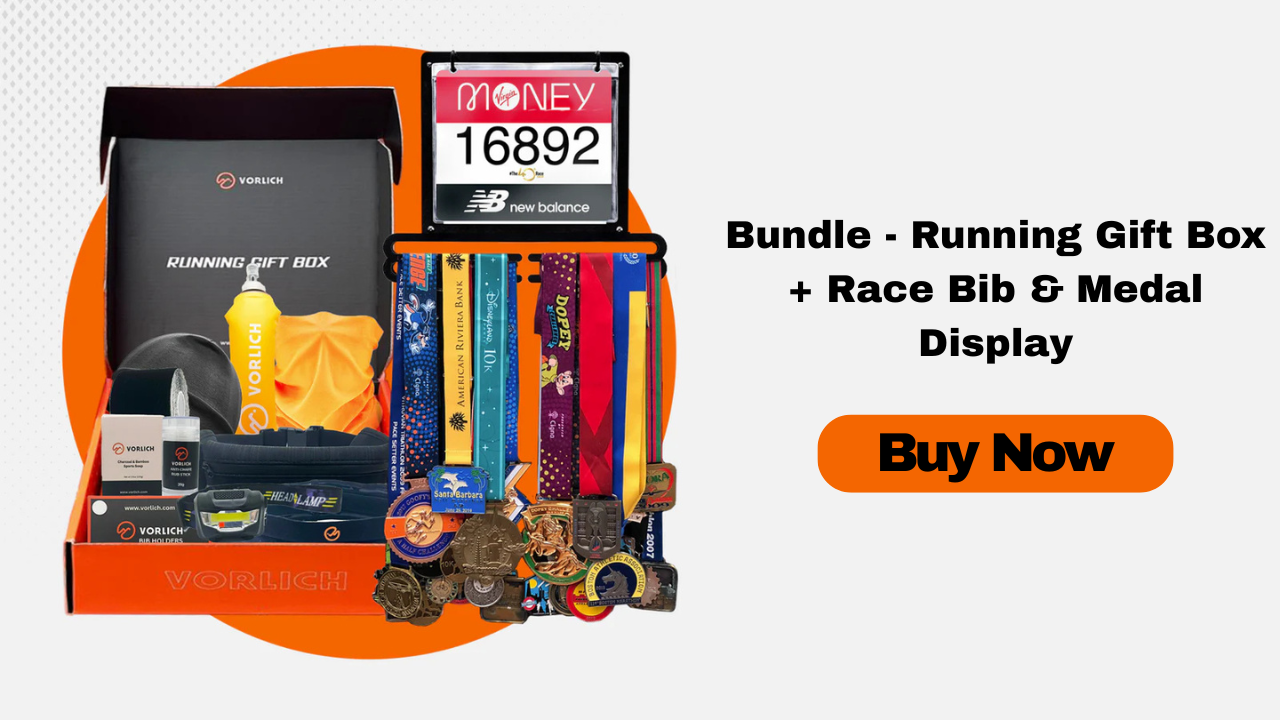
As you collect race bibs and medals, you’ll likely want a place to store or display them. Creative options can keep your motivation strong by reminding you how far you’ve come. If you’re looking for thoughtful, running-themed presents—either for yourself or another new runner—consider curated gift options such as the Vorlich Running Gift Box, which bundles useful accessories into one ready-made package.
How to Prioritize Accessories on a Beginner’s Budget
You don’t have to buy everything at once. Instead, focus on the highest-impact accessories first and add others gradually as your mileage and goals grow.
Phase 1: Absolute Essentials
- Quality running shoes (top priority).
- Technical socks to prevent blisters.
- Moisture-wicking top and shorts/tights.
- Basic safety gear like reflective details or a small light if running in low light.
Phase 2: Comfort & Injury Prevention
- Anti-chafe stick for longer or warmer runs.
- Headwear (cap, headband, or beanie depending on climate).
- Hydration solution such as a handheld or folding bottle for runs over 30–45 minutes.
Phase 3: Performance & Motivation
- GPS watch or upgraded tracker once you’re more consistent.
- Running belt or vest for carrying fuel and extra items on longer runs.
- Recovery tools like a foam roller and compression gear.
Pairing the right accessories with a smart training structure—such as the guidance in Weekly Mileage Guidelines for 5K 10K and Marathon Training—helps you progress steadily without overloading your body or your budget.
Caring for Your Running Accessories
Taking care of your gear makes it last longer, saving you money and keeping your runs comfortable.
Basic Care Tips
- Wash technical clothing cold and avoid fabric softener, which can damage moisture-wicking properties.
- Air-dry shoes and avoid direct heat, which can warp cushioning or glue.
- Rinse hydration bottles and bladders after every use and allow them to dry fully.
- Store anti-chafe sticks and creams in a cool place to maintain their texture.
When to Replace Accessories
- Shoes: Typically every 300–500 miles, depending on body weight, surface, and shoe type.
- Socks: When fabric thins, loses shape, or develops persistent odor.
- Sports bras: When elastic loosens or support decreases.
- Tech items: When battery life declines significantly or tracking becomes unreliable.
Final Tips for Beginner Runners
Building your running accessory kit should feel empowering, not overwhelming. Keep these simple principles in mind:
- Start with comfort and safety before chasing advanced performance gear.
- Add accessories gradually as your training volume increases.
- Pay attention to how your body feels—if something always hurts or rubs, adjust your gear.
- Use training plans and reliable resources to guide your progress so your gear supports your goals, not the other way around.
With the right accessories—and a bit of patience—you’ll find that running becomes more enjoyable, sustainable, and rewarding. Whether you’re preparing for your first 5K or simply aiming to run a few times per week, thoughtful gear choices will help you stay healthy, confident, and excited to lace up your shoes and head out the door.