

Why Race Bibs Tell the Story of a Runner’s Journey
Every race you run leaves a mark, but not just in your memory or on your training log. Your race bibs quietly capture the story of where you started, what you’ve overcome, and how far you’ve come as a runner. From your very first 5K to your dream marathon, those crumpled, sweat-stained pieces of paper say more about your running journey than you might realize. In this article, we’ll explore why race bibs matter, how they reflect your growth, and how you can turn them into powerful sources of motivation, meaning, and memories.
What Race Bibs Really Represent in a Runner’s Journey
A race bib is more than a number pinned to your shirt. It’s a physical reminder that you showed up, stepped over the start line, and committed to finishing. For many runners, race bibs become personal running milestones that reflect progress in ways a GPS watch or app never could.
Race bibs often represent:
- Commitment: You registered, trained, and arrived on race day.
- Courage: You stepped into the unknown, whether it was your first race or your fastest attempt.
- Community: Each bib connects you to thousands of other runners sharing the same streets and goals.
- Identity: Over time, your stack of bibs becomes proof that you are, in fact, a runner.
From an SEO perspective, many runners search for terms like “race bib memories,” “what to do with race bibs,” or “how to display race bibs.” Understanding why these bibs matter is the first step in turning them from clutter into a meaningful part of your running story.
From First Bib to Personal Records: Tracking Your Growth
Think about your first race bib. Maybe the number felt huge, the safety pins felt awkward, and you weren’t even sure which side of your shirt to pin it on. Now compare that to a bib from a recent race. You probably move through race morning with a lot more confidence—and your bib quietly shows that evolution.
Race bibs reflect your running journey in several ways:
-
Distance progression:
- Starting with fun runs and 5Ks
- Moving up to 10Ks, half marathons, and beyond
- Eventually tackling marathons or even ultras
-
Time and performance:
- Writing your finish time on each bib
- Tracking when you beat an old personal record (PR)
- Comparing races on the same course over different years
-
Training phases:
- Races that capped off a training plan
- Events you used as “tune-up” races
- Recovery races where the main goal was simply to finish
If you’re just starting to collect bibs, pairing them with a structured plan can make each one more meaningful. For instance, following a focused program like a dedicated 5K training plan for improving endurance helps you attach a story of preparation and progress to every race number you earn.
The Emotional Story Behind Each Bib
Every bib has a story. When you flip through them, you don’t just see dates and distances—you feel the emotions you carried on those days. Race bibs often remind runners of:
-
Major life moments:
- A first race after becoming a parent
- A comeback race after injury or illness
- A charity race run in memory of a loved one
-
Hard-earned victories:
- Finally breaking a time barrier—like a sub-30-minute 5K or sub-2-hour half marathon
- Finishing a race you doubted you could complete
- Races in brutal weather where just finishing felt heroic
-
Lessons learned:
- Races where pacing went wrong—but taught you patience
- Nutrition mistakes that shaped how you fuel now
- Overambitious starts that turned into humbling walk–run finishes
These emotional connections are exactly why many runners turn race bibs into displays or memory boards. If you’re curious about the deeper emotional value behind bib collecting, you can explore more about race bibs and memories and how they become powerful personal symbols over time.
How Race Bibs Keep You Motivated to Keep Running
Motivation is rarely a straight line. There are weeks when you feel unstoppable, and others when putting on your shoes feels like a chore. Race bibs can act as visual motivation tools when your willpower dips.
Here’s how race bibs help keep you going:
- Visible proof of your consistency: A wall or binder full of bibs shows you how often you’ve already chosen to show up.
- Reminders of tough finishes: Seeing bibs from races that felt hard—but where you finished anyway—makes current challenges feel more manageable.
- Future inspiration: An empty space waiting for the “next bib” can nudge you to sign up for another race.
If you struggle to stay consistent between races, pairing your race bib memories with practical mindset strategies can help. Resources like how to stay motivated during long training periods combine emotional reminders with actionable tips, helping ensure that the bibs on your wall continue to multiply.
Race Bibs as Part of Your Running Identity
For many runners, race bibs become a central part of their running identity. They visually answer questions like:
- “How long have you been running?”
- “What distances do you like most?”
- “Which races are you proudest of?”
Over time, your bibs might reflect:
- Different running seasons: A phase focused on short, fast races followed by years of marathons or trail events.
-
Types of races you love:
- Big-city marathons with massive crowds
- Small local races where volunteers know your name
- Themed runs, relay races, or charity events
- Geographic stories: Bibs from travel races, destination marathons, or hometown events you run every year.
When visitors see your bib collection, they’re not just looking at paper—they’re seeing the visible outline of your commitment, priorities, and passions as a runner.
Organizing and Preserving Your Race Bibs
Random piles of race bibs stuffed into drawers don’t tell a very clear story. To turn them into a real record of your journey, a little organization goes a long way.
Here are some simple, practical ways to preserve and organize your bibs:
-
Label each bib:
- Write the race name and date
- Add your finish time and distance
- Note weather or special details (e.g., “first race post-injury”)
-
Use a consistent system:
- Sort by distance (5K, 10K, half, marathon)
- Or sort chronologically to show your timeline
- Or group by place (local events vs. destination races)
-
Protect them physically:
- Store in plastic sleeves, binders, or dedicated display sheets
- Keep them away from moisture and direct sunlight
- Consider using archival-safe materials for long-term preservation
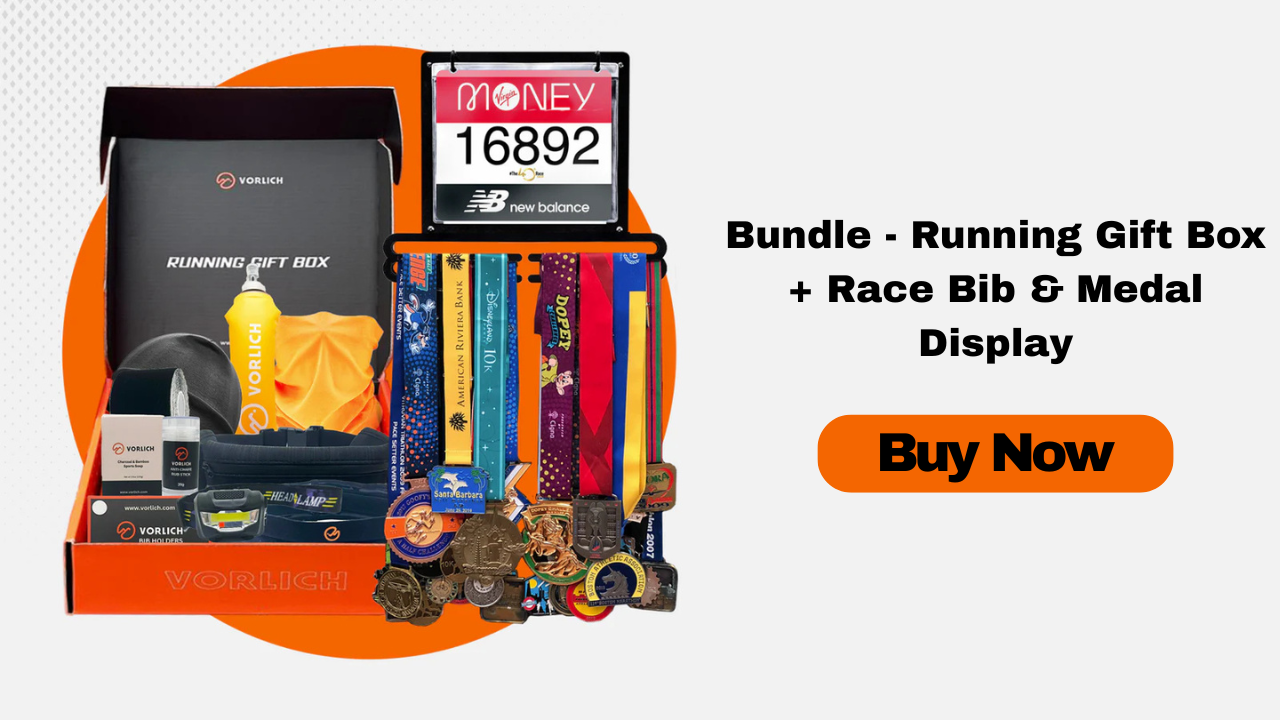
Purpose-built solutions like a dedicated Vorlich Medal Display make it easier to both protect and show off your race bibs and medals in a clean, organized way. These types of displays help transform scattered souvenirs into a coherent, inspiring visual story.
Creative Ways to Display Race Bibs at Home
Turning race bibs into displays doesn’t just keep them safe—it makes your progress visible every single day. A good race bib display can be both decorative and motivational, turning any wall into a reminder of what you’ve accomplished.
Popular ways to display race bibs include:
-
Bib and medal wall displays:
- Wooden or metal racks that hold medals and bibs together
- Frames that showcase your favorite race or a PR event
- Multi-layer displays that mix photos, bibs, and medals
-
Bib albums or binders:
- Organized like a photo album, easy to flip through
- Ideal if you prefer a cleaner look on your walls
- Perfect for runners with many races under their belt
-
Collage and art projects:
- Bib collages forming shapes or words (like “RUN”)
- Tabletops or desks covered with bibs and sealed with resin
- Shadow boxes combining race bibs, medals, and photos
If you plan to grow your collection, using a flexible solution like the Vorlich Display Bundle provides additional display sheets so you can keep adding new bibs and medals without constantly rebuilding your setup.

For even more inspiration, you can explore different layouts and ideas in resources such as creative ways to display running medals and bibs, which offers practical suggestions for both small spaces and large collections.
Race Bibs and the Psychology of Running
Race bibs are powerful because they tap into some core psychological drivers that keep runners coming back to the start line.
They reinforce:
- Identity-based motivation: When you see a wall full of bibs, you don’t just think “I run sometimes”—you think “I am a runner.” That identity is extremely motivating.
- Progress tracking: Humans are motivated by visible progress. Bibs make that progress tangible in a way that numbers on a screen can’t fully match.
- Positive reinforcement: Each bib acts as a mini reward—a reminder that effort leads to completion and growth.
- Storytelling: We understand our lives through stories. Race bibs give structure to your running story, from beginner to experienced athlete.
On tough days, looking at your collection can shift your mindset from “I can’t do this” to “I’ve done this before—and I’ll do it again.”
How Race Bibs Can Improve Your Training
Race bibs aren’t just sentimental—they can be surprisingly practical for improving your training, racing strategy, and long-term performance.
Here’s how to use them as a training tool:
-
Analyze patterns:
- Group bibs by race distance and note your times.
- Identify when you were strongest—what type of training did you follow then?
- Notice if certain weather or course types affect you more than others.
-
Refine your race strategy:
- Use notes on bibs to remember pacing mistakes.
- Track which fueling strategies worked well.
- Record pre-race routines that led to strong performances.
-
Set realistic goals:
- Compare your current goal with past results.
- Use your timeline to plan smart progress (e.g., shaving off a few minutes each season).
If you’re in the early stages of your journey, matching each new race bib with a thoughtful, structured running plan helps ensure that every number represents real improvement. Guides like a beginner running plan that builds confidence are especially helpful for newer runners who want their first few bibs to mark clear, steady progress rather than random, scattered efforts.
Sustainable and Mindful Bib Collecting
As you run more races, your collection can grow quickly. Being intentional about how you collect, store, and display race bibs helps keep them meaningful instead of overwhelming.
Consider a mindful approach:
-
Be selective:
- Keep all your bibs, but give special display space to the most meaningful ones.
- Highlight PRs, first-time distances, or especially emotional races.
-
Rotate displays:
- Update your display every season with your most recent events.
- Store older bibs safely but keep your wall focused and uncluttered.
-
Combine digital and physical records:
- Scan bibs and store them with race photos.
- Keep a simple spreadsheet with dates, distances, and times.
This kind of intentional approach keeps your race bib collection powerful, manageable, and aligned with your long-term running goals.
Building Your Running Story, One Bib at a Time
Every time you pin on a new race bib, you’re not just preparing for another finish line—you’re adding a new chapter to your running story. That story includes:
- The moment you decided to sign up instead of just thinking about it
- The training days you completed when you didn’t feel like it
- The support you received from friends, family, and fellow runners
- The mental battles you faced between the start and finish line
Whether you’ve collected only a few bibs or dozens, treating them with a bit of care and attention can change how you see your own journey. They stop being random mementos and start becoming a timeline of courage, persistence, and growth.
As your stack of bibs grows, you’ll probably find that your relationship with running itself shifts. You’ll see more clearly how far you’ve come, and how capable you are of continuing to move forward—one race, one bib, one step at a time.
Frequently Asked Questions About Race Bibs
Do race bibs really matter if I’m not a “serious” runner?
Yes. Race bibs matter not because of how fast you run, but because of what they represent: commitment, effort, and courage. Whether you finish first or near the back, that bib proves you showed up and did the work.
What is the best way to start organizing race bibs?
Start simple:
- Gather all your bibs in one place.
- Write the race name, date, distance, and finish time on each one.
- Sort them either by date or distance.
- Choose a storage method—binder, wall display, or both.
How can race bibs help me stay motivated to train?
Put your race bibs somewhere visible—near your running shoes, treadmill, or training space. When motivation dips, looking at the physical evidence of what you’ve already achieved can make it easier to head out the door. Pairing this with a structured routine and mindset strategies, like those in how to stay motivated during long training periods, gives you both emotional and practical support.
How do race bibs relate to medals and other running memorabilia?
Race bibs and medals often go together: the bib represents the start line commitment; the medal represents the finish line achievement. Displaying them side by side—using a system like the Vorlich Medal Display or an expanded option like the Vorlich Display Bundle—creates a complete visual story of each race from beginning to end.
Is it worth keeping bibs from smaller or “imperfect” races?
Absolutely. In fact, the races that didn’t go perfectly often teach you the most. Those “off days” can be powerful reminders that growth isn’t linear—and that you kept going anyway. Over time, those bibs may become some of the most meaningful in your collection.
In the end, race bibs tell the story of your running journey not because they’re fancy or flawless, but because they are yours. Each one is a tangible reminder that you chose to start, and you chose to keep moving forward—and that alone is worth celebrating.