Staying properly hydrated can make the difference between a personal best and a painful DNF for runners and triathletes. That’s why hydration packs and bottles are some of the most practical, appreciated, and performance-boosting gifts you can give an endurance athlete. In this in-depth guide, you’ll find everything you need to choose the best hydration systems for runners and triathletes—from handheld bottles and waist belts to advanced hydration vests and triathlon-friendly systems—along with tips on sizing, features, and how to match each option to the athlete’s training and racing goals.
- Why Hydration Matters for Runners and Triathletes
- Key Factors When Choosing Hydration Gifts
- Best Hydration Packs for Runners and Trail Runners
- Top Hydration Packs and Systems for Triathletes
- Best Running Water Bottles and Handhelds
- Hydration Belts and Waist Packs
- Race-Day Hydration Strategies to Pair with Your Gift
- How to Choose the Right Size and Fit
- Must-Have Features in Modern Hydration Gear
- Care, Cleaning, and Maintenance Tips
- Budget Guide: Best Hydration Gifts at Every Price Point
- Who Each Hydration Option Is Best For
- Final Tips for Choosing the Perfect Hydration Gift

Why Hydration Matters for Runners and Triathletes
Hydration is more than quenching thirst; it’s a critical part of performance, endurance, and recovery. Even a small loss of body fluid can affect:
- Speed and power – Dehydration reduces blood volume, making it harder for the heart to pump oxygen to working muscles.
- Endurance – Long-distance runners and triathletes rely on steady fluid intake to delay fatigue.
- Thermoregulation – Without enough fluid, the body struggles to cool itself, especially in hot or humid conditions.
- Concentration and decision-making – Critical during technical trail descents and in triathlon transitions.
For athletes planning big events like marathons, half marathons, or Ironman races, thoughtful hydration gifts sit alongside items like race day endurance and energy strategies as pillars of a well-prepared training plan.
Key Factors When Choosing Hydration Gifts
Before picking a hydration pack or bottle, think about how the runner or triathlete actually trains and races. The best hydration gift is the one they’ll use often, not just once or twice.
- Typical distance – Short 5–10K runs, half marathons, ultras, or full triathlons all require different solutions.
- Terrain – Road running, trail running, and multi-sport triathlon setups demand different storage and access designs.
- Climate – Hot and humid environments require more frequent access to fluids and higher capacity.
- Race rules – Some races offer frequent aid stations; others are more self-supported.
- Personal preference – Some people hate anything on their waist but love vests, and vice versa.
Understanding these basics helps narrow down whether to choose a hydration vest, handheld bottle, waist belt, or tri-specific solution.
Best Hydration Packs for Runners and Trail Runners
Hydration packs (often called running vests) are ideal for:
- Trail runners needing water, nutrition, and gear storage
- Marathon and ultra-distance road runners
- Runners training in remote areas with fewer water fountains
Key Benefits of Hydration Packs
- Hands-free drinking with a drinking tube or front-mounted soft flasks.
- Balanced weight distribution across the torso to reduce bounce and fatigue.
- Extra storage for gels, snacks, phone, keys, light jacket, or headlamp.
Hydration Pack Capacity Guide
- 1–3 liters of fluid capacity – Common for most running vests.
- Packs with 1–5L of storage – Best for shorter trail runs or marathon training.
- Packs with 5–12L+ of storage – Perfect for ultra-running and long days in the mountains.
Popular Styles of Running Hydration Packs
-
Bladder-Based Hydration Vests
- Feature a reservoir (usually 1.5–2L) in the back with a hose routed over the shoulder.
- Great for long runs where constant sipping is crucial.
- Look for easy-fill reservoirs, wide openings, and quick-disconnect hoses.
-
Soft Flask-Based Vests
- Use 2 soft bottles in front chest pockets, each typically 250–500 ml.
- Make it easy to monitor exactly how much you’ve drunk.
- Ideal for runners who prefer to keep weight more forward.
-
Hybrid Vests (Bladder + Flasks)
- Offer maximum flexibility for long races and hot conditions.
- Allow separating water and sports drink or electrolyte solutions.
Features to Look For in Running Hydration Packs
- Adjustable chest and side straps to reduce bouncing.
- Breathable mesh to minimize sweat buildup.
- Women-specific fits that contour to the female torso.
- Secure front pockets for phone and valuables.
- Poles or jacket carry for trail and mountain runners.
- Reflective details for low-light visibility.
If you’re already thinking of other performance-focused presents, pairing a hydration vest with footwear or training tools can create a powerful gift bundle, similar to how cushioned running shoes complement recovery and comfort during long training blocks.
Top Hydration Packs and Systems for Triathletes
Triathletes juggle swimming, cycling, and running, so their hydration needs are more complex. They also have to manage aerodynamics on the bike and minimal weight on the run.
Triathlon-Specific Hydration Considerations
- On the bike – Hydration must be quickly accessible while maintaining aero position.
- On the run – Gear must be lightweight and easy to carry after transitioning off the bike.
- Transitions (T1 and T2) – Hydration systems must not slow down gear changes.
Popular Hydration Options for Triathletes
-
Aero Bottle Systems (Bike)
- Mount between the aero bars for easy sipping.
- Often include straws so athletes can drink without breaking position.
- Designed to reduce aerodynamic drag compared to frame bottles.
-
Frame and Rear Hydration Cages
- Allow multiple bottles for longer-distance triathlons.
- Rear cages behind the saddle free up front space and maintain aero form.
-
Minimalist Running Vests for Tri
- Ultralight vests or belts kept in T2 for the run segment.
- Can carry small flasks, gels, and salt tablets without feeling bulky.
When choosing hydration for a new triathlete, consider how it pairs with their bike set-up. If they are still learning the sport, they may also appreciate guidance like how to choose the perfect triathlon bike for beginners so their hydration system integrates smoothly with their frame and riding style. (Best running hydration vests)
Best Running Water Bottles and Handhelds
Not every runner wants a full vest. Handheld bottles and simple running water bottles are perfect for:
- Short to medium runs (5–15 km)
- Runners who train where fountains or aid stations are common
- Minimalists who dislike vests or belts
Types of Running Bottles
-
Handheld Bottles with Straps
- Feature a soft, adjustable strap so the hand doesn’t have to grip tightly.
- Often include a small pocket for keys, card, or a gel.
- Available in 250–600 ml sizes.
-
Soft Flasks
- Collapsible bottles that shrink as you drink.
- Fit easily into vest pockets or can be held directly in hand.
- Excellent for reducing sloshing and weight as fluid level drops.
-
Traditional Hard Bottles
- More durable and easier to clean.
- Can be used in bike cages or waist belts.
Features to Look For in Running Bottles
- No-leak valves and caps to avoid sticky hands and pockets.
- Insulation if the athlete runs in hot climate and values cold drinks.
- Easy-squeeze material for quick access on the move.
- Wide openings for adding ice, sports drink powders, or cleaning tools.
Hydration Belts and Waist Packs
Hydration belts and waist packs strike a balance between capacity and minimalism. They’re popular with:

- Road runners training for half or full marathons
- Runners who already carry phones and keys and want to add a bit of fluid
- Triathletes who like a simple run-only hydration solution
Types of Hydration Belts
-
Single-Bottle Belts
- Feature one central bottle, often 500–750 ml.
- Good for runners who prefer one larger container.
-
Multi-Bottle Belts
- Use 2–4 smaller bottles arranged around the waist.
- Useful for separating water and electrolyte drink.
- Allow customizing which side carries more weight.
-
Soft-Flask Waist Packs
- Combine a low-profile belt with one or two soft flasks.
- Offer a comfortable, bounce-minimizing fit.
Key Features in Waist Hydration Systems
- Anti-bounce design with elastic, adjustable bands.
- Secure bottle holsters that hold bottles snugly.
- Zippered pockets for valuables and nutrition.
- Reflective accents for night or early-morning runs.
Race-Day Hydration Strategies to Pair with Your Gift
A hydration system is only as effective as the strategy behind it. When gifting hydration gear, consider sharing guidance on how to use it during races and long workouts.
General Race-Day Hydration Guidelines
- Start hydrated – Begin the race well-hydrated rather than chugging at the start line.
- Drink consistently – Aim for small sips every 10–20 minutes instead of large, infrequent gulps.
- Balance water and electrolytes – For races over 60–90 minutes, include sodium and electrolytes to avoid hyponatremia.
- Practice in training – Never try a new hydration strategy for the first time on race day.
For athletes working on both hydration and fueling, pairing your gift with advice from resources like the best energy gels and snacks for runners and triathletes helps them fine-tune a complete race-day nutrition plan.
How to Choose the Right Size and Fit
Fit can make or break a hydration vest or belt. An otherwise perfect pack that bounces or chafes will quickly end up forgotten in a closet.
Measuring for Vests and Packs
- Chest circumference is usually the main sizing factor.
- Measure around the widest part of the chest, over light clothing.
- Check the brand’s specific sizing chart; sizes vary widely.
Fitting Tips
- The pack should feel snug but not restrictive.
- Shoulders and sides should lie flat, with minimal movement when jogging.
- Try adjusting straps both when empty and when filled with water.
- For women, look for gender-specific designs to avoid pressure points.
Choosing Belt Sizes
- Measure around the hips or waist where the belt will sit.
- Choose belts with a wide adjustment range to accommodate seasonal clothing changes.
- Elastic segments improve comfort and reduce bouncing.
Must-Have Features in Modern Hydration Gear
Today’s best hydration packs and bottles for runners and triathletes offer smart design touches that make a big difference on the road, trail, or race course. (How to choose hydration packs)
Comfort and Stability
- Soft, breathable mesh in contact areas to reduce sweat buildup and chafing.
- Multiple adjustment points (chest, sides, sternum straps) to dial in fit.
- Low-profile design for a natural running feel.
Ease of Use
- Large pull tabs on zippers and pockets for use with sweaty or gloved hands.
- Quick-access front pockets for gels and soft flasks.
- Easy-to-bite valves and leak-resistant lids.
Storage and Organization
- Dedicated phone pockets that fit modern smartphones.
- Separate compartments for wet and dry items.
- Clips or loops for keys, poles, or small tools.
Safety and Visibility
- Reflective details for low-light runs.
- Whistle or emergency pocket for trail and ultra races.
- Bright color options for visibility on roads and busy trails.
Care, Cleaning, and Maintenance Tips
Hydration gear lasts longer—and stays healthier to drink from—when it is properly cleaned and maintained.
Cleaning Hydration Bladders and Soft Flasks
- Rinse immediately after each use, especially if filled with sports drink.
- Use mild soap and a bottle brush or cleaning tablets regularly.
- Dry completely by propping open the bladder or using a drying hanger.
- Store in the freezer between uses to prevent mold growth if cleaning time is limited.
Cleaning Bottles and Caps
- Disassemble caps, valves, and straws if possible.
- Wash with warm, soapy water and allow to air-dry fully.
- Occasionally soak in a diluted vinegar or baking soda solution to remove odors.
Maintaining Vests and Belts
- Spot-clean with mild detergent; avoid harsh chemicals.
- Air-dry away from direct heat sources.
- Check seams, straps, and buckles regularly for wear.
Budget Guide: Best Hydration Gifts at Every Price Point
You don’t need to spend a fortune to give a meaningful, performance-enhancing hydration gift. Here’s how options break down by price:
Budget-Friendly (Low Cost)
- Basic handheld bottles or soft flasks.
- Simple waist belts with one small bottle.
- Replacement bladders or straws for existing packs.
Mid-Range
- High-quality handhelds with pockets and insulation.
- Hydration belts with 2–4 bottles and secure storage.
- Entry-level hydration vests for road and trail running.
Premium
- Advanced running vests with multiple storage zones and race-ready features.
- Triathlon-specific aero bottle systems and rear hydration setups.
- Lightweight, women-specific or race-optimized packs.
Who Each Hydration Option Is Best For
To make your decision easier, match the type of hydration system to the runner or triathlete’s usual training and racing style.
Handheld Bottles
- Best for: 5K–15K runners, those with frequent water access, minimalist road runners.
- Not ideal for: Very long runs or races with limited aid stations.
Hydration Belts
- Best for: Half marathon and marathon road runners, those who like storage plus moderate fluid capacity.
- Not ideal for: Runners who dislike anything around their waist or have issues with bounce.
Hydration Vests and Packs
- Best for: Trail runners, ultra-runners, marathoners, and anyone training long in hot conditions.
- Not ideal for: Very short runs or runners who prefer absolute minimalism.
Triathlon-Specific Systems
- Best for: Triathletes focused on long-course events, time-trials, and aerodynamic efficiency.
- Not ideal for: Pure runners who don’t ride or race on a bike.
Final Tips for Choosing the Perfect Hydration Gift
When selecting the best hydration packs and bottles to gift runners and triathletes, keep the athlete’s habits, body type, and event calendar in mind. A gift that matches their training reality will become a trusted part of their gear rotation, right alongside their favorite shoes, watch, and medal display.
- Think about distance, terrain, and climate first, then choose the style (handheld, belt, vest, or tri system).
- Prioritize fit and comfort—an adjustable, breathable design is worth the investment.
- Look for practical features like storage pockets, reflective elements, and easy-clean materials.
- Encourage them to practice with the gear in training before race day.
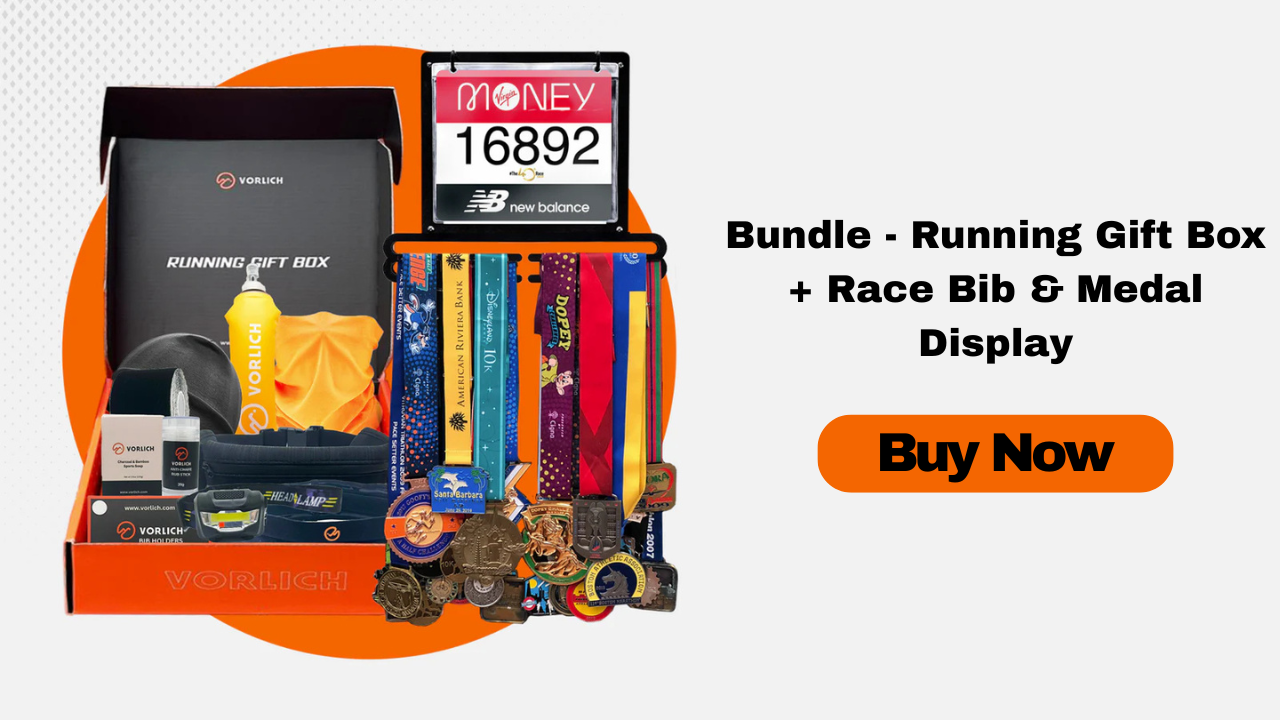
If you’d like to build a themed gift bundle, consider combining hydration gear with performance-oriented presents and meaningful keepsakes. Many runners love items that celebrate their achievements, such as medal hangers and displays; ideas like ultimate race medal display gifts for endurance athletes pair perfectly with functional training essentials like hydration packs. Together, these gifts help runners and triathletes train smarter, race stronger, and proudly showcase every hard-earned finish line.