Choosing running gear today can feel overwhelming. Everywhere you look, marketing promises “revolutionary” shoes, “must-have” GPS watches, and “pro-level” clothing. But smart runners know that the best gear is not the most expensive or most hyped—it’s the gear that fits your body, supports your training goals, and keeps you healthy. This guide will help you learn how to choose running gear based on your real running needs, not marketing, so you can spend wisely, run comfortably, and stay focused on what matters most: consistent, enjoyable progress.
- Understanding Your Real Running Needs
- Common Running Gear Marketing Traps to Avoid
- How to Set Gear Priorities by Running Goal
- How to Choose Running Shoes Based on Needs
- Running Clothing: Comfort, Not Hype
- Running Accessories: What You Actually Need
- Running Tech: Watches, Apps, and “Smart” Gear
- Building a Budget-Friendly, Needs-First Gear List
- How to Test and Evaluate New Gear Like a Pro
- Making Your Gear Last Longer
- Mindset: Progress Over Products
- Summary: A Simple Framework for Gear Decisions

Understanding Your Real Running Needs
Before you buy anything, you need clarity on what you’re actually trying to solve. Marketing tells you what brands want to sell. Your body and your training tell you what you actually need.
Start With Three Simple Questions
- Where do you run most? (road, trail, treadmill, track, mixed)
- How often and how far do you run? (1–2 times weekly vs. marathon training)
- What problems do you currently experience? (blisters, chafing, overheating, sore knees, carrying water, etc.)
These answers will shape all your gear decisions. For example:
- If you mainly run short distances in your neighborhood, you likely need basic, comfortable shoes and clothing, not ultra-premium race gear.
- If you’re training for a half marathon or longer, your needs shift to demanding distances, better cushioning, reliable hydration options, and chafe-free clothing.
- If you run trails, you’ll prioritize traction, stability, and durability over extreme cushioning or speed claims.
Knowing your needs up front helps you ignore product descriptions that don’t actually apply to your running reality.
Common Running Gear Marketing Traps to Avoid
Running brands are very good at making gear feel urgent and essential. Here are the main traps and how to avoid them.
1. “Pro-Level” and “Elite” Labels
“Elite” shoes, race singlets, and carbon-plated models sound appealing, but:
- They’re often designed for very fast runners over shorter race distances.
- They may offer less durability and comfort in everyday use.
- You may pay more for features you will never fully use.
Ask yourself: Is this built for my speed, weekly mileage, and surfaces?
2. Overcomplicated Tech Features
Many watches and apps push advanced metrics: VO2 max, performance condition, training load, and more. These can be useful, but for most runners the essentials are:
- Time
- Distance
- Pace
- Heart rate (optional but helpful)
If you’re just getting started, a fancy watch is not as important as a consistent training plan. If you’re new, it’s often better to pair simple gear with a structured program such as a beginner running plan for weight loss and fitness than to buy complex tech you won’t fully use.
3. Seasonal “Must-Haves”
Brands love to release seasonal collections that look great but don’t add much value. Instead of buying by season name, buy for:
- Temperature range (hot, mild, cold)
- Weather type (rain, wind, dry)
- Light conditions (daylight vs. early morning or night)
4. “One Magic Product” Claims
No shoe or gadget will instantly make you faster or fix form issues overnight. Be cautious of claims like:
- “Injury-proof shoe”
- “Instant speed boost”
- “Fixes your running form automatically”
Progress comes from gradual training, consistency, and smart recovery, not a single “magic” purchase.
How to Set Gear Priorities by Running Goal
Different goals demand different gear priorities. Use these as guidelines, not strict rules.
If Your Goal Is: General Fitness or Weight Loss
Key priorities:
- Comfortable running shoes suitable for your surface and foot type
- Basic technical clothing to prevent overheating and chafing
- Simple way to track time/distance (phone app or basic watch)
You don’t need advanced race shoes or expensive watches. Focus on gear that helps you enjoy running enough to stick with it.
If Your Goal Is: Running Your First 5K or 10K
Key priorities:
- A reliable pair of shoes tested in training (not new on race day)
- Moisture-wicking tops and socks to avoid blisters
- Optional: a light running belt or pocket solution for keys and phone
If Your Goal Is: Half Marathon or Marathon
Here, small comfort issues can become major problems:
- High-mileage running shoes with the right level of cushioning and support
- Chafe-free shorts or tights and a top you’ve tested on long runs
- Reliable hydration and nutrition carrying system
- Chafing protection (for longer runs, a product like the Vorlich Anti-Chafe Stick can be the difference between a great run and a painful one)
If Your Goal Is: Trail or Ultra Running
- Trail shoes with good grip and rock protection
- Hydration pack, vest, or belt for long distances
- Weather-appropriate layers (windproof, waterproof if needed)
How to Choose Running Shoes Based on Needs
Running shoes are usually the most important gear decision. Marketing often pushes flashy designs and “latest foam,” but your focus should be:
1. Surface
- Road shoes for pavement and treadmill
- Trail shoes for dirt, rocks, roots, and uneven terrain
- Hybrid shoes if you mix both regularly
2. Distance and Frequency
- Short, occasional runs: comfort and basic cushioning are enough.
- High weekly mileage or long runs: look for durability and long-run comfort.
3. Fit and Feel (More Important Than Brand)
Fit should always beat marketing:
- Have a thumbs-width of space in front of your longest toe.
- No pinching at the sides or top of the foot.
- Heel feels secure but not crushed.
Try running in the shoes if the store allows it. Walk and jog. If something feels off now, it will feel worse after 5–10 km.
4. Neutral vs. Stability
- Neutral shoes are fine for most runners.
- Stability shoes may help if you have a history of certain overuse injuries and a professional suggests them.
A full gait analysis is helpful, but don’t let it push you into an expensive model just because it’s “recommended.” Compare several options and choose the one that feels most natural.
5. Ignore These Marketing Distractions
- “Faster” colors
- Oversized logos or limited editions
- Pro endorsements that don’t match your running style
Focus on comfort, fit, and how your legs feel after a run, not how trendy the shoe looks.
Running Clothing: Comfort, Not Hype
Good running clothing solves problems: overheating, chafing, staying dry, and moving freely. You don’t need a full wardrobe to start, but certain pieces are worth prioritizing.
Essential Running Clothing Items
- Technical running top (moisture-wicking, quick-drying)
- Running shorts or tights with flat seams and secure waistband
- Running socks (often an overlooked but critical item)
- For women: supportive sports bra designed for running
What to Look For
- Fabric: synthetic or merino wool, not cotton (cotton stays wet and increases chafing).
- Seams: flat or minimal seams in high-friction areas.
- Fit: not too tight, not too loose—just enough to move freely.
- Ventilation: mesh panels or breathable zones for hot-weather running.
Weather-Specific Clothing Choices
- Hot weather: lightweight tops, short tights or shorts, breathable socks, good sun protection. You may also want specialized accessories like those highlighted in best running accessories for hot weather running if you train in high temperatures regularly.
-
Cold weather: consider a layering system:
- Base layer (moisture-wicking)
- Mid layer (insulating if needed)
- Outer layer (wind- or water-resistant as needed)
- Rainy conditions: breathable waterproof or water-resistant jacket, avoid thick insulation that traps sweat.
Always ask: Will this make my run more comfortable and problem-free? If the answer is no, it’s probably driven more by style than need.
Running Accessories: What You Actually Need
Running accessories are where marketing can really push you toward unnecessary spending. Start with function first, then upgrade only if it solves a real issue.
Hydration: Carry Only What You Need
Your hydration needs depend on climate, run length, and personal sweat rate:

- Short runs (<45 minutes) in cool weather: you may not need to carry water at all.
- Longer runs or hot conditions: some portable hydration is wise.
Options include handheld bottles, belts, and vests. Look for something that:
- Doesn’t bounce excessively.
- Is easy to drink from while moving.
- Fits your body size and storage needs.
A flexible, space-saving bottle like the Vorlich Folding Bottle can be a minimalist way to carry water without adding bulk when it’s empty.
Carrying Essentials: Keys, Phone, Nutrition
You might need to carry:
- Keys or cards
- Phone
- Gels or snacks for long runs
Look for shorts with secure pockets, or a simple running belt. Avoid bulky armbands that bounce or irritate the skin.
Chafing Prevention
If you’ve ever finished a run with raw skin, you know how important anti-chafe solutions are. Consider a dedicated product if you:
- Run longer distances
- Run in hot or humid weather
- Experience rubbing under arms, between thighs, or around sports bra lines
A dedicated stick like the Vorlich Anti-Chafe Stick is usually more convenient and effective than improvised solutions like petroleum jelly, and it’s easy to reapply before key training runs or races.
Safety Accessories
- For early morning or night running: reflective gear and possibly a small light (headlamp or clip-on).
- Consider ID tags, especially for long solo runs.
Before purchasing any accessory, ask: Is this solving a real, recurring problem in my running? If not, wait.
Running Tech: Watches, Apps, and “Smart” Gear
Running technology can be helpful, but it’s easy to overbuy. Start with the basics and upgrade only when your training calls for it.
Phone + Free App vs. GPS Watch
- Phone + app: usually enough for beginners. Tracks pace, distance, time, and route.
- GPS watch: more convenient if you don’t like carrying a phone, or you’re training with targeted pace and heart-rate zones.
Important Features vs. Nice-to-Haves
Important features for most runners:
- GPS accuracy
- Comfortable fit and battery life
- Easy-to-read screen while running
- Basic metrics: time, distance, pace, laps
Nice-to-have but not essential:
- Advanced metrics (VO2 max estimation, training load)
- Built-in music
- Contactless payments
Ask yourself: Will I consistently use this feature in training? If not, you’re likely paying extra for something that doesn’t match your real needs.
Building a Budget-Friendly, Needs-First Gear List
Marketing often pushes the idea that “real runners” need a lot of expensive gear. In reality, you can cover most situations with a small, smart selection. Articles like minimal running gear that covers most situations show how little you truly need to start and improve.
Priority Order for Spending
- Shoes – your top priority for injury prevention and comfort.
- Socks and basic clothing – to avoid blisters and chafing.
- Hydration and storage – once your runs get longer.
- Anti-chafing solutions – as distances and temperatures increase.
- Tech (watch, etc.) – when training goals demand more precise tracking.
Where It’s Usually Worth Spending a Bit More
- Shoes (comfort and durability)
- Socks (blister prevention)
- Sports bras (for support and comfort)
Where You Can Save
- Shirts and shorts: mid-range technical gear works fine in most cases.
- Color and style: don’t pay extra just for trend colors or limited-edition prints.
- Advanced watch models: start with simpler options and upgrade only when necessary.
How to Test and Evaluate New Gear Like a Pro
To choose gear based on need, you must test it in real conditions and be honest about performance.
Step 1: Define the Problem You Want to Solve
Before buying, write down:
- What problem am I trying to fix?
- What would “success” look like after I use this product?
Example: “I need new socks because I get blisters on long runs. Success means completing 15 km without hot spots.”
Step 2: Test in Realistic Scenarios
- Test running shoes on similar surfaces and distances as your usual runs.
- Test clothing and anti-chafe products under similar temperature and humidity conditions when possible.
- Test hydration solutions (belt, vest, bottle) at your planned long-run pace.
Step 3: Use a Simple Evaluation Checklist
After a few runs, ask:
- Did this gear reduce or eliminate the problem I bought it for?
- Did it introduce new discomforts?
- Was it easy to use and maintain?
- Would I choose it again over my old setup?
If the answer to the last question is “not really,” that’s a sign marketing may have guided the purchase more than actual need.
Making Your Gear Last Longer
Choosing smart gear is only part of the equation. Taking care of what you buy helps your budget and reduces waste.
Running Shoes Care Tips
- Rotate between two pairs if you run often to let the cushioning rebound.
- Let shoes air dry naturally—no direct heat.
- Track mileage: many shoes last about 500–800 km depending on model and runner.
Clothing and Accessories Care Tips
- Wash technical fabrics on a gentle cycle, low temperature.
- Avoid fabric softener—it can damage wicking properties.
- Air-dry when possible to extend lifespan.
Good maintenance means you replace gear when it truly wears out, not when marketing tells you to “upgrade.”
Mindset: Progress Over Products
The most powerful “gear” you own is your mindset. When you focus on consistent progress rather than constant upgrades, your gear decisions become much clearer.
Instead of chasing the next shoe drop, put energy into noticing your improvements—longer distances, easier paces, better recovery. Articles like why seeing progress matters more than speed show how powerful it is to celebrate effort and growth rather than just numbers on a watch.
Some runners enjoy marking milestones with tangible reminders—race medals, bibs, and personal records. This doesn’t require expensive gear, but it can reinforce motivation, especially when training feels tough. For ideas on how to recognize your own journey, see celebrating running milestones at any level.
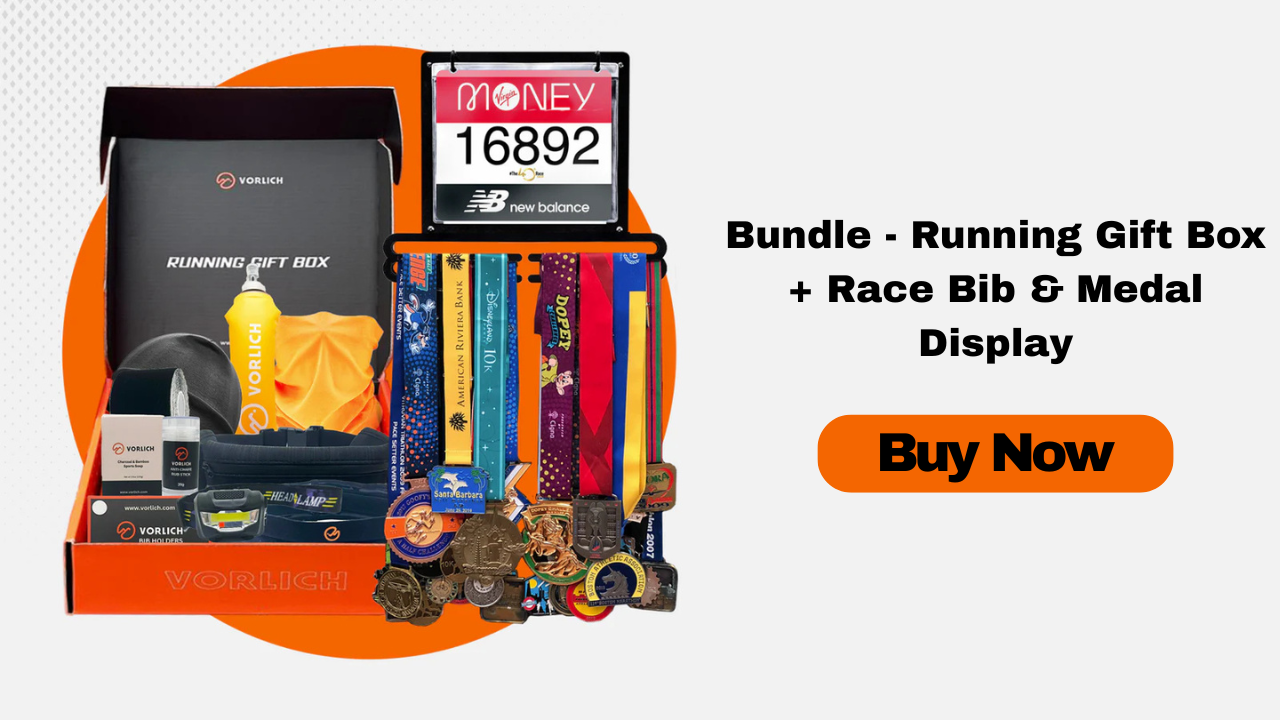
If you want a practical way to support another runner’s progress without guessing their shoe size or watch preference, consider a curated option like the Vorlich Running Gift Box, which focuses on useful, comfort-driven items rather than purely flashy gear.
Summary: A Simple Framework for Gear Decisions
Use this quick framework whenever you’re thinking about buying new running gear:
- Clarify your need: What specific problem am I solving in my running?
- Match to your context: Does this product suit my surfaces, distances, and climate?
- Ignore hype: Would I want this if it didn’t have pro endorsements or flashy marketing?
- Test honestly: After a few runs, is my running experience clearly better?
- Prioritize comfort and consistency: Does this help me run more regularly and enjoyably?
When you choose gear based on your real running needs—not on what ads suggest—you spend less, reduce frustration, and stay focused on the reason you started running in the first place. Over time, these thoughtful choices support what truly matters: sustainable, meaningful progress every time you head out the door.