Choosing the right running belt can transform your training from frustrating to effortless. A well-fitted, thoughtfully designed running belt keeps your phone, keys, gels, and hydration secure without bouncing, chafing, or weighing you down. Whether you are preparing for a 5K, training for a marathon, or simply running to stay fit, understanding what makes a great running belt will help you run more comfortably, stay safer, and focus on your performance instead of your pockets.
Why a Running Belt Matters for Your Training
A running belt might look like a small accessory, but it has a big impact on how your runs feel. The wrong belt can bounce, twist, and rub your skin raw. The right belt almost disappears—yet keeps everything you need close at hand.
Key reasons a running belt is important:
- Comfort and focus: No more holding your phone or stuffing keys into a too-tight pocket.
- Consistency: When your gear works, you are more likely to stick to your training plan.
- Safety: Carrying a phone, ID, and sometimes a light can be essential on early morning or late evening runs.
- Hydration and fueling: Belts can help you carry water and gels during long runs or hot-weather training.
If you are just starting out, a running belt is often one of the first pieces of gear that truly improves your experience, right alongside shoes and technical socks. You can also explore broader kit ideas in Essential Running Accessories for Beginner Runners for more context on how a belt fits into a simple yet effective setup.
Types of Running Belts and Which Runners They Suit
Not all running belts are built the same. Each style is designed around specific needs, distances, and preferences. Understanding these types helps you narrow down what will work best for your training.
1. Minimalist “Tube” or “Flip” Belts
These are stretchy fabric belts that sit close to your body, often with multiple small openings instead of zippers.
- Best for: Short to medium runs, runners who dislike bulk, race day when you want low profile storage.
-
Pros:
- Very low bounce when sized correctly.
- Lightweight and simple—nothing complicated to adjust.
- Great for carrying just a phone, keys, and maybe a gel or card.
-
Cons:
- Limited storage capacity.
- Not ideal for carrying bottles or larger items.
2. Zippered Storage Belts
These belts feature one or more zippered pockets made from stretchy or semi-rigid material.
- Best for: Everyday training, city running, and runners who carry multiple small items.
-
Pros:
- Secure storage for valuables like phone, cards, and cash.
- Easier organization of items (separate keys from phone).
- Can still feel low profile if the belt is slim and well-fitted.
-
Cons:
- Can bounce if overloaded or not tightened properly.
- Some designs have stiff zippers that may rub if poorly placed.
3. Hydration Belts
Hydration belts include one or more small bottles or flasks integrated into the design.
- Best for: Long runs, marathon training, trail running, and hot-weather routes with limited fountains.
-
Pros:
- Lets you carry water or electrolyte drinks without a handheld bottle.
- Some offer extra storage for gels and snacks.
- Balanced weight distribution when designed well.
-
Cons:
- Heavier and bulkier than simple belts.
- More prone to bouncing if not sized correctly.
- Requires occasional cleaning of bottles and holders.
4. Race Belts (Bib Belts)
Race belts are slim belts designed primarily to hold your race bib using toggle clips or press-studs. Some versions add small pockets.
- Best for: Runners who race regularly and want fast transitions, especially in triathlons or multi-stage events.
-
Pros:
- No need to pin your number onto your top.
- Lightweight and minimal.
- Some can double as everyday belts with light storage.
-
Cons:
- Limited space for phone or hydration.
- Not ideal as your only belt if you often run long.
5. Hybrid Belts (Storage + Hydration + Race)
Hybrid belts combine multiple functions—pockets, bottle holders, and sometimes bib attachments.
- Best for: Runners who want one do-it-all belt for training and racing.
-
Pros:
- Versatile; can be used on easy runs, long runs, and race day.
- Reduces the need to buy separate belts.
-
Cons:
- Can be more complex and heavier.
- If you only need light storage, the extra features may feel unnecessary.
Key Features to Consider When Choosing a Running Belt
Once you know the general type you want, it is time to look at crucial details. The right combination of features will keep the belt comfortable, functional, and tailored to your specific running style.
1. Storage Capacity and Layout
Think honestly about what you actually carry on a typical run:
- Essential items: Phone, keys, ID, debit card, maybe a gel.
- Long-run extras: Multiple gels, electrolyte tablets, small snacks, emergency cash.
- Trail or adventure runs: Lightweight jacket, compact headlamp, small first aid items.
Look for:
- Separate compartments to keep keys away from your phone screen.
- Stretchy pockets that adjust to different phone sizes and do not sag when partially empty.
- Low-profile design so the belt does not look or feel bulky under a top or jacket.
2. Bounce and Stability
Bounce is the fastest way to hate a running belt. To minimize it:
- Choose belts with wide, flat bands that spread pressure evenly.
- Look for elastic but supportive materials that hug the hips without cutting in.
- Check if the belt sits best on your hips (common) or high on the waist—different body shapes prefer different positions.
When possible, test this by:
- Filling the belt with items similar to what you will carry.
- Doing a few short sprints or jumping jacks to see how much it moves.
3. Material and Breathability
Materials make a significant difference in comfort and durability.
- Moisture-wicking fabrics: Help manage sweat and reduce chafing.
- Soft-touch inner lining: More comfortable against the skin, especially on long runs.
- Quick-drying materials: Important if you run in rain or sweat heavily.
Avoid belts with large rough seams or hard edges directly against your skin. Over time, small irritations can turn into painful chafing, particularly on longer distances.
4. Adjustability and Closure System
Most belts either stretch to fit (no buckle) or use an adjustable buckle system.
- Stretch-only belts: Simple and low profile, but you must choose the right size.
- Adjustable belts with buckles: More flexible for layering over different clothing or sharing between runners.
Look for:
- Secure buckle design that will not accidentally pop open mid-run.
- Flat adjustment points so there are no bulky lumps that dig into your stomach or back.
5. Water Resistance and Weather Protection
If you run in variable weather, consider:

- Water-resistant or water-repellent pockets to protect your phone and cards.
- Covered zippers or flaps that keep out rain.
- Drainage holes in hydration belts to prevent water buildup from sweat or rain.
6. Reflective Details and Safety Features
Safety is non-negotiable, especially if you run early or late in the day.
- Look for reflective strips or logos visible from multiple angles.
- Some belts include attachment points for small lights or have built-in LED elements.
- Ensure your belt works well with other gear like a headtorch or reflective jacket.
If you regularly run in low light, pairing your belt with a high-visibility headlamp or safety accessories, such as those included in the Vorlich Running Gift Box, can significantly increase your visibility and safety.
7. Compatibility With Your Phone and Accessories
Phones are a major reason runners buy belts, so check:
- Will your exact phone model fit? Especially if you use a bulky case.
- Is the pocket touchscreen-friendly or easy to open mid-run?
- Is there cable access if you use wired earphones, or enough space for a power bank if needed?
How to Get the Right Fit and Maximum Comfort
A high-quality belt in the wrong size will still feel terrible. Fit is the foundation.
1. Measure Accurately
- Decide whether you prefer to wear the belt on your hips or waist.
- Use a soft tape measure around that point while wearing your usual running layers.
- Compare with the manufacturer’s size chart and choose accordingly.
A slightly snug fit is generally better than one that is too loose. Belts often stretch slightly with use.
2. Test With Real-World Load
Before committing to a long run:
- Load the belt with everything you plan to carry.
- Jog around the house or down the street.
- Check for:
- Bounce
- Twisting or sliding
- Pressure points or rubbing
3. Positioning Tips
- Most runners find the belt feels most stable when worn low on the hips, not directly on the waist.
- Rotate the belt so heavier items sit at the small of your back to improve stability.
- If using a hydration belt, balance the bottles evenly on each side.
What You Should (and Should Not) Carry in Your Running Belt
Overloading your belt is a recipe for discomfort. Aim to carry the minimum necessary for your safety and performance.
Essentials for Most Runs
- Phone (for safety, maps, and tracking apps).
- Keys (ideally on a small carabiner or key hook inside the pocket).
- ID card or small ID tag.
- Bank card or small cash for emergencies.
Extras for Long Runs or Races
- Energy gels or chews.
- Electrolyte tablets or powdered sachets.
- Small collapsible cup or soft flask if using water stations.
- Mini blister plasters or a small strip of tape.
What to Avoid Carrying
- Bulky wallets or large sets of keys.
- Heavy power banks unless absolutely necessary.
- Loose coins that rattle and bounce.
Thoughtful packing can help your running belt feel lighter and more stable, which is particularly important when you are working on structured plans such as a Beginner Running Plan for Weight Loss and Fitness where consistent comfort supports long-term adherence.
Matching Your Running Belt to Your Training Goals
Your training goals should heavily influence the style of belt you choose.
1. Short Runs and Speed Work
- Choose a minimalist tube belt or compact zippered belt.
- Focus on low weight and zero bounce.
- Carry only essentials—phone, keys, maybe one gel for longer tempo runs.
2. Half Marathon and Marathon Training
- Look for hydration belts or larger storage belts with multiple pockets.
- Prioritize:
- Enough space for fuel (multiple gels or chews).
- Balanced weight distribution around your waist/hips.
- Comfort for 2–4 hours of continuous wear.
3. Trail Running and Adventure Runs
- Consider a hybrid system of a belt plus a small pack for longer days.
- Look for:
- Secure pockets with zippers.
- Durable, abrasion-resistant fabrics.
- Attachment points for poles or small gear if you run technical trails.
4. Races and Event Day
- Use a race belt or a low-profile storage belt that:
- Holds your bib securely.
- Stores needed fuel without digging in.
- Does not interfere with your race kit or timing chip.
Safety, Visibility, and Security Considerations
Beyond comfort, your running belt plays a role in keeping you seen and safe.
1. Visibility in Low Light
- Opt for belts with reflective details front and back.
- Combine with a headtorch or clip-on lights for dark routes.
- Consider accessory bundles like the Vorlich Running Gift Box Aqua, which includes essentials such as a running belt, LED headtorch, and hydration tools.
2. Security of Valuables
- Use zippered pockets or secure flaps for phone and cards.
- Avoid leaving zippers partially open for headphones or cables; route them carefully.
- Keep your ID and emergency contact information on you at all times.
3. Safety on Isolated Routes
- Always carry a charged phone.
- Let someone know your route and expected return time.
- Consider carrying a whistle or using apps that share live location.
Care, Maintenance, and Longevity
To get the best performance and lifespan from your running belt, treat it as you would other technical gear.
1. Cleaning Your Running Belt
- Check the care label; many belts are best hand washed in cool water.
- Use a mild detergent to remove sweat, salt, and bacteria.
- Air dry completely away from direct heat or strong sunlight.
2. Preventing Odor and Damage
- Let your belt air out between runs instead of leaving it crumpled in a gym bag.
- Avoid overloading pockets, which can stretch or damage seams over time.
- Inspect zippers and buckles regularly to ensure they are functioning smoothly.
3. When to Replace Your Belt
- Persistent bounce or sagging that does not improve with adjustment.
- Fraying seams or tears that may worsen mid-run.
- Broken or unreliable buckles and zippers.
Common Mistakes When Choosing a Running Belt
A few common errors can lead to frustration and wasted money. Avoid these pitfalls when selecting your belt.
- Choosing based on looks alone: A stylish belt that bounces is worse than a plain one that stays put.
- Overestimating how much you need to carry: This often leads to bulky, uncomfortable belts for everyday runs.
- Ignoring sizing charts: Guessing your size is a fast route to poor fit.
- Not testing the belt before race day: Always do several training runs with full load before pinning on a bib.
Balancing function and simplicity is crucial. For broader guidance on avoiding gear overload and focusing on what genuinely helps, it is worth reading Running Gear That Adds Value Without Complexity, which aligns well with choosing a running belt that truly serves your needs.
Your Running Belt as Part of a Complete Kit
A running belt is just one part of a smart, organized running kit. To get the most from your training:
- Start with proper running shoes suited to your gait and terrain.
- Add technical clothing that manages moisture and temperature.
- Layer on practical accessories: belt, headtorch if needed, and basic safety items.
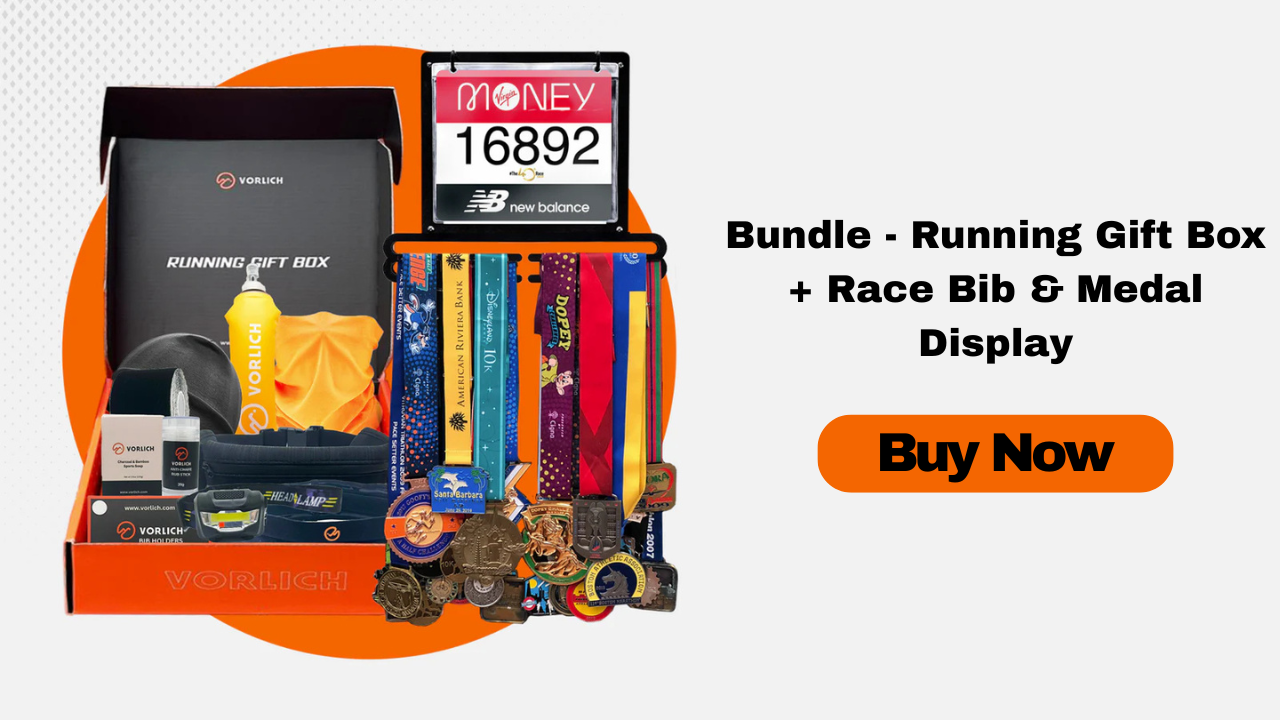
Curated sets like the Vorlich Bundle can help you build a cohesive setup that includes a running belt alongside race and post-race essentials, making it easier to organize your gear and celebrate your progress after each event.
As your training builds and you go from your first 5K towards longer distances, having a reliable belt becomes part of your routine—something you put on automatically before each session, just like your shoes.
Quick Checklist: How to Choose the Right Running Belt
Use this quick checklist before you buy:
-
Define your primary use:
- Short daily runs
- Long-distance or marathon training
- Trail and adventure runs
- Races and events
-
Choose a type:
- Minimalist tube belt
- Zippered storage belt
- Hydration belt
- Race belt
- Hybrid belt
- Check capacity: List what you will carry and confirm it all fits comfortably.
- Assess comfort: Look for wide bands, soft materials, and minimal seams.
- Evaluate stability: Prioritize designs known for low bounce and good weight distribution.
- Confirm compatibility: Ensure your phone and key setup fit the pockets.
- Check safety features: Reflective details, secure zippers, and space for ID.
- Match your training load: Confirm the belt feels good for the longest runs you plan.
Over time, the miles you run with your chosen belt will add up to real progress—PRs, new distances, and consistent training weeks. When that happens, you will want a way to look back at your journey. Pairing smart gear choices with mindset and motivation strategies, such as those discussed in Celebrating Running Milestones at Any Level, helps you see your belt not just as storage, but as a small but constant partner in your running story.
By focusing on fit, function, and your real training needs instead of marketing claims, you will choose a running belt that truly supports your goals and makes every run more enjoyable and efficient.