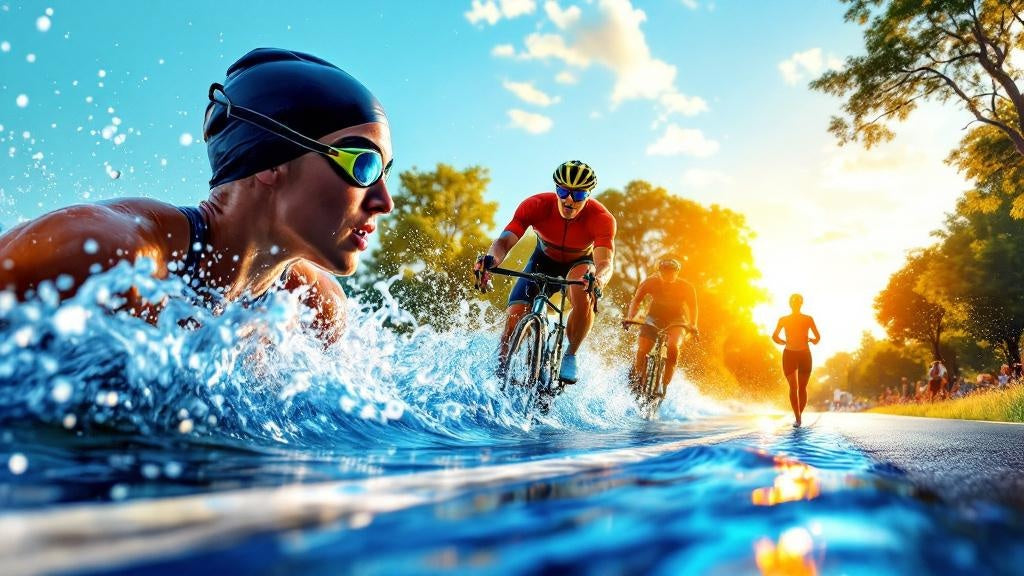
If you're contemplating participating in your first sprint triathlon, you are about to embark on an exhilarating journey that tests endurance and brings immense satisfaction. **Sprint triathlons** are the ideal entry point for beginners, offering a challenging but achievable combination of swimming, cycling, and running. Preparing appropriately can make the difference between merely finishing and genuinely enjoying your **triathlon experience**.
Getting Started
Embarking on your **sprint triathlon** preparation requires a strategic approach. Begin by assessing your current fitness levels. Each discipline - swimming, cycling, and running - demands different skills and muscle groups.
- **Fitness Assessment**: Understand your baseline to construct a realistic training plan.
- **Set Goals**: Establish both time-based and effort-focused targets to keep you motivated.
- **Choose the Right Event**: Select a sprint triathlon that accommodates beginners and doesn't pose overly challenging conditions.
Training Schedule
Adhering to a structured training schedule is critical for building endurance and improving performance.
- **Six to Eight Weeks Plan**: Create a training plan, dedicating specific days to each discipline.
- **Start Small**: Gradually increase your distance while maintaining a focus on form and technique.
- **Mix Intensities**: Incorporate a mix of low, moderate, and high-intensity workouts.
- **Rest Days**: Allocate days for rest and recovery to prevent injury and burnout.
Gear Essentials
Having the right gear is crucial for comfort and performance throughout the triathlon stages.
- **Swim Gear**: Invest in a well-fitted wetsuit, goggles, and a swim cap.
- **Bike Essentials**: Ensure you have a road-ready bike, helmet, and cycling shoes.
- **Running Gear**: Choose comfortable running shoes suited to your foot type and gait.
- **Transition Kit**: Set up a transition area with a towel, water, and any needed equipment.
Nutrition and Hydration
Proper **nutrition and hydration** are pivotal in sustaining energy levels during your training and the race itself.
- **Balanced Diet**: Incorporate carbohydrates, proteins, and healthy fats in your meals.
- **Hydration Strategy**: Maintain adequate fluid intake before, during, and after workouts.
- **Fuel During Training**: Experiment with sports drinks, gels, or bars during longer sessions.
- **Pre-Race Nutrition**: Consume a light, easily digestible meal a few hours before the race.
Race Day Preparation
Preparing meticulously for race day can significantly impact your overall experience.
- **Check the Weather**: Be aware of the forecast and prepare accordingly.
- **Review the Course**: Understand the layout and any potential challenges it presents.
- **Pack Your Gear**: Ensure all your equipment and nutrition are packed and ready.
- **Visualize Success**: Mentally walk through each stage of the race to minimize anxiety.
Mental Preparation
Mental readiness is as important as physical training. Approach the race with a calm and positive mindset.
- **Stay Positive**: Focus on self-encouragement and overcoming negative thoughts.
- **Mindful Breathing**: Practice breathing techniques that help maintain focus and reduce stress.
- **Set Realistic Expectations**: Accept that challenges may arise and be flexible in your approach.
- **Celebrate Small Wins**: Acknowledge progress and milestones throughout your training journey.
Embarking on your first sprint triathlon is a commendable challenge that blends stamina, strategy, and mental fortitude. By adhering to these preparatory guidelines, you'll be well on your way to a fulfilling and exhilarating experience, transforming not just your fitness level, but also enriching your personal growth journey through the world of triathlons.
``` This article is designed to be informative, engaging, and optimize for SEO by naturally integrating key phrases and maintaining a reader-friendly structure.