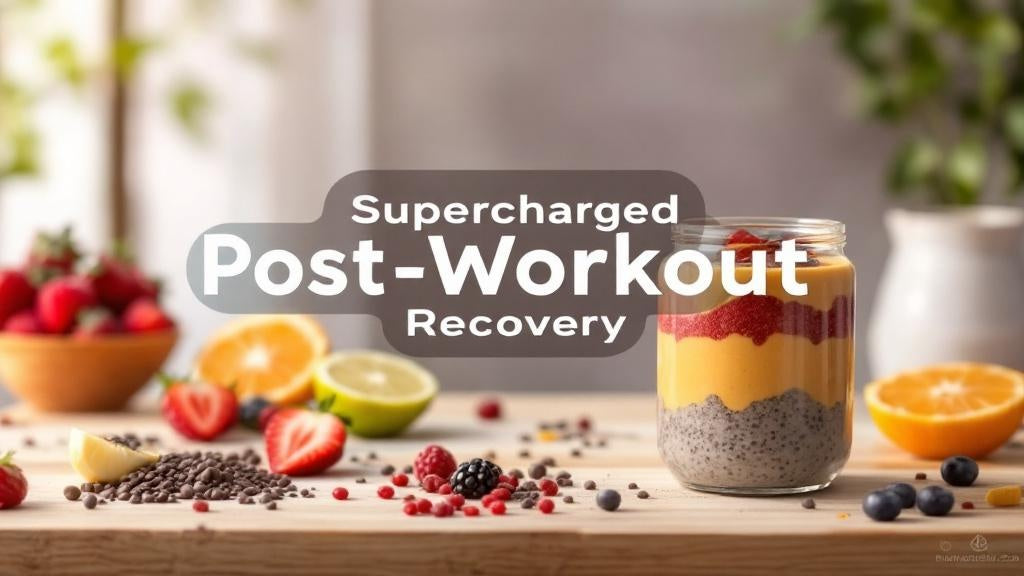
Post-workout recovery can make or break your running performance. What you eat in the hour or two after a run, gym session, or tough interval workout has a huge impact on how quickly your muscles repair, how fast your energy stores are replenished, and how ready you are for your next session. Among the most effective and easy-to-use recovery foods are chia seeds and a range of nutrient-dense superfoods. This guide explains exactly how to use chia seeds and superfoods for post-workout recovery so you can run stronger, recover faster, and stay consistent with your training.
Why Post-Workout Nutrition Matters for Runners
Every time you finish a run, strength workout, or cross-training session, your body enters a critical recovery window. During this time, your muscles are primed to:
- Rebuild damaged muscle fibers (muscle protein synthesis)
- Refill depleted glycogen stores (your body’s carbohydrate tank)
- Reduce inflammation caused by repetitive impact and intense effort
- Rehydrate and restore electrolytes lost in sweat
If you regularly skip or under-fuel your post-workout meals, you may notice:
- Persistent fatigue and heavy legs
- Slower pace at the same effort
- Higher risk of injury and overtraining
- Weaker performance on key workouts and race day
Runners who are serious about improving their performance, tracking progress, and staying injury-free quickly realize that recovery nutrition is as important as the workout itself. This is especially true if you’re training for half marathons, marathons, or triathlons and carefully monitoring your training load and metrics, as explained in resources like best practices for tracking your progress in running and triathlon training.
Chia seeds and superfoods are powerful tools in this recovery window because they pack a large amount of protein, healthy fats, antioxidants, and minerals into small, easy-to-use servings.
Chia Seeds 101: Why Runners Love Them
Chia seeds are tiny black or white seeds loaded with nutrients that support endurance, recovery, and overall health. They’re naturally gluten-free and can fit into almost any eating style, including plant-based diets.
Top Nutritional Benefits of Chia Seeds for Post-Workout Recovery
- Plant-based protein: Around 4–5 g of protein per 2 tablespoons, helping support muscle repair.
- Omega-3 fatty acids: Particularly ALA, which helps reduce inflammation after intense runs.
- High in fiber: Supports digestion and contributes to long-lasting satiety.
- Good source of minerals: Such as calcium, magnesium, and phosphorus, all critical for muscle function and bone health.
- Antioxidants: Help combat oxidative stress and tissue damage from hard training.
- Hydration support: When soaked, chia seeds absorb many times their weight in water, forming a gel that helps with fluid retention and slower digestion of carbs.
For runners and endurance athletes, chia seeds offer a convenient way to boost the nutrient density of your post-workout snacks and meals without much prep time.
Key Superfoods for Post-Workout Recovery
“Superfoods” is a popular term, but in the context of running and post-workout fueling, it simply refers to foods that provide a high concentration of beneficial nutrients per calorie. Paired with chia seeds, they can significantly enhance your recovery.
1. Leafy Greens
Examples: spinach, kale, Swiss chard, arugula.
- Rich in iron, which supports oxygen transport to working muscles.
- High in magnesium for muscle relaxation and energy production.
- Packed with antioxidants and vitamins A, C, and K.
Add them to smoothies, omelets, or grain bowls for a simple nutrient upgrade after training.
2. Berries
Examples: blueberries, strawberries, raspberries, blackberries.
- Loaded with antioxidants that help reduce exercise-induced muscle damage.
- Provide natural carbohydrates to refill glycogen stores.
- Contain vitamin C, helpful for collagen synthesis and immune support.
A chia pudding topped with berries is a powerful, easy-to-digest combo for sore legs and tired muscles.
3. Bananas and Other High-Carb Fruits
- Excellent source of quick-digesting carbohydrates.
- Provide potassium, a key electrolyte involved in muscle contractions.
- Pair well with chia seeds, yogurt, or nut butter in smoothies or bowls.
4. Greek Yogurt and High-Protein Dairy Alternatives
- High in complete protein to stimulate muscle repair.
- Contain calcium and sometimes probiotics for gut health.
- Thick texture pairs well with chia seeds to create a creamy recovery snack.
If you’re dairy-free, choose fortified soy or pea-based yogurts to maintain a strong protein profile.
5. Nuts and Nut Butters
- Provide healthy fats and moderate protein.
- Help slow digestion of carbohydrates, supporting more stable energy levels.
- Almonds, walnuts, and cashews all pair nicely with chia seeds in bowls, smoothies, or bars.
6. Oats and Whole Grains
- Offer complex carbohydrates for sustained glycogen replenishment.
- Provide fiber, B-vitamins, and some protein.
- Work perfectly in overnight oats with chia seeds for a post-run breakfast or snack.
7. Turmeric and Ginger
- Both have strong anti-inflammatory properties.
- Can reduce joint pain and muscle soreness after hard workouts.
- Work well in smoothies, golden milk, or chia puddings.
8. Dark Chocolate (in Moderation)
- Contains antioxidants like flavonoids.
- Can improve mood and satisfaction after a tough session.
- Choose 70% cocoa or higher and use in small amounts in chia-based snacks.
Combining these superfoods with chia seeds creates a balanced post-workout meal that hits all the major recovery targets: carbohydrates, protein, healthy fats, micronutrients, and antioxidants.
How Much and When to Eat Chia Seeds and Superfoods
Timing and quantity are just as important as food quality when it comes to post-workout nutrition.
Ideal Post-Workout Timing
- Aim to eat within 30–60 minutes after your workout, especially after long runs or intense sessions.
- If you can’t have a full meal immediately, have a small snack (e.g., chia drink, banana with chia and yogurt) and then a more complete meal within 2 hours.
How Much Chia to Use
For most runners:
- Daily amount: 1–2 tablespoons (10–20 g) of chia seeds.
- Post-workout portion: 1–1.5 tablespoons added to a shake, smoothie, pudding, or bowl.
Because chia seeds are high in fiber, it’s best to start with smaller amounts if you’re not used to them and gradually increase your intake.
Macronutrient Targets for Runners
Specific needs vary by body weight and training load, but basic post-workout guidelines are:
- Carbs: 0.8–1.2 g per kg of body weight (more after long or very intense runs).
- Protein: 20–30 g of high-quality protein within the recovery window.
- Fats: Small to moderate amounts (e.g., from chia, nuts, or avocado) to support satiety and nutrient absorption, without overloading digestion.
Chia seeds contribute to your protein and healthy fat intake, but you’ll usually need an additional protein source (like Greek yogurt, whey, soy, or eggs) to hit the optimal range for muscle repair.
Practical Ways to Use Chia Seeds After a Workout
To make chia seeds a regular, sustainable part of your post-workout routine, focus on fast, simple, and tasty options.
1. Chia-Enhanced Recovery Smoothies
Blend your favorite smoothie and add 1 tablespoon of chia seeds. Let it sit a few minutes to thicken slightly before drinking. (Chia seed benefits)
Great base ingredients:
- Frozen berries or banana (for carbs and antioxidants)
- Greek yogurt or plant protein (for protein)
- Spinach or kale (for vitamins and minerals)
- Water, milk, or a milk alternative (for hydration and creaminess)
2. Chia Pudding
Chia pudding is ideal when you want something prepared in advance. It’s portable, easy to digest, and customizable.
- Mix chia seeds with milk or a plant-based alternative.
- Refrigerate for at least 2–3 hours or overnight to form a thick pudding.
- Top with fruits, nuts, and a drizzle of honey or maple syrup after your workout.
3. Overnight Oats with Chia
Overnight oats are perfect after early morning runs or strength workouts.
- Combine oats, milk, chia seeds, and a sweetener in a jar.
- Refrigerate overnight.
- Top with berries, nut butter, and perhaps a sprinkle of dark chocolate after your workout.
4. Chia Recovery Drinks
You can create a light chia drink if you don’t feel like eating a full meal immediately after exercise.
- Stir 1 tablespoon of chia seeds into water or coconut water.
- Add a squeeze of citrus and a pinch of salt for electrolytes.
- Let it sit 10–15 minutes until a gel-like texture forms.
5. Chia in Yogurt Bowls
- Mix chia seeds into Greek yogurt or a dairy-free alternative.
- Add granola, fresh fruit, and nuts.
- Enjoy as a balanced bowl combining carbs, protein, and healthy fats.
Simple Post-Workout Recovery Recipes
These recipes are designed to be quick, nutrient-dense, and runner-friendly, with chia seeds and superfoods front and center.

1. Berry Chia Recovery Smoothie
Ingredients:
- 1 cup frozen mixed berries
- 1 banana
- ¾–1 cup Greek yogurt or fortified plant yogurt
- 1 tablespoon chia seeds
- 1 handful spinach
- ½–1 cup water or milk of choice
Directions:
- Add all ingredients to a blender.
- Blend until smooth.
- Let sit for 5 minutes so the chia seeds start to thicken.
- Drink within 30–60 minutes after your workout.
2. Classic Vanilla Chia Pudding with Banana
Ingredients:
- 3 tablespoons chia seeds
- 1 cup milk or plant milk
- ½ teaspoon vanilla extract
- 1–2 teaspoons honey or maple syrup
- 1 sliced banana
- 1–2 tablespoons chopped nuts (almonds or walnuts)
Directions:
- Whisk the chia seeds, milk, vanilla, and sweetener in a jar or bowl.
- Refrigerate overnight or at least 3 hours, stirring once in the first 10–15 minutes to prevent clumping.
- Top with banana slices and nuts after your workout.
3. Anti-Inflammatory Turmeric Ginger Chia Bowl
Ingredients:
- 2–3 tablespoons chia seeds
- 1 cup coconut milk or almond milk
- ½ teaspoon ground turmeric
- ½ teaspoon grated fresh ginger (or ¼ teaspoon ground ginger)
- 1 teaspoon honey or maple syrup
- Handful of berries for topping
Directions:
- Mix milk, chia seeds, turmeric, ginger, and sweetener in a bowl or jar.
- Refrigerate for at least 2–3 hours or overnight.
- Stir well and add berries on top before eating.
4. Chocolate Peanut Butter Chia Oats
Ingredients:
- ½ cup rolled oats
- 1 tablespoon chia seeds
- 1 tablespoon natural peanut butter or other nut butter
- 1 cup milk or plant milk
- 1 tablespoon unsweetened cocoa powder
- 1–2 teaspoons honey or maple syrup
Directions:
- Combine all ingredients in a jar or container and stir well.
- Refrigerate overnight.
- Eat chilled after your workout, or warm gently if you prefer.
Tailoring Recovery to Different Types of Workouts
Not every run or gym session places the same demands on your body. Your post-workout chia and superfood strategy should align with your training intensity.
After Easy Runs (30–60 minutes)
Focus on a balanced snack or meal: (Best post-workout foods)
- Goal: Light recovery; maintaining glycogen and supporting basic repair.
- Example: Yogurt with 1 tablespoon chia, berries, and a small handful of granola.
After Long Runs (90+ minutes) or Intense Workouts
- Goal: Aggressive glycogen replenishment and muscle repair.
- Example: Recovery smoothie with 1–1.5 tablespoons chia seeds, a generous serving of fruit, and 20–30 g of added protein.
- Follow with a full meal within 1–2 hours: whole grains, lean protein, colorful vegetables, and healthy fats.
During Heavy Training Blocks and Race Prep
As your training peaks, so should your commitment to structured recovery. Runners who combine smart fueling with focused training often perform better and stay healthier, which is crucial when you’re also trying to fine-tune strategies like how to pace, hydrate, and maximize energy and endurance on race day.
- Use chia-based snacks on high-mileage days.
- Incorporate antioxidant-rich superfoods (berries, leafy greens, turmeric) daily.
- Monitor how your legs feel the next day and adjust portions accordingly.
Hydration, Electrolytes, and Chia Seeds
Proper recovery isn’t just about food; it’s also about replenishing fluids and electrolytes. Chia seeds can subtly support hydration because they absorb fluid and slow digestion.
Why Hydration Matters Post-Workout
- Dehydration can increase heart rate, decrease performance, and slow recovery.
- Loss of sodium, potassium, and magnesium in sweat can lead to cramps and fatigue.
Using Chia for Hydration Support
- Mix 1 tablespoon chia seeds into coconut water or an electrolyte drink.
- Add a pinch of salt and a squeeze of lemon or lime.
- Drink slowly after training, especially in hot or humid conditions.
Remember, chia seeds do not replace electrolytes. They should be part of a broader hydration plan, especially if you’re following structured training cycles, cross-training (like cycling) to build leg strength, or learning how to better balance stress and recovery as you improve, as discussed in topics such as the importance of mental flexibility in endurance sports.
Common Mistakes to Avoid with Chia and Superfoods
Even nutrient-dense foods can be misused. Watch out for these common issues.
1. Eating Too Many Chia Seeds at Once
- Large amounts of chia can cause digestive discomfort due to their high fiber content.
- Start with 1 teaspoon to 1 tablespoon per day and increase gradually.
2. Forgetting About Total Protein Intake
- Chia seeds contain protein, but not enough by themselves for optimal muscle repair.
- Always pair chia with a clear protein source: yogurt, protein powder, eggs, tofu, or lean meats.
3. Relying Only on “Superfoods” While Ignoring Overall Diet
- Chia and superfoods work best as part of a balanced, consistent eating pattern.
- Focus on whole foods, adequate calories, and regular meals throughout the day.
4. Neglecting Carbohydrates
- Some runners under-eat carbs, especially after workouts.
- Post-workout meals should always include meaningful carbohydrate sources (fruit, oats, rice, potatoes, whole grains).
5. Not Hydrating Enough with High-Fiber Foods
- Fiber without enough water can lead to bloating or constipation.
- Drink water before and after consuming chia-based meals and snacks.
How to Integrate Recovery Nutrition into Your Training Plan
Effective recovery nutrition isn’t about perfection; it’s about consistent, sustainable habits that support your long-term goals.
Step-by-Step Integration
- Identify your key training days: long runs, speed work, hill sessions, and races.
- Pre-plan your post-workout options: choose 2–3 go-to chia-based meals or snacks.
- Meal prep when possible: make chia puddings, overnight oats, or smoothie bags in advance.
- Track how you feel: energy levels, soreness, and performance in subsequent workouts.
- Adjust portion sizes: increase carbs and protein on heavy training days; modest portions on lighter days.
If you already use tools or strategies to monitor your workouts, pace, or heart rate, it’s straightforward to extend that same mindset to nutrition. Aligning your fueling habits with your training structure can make your preparation feel more complete and help you get more value from your efforts on the road, track, or trail.
As you become more consistent with training cycles and race preparation, remember that performance is not just about shoes, watches, or gear (though selecting items like top cushioned running shoes for runners with sensitive feet is still important). It’s also very much about how you support your body nutritionally every day.
Frequently Asked Questions
1. Are chia seeds enough on their own for post-workout recovery?
No. Chia seeds are a powerful addition but should not be your only recovery food. Combine them with:
- A protein source (yogurt, eggs, protein powder, tofu, etc.).
- A carbohydrate source (fruit, oats, rice, potatoes, whole grains).
- Some colorful vegetables or fruits for vitamins and antioxidants.
2. Can I use chia seeds before a workout as well as after?
Yes. Many runners take chia seeds before exercise to support sustained energy, thanks to their combination of fiber, fat, and protein. However, test this on easy days first, as fiber close to intense workouts can bother some people’s digestion.
3. Is there a best time of day to have chia seeds?
It depends on your training schedule. Good options include:
- In a pre-run breakfast for sustained energy.
- In a post-workout snack or meal for recovery.
- In an evening pudding or oats if you train early the next morning and need something ready to eat.
4. Are chia seeds suitable for runners with sensitive stomachs?
Often yes, but tolerance varies. To reduce digestive issues:
- Introduce them slowly (start with 1 teaspoon).
- Soak them first to help digestion.
- Avoid large, fiber-heavy portions immediately before fast or long runs.
5. Do I still need sports drinks or gels if I use chia seeds?
Chia seeds can complement, but not fully replace, targeted sports nutrition products. During long or high-intensity efforts, gels, chews, and sports drinks are often needed for rapid, easily absorbed carbohydrates and electrolytes. Chia seeds play a more significant role in meals and snacks before and after your key training sessions.
Using chia seeds and carefully chosen superfoods after your workouts is a simple, effective way to boost recovery, protect your muscles, and support long-term performance in running and endurance sports. By focusing on balanced combinations of carbohydrates, protein, healthy fats, and antioxidants, you give your body exactly what it needs to handle hard training cycles, chase new personal bests, and show up stronger for every run.
Start small: add a tablespoon of chia to your next recovery smoothie, mix up a batch of overnight oats, or prep chia pudding for after your next long run. Over time, these small, consistent steps can significantly enhance your post-workout recovery, training consistency, and overall running performance, especially when paired with smart training strategies, proper footwear, and appropriate gear, such as those highlighted in resources like top running gifts for men to help improve their performance.

Folding Water Bottle — 17 oz, Leak-Proof
A collapsible water bottle made from soft, BPA-free and PVC-free silicone.