

Running Gear That Improves Comfort and Nothing Else
Comfortable running gear doesn’t make you faster on its own, but it can make every mile feel easier, more enjoyable, and more sustainable. This guide focuses on running gear that improves comfort and nothing else—no complicated tech, no performance claims—just items that reduce friction, avoid distractions, and help you stay consistent with your training. By understanding what truly adds comfort (and what’s just marketing), you can build a kit that keeps you running longer, happier, and with fewer injuries.
Why Comfort Matters More Than You Think
Comfort in running is often underestimated. Many runners obsess over pace, VO₂ max, or the latest training hack, while ignoring the small discomforts that slowly drain motivation. Yet comfort is one of the strongest predictors of consistency, and consistency is what improves performance over time.
When your running gear causes irritation, blisters, or rubbing, you are more likely to:
- Cut runs short because something hurts or feels “off.”
- Skip training sessions to let skin, toes, or muscles recover.
- Dread certain distances because you associate them with pain.
Comfort-focused gear helps you:
- Keep easy runs truly easy and enjoyable.
- Stay relaxed during long runs and race day efforts.
- Reduce distractions so you can focus on breathing, form, or just the scenery.
If you’re trying to keep running sustainable, gear that feels good plays a big role. For tips on keeping the sport enjoyable, you might like this guide on how to keep running fun and stress free, which pairs perfectly with a comfort-first gear mindset.
Shoes and Socks: The Foundation of Running Comfort
While shoes can influence performance, here we’ll look at them purely from a comfort standpoint. Your feet are your main point of contact with the ground; if they’re unhappy, everything upstream suffers.
1. Choosing Comfortable Running Shoes
Comfort in shoes is personal, but there are some universal comfort factors:
- Fit and width: Your toes should have wiggle room; your heel should not slip. A thumb’s width between your longest toe and the end of the shoe is a good starting point.
- Upper material: Soft, breathable mesh with minimal stiff overlays prevents rubbing on your toes and instep.
- Cushioning feel: Some runners prefer soft and plush, others like firmer and stable. The best choice is what lets you finish a run without sore feet.
- Heel collar padding: Adequate padding around the heel and ankle keeps rubbing and blisters at bay.
For comfort, prioritize:
- Trying shoes late in the day when your feet are slightly swollen.
- Testing them with the same socks you use for running.
- Running a few strides in-store or on a treadmill, not just walking.
2. Socks: Small Item, Big Impact
Many runners underestimate how much running socks contribute to comfort. The wrong socks can cause blisters, hotspots, or soggy, heavy feet.
Look for:
- Technical materials: Avoid cotton. Choose moisture-wicking blends (polyester, nylon, merino wool) that pull sweat away from the skin.
- Seam placement: Flat or seamless toes reduce friction over longer distances.
- Targeted cushioning: Light padding under the heel and forefoot adds comfort without bulk.
- Secure fit: Compression around the arch and midfoot helps prevent fabric bunching.
Some runners like double-layer socks or toe socks to reduce friction between toes. Experiment during training, not on race day, to see what feels best for you.
Anti-Chafe Solutions: Stopping Friction Before It Starts
Chafing is one of the most common sources of discomfort in running, especially during long runs, humid weather, or races. It often affects the thighs, underarms, sports bra line, and around the waistband.
1. Anti-Chafe Balms and Sticks
Anti-chafe products create a thin, protective layer on the skin to reduce friction. They’re simple, light, and purely comfort-focused.
- Apply to any area where skin rubs against skin or fabric. li>Use before runs, especially for long distances or in wet conditions.
- Reapply as needed for very long efforts.
A practical option is the Vorlich Anti-Chafe Stick, designed to glide on easily and reduce rubbing without feeling greasy or heavy. For many runners, a product like this is the difference between a great long run and an uncomfortable grind.
2. Clothing Choices That Reduce Chafing
Gear also plays a role in chafe prevention:
- Seam placement: Look for flat seams or minimal seams in high-contact areas.
- Length of shorts: Longer liners or tights reduce inner-thigh friction.
- Moisture-wicking fabrics: Keeping skin dryer equals less friction.
Use both strategies together—smart clothing plus anti-chafe products—for maximum comfort, especially on long training runs and races.
Comfort-First Running Clothing: Fabrics, Fit, and Features
Comfortable running clothing doesn’t have to be expensive or flashy. The goal is soft, breathable, and non-restrictive garments that move with you and don’t distract from your run.
1. Tops and T-Shirts
Key comfort factors in tops:
- Fabric: Technical fabrics that wick moisture and dry fast. Avoid heavy cotton for anything longer than very short, easy runs.
- Fit: Slightly relaxed or gently fitted. Too tight can cause rubbing; too loose can flap and annoy.
- Neckline: Choose a style that doesn’t rub your neck or collarbones.
- Tag-free designs: Or easily removable tags to prevent itching.
2. Shorts, Tights, and Leggings
Lower-body comfort is crucial, especially as distances increase.
For shorts:
- Built-in liners: Offer support and reduce the need for extra layers.
- Length options: Mid-thigh or longer can help prevent inner-thigh chafing.
- Waistband comfort: Look for soft, wide waistbands with drawcords that don’t dig in.
For tights/leggings:
- Stretchy, non-see-through fabric: Comfort comes from both feel and confidence.
- Minimal seams: Particularly around knees, inner thighs, and hips.
- Temperature-appropriate thickness: Too warm and you’ll overheat; too thin and you’ll be cold and tense.
3. Sports Bras (for Women)
A well-fitting sports bra is one of the biggest comfort upgrades for many runners. Focus on:
- Support level: High-impact support for running, especially for larger cup sizes.
- Strap style: Racerback, cross-back, or wide straps that don’t dig into shoulders.
- Band comfort: Firm but not restrictive, as the band provides most of the support.
- Breathable panels: Mesh zones help reduce sweat build-up and chafing.
When you’re not constantly adjusting your clothing, it’s easier to stay present and enjoy the run.
Hydration for Comfort: Bottles, Belts, and Packs
Hydration gear doesn’t directly make you faster, but it massively impacts comfort and how you feel during and after a run. Dehydration can cause headaches, fatigue, and that heavy-legged feeling that makes you want to stop early.
1. Handheld and Folding Bottles
For short to medium-distance runs, a simple handheld bottle can be enough. To keep things light and comfortable, look for:
- Ergonomic grip: So you don’t have to clench your hand the whole time.
- Soft material: That flexes slightly as you run, reducing hand fatigue.
- Compact design: When empty, it shouldn’t feel bulky.
The Vorlich Folding Bottle is a good example of comfort-focused hydration gear. It folds down when not in use, so you can stash it in a pocket or belt without the awkward bulk of a rigid bottle.
2. Hydration Belts and Packs
For longer runs or hot conditions, you may need more water as well as space for gels or snacks.

- Belts: Great for carrying small bottles around the hips. Look for bounce-free designs with adjustable straps.
- Vests/packs: Better for trail runs or long distances. Comfort comes from good weight distribution and soft, breathable fabric against the skin.
The key is to avoid bounce and rubbing. Test any hydration setup with a few shorter runs before relying on it for a race or long training day.
Running Belts and Storage Options: Carry Comfortably
Even minimalist runners often need to carry a phone, keys, or ID. Doing this in a comfortable way matters more than many people expect. A jangling set of keys or a phone bouncing against your hip can make an otherwise good run frustrating.
1. Types of Running Belts
- Tubular belts: Simple, stretchy bands with multiple pockets. They spread weight evenly and rarely bounce when sized correctly.
- Zip-pocket belts: Belts with one or more zippered pockets, ideal for carrying phones securely.
- Integrated hydration belts: Combine storage with small bottles, useful for medium-length runs.
For comfort, focus on:
- A snug but not restrictive fit.
- Soft edges that don’t dig into your waist.
- Positioning: many runners prefer belts sitting slightly higher on the hips.
2. Pocket and Storage Alternatives
If you dislike belts, consider:
- Shorts or tights with rear zip pockets or wraparound waist storage.
- Running vests with chest pockets for phones and snacks.
Carrying essentials comfortably means you won’t be tempted to leave behind important items like ID, a small snack, or your phone for safety.
Visibility and Safety Gear That Feels Good to Wear
Safety gear like reflective vests, headlamps, and lights doesn’t directly change performance, but it can make you feel more relaxed and confident when running in low light or at night.
1. Lightweight, Comfortable Reflective Gear
To stay visible without feeling weighed down:
- Choose lightweight reflective vests or harnesses that fit snugly and don’t flap.
- Look for soft straps that won’t rub your neck or shoulders.
- Consider clothing with built-in reflective panels for a simpler setup.
2. Headlamps and Wearable Lights
A comfortable headlamp helps you see and be seen without arm strain or awkward hand positions.
- Look for adjustable straps that stay secure without giving you a headache.
- Choose a balanced design, especially for longer runs, so the weight doesn’t cause neck strain.
- Soft padding on the inner side improves comfort against your forehead.
Many runners find that small comfort upgrades like better lighting or softer straps make it easier to head out the door for early-morning or evening runs.
Comfort Accessories That Actually Make a Difference
Not all running accessories are necessary, but some can significantly improve comfort without adding complexity or “performance tech.”
1. Headbands, Caps, and Buffs
These simple items help manage temperature and sweat:
- Headbands: Keep sweat out of your eyes and hair off your face.
- Caps/visors: Protect from sun and rain, reduce glare, and keep your head cooler or warmer depending on the material.
- Neck gaiters/buffs: Versatile for warmth, wind protection, or light sun coverage.
2. Gloves and Arm Warmers
Comfort in colder weather often comes down to extremities:
- Lightweight, moisture-wicking gloves keep hands warm without overheating.
- Arm warmers can be rolled down mid-run when you heat up, avoiding the need for extra layers.
3. All-in-One Comfort Kits
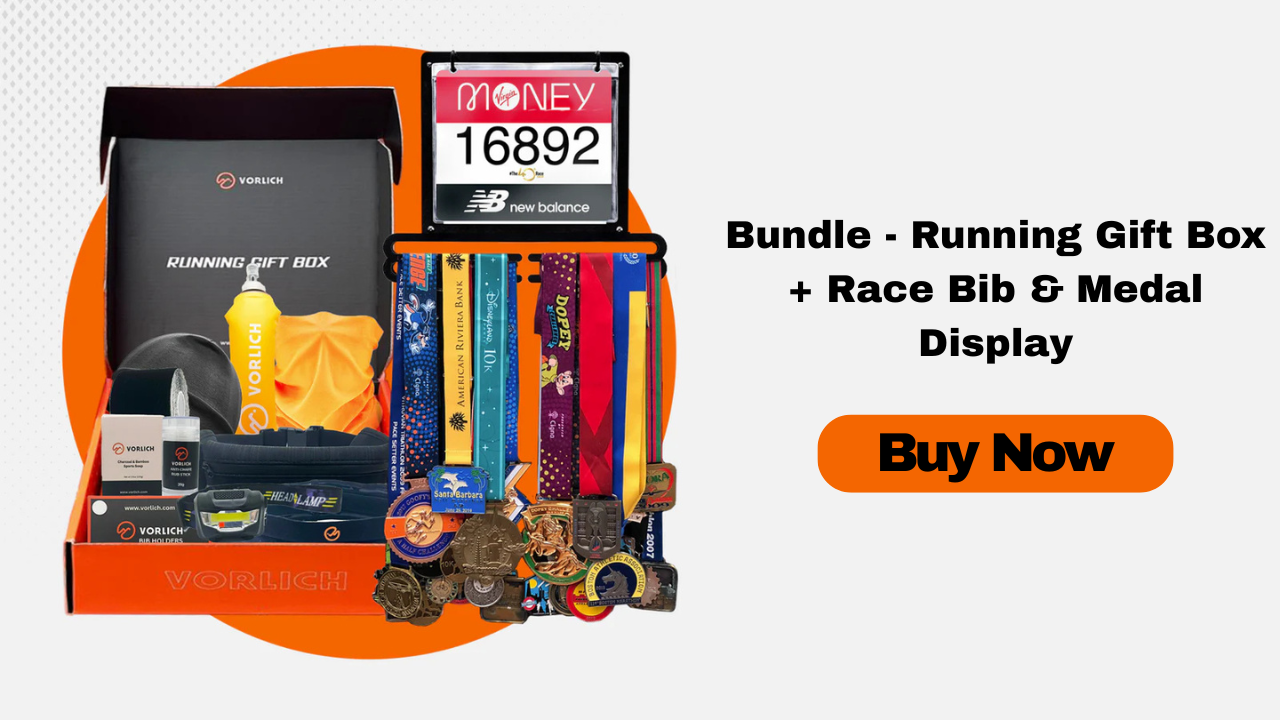
If you’re new to running or rebuilding your gear drawer, a bundle can be a practical way to collect comfort essentials in one go. For example, the Vorlich Running Gift Box includes items like a running belt, anti-chafing balm, a folding bottle, and a headtorch—gear that collectively focuses on making runs more comfortable and hassle-free.
Building a Minimal but Comfortable Running Gear Setup
You don’t need a huge collection of equipment. A minimal, comfort-first setup can be more effective and less overwhelming, especially if you’re a beginner or returning runner.
1. Core Comfort Items Most Runners Need
For most road runners, a minimal comfort kit might include:
- 1–2 pairs of comfortable running shoes that fit well.
- Several pairs of technical running socks.
- Moisture-wicking shorts or tights and tops.
- A sports bra (for women) that offers reliable support.
- An anti-chafing product for longer runs.
- A simple running belt or pocketed shorts for carrying essentials.
- A basic hydration solution (handheld or folding bottle) for runs over 45–60 minutes or in warm weather.
If you prefer to keep gear simple and focused on comfort, this overview of a minimal running gear setup for beginners and improvers can help you prioritise what matters and skip what doesn’t.
2. Seasonal Adjustments
Adjust your kit as seasons change, still prioritising comfort:
- Summer: Lightweight, breathable fabrics; sun protection; minimal layers.
- Winter: Layering with thermal base layers, windproof outer layers, gloves, and hats.
- Transitional seasons: Versatile additions like light jackets, arm warmers, and caps.
Caring for Your Gear to Maintain Comfort Over Time
Even the best gear loses comfort if not looked after. Fabric stiffness, lingering odours, and worn-out cushioning all reduce how pleasant your runs feel.
1. Washing and Drying
- Follow care labels to avoid shrinking, warping, or damaging technical fibres.
- Use mild detergent and avoid fabric softener, which can clog moisture-wicking fabrics.
- Air-dry shoes and technical clothing whenever possible to preserve shape and softness.
2. Knowing When to Replace Gear
Comfort is a useful sign that something needs replacing:
- Shoes: If you notice new aches, flat-feeling cushioning, or uneven wear, it may be time for a new pair.
- Socks: Thin spots or stretched elastic can cause blisters and sliding.
- Sports bras and tights: Loss of elasticity or support can lead to chafing or discomfort.
Common Comfort Mistakes Runners Make With Gear
Many comfort problems are avoidable. Being aware of common mistakes helps you fix them early.
- Wearing brand-new gear on race day: Always test gear on training runs first.
- Ignoring minor discomfort: Small irritations early in a run often turn into painful blisters or chafing later.
- Overpacking for short runs: Extra weight and bounce can make a run less enjoyable.
- Choosing style over comfort: A sleek look isn’t worth constant adjustment or rubbing.
- Not adjusting for conditions: Wearing winter kit in spring or heavy gear in heat quickly ruins comfort.
Comfort also affects motivation. If your gear makes every run feel like a chore, your enthusiasm can drop. If you find yourself losing interest as runs feel repetitive, pairing a comfort upgrade with strategies from this article on how to stay motivated when runs feel repetitive can help you get back into a positive rhythm.
Putting It All Together: Create Your Comfort-First System
Building a comfort-first running gear system is about removing as many friction points—literal and figurative—as possible. You don’t need the most advanced technology or the highest price tags. You just need gear that:
- Fits your body and running style.
- Prevents common issues like chafing, blisters, and bouncing.
- Keeps you at a comfortable temperature and hydration level.
- Is simple enough that you don’t think about it once you start running.
A smart approach is to improve comfort gradually:
- Start with footwear and socks.
- Address chafing with clothing and balms.
- Add hydration and storage that feels natural to carry.
- Refine seasonal gear and small accessories over time.
As your gear becomes more comfortable and friction-free, sticking to your training plan becomes easier. That consistency, more than any single gadget, is what leads to progress. For guidance on balancing your training with rest while you build a sustainable routine, see this article on how to combine training plans with recovery.
Ultimately, running gear that improves comfort and nothing else is not a luxury—it’s a foundation. Comfortable runs are the ones you’re excited to repeat, and that’s where real long-term improvement begins.