Choosing running gear today can feel overwhelming. Everywhere you look, brands are promising “revolutionary” shoes, “must-have” gadgets, and “game‑changing” fabrics. But if your goal is to run farther, faster, and more comfortably, you need gear that matches your actual running needs, not what’s trending on social media. This guide will show you how to choose running shoes, clothing, accessories, and tech based on performance, comfort, and safety—while ignoring hype, over‑marketing, and unnecessary upgrades.
1. Start With Your Running Needs, Not the Store Shelf
The smartest way to avoid marketing traps is to define your needs before you open a running website, walk into a store, or scroll online.
Key questions to clarify your running profile
- How often do you run? 1–2 times a week, 3–4, or almost daily?
- How far do you usually run? 2–5 km, 5–10 km, longer, or a mix?
- What surfaces do you run on? Road, treadmill, track, trail, or a combination?
- What is your climate like? Mostly hot, cold, wet, windy, or varied by season?
-
What are your main goals?
- General fitness and weight loss
- Training for a 5K or 10K
- Half marathon or marathon
- Trail or ultra running
- Staying injury‑free while building a habit
- Do you have any known issues? Knee pain, plantar fasciitis, blisters, overheating, chafing, etc.
Write your answers down. This becomes your personal gear filter. Every time you consider buying something, ask: “Does this solve a real problem I have—or just a problem created by marketing?”
If you’re just starting out, focus on building the habit before buying lots of gear. A simple pair of comfortable shoes and basic clothing is enough for most beginners. For structured guidance that doesn’t depend on fancy equipment, see this helpful resource: Beginner Running Plan Without Expensive Equipment.
2. How to Choose Running Shoes Based on Your Feet and Terrain
Running shoes are usually the most important gear decision—and the most heavily marketed. To choose them based on needs, not hype, focus on fit, function, and feel, not brand slogans.
Step 1: Define your shoe use-case
- New or low‑mileage runners: Prioritize comfort, cushioning, and basic support.
- Intermediate runners: You may want different shoes for easy runs and faster workouts.
- Marathon or high‑mileage runners: Durability and stable cushioning become more important.
- Trail runners: Grip, protection, and stability on uneven terrain are key.
Step 2: Focus on fit first
Ignore marketing names like “hyper foam” or “turbo plate” until you’ve checked these basics:
- Length: About a thumb’s width (roughly 0.5–1 cm) of space in front of your longest toe when standing.
- Width: Snug at the midfoot and heel, but not squeezing your toes. No pinching or rubbing.
- Heel slip: Minimal movement; your heel should feel secure without harsh rubbing.
- Instant comfort: They should feel good as soon as you put them on. “Breaking in” should not mean painful weeks.
Step 3: Match shoe type to your running style
- Neutral shoes: For runners whose feet don’t excessively roll inward (overpronate). Most runners fall into this category.
- Stability shoes: For moderate overpronators or those with recurring injuries that benefit from extra support.
- Max-cushion shoes: Good for heavy runners, high‑mileage runners, or those who prefer a softer feel underfoot.
- Lightweight / racing shoes: Best for races and speed sessions, not necessarily daily training for most people.
- Trail shoes: Needed if you often run on dirt, mud, rocks, or steep trails. Look for lugs (tread) and rock protection.
Step 4: Ignore unnecessary shoe marketing
Be cautious when you see:
- Very bold claims like “prevents all injuries” or “run like a pro.” No shoe can guarantee this.
- Pro athlete endorsements that don’t match your level or running style.
- Frequent “must-upgrade” models when your current shoes are still comfortable and not worn out.
Signs it’s time to replace shoes
- Outsole is worn flat or uneven.
- You feel less cushioning or more impact.
- New aches or pains that improve when you switch pairs.
- Typically around 500–800 km of use, depending on the shoe and runner.
3. Running Clothing: Comfort, Fabric, and Weather Protection
Running apparel ads push new colors and styles every season. Instead of chasing trends, build a simple wardrobe that handles your climate and distances comfortably.
Fabric matters more than fashion
- Avoid 100% cotton for anything that gets sweaty. It stays wet, chafes, and can make you cold.
- Choose moisture‑wicking materials like polyester, nylon, or technical blends.
- Look for flat seams or seamless designs to reduce chafing, especially on longer runs.
- Breathability and ventilation are key in hot climates—mesh panels and lightweight fabrics help.
Essential clothing items by season
Warm weather (spring/summer)
- Lightweight, moisture‑wicking T‑shirts or singlets
- Running shorts with a built‑in liner to reduce chafing
- Technical running socks (not thick cotton gym socks)
- Cap or visor and sunglasses for sun protection
If you often run in the heat, you may benefit from specialized gear and strategies. See this guide for more ideas: Best Running Accessories for Hot Weather Running.
Cool or cold weather (fall/winter)
- Base layer: thin, moisture‑wicking top
- Mid layer: lightweight fleece or long‑sleeve top if very cold
- Outer layer: wind‑resistant or water‑resistant jacket (for rain, wind, or snow)
- Running tights or thermal leggings
- Light gloves and a headband or hat
Chafing: what it is and how to prevent it
Chafing can turn a good run into a miserable one, especially in areas like thighs, underarms, and sports bra lines. To prevent it:
- Choose seamless or flat‑seamed clothing
- Avoid rough fabrics and poor fit
- Use a protective product on high‑friction areas, such as a dedicated anti‑chafe stick
A reliable option designed for runners is the Vorlich Anti-Chafe Stick, which can help prevent irritation on long or sweaty runs.
4. Accessories You Actually Need (and What’s Optional)
Accessories are where marketing often pushes you to buy more than you need. Start with a minimal list, then add items only when a specific problem appears.
Must-have accessories for most runners
- Running socks: Made from moisture‑wicking fabrics; they reduce blisters and discomfort.
- Reflective gear or a small light if you run early in the morning or at night.
- Some way to carry essentials like keys, ID, and possibly a phone.
Optional but helpful accessories
- Running belt or waistband for keys, phone, and gels.
- Hat or visor to protect from sun and rain.
- Running sunglasses for bright conditions.
- Lightweight gloves and headwear in cold weather.
If you decide to use a belt or waistband, choose one based on bounce control, pocket size, and comfort rather than the brand name or appearance. For more detailed criteria, see this guide: How to Choose the Right Running Belt for Your Training.
Avoiding the accessory trap
- Don’t buy a new accessory just because it’s trending on social media.
- Ask yourself: “What problem does this solve for me specifically?”
- Borrow or test from a friend if possible before buying.
5. Hydration Gear: Bottles, Belts, and Packs
Hydration needs depend heavily on your climate, run duration, and sweat rate. You don’t need a full hydration system for a 20‑minute jog, but you might for a 90‑minute summer run.

When you need to carry water
- Runs over 45–60 minutes, especially in warm or humid conditions.
- Runs where you don’t have access to fountains or refill points.
- Trail runs or isolated routes where you’re far from services.
Hydration options
-
Handheld bottles:
- Good for short to medium runs.
- Can feel unbalanced in one hand if you’re not used to it.
-
Running belts with bottles:
- Keep hands free.
- Look for minimal bounce and good fit.
-
Hydration vests or packs:
- Useful for long runs, trail runs, or hot climates.
- Should fit snugly without chafing.
A flexible option for many runners is a lightweight, collapsible bottle. Products like the Vorlich Folding Bottle are designed to save space when empty while still being easy to carry or stash in a belt or vest.
6. Running Tech: Watches, Apps, and When to Upgrade
Tech can support your training, but it’s easy to overbuy. You don’t need the most advanced GPS watch to become a better runner.
Assess what you really need from tech
- Beginners: A simple watch, phone GPS app, or even a basic timer can be enough.
- Intermediate runners: You might benefit from pace, distance, heart rate, and interval features.
- Advanced / marathoners: Structured workouts, training load metrics, and route navigation may be useful.
Common running tech options
- Smartphone apps: Free or low‑cost, track distance, pace, and progress.
- Basic GPS watches: Track pace, distance, and time without carrying a phone.
- Advanced GPS watches: Offer heart‑rate monitoring, training effect, VO2 max estimates, and more.
Marketing traps in running tech
- Buying for features you’ll never use just because they sound impressive.
- Feeling you must upgrade each year to “keep up” with the latest model.
- Assuming more data automatically makes you faster. It doesn’t—how you train matters most.
Before upgrading, ask:
- Is my current device limiting my training in a meaningful way?
- Do I actually use most of the features on my current watch?
- Could I get the same benefit with a simpler or cheaper option?
7. How to Build a Budget-Friendly Running Kit
One of the biggest myths in running is that you need a lot of expensive gear to start. In reality, you can build a safe, effective kit on a budget by prioritizing a few essentials.
Prioritize spending on what matters most
- Running shoes – Your biggest investment. Comfort and injury prevention are worth the cost.
- Technical socks and base layers – Small items, big difference in comfort and blister prevention.
- Weather protection – A decent jacket or hat can make outdoor runs safer and more enjoyable.
Ways to save money without sacrificing quality
- Buy last year’s shoe model at a discount instead of the newest version.
- Look for seasonal sales on clothing (winter gear in spring, summer gear in fall).
- Start with minimal accessories and add only what you truly need.
- Use free training plans and apps instead of paid subscriptions at first.
If your main goal is fitness or weight loss, structure and consistency matter more than gear. A focused plan like the Beginner Running Plan for Weight Loss and Fitness can give you progress without requiring a premium gear setup.
8. Marketing Red Flags: How to Spot Overhyped Gear
Understanding common marketing tactics helps you stay focused on what genuinely improves your running.
Watch out for these phrases
- “Must-have for every runner” – There is no single product that fits everyone.
- “Revolutionary technology” with no independent testing or clear explanation.
- “Run pain-free instantly” – Pain relief usually requires training changes, not just gear.
How to evaluate a product honestly
- Look for specific benefits, not vague claims.
- Read reviews that mention running style, distance, and conditions similar to yours.
- Consider whether the product aligns with your previously defined needs and goals.
- Ask experienced runners or coaches what they’ve found actually helpful vs. hyped.
When premium really makes sense
- You’ve outgrown beginner gear and have specific performance goals.
- You’re logging high weekly mileage and need durable, comfortable equipment.
- You have specific issues (like blisters or chafing) that targeted products genuinely solve.
9. Gear Choices by Running Goal (5K, Weight Loss, Marathon, Trail)
Different goals require different gear priorities. Here’s how to tailor your kit without letting marketing take over.
If your goal is general fitness or weight loss
- Focus on comfortable shoes suited to your surface (road, treadmill, light trail).
- Choose breathable, moisture‑wicking clothing you enjoy wearing.
- Use a simple way to track time and distance (phone app or basic watch).
If your goal is a 5K or 10K
- Slightly lighter shoes can help for speed workouts—but comfort still comes first.
- A watch or app that tracks pace is useful for interval training.
- You don’t need race‑day carbon “super shoes” to set a personal best at these distances, especially if you’re newer to running.
If your goal is a half marathon or marathon
- Invest in durable, cushioned shoes that feel good on long runs.
- Consider a second pair for rotation to reduce wear and tear.
- Hydration and fueling gear (bottles, belts, gels) become more important.
- A GPS watch that tracks pace and distance reliably can help you stick to your training plan.
For more marathon‑oriented gear ideas based on real performance needs, take a look at this detailed guide: Best Running Gear for Marathon Runners to Enhance Performance.
If your goal is trail or off-road running
- Trail shoes with grip and protection are essential on technical terrain.
- Consider a hydration vest or pack for longer or remote runs.
- Weather‑resistant layers become more important in exposed areas.
If your goal is consistency and habit-building
- Prioritize comfort and enjoyment over performance accessories.
- Choose gear that makes it easier to step out the door—clothes you like, shoes that feel good, and simple tracking.
- A small reward system (like saving race bibs or medals) can boost motivation as you hit milestones. Some runners enjoy organizing their race memories using displays or holders; it can be part of celebrating your progress over time.
10. Caring for Your Gear So It Lasts Longer
Good care extends the life of your gear and saves money—another way to resist marketing pressure to constantly buy new items.
Extending shoe life
- Rotate between two pairs if you run often.
- Untie laces when taking shoes on and off to avoid stretching and damage.
- Air dry shoes away from direct heat; never put them in a dryer.
Clothing care tips
- Wash technical fabrics in cold water with mild detergent.
- Avoid fabric softeners—they can clog moisture‑wicking fibers.
- Hang dry to preserve elasticity and fit.
Accessory and tech care
- Wipe down watch sensors and straps regularly.
- Rinse hydration bottles or bladders promptly and let them dry completely.
- Store gear in a cool, dry place between runs.
11. Practical Gear Checklist Based on Running Needs
Use this checklist to evaluate what you truly need right now versus what marketing tells you to want.
Core essentials (for almost every runner)
- 1–2 pairs of well‑fitting running shoes
- Several pairs of technical running socks
- Moisture‑wicking tops and shorts or tights
- Sports bra (for women), designed for running support
- Basic time/distance tracking (phone app or simple watch)
Nice-to-have (add as your needs grow)
- Running belt or waistband for keys, phone, and gels
- Lightweight hat or visor
- Gloves and headband for cold conditions
- Hydration solution for runs longer than 45–60 minutes
- Anti‑chafe product for longer distances or humid weather
Specialized items (only if your needs truly justify them)
- Trail shoes for regular off‑road running
- Hydration vest for long or remote runs
- Advanced GPS watch for structured training and navigation
- Race‑day shoes for serious time goals or competitive racing
Thoughtful gear and gift options
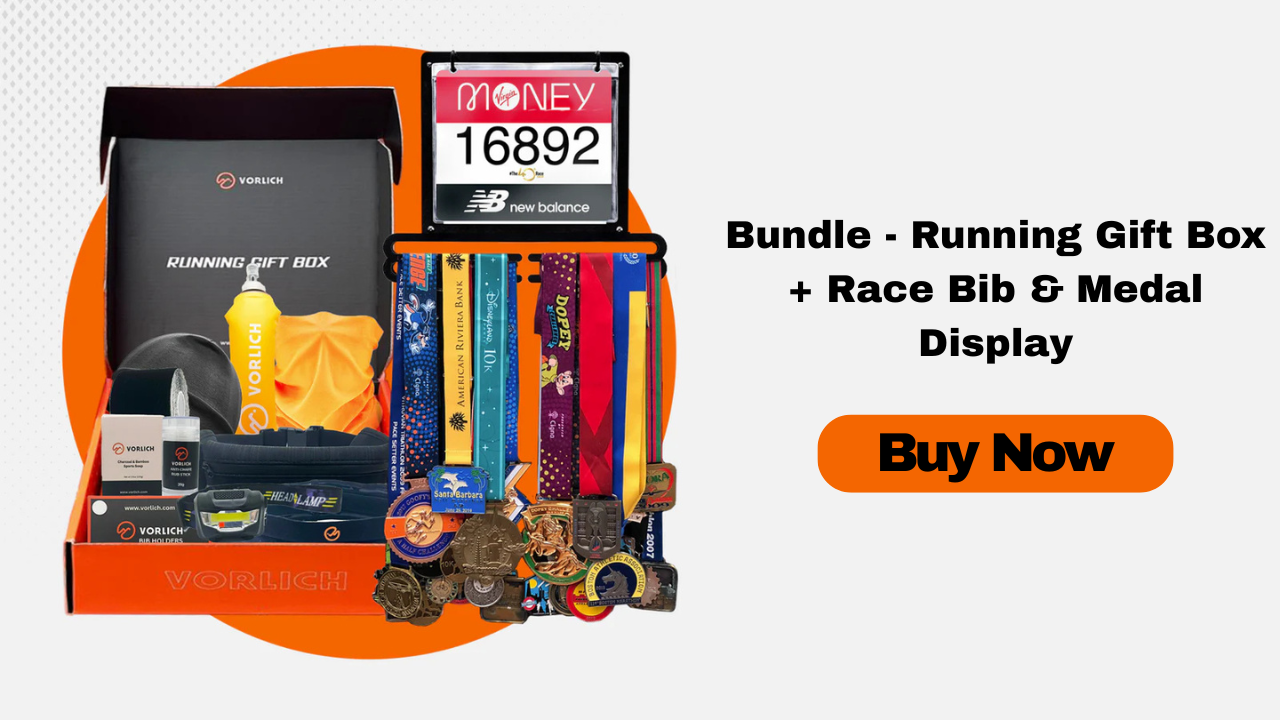
If you or someone you know is building a running routine and you want something practical that supports real needs (comfort, motivation, recovery), look for curated sets that emphasize essentials over gimmicks. For example, a package like the Vorlich Running Gift Box can provide a selection of useful items tailored to runners without overwhelming them with unnecessary extras.
Ultimately, the best running gear is the gear you use consistently because it matches your body, your goals, and your environment. By starting from your needs—distance, terrain, climate, and experience level—you can ignore the loudest marketing messages and instead build a smart, efficient kit that helps you run more often, stay comfortable, and enjoy every step.