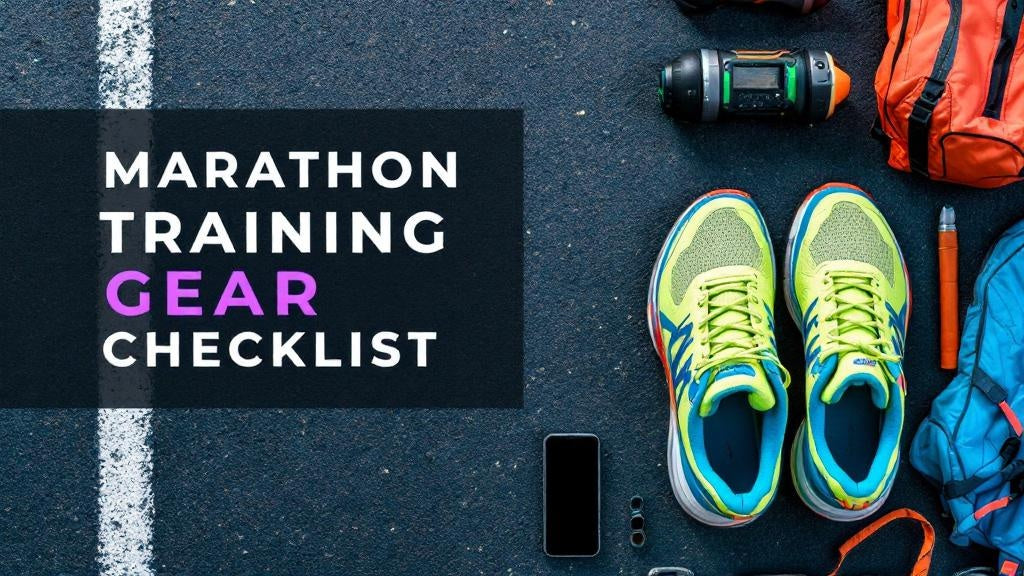
Training for a marathon is about more than logging endless miles. The gear you choose during training can make the difference between a strong, confident race and a painful, problem-filled 26.2 miles. This marathon training gear checklist walks you through everything you need—from shoes and clothing to hydration, recovery tools, and race-day essentials—so you can focus on running your best rather than worrying about what you forgot to pack.
Why the Right Marathon Gear Matters
Marathon training asks a lot from your body: high mileage, back-to-back long runs, tempo sessions, and recovery days. The right gear supports all of that by helping you:
- Reduce injury risk through proper footwear and support.
- Stay comfortable in changing weather and on long runs.
- Maintain consistent pacing with accurate tracking tools.
- Fuel and hydrate efficiently without constant stops.
- Build mental confidence because you’ve tested everything in training.
Good equipment will not instantly make you faster, but it removes avoidable problems—blisters, chafing, dehydration, gear malfunctions—that can ruin race day. When building your kit, aim for functional, reliable, and tested, not just trendy. For a deeper look at smart purchasing decisions, see this guide on how to choose gear based on running needs, not marketing.
1. Running Shoes: The Foundation of Marathon Training
Your running shoes are the most critical piece of marathon gear. The wrong pair can lead to blisters, knee pain, or even injury that derails your training plan.
How to Choose Marathon Training Shoes
- Get a gait analysis at a specialty running store if possible.
- Look for shoes that match your foot type:
- Neutral, stability, or motion control depending on how much you pronate.
- Prioritize comfort over hype. If a shoe feels even slightly wrong in the store, it will feel worse at mile 20.
- Allow a thumb’s width of space at the front to prevent black toenails on long runs.
Training vs. Race-Day Shoes
- Daily trainers: More cushioning and durability; use for most weekly miles.
- Tempo or speed shoes: Lighter and more responsive; use for intervals and tempo runs.
- Race-day shoes: Often lighter, sometimes with carbon plates. Test them on several long runs before race day.
Plan to rotate between at least two pairs of shoes during marathon training. Rotating can help reduce overuse injuries and extend the life of each pair.
2. Running Socks: Small Detail, Big Impact
Blisters during a marathon are painful and distracting. Quality running socks are a simple way to prevent them.
Features to Look For
- Technical fabric that wicks sweat (avoid cotton).
- Seamless toe to reduce friction.
- Snug but not tight fit around midfoot and heel.
- Options with light cushioning in high-impact areas.
Types of Running Socks
- Quarter or crew length to protect against shoe rubbing and debris.
- No-show socks for warmer days if they don’t slip.
- Toe socks if you’re prone to blisters between toes.
Test different socks on your long runs so you know exactly which pair you’ll wear on race day.
3. Clothing Layers for All Weather Conditions
Marathon training forces you to run through whatever weather you’re given. Build a flexible clothing system so you’re prepared for heat, cold, rain, and wind.
Base Layer: Tops and Bottoms
- Technical running shirts (short-sleeve and long-sleeve) made of moisture-wicking fabric.
- Running shorts or tights with flat seams and a secure waistband.
- Length options:
- Short shorts for hot weather and speed work.
- Mid-thigh shorts for everyday training.
- Capris or tights for cooler temperatures.
Outer Layers: Jackets and Vests
- Lightweight windbreaker or shell for windy or drizzly days.
- Water-resistant, breathable jacket for rainy long runs.
- Running vest to add core warmth without overheating.
Cold-Weather Extras
- Thermal or fleece-lined tights.
- Gloves or mittens designed for running.
- A moisture-wicking running beanie to keep your head warm without trapping sweat.
Hot-Weather Essentials
- Light-colored, breathable tops.
- Running cap or visor with UV protection.
- Sunscreen that won’t drip into your eyes.
Choose outfits you’ve tested on long runs. Race morning is not the time to try brand-new clothing, no matter how good it looks.
4. Hydration Gear: Bottles, Belts, and Vests
Dehydration will slow you down and increase your risk of cramping, especially on warm or humid days. During marathon training, you need a reliable way to carry fluids on long runs.
Hydration Options
- Handheld bottles: Simple and convenient for shorter long runs (up to ~15 km / 10 miles).
- Hydration belts: Carry multiple small bottles plus pockets for gels and keys. Learn how to pick one with this guide on how to choose the right running belt for your training.
- Hydration vests or packs: Best for very long runs or hot climates where you need more fluid and storage.
Flexible Hydration for Race Day and Travel
If you’re traveling to your marathon or running in areas without fountains, a compact folding water bottle can be a game changer. It’s lightweight, packs small, and can be tucked into a belt or vest when empty.
Hydration Planning Tips
- Practice drinking on the run during training so your stomach adapts.
- Know the aid station locations for your race and plan whether you’ll carry your own fluids or rely on the course.
- Experiment with electrolyte drinks to find out what works best for you.
5. Race Nutrition: Gels, Chews, and Real Food
Your marathon nutrition strategy should be tested and refined throughout training. Waiting until race day to experiment is one of the most common—and costly—mistakes.
Types of Fuel
- Energy gels: Compact and fast-absorbing, but some runners find them too sweet.
- Energy chews or blocks: Easier to spread out over time; good if gels upset your stomach.
- Sports drinks: Provide carbs and electrolytes; check what brand your race uses.
- Real food options (for some runners): Bananas, dates, or small bars can work on long training runs.
Fuel Strategy
- Start fueling early—around 30–45 minutes into your run.
- Take in roughly 30–60 grams of carbohydrates per hour depending on your size and pace.
- Practice your plan on multiple long runs so you know how your body reacts.
Carry nutrition in your running belt, short pockets, or hydration vest. Make sure everything is easy to reach so you don’t break your rhythm mid-race.
6. Anti-Chafe and Skin Protection
Chafing can turn a strong marathon into a miserable experience. Areas like inner thighs, armpits, sports bra lines, and under heart-rate straps are especially vulnerable.

Anti-Chafing Essentials
- Anti-chafe balm or stick (apply before long runs and on race morning). A product like this anti-chafe balm is easy to carry and reapply if needed.
- Petroleum jelly as a backup for longer distances if you’re prone to chafing.
- Bandages or nip guards for runners who experience nipple chafing.
Skin Care and Protection
- Water- and sweat-resistant sunscreen for exposed skin.
- Lip balm with SPF.
- Post-run moisturizer for feet and legs to keep skin healthy during high mileage.
Remember to test your anti-chafe routine on long, sweaty training runs, not just short sessions. This helps you identify problem areas before race day.
7. Running Tech: Watches, Apps, and Headphones
Technology isn’t required to run a marathon, but it can help you train smarter, pace better, and analyze progress.
GPS Watch or Running App
- GPS running watch to track pace, distance, heart rate, and intervals.
- Running apps on your phone as an alternative if you don’t want a watch.
- Features to look for:
- Accurate GPS and easy-to-read screen.
- Customizable data fields (pace, distance, heart rate).
- Interval and workout programming.
Headphones and Audio
- Bone conduction headphones if you want to stay aware of traffic and other runners.
- Sweat-resistant wireless earbuds if allowed by race rules.
- Playlists or podcasts to help with long solo runs and mental stamina.
Pacing and Mental Strategy
Use your watch and tech tools to support a consistent, controlled pace rather than chasing every fast split. For an example of how routine and pacing work together on event day, see this guide to a simple race day routine for consistent performance.
8. Safety Gear for Early Morning and Night Runs
Marathon training often means squeezing in runs before sunrise or after sunset. Safety gear is non-negotiable in low light or poor visibility conditions.
Visibility Essentials
- Reflective vest or harness that’s visible from all directions.
- Clothing with built-in reflective elements on the front, back, and sides.
- Blinking lights that clip onto your clothing or belt.
Lighting for Dark Routes
- Headlamp to light your path and help others see you.
- Extra batteries or a fully charged battery pack.
Other Safety Considerations
- Carry ID or wear a wristband with emergency contact information.
- Keep your phone in a waterproof, sweat-proof belt or pocket.
- Let someone know your route and expected return time.
Solid safety habits are part of a sustainable running lifestyle. Combined with prioritized sleep, nutrition, and stress management, they support long-term health—for more ideas, explore these running lifestyle changes that improve well-being.
9. Recovery Tools to Survive Marathon Training
High-mileage weeks break your body down; recovery tools and habits help you rebuild stronger. Prioritize recovery gear just as you prioritize shoes and clothing.
At-Home Recovery Tools
- Foam roller for quads, IT bands, calves, and glutes.
- Lacrosse or massage ball for feet and deep tissue work.
- Massage gun (optional) for targeted muscle relief.
- Compression socks or sleeves to support calf recovery after long runs.
Passive Recovery Aids
- Ice packs for minor inflammation and soreness.
- Elevated leg recovery (legs up the wall) for 5–10 minutes after hard runs.
- Comfortable recovery shoes or sandals for post-run walking.
Sleep, Nutrition, and Mental Recovery
- Aim for 7–9 hours of sleep per night.
- Refuel with a mix of carbohydrates and protein within 1–2 hours after long runs.
- Use easy recovery runs and rest days to support mental health as well as physical recovery. For more on this, see running habits that support mental health.
10. Race-Day Gear Kit: What to Pack and Prepare
By the time you reach your taper, most of your gear decisions should already be made. Now it’s about organizing and packing everything you’ll need on race weekend.
Race Clothing
- Race-tested:
- Shirt or singlet.
- Shorts or tights.
- Socks and shoes (with miles on them, but not worn out).
- Weather-specific add-ons:
- Throwaway layer or old sweatshirt for the start line.
- Hat, visor, or beanie depending on conditions.
- Gloves for cold starts.
Race-Day Accessories
- Running belt or vest for gels, phone, and small items.
- Safety pins or race magnet system for your bib.
- Anti-chafe balm for all high-friction areas.
- Small baggie with tissues or wipes.
Pre- and Post-Race Items
- Comfortable clothes and warm layers for after the race.
- Change of socks and shoes if your feet get wet.
- Portable snacks if post-race food is limited.
If you’re traveling to your event, your packing list gets longer—travel-sized toiletries, backup gear, and weather options. To avoid last-minute stress, check out this detailed guide on what to pack for race day travel and create your own customized race weekend bag.
Race Morning Essentials
- Breakfast that you’ve practiced during training.
- Planned timing for bathroom, warm-up, and corral entry.
- Know where you’ll meet friends or family after the finish.
Combine your gear checklist with a simple routine to keep nerves in check and ensure nothing important is forgotten.
Printable-Style Marathon Gear Checklist
Use this section as a quick reference when preparing for long runs and race day. Customize it based on your climate and preferences.
Core Running Gear
- Primary training shoes
- Secondary or race-day shoes
- Technical running socks (2–3 favorite pairs)
- Short-sleeve running tops
- Long-sleeve running tops
- Running shorts (various lengths)
- Running tights or capris
- Sports bras (for women) with tested support
Weather and Comfort
- Lightweight windbreaker or running jacket
- Water-resistant jacket for rain
- Running vest for added warmth
- Running cap or visor
- Running beanie or headband for cold
- Running gloves or mittens
- Sunscreen and lip balm with SPF
Hydration and Fuel
- Handheld bottle, belt, or hydration vest
- Folding water bottle (for travel or long runs)
- Energy gels and/or chews
- Electrolyte drink or tablets
- Recovery drink mix (optional)
Protection and Safety
- Anti-chafe balm or stick
- Bandages or nip guards
- Reflective vest or harness
- Headlamp or running light
- ID bracelet or card
- Phone and secure carrying option
Tech and Extras
- GPS watch or phone with running app
- Heart rate monitor (optional)
- Headphones (if allowed and desired)
- Foam roller and massage tools
- Compression socks or sleeves
- Post-run sandals or recovery shoes
Race-Day Specific Items
- Race outfit (top, bottoms, socks, shoes)
- Race belt or bib attachment system
- Pre-race breakfast and snacks
- Throwaway clothing for the start
- Post-race clothing and warm layers
- Bag for checked gear if your race offers it
Final Tips for Choosing Marathon Training Gear
As you build your marathon training gear checklist, keep these core principles in mind:
- Function over fashion: Prioritize comfort, durability, and fit.
- Test everything in training: From socks to gels, nothing should be brand-new on race day.
- Start simple, then refine: Begin with the basics, then add items that truly solve problems or add comfort. For smart ideas that don’t clutter your kit, explore running gear that adds value without complexity.
- Listen to your body: If gear causes hot spots, rubbing, or discomfort, adjust early.
- Keep records: Note which shoes and outfits you wear on long runs and how they feel.
With the right gear and a structured training plan, you’ll be better prepared to handle the physical and mental challenges of 26.2 miles. Use this marathon training gear checklist as a living document—update it as you learn what works best for your body, your climate, and your running goals. The more prepared you are in training, the more confident you’ll be when you step up to the start line.