

Are Folding Water Bottles Good for Running Long Distances
Staying hydrated is one of the biggest challenges when you’re running long distances. Traditional hard bottles can feel bulky, handhelds can throw off your form, and not every route has convenient water fountains. That’s where folding water bottles (also called collapsible water bottles or soft flasks) come in. But are folding water bottles really good for long-distance running, or are they just another gimmick? This in-depth guide breaks down the pros, cons, and best practices so you can decide whether a folding bottle is the right hydration solution for your next 10K, half marathon, or marathon.
What Are Folding Water Bottles?
Folding water bottles are soft, collapsible bottles made from flexible materials like TPU (thermoplastic polyurethane) or silicone. Unlike rigid plastic or metal bottles, they compress as you drink and can be folded or rolled when empty.
The Vorlich Folding Bottle is a good example of this design: it’s lightweight, packable, and specifically built with runners and outdoor athletes in mind.
Key features you’ll commonly see include:
- Soft-sided construction that collapses as the fluid level drops
- Leak-resistant caps or bite valves similar to those on hydration bladders
- Lightweight materials that reduce overall carrying weight
- Compact packability, allowing the bottle to fold into a pocket, belt, or small pouch
Because of these traits, folding water bottles have become increasingly popular among trail runners, marathoners, and minimalists who don’t want to carry a bulky bottle for the entire run.
Benefits of Folding Water Bottles for Long-Distance Running
For long-distance runners, the right hydration system needs to be comfortable, practical, and easy to manage over many miles. Folding water bottles offer several notable advantages.
1. Lightweight and Minimal Bulk
- Folding bottles typically weigh far less than rigid plastic or metal bottles.
- Once you’ve finished drinking, they collapse down, so you’re not stuck holding an empty, bulky container.
- Less weight and bulk mean less fatigue in your arms and shoulders, especially if you prefer handheld bottles only at the start of a race.
2. Space-Saving Design for Long Runs
One of the biggest benefits for long-distance running is how well folding bottles disappear when not in use. This is especially helpful when:
- You’re running a race with frequent aid stations and only need a small bottle between stations.
- You prefer to start with extra water in hot conditions and discard volume as you go.
- You want gear that takes up minimal space after your run—perfect for runners who prioritize minimal running gear for runners with limited storage.
3. Comfortable to Hold or Wear
The soft structure of folding bottles makes them more comfortable than hard bottles in several ways:
- They conform to your hand, reducing pressure points during handheld use.
- When worn in a running belt or vest pocket, they mold to your body rather than bouncing around like a rigid bottle.
- As you drink, the bottle becomes smaller, which reduces sloshing and movement.
4. Reduced Sloshing and Noise
Sloshing water isn’t just annoying; it can also subtly affect your rhythm and make your pack or belt bounce more. Folding bottles:
- Collapse as you drink, so there’s less air inside the bottle.
- Reduce water movement and sloshing, particularly when filled to around half capacity.
- Help maintain a quiet, focused running experience, especially useful for runners who like meditative or mental-health-focused runs (see more on running habits that support mental health).
5. Versatility Across Distances
Folding bottles can work well for:
- 10K and half marathon training when you want just enough water for a medium-length run.
- Marathon and ultra-marathon distances when used in pairs or combined with aid station support.
- Trail runs where refilling from streams or aid stations is common, thanks to their compact size.
6. Travel-Friendly and Storage-Friendly
For runners who travel frequently or have limited home storage, folding bottles are extremely practical:
- Roll them up and store them in a drawer, suitcase, or even inside your shoes.
- Ideal for runners following a beginner running plan without expensive equipment, where budget, simplicity, and space really matter.
7. Eco-Friendly Potential
By using a reusable folding bottle, you can significantly reduce your dependence on single-use plastic bottles at aid stations or on training runs. Over time, that means:
- Less plastic waste from disposable bottles.
- More sustainable running habits, especially if you consistently refill from home or filtered sources.
Potential Drawbacks and Limitations
While folding water bottles are excellent in many scenarios, they’re not perfect. Understanding their limitations helps you decide if they suit your running style, distance, and environment.
1. Durability Concerns
Folding bottles are made from flexible materials, so:
- They may be more prone to punctures or tears if scraped against sharp rocks or carried with keys.
- Repeated folding and rolling can eventually wear down seams or weaken the material.
Look for high-quality options like the Vorlich Folding Bottle, which is designed to balance flexibility with durability for frequent runners.
2. Taste and Odor Over Time
Some runners notice a slight plastic or rubbery taste, especially when the bottle is new. To minimize this:
- Rinse and soak the bottle in warm water with a mild baking soda solution before first use.
- Avoid leaving sports drinks in the bottle for long periods, which can cause lingering smells.
- Allow the bottle to dry fully between uses.
3. Filling and Cleaning Can Be Tricky
Compared to rigid bottles, folding bottles may:
- Be slightly harder to stand upright while filling, especially in a busy race environment.
- Require more care to thoroughly clean and dry, particularly around the cap and bite valve.
However, with a consistent routine and the right cleaning tools, this becomes much easier (see the cleaning tips section below).
4. Limited Insulation
Folding bottles usually do not insulate beverages as well as double-walled metal bottles. This means:
- Water can warm up more quickly on hot days.
- Ice won’t last as long, so if you rely on icy water for cooling, this may be a trade-off.
For most long-distance runs, however, the priority is accessibility and weight rather than perfect temperature control.
5. Capacity Limits
Many folding bottles range from about 250 ml to 500–750 ml. For very long or unsupported runs:
- You may need multiple bottles or a combination of folding bottles and a hydration bladder.
- Planning where you can refill becomes more important.
Are Folding Water Bottles Good for Long Distances Overall?
For most runners, the answer is yes—folding water bottles can be excellent for long-distance running, provided you choose the right model and use it correctly.

They are especially suitable if you:
- Prefer lightweight, minimal gear that doesn’t get in the way.
- Run routes with regular refill opportunities (e.g., fountains, aid stations, or looped courses).
- Dislike the bulk and bounce of traditional rigid bottles.
For structured training cycles—whether you’re following a detailed plan like the 10K training guide for runners who want structure or building towards a half marathon—folding bottles offer an adaptable, flexible solution that works for a variety of workout types.
How to Choose the Right Folding Bottle for Running
Selecting the right folding bottle is critical if you want it to perform well over long distances. Consider the factors below before you buy.
1. Capacity
Match bottle size to your typical distance and climate:
- 250–350 ml: Good for short runs (5–10K) or as a secondary bottle for electrolytes.
- 500 ml: Versatile option for most 10K–half marathon training runs.
- 600–750 ml: Better for long, hot, or unsupported runs where refill points are limited.
2. Valve Type and Flow Rate
A good running bottle should allow you to drink quickly and easily, without breaking your stride.
- Look for bite valves or sports caps that prevent leaks while allowing a steady flow.
- Test whether you can drink one-handed without struggling.
3. Shape and Ergonomics
Comfort matters over 10+ miles. Check:
- Whether the bottle fits comfortably in your hand if you plan to carry it.
- If it slides easily into a running belt or vest pocket and stays put.
- Whether the surface texture offers a good grip when wet.
4. Material Quality and Safety
Prioritize bottles made from BPA-free and food-grade materials. High-quality options usually provide:
- Better resistance to tears and punctures.
- Less residual taste after repeated use.
5. Compatibility With Your Running Gear
Before you commit, consider how your bottle will work with your current gear:
- Does it fit in your running belt, vest, or handheld strap?
- Will it pair well with other essentials you use on long runs, such as energy gels and phones?
If you’re still figuring out how to carry your hydration, check out guidance like how to choose the right running belt for your training so your bottle and belt work smoothly together.
How to Carry Folding Water Bottles on Long Runs
Carrying method is just as important as the bottle itself. Poor placement can lead to chafing, bouncing, and poor running form.
1. Running Belts
- Many running belts are designed with stretch pockets that hold soft flasks and folding bottles securely.
- Because the bottle shrinks as you drink, the belt becomes lighter and more comfortable over time.
- Good for runners who want a low-profile hydration solution around the hips instead of on the back.
2. Running Vests or Packs
- Most modern running vests have front chest pockets sized for soft flasks.
- Placing folding bottles here keeps weight centered and stable, reducing bounce.
- Ideal for trail or ultra runners carrying multiple flasks or mixing water and electrolytes.
3. Handheld Straps
- Some folding bottles pair well with handheld straps that secure the bottle to your palm.
- These are useful for runners who want water immediately accessible without reaching into a belt or vest.
- Best for shorter long runs or those with frequent refill points, since carrying large volumes in one hand may cause imbalance over very long distances.
Hydration Strategies for Long-Distance Runs
Choosing a folding bottle is only half the equation. You also need a strategy for how much and how often to drink.
1. General Hydration Guidelines
- Many experts suggest aiming for around 400–800 ml of fluid per hour of running, depending on your size, pace, and the weather.
- Instead of chugging large amounts infrequently, drink small sips every 10–15 minutes.
- Adjust intake based on:
- Temperature and humidity
- Intensity of your run
- Your personal sweat rate
2. Practice During Training, Not on Race Day
Never use a new hydration method for the first time on race day. During your training cycle:
- Practice drinking from your folding bottle at your target race pace.
- Experiment with water vs. electrolyte drinks and observe how your stomach responds.
- Use your long runs to refine a routine that becomes automatic by race day.
3. Match Bottle Size to Route and Support
Your hydration needs vary based on route and event logistics:
- On well-supported race courses, a smaller folding bottle may be enough if you plan to refill at aid stations.
- On remote trails or hot days, it’s safer to carry extra capacity than to risk dehydration.
Folding Bottles vs Other Hydration Options
To decide whether folding bottles are ideal for long distances, compare them with other common hydration systems.
1. Folding Bottles vs Hard Bottles
- Weight & Bulk: Folding bottles are generally lighter and much less bulky when empty.
- Comfort: Soft bottles are more comfortable against the body; hard bottles may dig into your sides or back.
- Durability: Hard bottles may better withstand drops, while soft bottles can be more vulnerable to punctures.
2. Folding Bottles vs Hydration Bladders
- Ease of refilling: Folding bottles are typically easier and faster to refill at aid stations or fountains.
- Cleaning: Bottles are often simpler to clean and dry than long hydration tubes.
- Capacity: Hydration bladders usually carry more fluid (1–2 liters or more), which can be beneficial on very long, unassisted runs.
3. Folding Bottles vs Aid Stations Only
- Relying solely on aid stations means you’re dependent on their spacing and availability.
- A folding bottle gives you control: you can sip when you need it, not just when you reach the next table.
- On crowded courses, carrying your own bottle can save you time and stress at busy stations.
Care, Cleaning, and Maintenance Tips
Proper care will extend the life of your folding bottle and keep your water tasting fresh.
1. After Every Run
- Rinse thoroughly with warm water immediately after your run.
- If you used sports drinks, wash with mild dish soap and rinse well.
- Leave the cap off and air-dry completely to prevent mold or mildew.
2. Deeper Cleaning
Every few uses, especially after long or sweaty runs:
- Fill with warm water and a teaspoon of baking soda; let it sit for 15–20 minutes.
- Use a bottle brush for the interior and a small brush for the cap or valve.
- Rinse thoroughly and dry completely before storing.
3. Storage Tips
- Store your bottle open or with the cap off so moisture doesn’t get trapped.
- Keep it in a cool, dry place, away from direct sunlight to prevent material degradation.
- Avoid folding the bottle the exact same way every time to reduce wear along a single crease.
Who Benefits Most from Folding Water Bottles?
Folding water bottles can work for almost any runner, but they are particularly effective for certain types of athletes.
1. Long-Distance Road Runners
- Marathon and half-marathon runners who want a light, compact hydration option.
- Runners following structured plans (like a 10K or half-marathon schedule) who need a consistent hydration tool for long runs and tempo days.
2. Trail and Ultra Runners
- Runners who need to carry multiple fluids (water in one, electrolytes in another).
- Those who value packability and reduced sloshing over rigid-bottle durability.
3. Minimalist and Urban Runners
- Runners who prefer small, low-profile gear for city runs.
- People who want running gear that adds value without adding clutter or complexity—similar to what’s discussed in running gear that adds value without complexity.
Common Mistakes to Avoid With Folding Bottles
To get the most from your folding bottle on long runs, avoid these frequent errors:
- Not testing before race day: Always try your bottle on several training runs at race pace.
- Filling with hot liquids: Most folding bottles are not designed for very hot beverages.
- Storing while damp: Trapped moisture can lead to mold growth and unpleasant smells.
- Overfilling for short runs: Carrying more fluid than you realistically need only adds unnecessary weight.
- Ignoring signs of wear: Replace your bottle if you see cracks, leaks, or persistent odors that don’t wash out.
Final Thoughts: Should You Use a Folding Water Bottle for Long Runs?
For most runners, especially those tackling 10Ks, half marathons, marathons, and long trail runs, folding water bottles are a smart, practical, and comfortable hydration option. They’re lightweight, compact, and easy to carry in belts or vests. When combined with a sensible hydration strategy, they can make staying hydrated on long runs significantly easier.
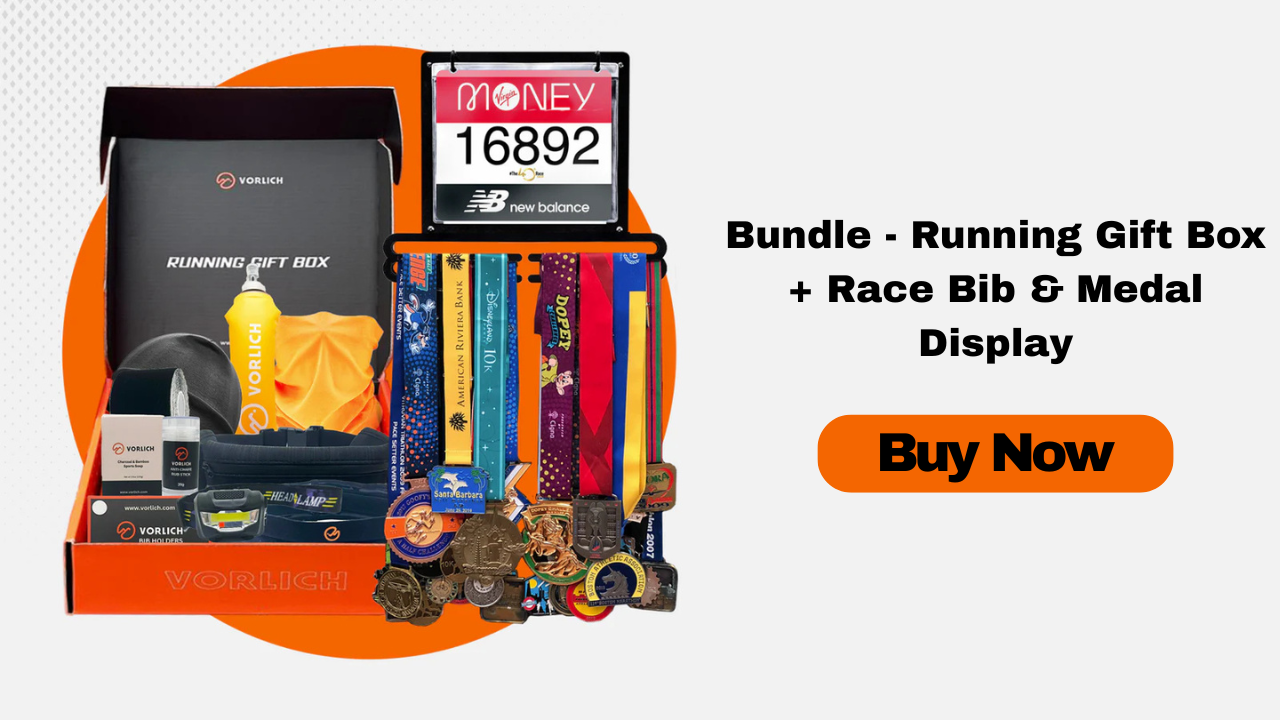
If you’re building up your gear, you can also find folding bottles included in curated running gift sets like the Vorlich Running Gift Box and the Vorlich Gift Box Aqua, which bundle hydration solutions with other essentials for long-distance training.
Ultimately, the best hydration setup is the one you’ll actually use consistently. If you value a low-profile, lightweight system that won’t weigh you down, a high-quality folding water bottle is an excellent choice for running long distances—and a simple way to support your progress toward every new running milestone.