

Running Gear That Adds Value Without Complexity
Running can be wonderfully simple: shoes, a safe route, and a bit of motivation. Yet the world of running gear can feel overwhelming, full of tech-heavy gadgets and expensive accessories that promise instant performance gains. The truth is, you only need a handful of thoughtfully chosen items to make your running more comfortable, enjoyable, and sustainable over the long term. This guide focuses on running gear that adds real value without adding complexity—helping you stay consistent, avoid injuries, and have more fun with every step.
Why Simple Running Gear Matters
Modern runners are surrounded by endless options: smart shoes, advanced wearables, and gear with more buttons than you will ever use. But more complicated gear is not always better. In fact, it can:
- Distract you from enjoying your run
- Increase the time it takes to get out the door
- Make your training feel more stressful than it should
- Encourage you to chase data instead of listening to your body
Simple, well-chosen running gear should:
- Be easy to use with minimal setup
- Require little to no learning curve
- Support your comfort, safety, and consistency
- Work across many types of runs: easy runs, long runs, and races
This article focuses on exactly that: running gear that adds value without complexity, built around comfort, practicality, and consistency rather than marketing hype.
How to Choose Gear That Actually Helps
Before diving into specific items, it helps to have a simple decision-making framework. When you are considering new running gear, ask:
- Does it solve a real problem I have? (chafing, hydration, storage, visibility, etc.)
- Will I use it at least weekly? If not, it may not be worth the cost or mental space.
- Is it simple to use and maintain? Fewer features often mean fewer frustrations.
- Does it fit my current training level? Gear should match your actual needs, not just your future goals.
For example, if you are starting a new routine or following a plan like a beginner running plan without expensive equipment, your gear focus should be on comfort and safety, not advanced tech. As your weekly mileage grows, smart additions like better hydration options or anti-chafe products can make a huge difference without complicating your routine.
Essential Low-Complexity Running Gear
These are the building blocks of a simple, effective running kit. Each item is low-tech but high impact, adding comfort and confidence without unnecessary complexity.
1. Running Shoes That Match Your Needs
Your shoes are the most important piece of running gear you will ever buy. But you do not need the most expensive or the most high-tech pair. You need shoes that fit your feet and your training volume.
- Fit: Aim for a thumb’s width of space in front of your longest toe.
- Comfort: They should feel good immediately—no “break-in” pain.
- Purpose: A versatile daily trainer is usually enough for most runners.
Focus on comfort and feel over marketing claims. If you are increasing your distance following structured guidance such as weekly mileage guidelines for 5K, 10K, and marathon training, supportive shoes become even more important—but they still do not need to be complicated. Good cushioning and a stable, natural ride go a long way.
2. Socks Designed for Running
Cotton socks hold moisture and friction, which leads to blisters. Simple switch: technical running socks with moisture-wicking fabric.
- Look for synthetic blends or merino wool
- Avoid thick seams at the toes
- Choose a snug fit that does not slide inside the shoe
They are easy to use—just swap them for your regular socks—but they dramatically improve comfort, especially on longer runs.
3. Breathable, Lightweight Running Apparel
Forget complex layering systems or overly technical fabrics when starting out. Look for:
- Moisture-wicking shirts to keep sweat off your skin
- Lightweight, flexible shorts or tights with a comfortable waistband
- Minimal seams to reduce chafing risk
Once you know your preferences, you can refine further. Many runners, especially women, appreciate guidance on apparel that balances comfort and function—resources like the best running apparel for women to stay comfortable and stylish can help you choose pieces that work for everyday training without becoming gear-obsessed.
Comfort-Focused Gear That Prevents Chafing and Blisters
One of the quickest ways to lose motivation is dealing with painful chafing or blisters after a run. A few simple tools can solve these problems before they start—no complicated routines required.
1. Anti-Chafe Balm or Stick
Skin irritation underarms, between thighs, around sports bra lines, or on feet is common, especially in heat or during longer runs. A straightforward solution is an anti-chafe stick used like deodorant.
For a no-fuss option, a product like the Vorlich Anti-Chafe Stick is:
- Quick to apply before your run
- Easy to carry for long races or long runs
- Designed to reduce friction without messy application
Apply to common hot spots before you run. This simple step can be the difference between a comfortable run and a painful one—especially as your mileage increases.
2. Blister Prevention Basics
To minimize blisters without overcomplicating things:
- Wear those technical running socks instead of cotton
- Keep your toenails trimmed to prevent toe trauma
- Use anti-chafe balm or tape on known problem spots (heels, toes)
You do not need elaborate taping methods or advanced systems. A small amount of prevention before your run can keep your feet healthy and your training consistent.
Hydration Solutions That Aren’t a Hassle
Staying hydrated is essential, but carrying water should not feel like a chore. You want solutions that are lightweight, easy to use, and simple to clean.
1. Folding or Collapsible Bottles
A smart, low-complexity choice is a collapsible water bottle. The Vorlich Folding Bottle is an example of hydration gear that adds value without bulk:
- Folds down small when empty to save space
- Lightweight and easy to hold on the run
- Simple to clean without complex parts
This kind of bottle is perfect for runners who want hydration on hand but do not want to commit to a full hydration vest or belt for everyday training.
2. Deciding When You Need to Carry Water
You do not always need hydration gear for shorter, cooler runs. Use this simple guide:
- Up to 30–40 minutes in cool weather: Usually okay without water (assuming you start hydrated)
- 40–60 minutes or hot/humid conditions: Consider carrying a light bottle
- Over 60 minutes: Hydration becomes more important, especially in the heat
This approach keeps your routine simple while still respecting your body’s needs as you train longer and more consistently.
Simple Tech That Supports Your Training (Not Distracts You)
Running technology is powerful—but also easy to overdo. To keep things simple, choose tech that:
- Answers basic questions: How far, how fast, how often?
- Is intuitive enough that you will actually use it
- Does not tempt you to obsess over every number on every run
1. A Basic GPS Watch or Running App
A simple GPS watch or a smartphone running app can help you:
- Track basic stats: distance, time, pace
- Monitor improvements over weeks and months
- Stick to training plans for 5K, 10K, or longer events
You do not need multi-sport modes, advanced metrics, or complex dashboards unless you genuinely use them. For many runners, especially those following a 5K training plan or building towards their first 10K, a basic time and distance readout is enough to support progress.

2. Simple Safety and Visibility Gear
Safety gear does not have to be complicated either. A few minimal items make a big difference:
- Reflective bands or vest for early morning or evening runs
- A small, lightweight clip-on light for visibility in low light
- Running on sidewalks or safe routes whenever possible
These items are easy to keep near your shoes so you never forget them. Again, aim for gear that requires almost no thought once you own it.
Minimalist Storage and Organization
Carrying keys, phone, and maybe a snack should not require complicated packs or large vests. Minimalist storage gear keeps your hands free and your mind clear.
1. Simple Running Belt
A low-profile running belt is one of the most useful low-complexity gear items you can buy. It should:
- Sit flat and secure around your hips
- Hold keys, phone, and maybe a gel or small bar
- Have an easy-to-use closure you can manage with tired hands
If you are unsure where to start, guidance like how to choose the right running belt for your training can help you decide on size, material, and features without being overwhelmed by options.
2. Simple Gear Organization at Home
Another overlooked “complexity” is simply remembering where everything is. A basic system for organizing your running gear helps you get out the door faster:
- Keep shoes, socks, belt, and anti-chafe stick in the same visible spot
- Use a small hook or bin for hats, gloves, and reflective gear
- Wash and repack items (like your folding bottle) soon after runs
If you race regularly, dedicated storage—for example, a bib and medal organizer like those discussed in the best running bib and medal holder for organizing race day gear—can help you keep race gear separate from everyday training items, simplifying your pre-race routine.
Seasonal Gear That Keeps Running Simple Year-Round
Running in different weather does not have to mean owning a full closet of specialized apparel. A few smart, simple pieces can adapt your existing wardrobe to most conditions.
1. Cold-Weather Basics
For cooler temperatures, add:
- Lightweight running gloves
- Ear warmer or beanie that fits securely
- A long-sleeve moisture-wicking layer
You rarely need heavy, complex insulation for most runs. You should start your run feeling slightly cool; you will warm up naturally in the first 10–15 minutes.
2. Hot-Weather Basics
For warm or humid conditions, choose:
- A lightweight, breathable hat or visor
- Light-colored, loose-fitting shirts
- Sun protection (sunscreen on exposed skin)
Pair this with hydration options like a folding bottle so you can drink without lugging a heavy bottle around. If you run in hot climates often, resources like guides to the best running accessories for hot weather running can help you add just a few extra pieces without making your kit overly complicated.
Beginner-Friendly Gear Choices
For beginners, it is tempting to delay starting until you “have all the right gear.” But you can begin with far less equipment than you think. A beginner-friendly approach:
- Start with comfortable shoes, socks, and basic apparel
- Add only what you need to solve specific problems (chafing, storage, hydration)
- Avoid expensive or overly specialized gear until you know your habits
If you are just getting into running for health or weight loss, pairing a simple gear setup with a structured, straightforward plan such as a beginner running plan for weight loss and fitness ensures you focus on the essentials: consistency, manageable progression, and enjoyment.
Gear Pitfalls Beginners Should Avoid
- Buying multiple pairs of shoes before you know what you like
- Investing heavily in advanced watches or footpods right away
- Copying the gear of elite runners whose training volume is far higher
- Letting gear shopping replace actual running
Low-Maintenance Recovery Tools
Recovery gear can become very complicated very quickly. You do not need a home therapy studio; you just need a couple of simple tools you are likely to use consistently.
1. Foam Roller or Massage Ball
A basic foam roller or massage ball can help with:
- Tight calves and quads
- Post-run soreness
- General mobility and tissue care
Keep it visible—next to the couch or your running shoes—to encourage short, regular sessions rather than complicated routines that you never follow.
2. Simple Stretching Routine
Recovery does not need high-tech solutions; a 10–15 minute post-run stretching routine can go a long way toward keeping you moving well. Focus on:
- Calves
- Hamstrings
- Hip flexors
- Glutes
This low-effort investment reduces injury risk and keeps you feeling better on your next run—no expensive tools, apps, or appointments required for most people.
How to Build a Simple Running Gear Kit
To keep things practical, here is a minimal yet complete running gear checklist that adds value without complexity:
Core Essentials
- 1–2 pairs of comfortable running shoes
- Several pairs of technical running socks
- 2–4 moisture-wicking shirts (short or long sleeve depending on climate)
- 1–3 pairs of running shorts or tights
Comfort and Protection
- Anti-chafe stick or balm for long or hot runs
- Running hat or visor
- Lightweight gloves and ear warmer for cold weather
Hydration and Storage
- Simple running belt for phone, keys, small items
- Light, collapsible water bottle (such as the Vorlich Folding Bottle)
Basic Tech and Recovery
- Basic GPS watch or reliable running app
- Reflective vest or bands for low-light safety
- Foam roller or massage ball
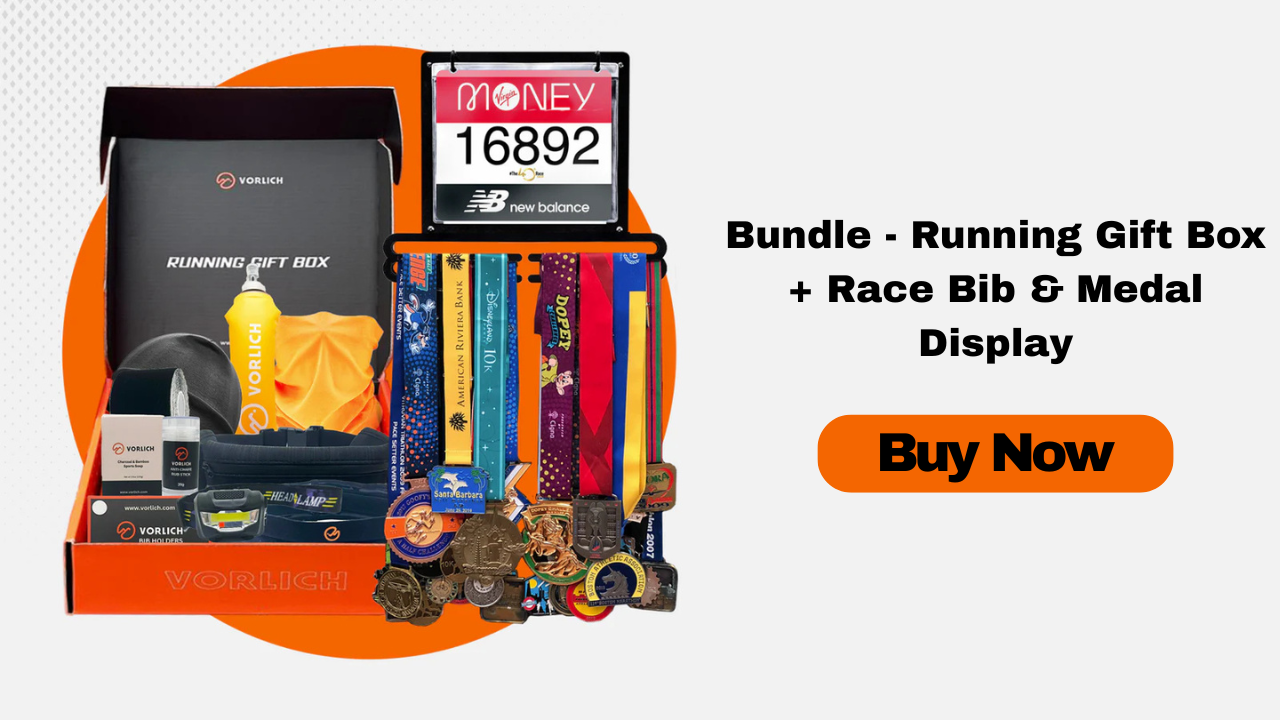
If you prefer an all-in-one, low-decision approach, curated sets like the Vorlich Running Gift Box can be an efficient way to get several simple, high-value items at once without spending hours comparing individual products.
When to Upgrade—and When to Hold Off
As you progress, you might wonder when it is worth upgrading your gear. A useful rule: upgrade when your current gear is clearly limiting your comfort, safety, or consistency.
Signs It Is Time to Upgrade
- Your shoes have noticeable wear or you feel new aches and pains
- You are consistently running longer distances and need better hydration options
- Your clothes never quite keep you comfortable in your typical weather
- Your storage setup is annoying enough that it distracts you during runs
When to Hold Off
- When you are tempted by a gadget mostly for its novelty
- When marketing promises “instant speed” or “effortless performance”
- If you are not yet running regularly—focus first on building a routine
As you log more miles and maybe follow structured guidance like how often beginners should run each week, your needs will naturally become clearer. Upgrade in response to real experiences, not hypothetical scenarios.
Keeping Running Enjoyable and Sustainable
The best running gear is not the most advanced; it is the gear you actually use that helps you run more often, more comfortably, and with less friction in your daily life. To keep running simple and sustainable:
- Prioritize comfort over complexity
- Add new gear only when it solves a specific problem
- Keep your pre-run routine short and easy
- Celebrate your progress, not your equipment
As your running journey continues—whether you are chasing your first 5K, building mileage, or celebrating new personal distances—simplifying your gear helps you focus on what matters most: showing up consistently and enjoying the process. Over time, you will find that your favorite gear is not the fanciest; it is the simple, reliable items that quietly support every step.