

Essential Running Accessories for Beginner Runners
Starting to run is one of the simplest ways to improve your fitness, boost your mood, and build healthier habits. Yet for many beginner runners, the world of running gear feels overwhelming. Do you really need all those gadgets, accessories, and “must-have” products? The truth is, you only need a few essential running accessories to run comfortably, safely, and consistently. This guide breaks down the most important beginner running gear, explains why each item matters, and shows you how to choose accessories that support your training instead of distracting you from it.
Why Essential Running Accessories Matter for Beginners
When you first start running, your main goals are usually simple: stay injury-free, stay motivated, and enjoy the process. The right running accessories help you do exactly that by:
- Reducing discomfort (no blisters, chafing, or painful rubbing)
- Improving safety (you can see, be seen, and stay hydrated)
- Making running more convenient (easy way to carry keys, phone, and water)
- Supporting consistency (you’re more likely to run if it feels good)
As a beginner, it’s easy to believe you need a closet full of gear. In reality, a small set of well-chosen accessories helps you build a strong foundation without overspending. If you want more guidance on limiting gear to what truly matters, this article on running gear that adds value without complexity is a great read alongside this guide.
Start with the True Essentials (Not the Hype)
Before we dive into each category, it helps to define what “essential” really means for a beginner runner.
Think of essential running accessories as items that:
- Directly impact your comfort (e.g., socks, anti-chafe)
- Directly improve your safety (e.g., visibility gear, hydration options)
- Help you run more consistently (e.g., simple watch or app, storage belt)
Accessories that are nice-to-have but not required at the start might include advanced GPS watches, premium compression gear, or multiple pairs of specialized shoes. Those can come later once you understand your preferences and running style.
For a broader overview from another angle, you can also check out this focused article on essential running accessories for beginner runners to compare lists and see what overlaps most with your needs.
Running Shoes and Socks: Your Foundation
Your shoes and socks are technically not “accessories,” but they’re so crucial that no beginner gear guide is complete without them. Good footwear prevents injuries and makes every other accessory more effective.
How to Choose Beginner-Friendly Running Shoes
For a first pair of running shoes, look for:
- Comfort from the first step – no pinching, numbness, or rubbing
- A thumb’s width of space between your longest toe and the front of the shoe
- Cushioning suited to your body (more cushioning if you’re heavier or running mostly on pavement)
- Neutral support to start, unless a professional recommends otherwise
A few extra tips:
- Try shoes later in the day when your feet are slightly swollen, similar to how they’ll feel during a run.
- Wear the socks you plan to run in when trying on shoes.
- Walk and jog around the store: your foot should feel stable, not sliding or banging into the front.
Don’t Ignore Running Socks
Regular cotton socks absorb sweat and stay damp, which can cause blisters and friction. Running-specific socks are one of the most underrated accessories for new runners.
Look for socks that are:
- Moisture-wicking (synthetic or merino wool blends)
- Seamless or low-seam in the toe area
- Snug but not tight around the arch and heel
- Appropriate thickness for your climate (thinner for hot weather, slightly thicker for cooler runs)
Small upgrades like good socks can dramatically improve comfort, blister prevention, and overall running enjoyment, especially as your weekly mileage grows.
Running Clothing and Layers for All Weather
The right running clothes keep you comfortable across different temperatures and conditions. You don’t need a huge wardrobe; a few versatile, breathable pieces are enough to start.
Core Clothing Pieces for Beginner Runners
Consider these as your basic running wardrobe:
- Moisture-wicking tops (short-sleeve or long-sleeve tech shirts)
- Running shorts or tights with a comfortable, secure waistband
- Sports bra (for women) that fits snugly, supports without digging, and wicks moisture
- Lightweight running jacket or windbreaker for windy or drizzly days
Layering for Comfort
As your runs get longer or seasons change, layering becomes more important. A simple layering strategy:
- Base layer: Moisture-wicking top to pull sweat away from your skin.
- Mid layer (optional): Light fleece or long-sleeve for cooler temperatures.
- Outer layer: Waterproof or windproof jacket if it’s windy, rainy, or very cold.
Avoid heavy cotton layers, which trap moisture and can make you feel chilled once you start sweating.
Hydration Accessories: How to Carry Water Smartly
Staying hydrated is a critical safety factor for beginner runners, especially in warm weather. For short runs (20–30 minutes) in mild temperatures, you may not need to carry water. But as soon as your runs get longer or the weather gets hotter, smart hydration accessories become essential.
Popular Hydration Options
- Handheld water bottles – Easy to access, ideal for shorter to medium runs.
- Running belts with small bottles – Keep your hands free; good for runners who dislike carrying things.
- Hydration vests – Best for longer runs, trail running, or hot climates where you need more fluid.
Compact and Beginner-Friendly Water Solution
If you’re looking for a space-saving hydration accessory, a collapsible bottle is a smart choice. The Vorlich Folding Bottle folds down when empty, which means you can carry water early in your run and store the bottle easily once you no longer need it. This type of bottle is especially useful for:
- Beginner runners who want to stay hydrated but hate carrying bulky bottles
- Runners training for 5K–10K distances in warm weather
- People who value light, minimal gear that doesn’t bounce or get in the way
Whatever solution you choose, remember:
- Drink according to your thirst, especially in hot and humid conditions.
- Practice using your hydration accessory during training, not just on race day.
Anti-Chafe Protection and Skin Care
Chafing happens when skin continuously rubs against skin, clothing, or gear. It can turn an enjoyable run into a painful experience, especially for beginners who are still experimenting with clothing and distances.
Common Chafing Hotspots
- Inner thighs
- Underarms
- Sports bra line or chest area
- Waistband and under the running belt
- Feet and toes (along with blisters)
Using Anti-Chafe Products
One of the simplest and most effective accessories you can add to your gear list is a high-quality anti-chafe stick. Products like the Vorlich Anti-Chafe Stick are designed to:
- Create a protective, non-greasy layer on the skin
- Reduce friction and rubbing for longer runs
- Work on both skin-to-skin and fabric-to-skin contact points
For best results:
- Apply to dry skin before your run.
- Focus on areas where you’ve chafed before or where clothing seams sit.
- Reapply for longer distances if you know you’re sweat-prone.
Preventing chafing early helps you stay consistent, because one painful experience can discourage beginners from running again for days.

Safety and Visibility Accessories
Many beginner runners train before or after work, which often means running in low-light conditions. Safety-focused accessories help drivers, cyclists, and other runners see you clearly.
Must-Have Visibility Accessories
- High-visibility or reflective vest – Lightweight and easy to wear over any outfit.
- Clip-on lights or LED bands – Attach to your clothing, shoes, or running belt.
- Headlamp – Essential if you run on poorly lit roads, paths, or trails.
In addition to visibility, consider basic safety habits:
- Run against traffic so you can see oncoming cars.
- Keep music volume low enough to hear your surroundings.
- Share your route with a friend or family member if running alone.
As your routine develops, you may find it helpful to explore tips like those in the article on how to stay motivated to run during dark winter mornings, which blends safety, mindset, and practical gear advice for low-light training.
Running Belts and Storage Solutions
Once your runs go beyond a quick loop around the block, you’ll probably want to carry a few essentials: keys, ID, phone, maybe a gel or some cash. Stuffing these into pockets can cause bouncing, chafing, or loss.
Why a Running Belt Is So Useful for Beginners
A running belt is one of the simplest accessories that makes everyday runs more convenient. A good belt will:
- Hold your phone securely without bouncing
- Provide small pockets for keys, cards, or energy gels
- Sit comfortably against your body under or over clothing
- Sometimes integrate water bottle holders or reflective details
Choosing the right belt depends on what you carry and how you run. If you’re unsure what to look for, this guide on how to choose the right running belt for your training explains fit, storage capacity, and how to avoid common issues like bouncing or chafing.
Tech Accessories: Watches, Apps, and Headphones
Technology is optional but can be very motivating for beginner runners. Used wisely, it helps you track progress and build confidence without turning every run into a complicated data experiment.
Basic Tech for Beginners
- Smartphone running apps – Track distance, pace, and route using GPS.
- Simple sports watch – Time your runs and intervals, even if you skip GPS at first.
- Wireless or wired headphones – Enjoy music, guided runs, or podcasts at a safe volume.
Staying Focused on Progress, Not Just Numbers
While it’s fun to watch your pace improve, focusing only on speed can lead to frustration or burnout, especially at the beginner stage. Many new runners benefit more from tracking consistency, total time on feet, and how they feel, instead of obsessing over pace every run.
For a mindset that supports sustainable improvement, the article on why seeing progress matters more than speed is a helpful companion to your technical gear choices. It can also guide how you use your running apps and watches in a healthy way.
Hot-Weather and Cold-Weather Running Accessories
As your running habit continues throughout the year, you’ll inevitably face heat, humidity, wind, and cold. You don’t need specialized gear for every single temperature range, but a few well-chosen accessories make a big difference in comfort and safety.
Hot-Weather Running Accessories
When running in the heat, focus on staying cool, hydrated, and protected from the sun. Helpful accessories include:
- Lightweight running cap or visor to shield your face and eyes
- Moisture-wicking, breathable tops in light colors
- UV-protective sunglasses for bright conditions
- Compact hydration options like handheld bottles or a folding bottle
For more hot-weather-specific gear ideas and strategies, you might like this dedicated guide on the best running accessories for hot weather running, which goes deeper into staying cool, preventing overheating, and choosing the right materials for summer runs.
Cold-Weather Running Accessories
Running in colder temperatures is more enjoyable when you keep your extremities and core warm:
- Thermal or merino socks to keep feet warm without overheating
- Lightweight running gloves (even thin ones make a big difference)
- Beanie or headband that covers your ears
- Neck gaiter or buff to protect your neck and face from wind
- Wind-resistant outer layer that still allows heat to escape
Start your run slightly cool; you’ll warm up within the first 10–15 minutes. Overdressing is a common beginner mistake that leads to overheating and discomfort.
Recovery Accessories to Keep You Running
Recovery tools help you feel better between runs and reduce the risk of overuse injuries. You don’t need a full recovery toolkit to start, but a few simple accessories are worth considering.
Basic Recovery Accessories
- Foam roller – Helps release tight muscles (calves, quads, IT band, glutes).
- Massage ball or lacrosse ball – Targets smaller, specific sore spots.
- Cold pack – Useful if you feel joint or tendon irritation after a run.
- Comfortable sandals or recovery footwear – Gives your feet a break after training.
Recovery isn’t only about tools; it’s also about routine. Gentle stretching after your run, easy walks on rest days, and enough sleep all support your progress more than any gadget alone.
How to Choose the Right Gear Without Wasting Money
The running industry constantly releases new products, and it’s tempting to buy gear based on marketing promises. As a beginner, your best strategy is to choose gear that fits your actual running needs, not trends.
Principles for Choosing Running Accessories
- Start simple. Begin with the basics: shoes, socks, comfortable clothing, visibility, storage, hydration, and anti-chafe.
- Upgrade only when necessary. Add new accessories when you have a clear problem to solve (e.g., chafing, bouncing phone, nighttime visibility).
- Prioritize comfort over style. Look for a secure, irritation-free fit, even if the design is simple.
- Read reviews from real runners at your level, not only from elite athletes or ads.
If you want step-by-step help applying this mindset, the article on how to choose gear based on running needs not marketing offers a practical framework to avoid unnecessary purchases and focus on truly essential running accessories.
Try Before You Fully Commit When Possible
- Borrow accessories from running friends to see what works for you.
- Test new gear on shorter runs before using it for long distances or races.
- Keep notes (even mental ones) about what bothers you: bouncing, chafing spots, too warm, too tight, etc.
Simple Starter Checklist: What You Actually Need
To make this guide practical, here’s a condensed checklist of essential running accessories for beginner runners. You don’t need to buy everything at once, but this list helps you prioritize over your first few months.
Absolute Essentials (Start Here)
- Comfortable running shoes suited to your feet and running surface
- Moisture-wicking running socks
- Breathable running clothes (top, shorts or tights, sports bra if needed)
- Basic safety gear (reflective vest or lights if running in low light)
- Running belt or secure storage solution for phone and keys
Strongly Recommended as You Progress
- Hydration accessory (such as a handheld or folding bottle)
- Anti-chafe stick for any areas prone to rubbing
- Lightweight running hat for sun or rain
- Simple watch or app to track distance and time
Nice-to-Have (Add Gradually)
- Headlamp and additional LED lights for dark routes
- Foam roller or recovery tools for tight muscles
- Gloves, buffs, and thermal accessories for winter running
- Hydration vest or more advanced gear as you train for longer races
A Simple Gift Option for Beginners
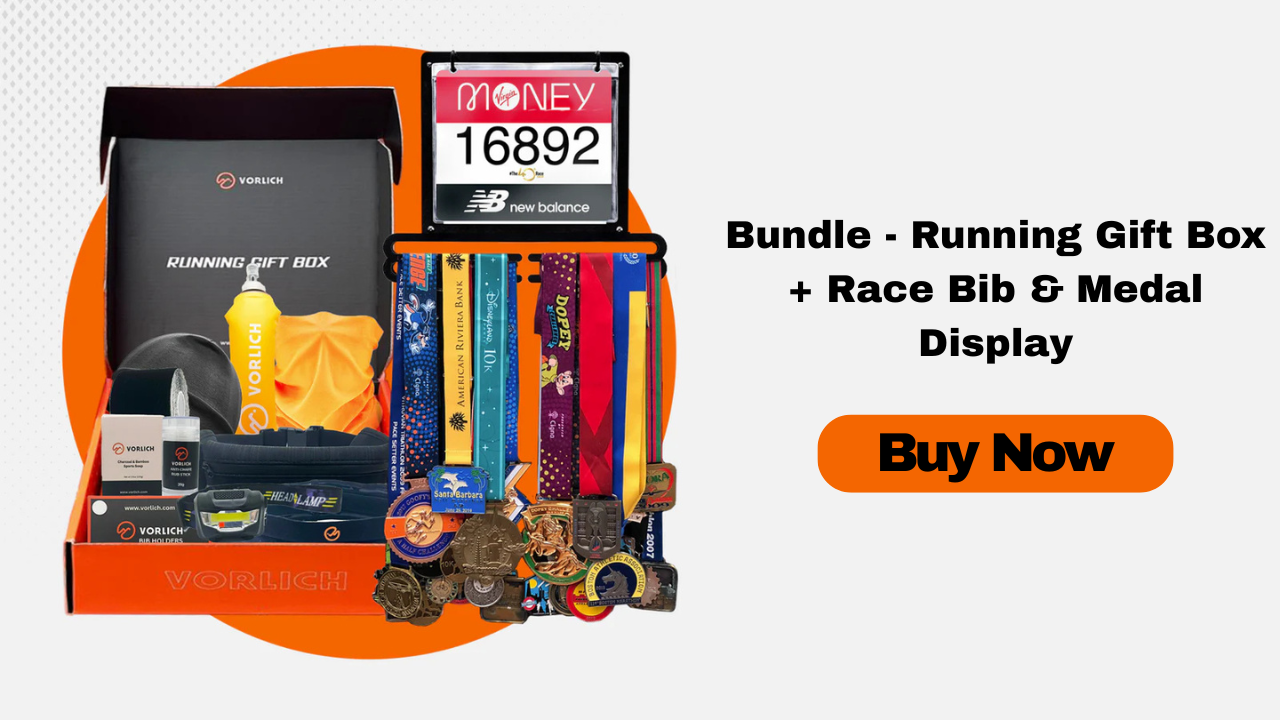
If you or someone you know is just starting out, a curated set of basic gear can be the perfect way to remove friction and make the first runs easier. A bundle like the Vorlich Running Gift Box is designed with beginners in mind, combining practical, beginner-friendly accessories focused on comfort and convenience rather than unnecessary complexity.
Final Tips for Beginner Runners
Essential running accessories are there to support your habit, not replace discipline or effort. When you focus on building a comfortable, simple setup, running becomes easier to maintain long term.
To wrap up, remember these guiding principles:
- Invest in comfort and safety first (shoes, socks, visibility, hydration, anti-chafe).
- Choose gear based on real problems you encounter, not marketing claims.
- Keep your setup light and simple so it never feels like a barrier to getting out the door.
- Use tech and accessories to support consistency and confidence, not as a source of pressure.
With a few well-chosen essential running accessories, you’ll feel more comfortable, safer, and more motivated to lace up regularly. Over time, these small decisions compound into better fitness, stronger runs, and a running routine that fits smoothly into your everyday life.