

How to Build a Minimal Running Kit Without Overspending
Building a reliable, minimal running kit doesn’t have to drain your bank account. With so many shoes, gadgets, and accessories on the market, it’s easy to feel like you “need” everything before you can start running. The truth is, you can create a simple, budget-friendly running setup that covers comfort, safety, and performance—without overspending or filling your closet. This guide will walk you through exactly what you need (and what you can skip), so you can start running with confidence, even if you’re on a tight budget or just prefer a minimalist approach.
Why a Minimal Running Kit Saves Money and Stress
A minimal running kit focuses on a small number of highly useful, multi-purpose items instead of a big pile of rarely used gear. This approach is perfect if you:
- Have a limited budget
- Are new to running and don’t want to overcommit
- Live in a small space and don’t want gear clutter
- Prefer a simple, stress-free routine
Minimal gear can actually help you run more consistently. When your kit is small, it’s easier to grab what you need and head out the door. There’s less decision-making and less pressure to “use everything you bought.” Pair that with a few smart running lifestyle changes that improve well-being, and you’ll be surprised how much your training and enjoyment improve—without a huge financial investment.
Step 1: Assess Your Real Running Needs
Before buying anything, clarify how you’ll be using your gear. This avoids impulse purchases and helps you build a kit that actually matches your habits.
Key Questions to Ask Yourself
-
How often will you run?
- 1–2 times a week: basic essentials are enough.
- 3+ times a week: consider durability and comfort upgrades.
-
Where will you run?
- Roads/parks: standard road shoes are fine.
- Trails: you may eventually want trail shoes, but start with road shoes unless terrain is rough.
-
What distances are you targeting?
- 5K or less: truly minimal gear is enough.
- 10K–half marathon and beyond: hydration and chafe prevention matter more.
-
What climate do you live in?
- Warm climate: prioritize breathable tops, sun protection, and hydration.
- Colder climate: plan for layers, gloves, and head coverage.
Once you’ve answered these questions, you can focus your budget where you’ll get the biggest comfort and performance payoff instead of buying everything at once.
Step 2: Essential Running Gear You Actually Need
A minimal running kit can be built around a small set of essentials. These are the items that almost every runner benefits from, regardless of experience level.
1. Running Shoes (Your Only True Non-Negotiable)
Running shoes are where you should spend the largest portion of your budget, even when you’re keeping things minimal. Poor shoes can lead to discomfort or injury, which is far more expensive (and frustrating) than the shoes themselves.
-
What to look for:
- Comfort right away (no “breaking in” pain)
- Enough cushioning for your mileage and body weight
- A fit that allows your toes to spread slightly
-
How to save money:
- Buy last season’s model from reputable retailers.
- Look for discounts on neutral daily trainers instead of trendy “super shoes.”
- Avoid buying multiple pairs until you’re certain you’ll run regularly.
2. Moisture-Wicking Socks
Many runners underestimate socks, but they can make a big difference in comfort and blister prevention.
-
Essential features:
- Moisture-wicking synthetic or wool blend
- Light padding in heel and toe
- Snug fit so they don’t bunch up
-
Budget tips:
- Start with 2–3 pairs and rotate.
- Skip “specialty” designs and focus on basic, technical running or hiking socks.
3. A Comfortable, Breathable Top
You don’t need a drawer full of tops for a minimal kit—1–3 shirts can be enough if you wash regularly.
-
Look for:
- Technical fabric (polyester or blend) instead of cotton
- Flat seams or minimal seams to reduce chafing
- Lightweight and quick-drying
-
Types of tops:
- Short-sleeve or sleeveless for warm weather
- Long-sleeve for cooler conditions
4. Reliable Bottoms: Shorts or Tights
Pick bottoms that let you move freely and don’t ride up or cause friction.
-
Shorts:
- Look for an inner liner or pair them with compression shorts to prevent chafing.
- Choose 1–2 pairs that fit well rather than many cheap, uncomfortable ones.
-
Tights/leggings:
- Useful for cooler climates or if you prefer more coverage.
- Simple, mid-range tights are enough; you don’t need multiple thicknesses starting out.
5. Sports Bra (For Women)
A supportive sports bra is essential for comfort, especially on longer runs.
-
Key points:
- Choose good support over brand name.
- Test the fit by jogging in place—there should be minimal bounce.
- Start with 1–2 bras you can rotate.
6. Basic Safety Items
Safety doesn’t require lots of expensive gear, but don’t skip the basics.
-
At minimum, consider:
- A small reflective element (on clothing or a simple band)
- Carrying ID or an ID tag on your shoe
- A phone for emergencies
As you build experience, you can look into the best running accessories every runner needs for comfort and safety, but keep it minimal at first so you learn what you genuinely use.
Step 3: “Nice-to-Have” Items (and When They’re Worth It)
Some items are not strictly essential, but they can dramatically improve comfort and consistency when used wisely. To keep your kit minimal, add these only when they solve a specific problem you’ve actually experienced.
1. Anti-Chafe Product
Chafing can turn a good run into a painful experience, especially in humid or hot weather or as your distance increases.
-
When it’s worth it:
- You notice skin irritation under arms, between thighs, around sports bra straps, or under your waistband.
- You’re training for 10K, half marathon, or longer distances.
-
How to use:
- Apply to common friction points before your run.
- Reapply on very long runs if needed.
A simple, targeted product like the Vorlich Anti-Chafe Stick can be more effective and longer-lasting than homemade solutions, and one stick goes a long way—ideal for a minimal kit focused on high-value essentials.
2. Simple Hydration Solution
For short runs (up to about 30–45 minutes in mild weather), you can often hydrate before and after. For longer or hotter runs, carrying some water is smart.
-
Low-bulk options:
- Handheld soft flask or folding bottle
- Waist belt with one small bottle
-
Why folding bottles work well in a minimal kit:
- They take up almost no space when empty.
- They’re lightweight and easy to store in small apartments or bags.
The Vorlich Folding Bottle is a good example: compact when not in use, but reliable for longer runs, hikes, or race day. Flexible options like this mean you don’t need multiple bulky hydration systems.
3. Running Belt or Minimal Waist Pack
If you dislike carrying your phone or keys in your hand, a lightweight belt can be a small, high-impact upgrade.
-
Use it to carry:
- Phone
- Keys
- ID and a small amount of cash or card
- Gels for longer runs
-
Keep it minimal by:
- Choosing a slim, bounce-free model.
- Avoiding large, heavy “utility belts” unless you really need them.
4. Simple Light or Reflective Gear
If you run early in the morning or after dark, a compact light or reflective band dramatically increases your safety.

-
Minimal options:
- Clip-on LED light
- Reflective ankle or wrist bands
- Reflective details built into tops or jackets
5. Basic GPS Tracking (Optional)
You don’t need a fancy GPS watch to start running. A free app on your phone can track pace, distance, and time just fine.
-
When to consider a watch:
- You’ve been running regularly for a while.
- You’re following a structured plan like a 5K training plan for improving endurance and want accurate splits and heart rate data.
-
Minimal strategy:
- Buy a simple, entry-level GPS watch when you truly need it.
- Avoid multiple wearables; one reliable device is enough.
Step 4: Smart Ways to Save Money on Running Gear
Building a strong, minimal running kit is as much about what you don’t buy as what you do. Use these strategies to keep costs low while still getting quality.
Prioritize High-Impact Items
Most of your budget should go into gear that directly affects comfort and injury risk.
- Shoes
- Socks
- Sports bra (if needed)
Tops, shorts, and accessories can be more budget-friendly as long as they are comfortable and moisture-wicking.
Buy Last Season’s Models
- Choose last year’s shoe or apparel models, which are often discounted.
- Avoid buying solely based on marketing trends like “carbon plates” unless you’re racing competitively.
Start Small and Test
- Buy one of each essential item first.
- Run with them for a few weeks before deciding what else you truly need.
- Avoid multi-pack purchases until you know the brand and fit work for you.
Avoid Gear That Solves Problems You Don’t Have
Minimal running is about solving your specific challenges, not imaginary ones.
- Skip knee braces, compression sleeves, or advanced gadgets unless recommended by a professional.
- Only buy race-specific items once you’ve signed up for a race and find a real need.
Minimal Running Kit for Different Seasons
Even with changing weather, you can keep your running kit compact and affordable by choosing versatile layers.
Warm Weather Minimal Kit
- 1–2 lightweight tops (short-sleeve or sleeveless)
- 1–2 pairs of shorts
- Moisture-wicking socks
- Running shoes
- Cap or visor (optional but helpful for sun)
- Basic sunglasses if you’re sensitive to glare
Cool or Mild Weather Minimal Kit
- 1 long-sleeve technical top
- 1 short-sleeve top (for layering)
- Shorts or light tights depending on temperature
- Thin gloves (can be inexpensive)
- Lightweight headband or beanie
Cold Weather Minimal Kit
You don’t need a closet full of winter gear—just a few key pieces.
- Base layer (technical long-sleeve)
- Mid-layer (light fleece or thicker top)
- Wind-resistant or water-resistant shell (only if your climate demands it)
- Thermal tights or layered shorts over tights
- Hat or beanie and gloves
Minimalist Storage and Care Tips
Minimal gear works best when you take care of it and store it properly, especially if you have limited space.
Simple Storage Strategies
- Assign one small drawer or basket for all running clothes.
- Use a single hook for your running belt, cap, and lightweight jacket.
- Keep your shoes in a ventilated spot so they dry quickly and last longer.
Caring for Your Essentials
- Air-dry shoes and avoid putting them in the dryer.
- Wash technical fabric in cold water and avoid heavy fabric softeners, which can damage moisture-wicking properties.
- Rotate between 1–2 pairs of shoes once you start higher mileage, to extend their life.
If you live in a very small space or simply want to avoid clutter, you may find additional ideas in this guide on minimal running gear for runners with limited storage, which pairs well with the budget-minded approach in this article.
Example Minimal Running Kits (by Budget & Experience)
Here are sample setups that show how you can build a complete yet minimal running kit at different stages and price points.
Beginner, Very Tight Budget
- 1 pair of reasonably priced, comfortable running shoes
- 2 pairs of moisture-wicking socks
- 1–2 technical shirts (short-sleeve)
- 1 pair of shorts (with liner) or leggings you already own, if comfortable
- Simple reflective band or item if you run at low light
- Phone with free running app in a pocket or hand
This setup is enough to start a consistent routine and adopt running habits that support mental health and long-term well-being, before you spend money on extras.
Intermediate Runner, Small but Flexible Budget
- 1 good pair of running shoes (consider adding a second pair later)
- 3–4 pairs of moisture-wicking socks
- 2–3 shirts (mix of short- and long-sleeve)
- 2 pairs of shorts or 1 shorts + 1 tights
- Sports bra rotation (2–3) if needed
- Anti-chafe stick for longer runs
- Simple folding water bottle or handheld flask
- Lightweight running belt for phone, keys, and ID
Racer or Distance Runner, Still Minimalist
- 2 pairs of running shoes (one daily trainer, one for faster workouts/races)
- 5–6 pairs of technical socks (for higher mileage)
- 3–4 technical tops (mix of warm and cool weather)
- 2–3 bottoms (shorts and/or tights)
- 2–3 sports bras if needed
- Anti-chafe product, always in your bag
- Compact hydration option (folding bottle or belt)
- Lightweight GPS watch (optional but useful)
- Simple race outfit used only for events
Even at this level, your kit can stay small if you resist buying duplicates or niche items that you rarely use.
Common Money-Wasting Mistakes to Avoid
Staying minimal isn’t just about buying less—it’s about avoiding the wrong purchases.
1. Buying Gear Before You Build a Habit
- Don’t invest in a full closet of technical gear if you’re not yet sure you enjoy running.
- Start with basics, follow a simple plan, and upgrade only after a few consistent weeks or months.
2. Falling for Every “Beginner Myth”
There are many myths that say you need advanced gadgets, special diets, or expensive gear to make progress. Learning to separate fact from fiction saves money and stress. If you’re curious about the beliefs that hold people back, you may want to read about common beginner running myths that slow progress—a helpful companion to any minimal gear strategy.
3. Owning Multiple Versions of the Same Thing
- Four nearly identical pairs of shorts don’t help you run better.
- Limit duplicates: 1–3 of each core item is usually enough for most people.
4. Ignoring Fit and Comfort
- Cheap gear that chafes or rubs will end up unused, so it’s wasted money.
- Sometimes it’s cheaper long-term to buy one comfortable mid-range item than several low-cost, uncomfortable ones.
Build Your Kit Slowly as Your Running Progresses
Your running kit should evolve with your goals, not the other way around. Let your training plan and actual experience guide your next purchase.
Link Your Gear to Your Running Goals
- If you’re moving from casual jogging to a structured 5K or 10K, you might:
- Upgrade shoes for more mileage.
- Add one or two more moisture-wicking tops.
- Introduce a hydration solution for longer runs.
- If you’re starting interval workouts, a GPS watch can become more valuable.
- If you’re signing up for your first race, focus on a reliable race-day outfit that you’ve already tested in training.
Consider One Thoughtful Upgrade at a Time
Instead of buying multiple accessories at once, add just one new item, test it in your routine, and then decide if it genuinely helps. This keeps your kit lean, functional, and affordable.
Final Tips for a Minimal, Budget-Friendly Running Kit
To recap, here’s how to build a minimal running kit without overspending, while still staying comfortable, safe, and motivated:
- Start with essentials: shoes, socks, top, bottoms, and basic safety items.
- Add “nice-to-have” gear only when you encounter a real need: chafing, longer runs, low-light running, or structured training.
- Spend where it matters most: prioritize footwear, basic comfort, and items that directly impact your running experience.
- Stay focused on your goals: let your training plan and personal comfort—not marketing—decide what you buy.
- Keep gear multi-purpose and compact: folding bottles, versatile layers, and simple accessories help maintain a small, effective kit.
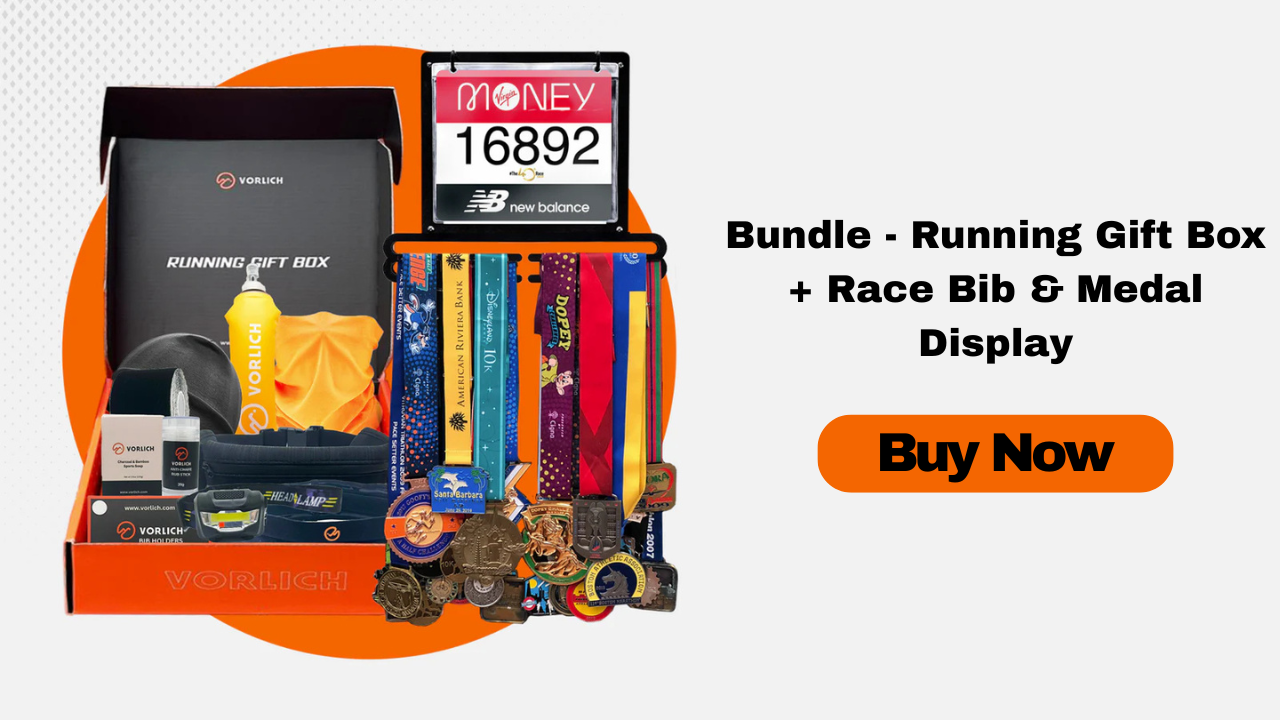
If you eventually want to treat yourself or a runner in your life while still keeping gear practical, curated bundles like the Vorlich Running Gift Box can offer useful essentials without unnecessary extras—an easy way to upgrade a minimal kit with items that actually see regular use.
With a thoughtful, minimalist approach, you can enjoy all the mental and physical benefits of running—better fitness, reduced stress, and a stronger sense of well-being—without overspending or drowning in unused gear. Focus on quality over quantity, listen to your body, and let your running kit grow only as your running journey truly demands it.