Living in a small apartment, shared house, or dorm doesn’t mean you have to give up on running or be buried in clutter. With the right minimal running gear, you can build a compact, efficient kit that supports your training without overflowing your closet. This guide walks you through the essential running gear for runners with limited storage, how to choose multi-purpose items, and smart ways to store everything so your running habit fits neatly into your life.
- Why Minimal Running Gear Matters for Small Spaces
- Core Principles of a Minimalist Running Kit
- The Absolute Essentials: Gear You Really Need
- Nice-to-Have Items (Only If They Earn Their Space)
- Space-Saving Strategies for Tiny Homes and Shared Spaces
- Seasonal Running Gear With Minimal Storage
- Choosing Multi-Use Gear That Does More With Less
- Minimal Running Kit for Beginners
- Maintaining & Organizing a Minimal Running Kit
- Long-Term Mindset: Buying Less, Running More
- Summary: A Small Footprint, A Big Running Life

Why Minimal Running Gear Matters for Small Spaces
When space is tight, every item you own has to justify its presence. Running can quickly lead to piles of shoes, clothes, and gadgets if you’re not deliberate. A minimalist running setup helps you:
- Save space in closets, under beds, and in shared areas.
- Spend less money by focusing on gear that truly matters.
- Reduce decision fatigue—less “What should I wear?” and more “Let’s go.”
- Stay consistent because it’s easy to find, grab, and go with your gear.
Minimal does not mean low quality or uncomfortable. It means owning a small number of high‑value, multi-purpose items that support your training. If you’re building habits, pairing minimal gear with sustainable routines—like those described in Running Lifestyle Changes That Improve Well Being—is often more powerful than buying more equipment.
Core Principles of a Minimalist Running Kit
Before looking at specific products, it helps to define what “minimal” really means for runners with limited storage.
- Function over fashion: Gear must earn its place by solving a real problem—comfort, safety, or performance.
- Multi-use whenever possible: Choose items you can use for running, cross‑training, and daily wear.
- Compact and packable: Prioritize gear that folds small or packs into its own pocket.
- Easy to wash and dry: Fast‑drying fabrics let you rotate fewer items without odor issues.
- Durability over quantity: One reliable item beats three flimsy versions that wear out fast.
Always ask: “If I lost space for this item, would my running actually suffer?” If the honest answer is no, it probably shouldn’t be in your minimal kit.
The Absolute Essentials: Gear You Really Need
With limited storage, focus first on the bare minimum running gear you truly need to run safely and comfortably. For most runners, that core list looks like this:
1. Running Shoes (1–2 Pairs Max)
Your shoes are the centerpiece of your kit. To stay minimal:
- Start with one versatile pair suitable for the majority of your runs—easy, tempo, and light intervals.
- Choose neutral, everyday trainers that balance cushioning and durability.
- Limit yourself to two pairs at most:
- 1 daily trainer
- 1 secondary pair (for rotation, trail, or race days if truly needed)
If you’re training for a structured distance like a 10K, you may be tempted by multiple specialty shoes. Instead, focus on smart training—resources such as the 10K Training Guide for Runners Who Want Structure can help you progress without overflowing your shoe rack.
2. Minimal Running Apparel (Capsule Wardrobe)
A running capsule wardrobe keeps you prepared across seasons while fitting in a single drawer or small box. Aim for:
Base Items
- 3–5 moisture‑wicking tops (mix of short‑sleeve and long‑sleeve)
- 2–3 pairs of running shorts or tights (depending on climate)
- 3–5 pairs of technical running socks (fast drying, blister‑resistant)
- For women: 2–3 high‑support sports bras with quick‑dry fabric
What Makes Apparel “Minimalist-Friendly”
- Solid, neutral colors that match everything
- High‑quality fabric that resists odor and dries quickly
- No bulky logos or thick seams that add weight and bulk
Choose items you feel comfortable wearing for runs, gym sessions, and casual walks. This way, your running clothes don’t take up room for single‑purpose outfits.
3. Anti-Chafe Solution (Small but Essential)
Chafing can ruin even short runs, especially in heat or humidity. Instead of bulky creams in large tubs, look for compact, stick‑based solutions that fit in a tiny drawer or bag. For example, a product like the Vorlich Anti-Chafe Stick offers targeted protection in a small, travel‑friendly format. It prevents irritation on thighs, underarms, sports bra lines, and around socks without taking up much space.
4. Hydration Solution (Compact and Portable)
Hydration is non‑negotiable, but you don’t need a shelf full of bottles and vests. With limited storage, focus on:
- A single, versatile bottle that works for short and mid‑length runs.
- Preferably something foldable or collapsible for easy storage.
A packable option such as the Vorlich Folding Bottle helps you stay hydrated on the go, then folds down to almost nothing when not in use—perfect for tiny apartments or for tucking into a small running belt.
5. Simple Carry System (Pockets or a Small Belt)
You need a way to carry keys, ID, and maybe a phone. To stay minimal:
- Prioritize shorts or tights with secure pockets that fit at least a key and card.
- If needed, add one compact running belt—no big backpacks unless your runs truly require it.
When choosing a belt, look for slim designs that can hold essentials without bouncing. If you want help narrowing choices, consider guides like How to Choose the Right Running Belt for Your Training so you buy one belt that truly covers your needs.
Nice-to-Have Items (Only If They Earn Their Space)
Once you have the basics, add only what delivers clear value for comfort, safety, or consistency.
Safety & Visibility Items
- Lightweight reflective vest or sash: Folds flat and keeps you visible at night.
- Clip‑on LED light: Tiny, but can greatly improve safety in dark conditions.
- Cap or visor: Protects from sun and rain; choose crushable designs that pack flat.
Weather Protection
- Packable windbreaker / rain jacket: Ideally one that stuffs into its own pocket.
- Lightweight gloves and headband/ear warmer: Tiny items that dramatically improve comfort in cold weather.
Care & Comfort Add‑Ons
- Compact foam ball or mini massage roller: Easier to store than a big foam roller.
- Small laundry bag: Keeps running clothes together and extends fabric life.
Only keep these items if you use them regularly. If a piece of gear has sat untouched for several months, ask whether it still deserves space in your minimal setup.
Space-Saving Strategies for Tiny Homes and Shared Spaces
Beyond choosing the right items, how you store your running gear matters just as much. Smart organization allows a surprisingly complete kit to fit in very little space.
1. Create a “One-Box” Running Station
Designate a single storage box, cube, or drawer as your running hub. Store within it:

- Socks, tops, shorts/tights
- Anti‑chafe stick, lights, gloves, hat
- Running belt, compact bottle, and any small accessories
When it’s time to run, you know everything is in one place. Set a rule: if it doesn’t fit in the box, it doesn’t stay—this keeps your kit minimal over time.
2. Use Vertical Space
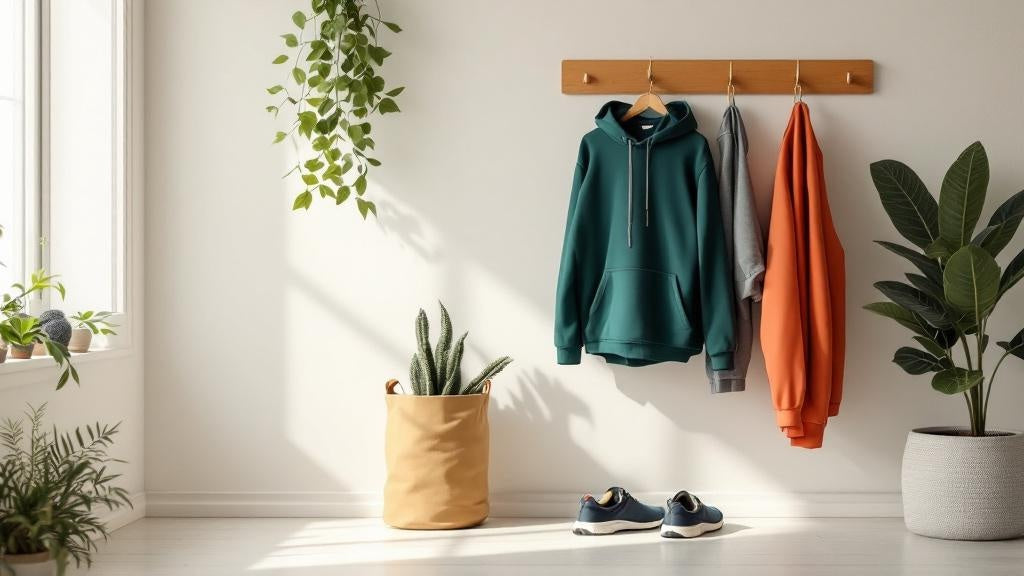
- Hang jackets, vests, and hats on a wall hook or back‑of‑door organizer.
- Use a narrow shoe rack or over‑door shoe organizer for your 1–2 pairs of running shoes.
3. Store Shoes Smartly
- Alternate pairs (if you have two) so they dry fully between runs.
- Keep them away from direct heat but in a ventilated spot to avoid odor.
- Use a small shoe mat instead of a bulky shelf if space is extremely tight.
4. Think Dual-Purpose for Decor & Storage
If you race and collect medals or bibs, these can quickly fill drawers. Instead of stuffing them in boxes, display them as wall decor to free up enclosed storage. Pairing display ideas with tips like those from How to Store and Protect Race Medals Long Term lets you celebrate your achievements without losing precious closet space.
Seasonal Running Gear With Minimal Storage
Runners in variable climates worry they’ll need different gear for every season. With a layering strategy, you can manage with just a few extra pieces.
Warm-Weather Minimal Kit
- 1–2 pairs of lightweight shorts
- 2–3 breathable, sleeveless or short‑sleeve tops
- Cap or visor and sunglasses
- Compact hydration solution (like a folding bottle)
Look for thin, quick‑dry fabrics that fold up very small. When temperatures climb, safety and comfort can also benefit from reading guides like Best Running Accessories for Hot Weather Running so you choose only the hot‑weather gear that truly adds value.
Cold-Weather Minimal Kit
- 1 pair of thermal or brushed tights
- 1 long‑sleeve base layer
- 1 mid‑layer (light fleece or thermal top)
- 1 packable wind‑resistant jacket
- Thin gloves, headband/ear warmer
Focus on layering rather than owning separate outfits for each temperature range. Many of these pieces can be used for non‑running winter activities too, which further justifies the space they occupy.
Choosing Multi-Use Gear That Does More With Less
With limited storage, each piece of gear should cover multiple situations whenever possible. Here are ways to choose multi-purpose running gear:
- Tops: Select neutral colors and simple designs you can wear running, to the gym, or under a casual jacket.
- Shorts/Tights: Look for models with enough coverage and pockets to double as general workout gear.
- Jackets: A lightweight, water‑resistant jacket can serve for running, commuting, and hiking.
- Accessories: Buffs or neck gaiters can be used as headbands, neck warmers, or lightweight hats.
When evaluating a new potential purchase, ask yourself:
- Can I use this for more than one activity?
- Does it replace at least one thing I already own?
- Will I use it at least weekly during its main season?
If the answer to these questions is no, it may not fit the minimalist approach.
Minimal Running Kit for Beginners
If you’re new to running, it can be hard to know where to start—especially if marketing suggests you need a full gear closet from day one. The reality: you can follow a structured plan with very little equipment.
Beginner Minimal Gear Checklist
- 1 pair of reliable running shoes
- 2–3 tops, 2 bottoms (shorts or tights)
- 3–5 pairs of running socks
- 1 sports bra (or 2–3 if you run frequently), if needed
- 1 basic running belt or secure pocket system
- Anti‑chafe stick for longer runs or sensitive areas
As a beginner, it’s more important to have a simple, sustainable training plan than a huge pile of equipment. Guides like the Beginner Running Plan Without Expensive Equipment align perfectly with a minimal gear philosophy: they focus on movement, consistency, and smart progress over gadgets.
When to Add More Gear
Consider adding an item only when:
- You regularly encounter a problem (e.g., chafing, cold hands, no pockets).
- You’ve followed your plan consistently for several weeks.
- You’re confident the problem can’t be solved by rearranging or better using what you already own.
Maintaining & Organizing a Minimal Running Kit
Minimal gear only works if it stays clean, functional, and easy to access.
Simple Laundry Habits
- Rinse or hang damp clothes soon after runs to reduce odor.
- Wash technical fabrics on gentle cycles and avoid heavy fabric softeners.
- Rotate between items to extend their lifespan.
Regular Gear Check-Ins
Once every 1–3 months, quickly review your kit:
- Donate or recycle damaged or unused items.
- Check shoe cushioning and tread wear.
- Ensure lights and visibility gear still work properly.
Protecting Small but Valuable Items
- Keep sunscreen, anti‑chafe sticks, and small tools in a single pouch inside your main box or drawer.
- Label this pouch so you always know where your “comfort essentials” live.
Long-Term Mindset: Buying Less, Running More
A minimalist approach to running gear isn’t just about saving closet space—it also supports a calmer, more focused relationship with running.
- Fewer distractions: Less time shopping and organizing, more time moving.
- Lower cost: You can direct more budget to race entries, coaching, or experiences.
- Less waste: Higher‑quality gear used longer reduces environmental impact.
When you do choose to add gear, focus only on items that truly add value without complicating your routine—an approach explored in depth in Running Gear That Adds Value Without Complexity. When every purchase is intentional, your small space stays livable while your running continues to progress.
Rewarding Yourself Without More Clutter
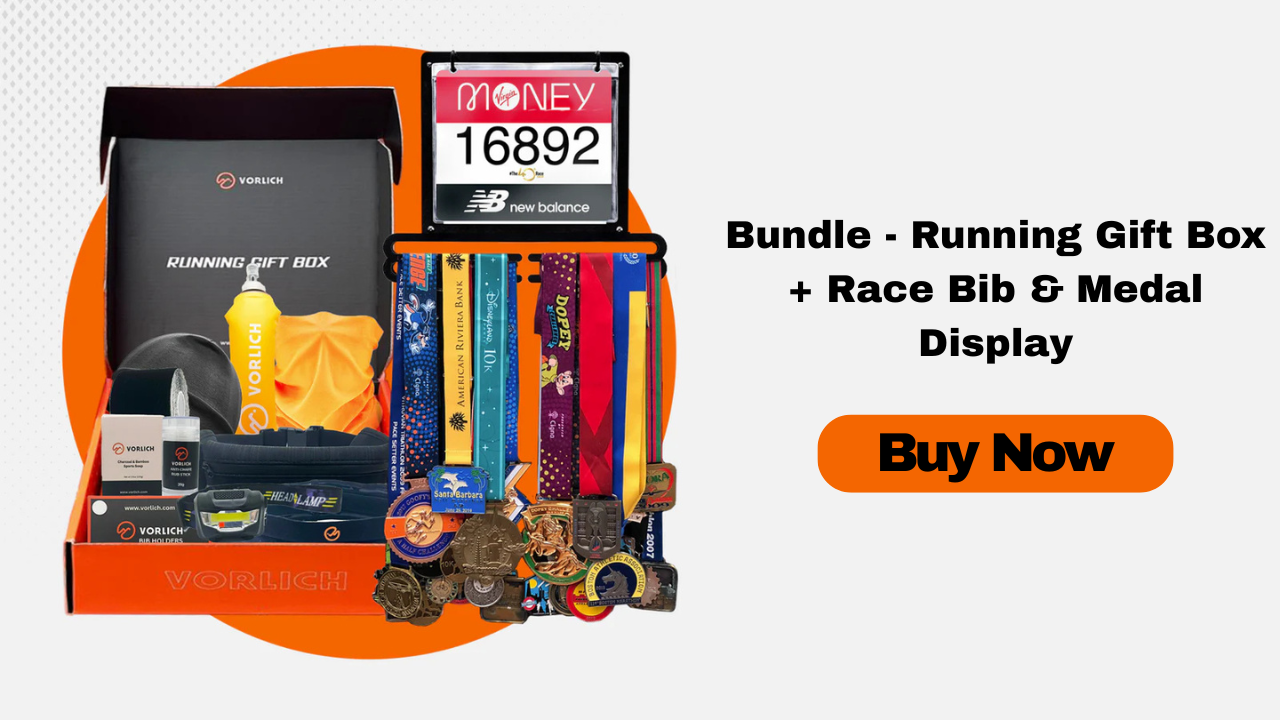
If you enjoy marking milestones but don’t want to accumulate random items, look for curated, compact solutions. For example, a set like the Vorlich Running Gift Box bundles useful, space‑efficient essentials into one package. This kind of gift focuses on items you’ll actually use rather than filling your home with novelty gear.
Summary: A Small Footprint, A Big Running Life
You don’t need a gear wall or huge closet to be a committed runner. By focusing on minimal, high‑value running gear, you can:
- Run comfortably with only a few well‑chosen items.
- Keep your home tidy and your storage needs small.
- Spend more time training and less time managing stuff.
Build your kit slowly, starting from the essentials and only adding items that solve real problems. Combine this with smart, realistic training plans—such as those in the Beginner Running Plan for Weight Loss and Fitness—and you’ll discover that a minimalist running setup is more than enough to support strong, sustainable progress.