

Top Race Bib Holder Clips for Marathoners and Triathletes
When you are preparing for a marathon, triathlon, or your first local 10K, tiny details can make a big difference to race-day comfort and performance. One of the most overlooked yet essential pieces of gear is the race bib holder. Whether you choose bib clips, a race belt with toggles, or magnetic fasteners, the right solution can save your favorite kit from safety-pin holes, keep your number secure through wind and rain, and make transitions (especially in triathlon) much smoother. This in-depth guide covers the top race bib holder clips for marathoners and triathletes, what to look for, how to use them, and how to choose the best option for your running or triathlon goals.
- Why Race Bib Holders Matter for Marathoners and Triathletes
- Types of Race Bib Holders and Clips
- Top Race Bib Holder Clips for Marathoners
- Top Race Bib Holder Clips for Triathletes
- Key Features to Look For in a Race Bib Holder
- How to Use Race Bib Holder Clips Correctly
- Common Bib Problems (and How Good Clips Solve Them)
- Care, Maintenance, and Long-Term Use
- Integrating Bib Holders Into Your Training & Race Plan
- Frequently Asked Questions About Race Bib Clips
- Final Tips: Dialing in Your Race-Day Setup

Why Race Bib Holders Matter for Marathoners and Triathletes
Many runners still default to the free safety pins included in most race packets. While they work, they are not ideal—especially when you’re wearing expensive technical fabrics or tight-fitting tri suits.
For marathoners and long-distance runners, a good bib holder can:
- Prevent damage to performance tops, jackets, and waterproof shells.
- Reduce chafing caused by metal pins rubbing against the skin.
- Keep your bib flat and visible for timing cameras and photographers.
- Allow quick adjustments when you add or remove layers mid-race.
For triathletes, race bib holders and race belts are even more crucial because:
- Most athletes don’t wear a bib during the swim, so you need a fast transition solution.
- You’re often required to wear the bib on the back during the bike and on the front during the run.
- Tight tri suits can easily be damaged by pins, ruining expensive race kits.
In endurance sport, anything that preserves energy, protects gear, and reduces stress is valuable. A simple set of race bib clips can do all three.
Types of Race Bib Holders and Clips
Before looking at specific recommendations, it helps to understand the main types of bib holders on the market. Each style suits different race conditions, body types, and personal preferences.
1. Traditional Safety Pins
Even though we’re focusing on alternatives, safety pins are the baseline comparison.
- Pros: Free, widely available, reliable in most conditions.
- Cons: Can tear or stretch fabric; awkward with cold fingers; can poke skin; hard to adjust once placed.
2. Bib Clips (Plastic or Metal Clip Systems)
These are small clips that attach the bib to your clothing without piercing the fabric.
- How they work: One side grips the bib, the other side grips the fabric or latches around a small loop of material.
- Best for: Runners who want to protect premium clothing and avoid pinholes.
-
Advantages:
- No damage to clothing.
- Quick to attach and remove.
- Often more secure for windy races.
3. Magnetic Race Bib Holders
Magnetic bib holders use a set of strong magnets to sandwich the bib and fabric between them.
- How they work: A front magnet attaches to the bib, and a backing magnet is placed inside the shirt.
- Best for: Marathoners and half-marathoners, especially those racing in cool or windy conditions.
-
Advantages:
- Zero fabric damage.
- Very quick to use.
- Low risk of injury compared to pins.
-
Potential drawbacks:
- Need to be kept together—easy to lose a piece if you’re not organized.
- Some very strong magnets may interfere with certain medical devices; always check if you use a pacemaker.
4. Race Belts with Bib Toggles
Race belts are especially popular among triathletes, but they’re also common in road races and trail ultras.
- How they work: An elastic belt sits around your waist with small toggles or clips to hold the bib, often without needing any pins at all.
-
Best for:
- Triathlons (quick transitions).
- Marathons where you might start with a jacket and remove it later.
- Ultras and trail races where you need to adjust layers frequently.
-
Advantages:
- Bib moves with your body, not your clothing.
- Easy to spin from back to front (key in triathlon).
- Often includes loops for gels, keys, or small essentials.
5. Clip-On Bib Holders for Hydration Packs
Some bib systems are designed to clip directly onto hydration packs or running vests.
- Best for: Trail marathons, ultras, and mountain races where packs are mandatory.
-
Advantages:
- Your bib stays visible even with multiple layers.
- No need to pin or clip to your shirt or shorts.
Top Race Bib Holder Clips for Marathoners
Marathoners need reliability, comfort, and minimal distraction. Below are the most useful bib holder styles and what sets the best options apart.
1. Magnetic Bib Clips for Road Marathons
Magnetic systems are especially popular for road marathons and half marathons because they balance convenience with comfort.
-
Ideal features:
- Strong magnets that stay put through wind and movement.
- Smooth edges to minimize chafing.
- Lightweight design with a low profile under a race singlet.
-
Why marathoners love them:
- Easy to put on even in a cramped starting corral.
- Less risk of tearing delicate fabrics like ultralight race vests.
- Quick post-race removal when you’re exhausted.
2. Plastic Clip Systems for Cold-Weather Races
In cooler marathons where you might start with a jacket or long-sleeve top and shed it later, plastic bib clips shine.
-
Key advantages:
- Observe how securely they grip thicker fabrics like jackets or thermal tops.
- Easier to adjust than pins when your hands are cold or gloved.
- Durable enough to reuse for multiple races.
- Who should use them: Runners who rotate clothing mid-race or wear technical outer layers they don’t want to puncture.
3. Minimalist Race Belts for Road Runners
Though often marketed to triathletes, minimalist race belts are outstanding for marathoners, especially if you need space for gels or electrolytes. Pairing a belt with best energy gels and snacks for runners and triathletes during training helps you test and refine your fueling and bib setup well before race day. (Runner’s World race belts)
-
Look for belts that:
- Stay in place without bouncing.
- Offer soft, flat seams that don’t dig into your waist.
- Have secure toggles or clips that won’t rip the bib.
- Perfect for: Runners who prefer to keep their race number consistent regardless of what layers they put on or take off.
Top Race Bib Holder Clips for Triathletes
Triathletes have extra complexity: swim, bike, run, and two transitions. For you, the race belt is usually the best solution, with bib clips or magnetic holders as backup options.
1. Elastic Race Belts with Toggle Clips
These are the gold standard for most triathletes.
-
Why they work so well:
- Start the swim without the bib; put the belt on in T1.
- Wear the bib on your back for the bike, then rotate the belt so the bib is on your front for the run.
- Easy to adjust tightness depending on your comfort.
-
Key features for triathletes:
- Quick-release buckle for fast transitions.
- Elastic toggles that secure the bib without punching large holes.
- Optional loops for gels or salt tablets to streamline nutrition.
2. Hydration-Compatible Race Belts
Some triathletes, especially in long-course events (70.3 and full Ironman), prefer belts that combine bib holding with hydration flasks or bottle loops.

-
Pros:
- Reduces reliance on aid stations.
- Keeps your bib visible and stable even when carrying weight.
-
Cons:
- Can feel bulky if not adjusted correctly.
- May bounce if overloaded or incorrectly fitted.
3. Magnetic Clips for Tri Suits
If you prefer not to use a belt for shorter triathlons, high-quality magnetic bib holders can be attached to your tri top once you reach T1.
-
Advantages:
- No belt pressure on your stomach during the run.
- Fast to apply over a wet tri suit.
-
Use tips:
- Practice attaching them quickly after a swim session.
- Ensure the magnets are strong enough to hold through wet fabric and high speeds on the bike.
If you are new to triathlon and still building your swim, bike, and run foundation, it’s smart to test bib belts and clips during brick sessions. While you refine your gear, you can also work on your swim skills using guides like how to start swimming for triathlons as a beginner, ensuring your overall race-day setup is efficient from start to finish.
Key Features to Look For in a Race Bib Holder
Not all bib holders are created equal. When comparing products, consider these key features:
-
1. Security and Grip Strength
- Does the clip or magnet hold firmly during sprinting, downhill running, or cycling at speed?
- Can it handle windy or rainy conditions without the bib folding over?
-
2. Comfort and Chafe Prevention
- Look for soft edges and low-profile designs.
- Check that belts sit flat and don’t dig into your waist or ribs.
-
3. Ease of Use
- Can you attach and adjust the bib quickly in a crowded start area or transition zone?
- Is it still easy with cold or wet hands?
-
4. Durability and Reusability
- High-quality bib holders can last for dozens of events.
- Check materials: rust-resistant metal, strong plastic, or tear-resistant elastic.
-
5. Compatibility with Your Gear
- Make sure clips or magnets work with the thickness of your race kit.
- For hydration vests, ensure you can attach the bib without blocking zippers or pockets.
-
6. Extra Features
- Gel loops, key clips, reflective details, or integrated race-number pockets.
- For night races or ultras, reflective elements help with visibility.
How to Use Race Bib Holder Clips Correctly
Even the best race bib holder won’t help if it’s used poorly. A proper setup prevents lost bibs, chafing, and last-minute stress.
Step-by-Step: Using Magnetic Bib Holders
- Lay your race top flat on a table or bed.
- Position the bib where you want it (usually mid-torso, not too low).
- Place each front magnet through the bib hole.
- Reach under the fabric and connect the backing magnet, sandwiching the fabric and bib.
- Check that the bib is flat and not pulling the shirt out of shape.
Step-by-Step: Using Plastic or Clip-Style Bib Holders
- Put on your race top so you can position the bib accurately on your body.
- Hold the bib against your shirt and attach the top two clips first.
- Check alignment in a mirror, then add lower clips if needed.
- Jog lightly in place to confirm there’s no bouncing or flapping.
Step-by-Step: Setting Up a Race Belt
- Spread the belt out flat on a table.
- Thread the toggles or clips through the top two bib holes.
- Adjust the belt so the bib sits flat when closed.
- Put the belt on and test the fit—snug but not constricting.
- Practice rotating the belt from back to front (for triathlons) a few times.
Common Bib Problems (and How Good Clips Solve Them)
Race bib issues are more than just an annoyance—they can impact your performance and race results. Here’s how high-quality bib holders can help.
1. Bib Tearing or Ripping
- Cause: Pins or clips placed too close to the bib edge, flimsy paper, or repeated adjustments.
- Solution: Use toggle-style clips or magnets that distribute pressure over a larger area; place attachments slightly inward from the edge.
2. Bib Flapping in the Wind
- Cause: Only attaching the top two corners or having a very large bib.
- Solution: Use four attachment points or a combination of belt + side clips to keep the bib flat and reduce drag.
3. Chafing from Pins or Clips
- Cause: Sharp edges, metal rubbing the skin, or bib positioned too low.
- Solution: Choose smooth-edged magnetic holders or soft plastic clips; test positioning on a training run to find a comfortable spot.
4. Lost Bib During the Race
- Cause: Weak clips, hurried setup, or incorrect placement.
- Solution: Practice your setup before race day, confirm that clips are engaged fully, and always do a quick “tug test” before entering the starting corral.
Body fatigue late in the race can magnify small irritations. If you’re also dealing with aches and pains, it’s worth learning strategies from resources like how to treat sore feet from long-distance running so your gear and your body both work with you, not against you.
Care, Maintenance, and Long-Term Use
To get the most value from your bib holders or race belt, take a little time to maintain them. (220 Triathlon race belts)
-
Post-race cleaning:
- Wipe down plastic or metal clips with a damp cloth.
- Rinse sweat and salt from belts, then air-dry fully.
-
Storage tips:
- Keep all magnetic pieces together in a small pouch.
- Store belts flat or lightly rolled to avoid twisting the elastic.
-
Regular checks:
- Inspect for cracks in plastic, rust in metal parts, or overstretched elastic.
- Replace worn components before your key race.
Integrating Bib Holders Into Your Training & Race Plan
Your bib holder setup should be tested just like your shoes, nutrition, and pacing strategy.
-
Use race simulations:
- Wear your race belt or clips during long runs and brick workouts.
- Practice pinning or clipping the bib quickly as part of a time-trial style session.
-
Check compatibility with other gear:
- Ensure the bib doesn’t cover access to zippers or pockets for fuel.
- Make sure it doesn’t interfere with hydration belts or packs.
-
Refine your race-day checklist:
- Add “race belt / bib clips” to your pre-race gear list.
- Pack spare clips if you’re traveling to big events.
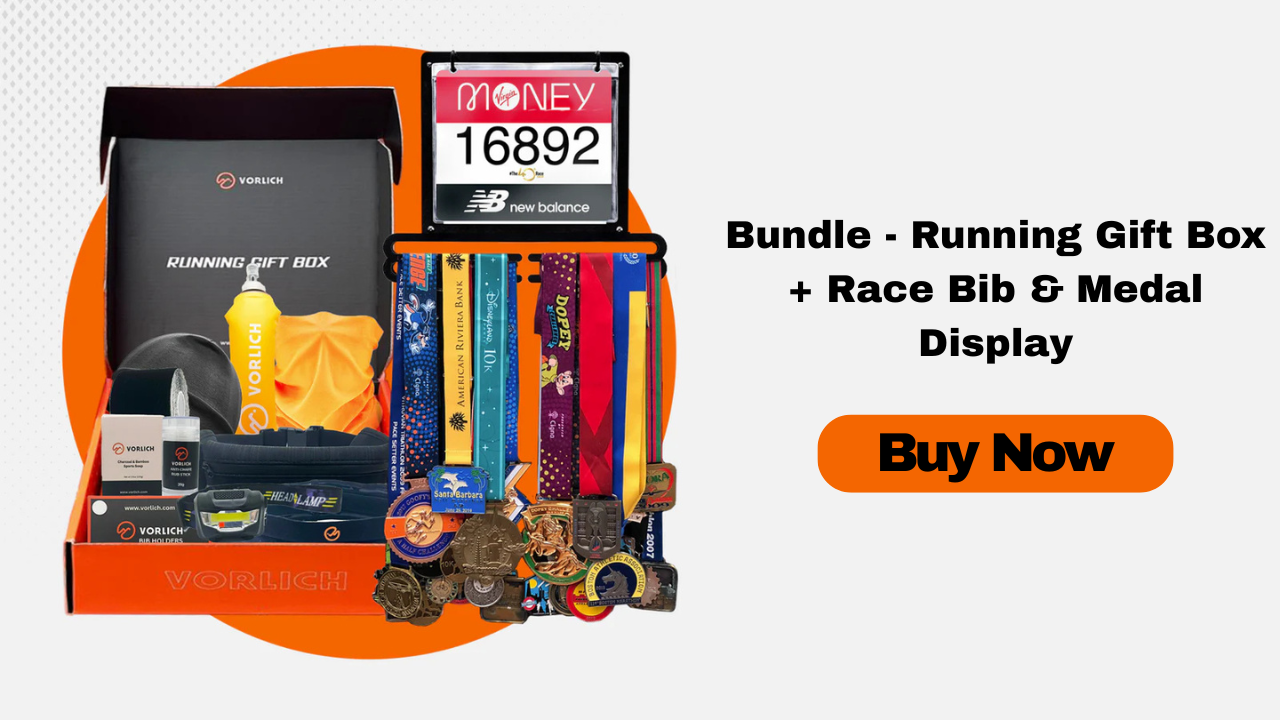
As your race calendar fills with marathons, triathlons, and long-distance events, you may also want ways to celebrate and remember your efforts. Gear choices become part of your story—much like the medals you earn. Many runners choose to display their achievements proudly using options like personalized running medal displays: the perfect runner's gift, turning race numbers and finisher medals into lasting motivation.
Frequently Asked Questions About Race Bib Clips
Do race bib clips work with all bib sizes?
Most clips and magnets are designed to handle standard race bib sizes used in marathons and triathlons. If the bib is unusually large or heavy, you may need four attachment points instead of two.
Are magnets safe to use with timing chips?
Timing chips are typically RFID-based and not affected by small magnets. However, always check organizer instructions. If the chip is integrated into the bib, avoid placing magnets directly over the timing strip.
Can I pass through security with magnetic bib holders?
Yes, in nearly all cases. The magnets are small and pose no issue at race security. If flying, you can pack them in carry-on or checked luggage.
Will race belts bounce during running?
High-quality belts, correctly fitted, should not bounce. Make sure the belt is snug around your hips or waist and not overloaded with heavy items.
Are bib holders allowed in all races?
Most road races and triathlons allow any system that keeps the bib clearly visible. Always read race rules, as some events have specific guidelines about bib placement (front-only, back-only, or both).
Final Tips: Dialing in Your Race-Day Setup
Choosing the best race bib holder clips for marathons and triathlons comes down to three main factors: comfort, security, and ease of use. Whether you opt for magnetic clips, plastic fasteners, or a versatile race belt, make sure you:
- Test your setup on multiple training runs or brick sessions.
- Confirm your bib is secure, flat, and highly visible.
- Combine your bib solution with a smart strategy for hydration, pacing, and fueling.
As you refine your race kit—from bib holders to shoes, belts, and nutrition—remember that small details add up to big confidence on the start line. Pairing the right gear with thoughtful training, recovery, and mental focus (for example, learning how to maximize energy and endurance on race day) helps you run and race with fewer distractions and more enjoyment.
In the end, a reliable race bib holder is a modest investment that protects expensive clothing, streamlines transitions, and lets you focus on what matters most: crossing the finish line strong, proud, and ready for the next challenge.