Running gear should make your runs feel easier, safer, and more enjoyable — not more complicated. In a world full of smart devices, endless data, and constant marketing, it’s easy to think you need a high-tech setup just to head out the door. But the most effective running gear that adds value without complexity is simple, reliable, and focused on comfort, safety, and consistency. This guide walks through the best minimalist running gear, how to choose the right items for your needs, and how to build a kit that supports your training without overwhelming you.
Why Simple Running Gear Matters
Runners often fall into two traps: buying nothing and suffering through discomfort, or buying everything and getting overwhelmed. The sweet spot is a small set of high-value, low-complexity running gear that solves real problems:
- Prevents injuries by improving comfort and support.
- Improves consistency because it’s easy to use and maintain.
- Boosts safety and confidence so you can run anytime, in more conditions.
- Reduces decision fatigue — you know exactly what to grab and go.
If you’re starting out, pairing simple gear with a structured plan like a Beginner Running Plan Without Expensive Equipment can help you progress without feeling you need to upgrade everything at once.
Core Principles of Minimalist Running Gear
When you’re trying to choose running gear that adds value without complexity, use these principles as a filter:
- Purpose over trend — every item must solve a clear problem (chafing, cold, carrying keys, visibility).
- Ease of use — if it takes longer than a minute to figure out or adjust, you won’t use it consistently.
- Low maintenance — machine washable, durable, and not dependent on constant charging or updates.
- Modular — items that work in many conditions (layering pieces, versatile accessories).
- Body-first, tech-second — you should still be able to run well even if batteries die or apps crash.
A helpful mindset is to choose gear based on your running needs, not marketing claims. For a deeper dive into that approach, see this guide on how to choose gear based on running needs, not marketing.
Essential Minimal Gear for Beginners
You don’t need a huge budget to get started. Focus on a compact core kit that delivers maximum value:
-
Proper running shoes
- Get fitted at a running store if possible.
- Look for:
- Enough cushioning for your mileage and surface.
- A comfortable fit with thumb-width space at the toes.
- Neutral or stability support based on your gait.
- Rotate shoes every 300–500 miles to avoid overuse injuries.
-
Moisture-wicking socks
- Choose materials like polyester, nylon, or merino wool.
- Avoid cotton socks that trap moisture and cause blisters.
- Look for minimal seams in blister-prone areas.
-
Comfortable, technical top and shorts/tights
- Soft, quick-dry fabrics reduce chafing and overheating.
- Simple designs with a small pocket are often enough.
-
Basic watch or phone for time and distance
- You only need:
- Elapsed time.
- Approximate distance.
- Pace if you enjoy tracking it.
- A simple app is enough at first; you can upgrade later.
- You only need:
Once you have this minimalist setup, complementary guides like Essential Running Accessories for Beginner Runners can help you decide what to add next without cluttering your routine.
Comfort-Focused Clothing Choices
Clothing is one of the easiest ways to add value without adding complexity. A few smart choices can prevent chafing, regulate temperature, and keep you running longer.
What to look for in tops and bottoms
- Moisture management: Look for words like “moisture-wicking,” “quick dry,” or “technical fabric.”
- Flatlock seams: These reduce rubbing, especially on long runs.
- Minimal but useful pockets: One pocket for a key, card, or gel often beats multiple complicated compartments.
- Visibility: Subtle reflective details make early morning or evening runs safer.
Layering without complication
Layering lets you run in many conditions with a few simple pieces:
- Base layer: Light, moisture-wicking top.
- Mid layer: Slightly warmer long-sleeve or thin fleece for cold days.
- Outer layer: Wind-resistant or water-resistant shell.
Keep colors and designs neutral if you like to mix and match. This reduces decision-making before each run and keeps your routine simple.
Hydration Made Simple
Hydration is essential, but your system doesn’t need to be complicated. The best setup is the one you’ll actually use consistently.
When you need to carry water
- Runs under 45–60 minutes in mild weather: You may be fine hydrating before and after.
- Runs over 60 minutes or in hot/humid conditions: Carrying water becomes far more important.
- If you’re prone to dehydration or cramps, carry water on shorter runs too.
Simple hydration options
-
Handheld bottles
- Great for short to medium runs.
- Minimal learning curve: just grab and go.
-
Folding or collapsible bottles
- Lightweight and packable when empty.
- Perfect if you like to carry something small or stow it in a belt or pocket.
- A practical example is the Vorlich Folding Bottle, which folds down when not in use and keeps things simple while still ensuring you stay hydrated.
-
Minimalist running belts
- Good for distributing weight around the hips.
- Look for simple designs with stable fit and easy access to water or pockets.
Keep your hydration strategy straightforward: know your route, your approximate time out, and carry just enough water to stay comfortable and safe.
Safety Gear That Isn’t Fussy
Simple, effective safety gear gives you more freedom to run early, late, or in varied environments without adding time to your pre-run routine.
High-impact, low-effort safety items
-
Reflective elements
- Vests, bands, or clothing with built-in reflective strips.
- Easy to throw on and forget about.
-
Compact lights
- Clip-on or headlamps for low-light or dark runs.
- Rechargeable or battery-powered — choose whichever is easiest for you to maintain.
-
ID and basic emergency information
- Simple ID bracelet or a card tucked into a pocket.
- Include name, emergency contact, and any vital medical info.
Useful Tech That Stays in the Background
Running technology should support your training, not dominate it. The goal is to collect useful feedback while staying tuned in to how your body feels.

Simple, high-value tech choices
-
Basic GPS watch
- Tracks distance, pace, and time.
- Easy-to-read display and simple buttons are more important than advanced features.
-
Phone with a running app
- Good starter option if you’re not ready for a watch.
- Use basic metrics and occasional audio cues; avoid over-checking mid-run.
-
Wireless earbuds (optional)
- Choose sweat-resistant, secure-fit models that won’t require constant adjustment.
- Keep volume low enough to stay aware of your surroundings.
Tech rules that keep things simple
-
One main metric per phase:
- Early stage: focus on time on feet and consistency.
- Intermediate: add pace and distance.
- Later: consider heart rate or advanced metrics if they truly help you.
- Limit app hopping: Pick one primary app or platform and stick to it.
- Review once per week: Spend a few minutes each week reviewing your runs instead of obsessing over stats after every workout.
Cold-Weather and Heat-Ready Upgrades
Weather is one of the main barriers that stops runners from being consistent. A couple of smart, simple pieces can keep you running all year without turning your gear cupboard into a storage unit.
Cold-weather essentials that stay simple
-
Lightweight beanie
- Retains warmth while wicking sweat.
- Easy to stuff into a pocket if you warm up.
- The Vorlich Running Beanie is an example of a simple, technical beanie that adds warmth without bulk, ideal for chilly mornings.
-
Convertible gloves or mitts
- Thin enough for dexterity, warm enough for most winter runs.
- Look for touchscreen tips if you use your phone.
-
Thermal tights or lined shorts
- Choose depending on your climate.
- A single pair of good winter tights often replaces multiple layers.
Heat-ready, low-fuss additions
- Light, breathable cap or visor to shade your face and manage sweat.
- Technical singlet or ultra-light tee to maximize airflow.
- Sun protection (sunscreen and sunglasses) with simple, sweat-resistant formulas.
If you regularly run in hot climates, you may also find targeted tips like those in a “best running accessories for hot weather” style guide useful for refining your warm-weather kit without adding complexity.
Small Accessories That Make a Big Difference
A few small accessories deliver outsized value if you pick them carefully and keep them simple.
Minimalist storage solutions
-
Basic running belt
- Holds keys, phone, and maybe a gel.
- Choose a low-bounce, single-zip or slip-pocket design.
-
Shorts or tights with integrated pockets
- May remove the need for a separate belt.
- Look for secure rear zip pockets or side drop-in pockets.
Anti-chafing and comfort aids
- Anti-chafe balm for thighs, underarms, and other hot spots.
-
Quality sports bra (for women) with:
- Proper support for your size and running impact.
- Adjustable straps for a custom fit.
How to Build Your Running Kit Step by Step
To avoid overspending and clutter, build your gear kit gradually. Focus on one upgrade at a time, based on what bothers you most during runs.
Step 1: Start with the true essentials
- Running shoes.
- Moisture-wicking socks.
- Comfortable top and shorts/tights.
Use these for a few weeks while you establish a routine following a basic plan such as a Beginner Running Plan for Weight Loss and Fitness if weight loss and overall fitness are part of your goals.
Step 2: Add solutions to actual pain points
- If you’re chafing: add anti-chafe balm or different clothing.
- If you’re overheating or freezing: add a layer or weather-appropriate accessories.
- If you’re dehydrated: add a simple hydration solution.
- If you feel unsafe or invisible: add reflective gear or a light.
Step 3: Introduce low-complexity tech
- Start by using a phone app or simple timer.
- If you like data, invest in a basic GPS watch with easy controls.
- Avoid buying advanced devices until you clearly understand what data helps you.
Step 4: Refine and replace, don’t just add
- When you buy a new item, ask:
- Does this replace something?
- Does it solve a problem I already have?
- Can I explain in one sentence why I need it?
- Donate or recycle old gear once you’re sure a new item works better.
Caring for Your Gear So It Lasts
Minimalist running gear delivers more value when it lasts a long time. Simple care habits reduce waste and save money.
Basic care tips for running gear
-
Wash technical fabrics gently
- Use cold water and mild detergent.
- Avoid fabric softeners, which can block moisture-wicking properties.
- Air dry when possible to preserve elasticity and shape.
-
Rotate shoes
- Let them dry completely between runs.
- Store in a cool, dry place away from direct heat.
-
Check stitching and seams
- Repair small holes early to prevent major damage.
Motivation, Routines, and Rewarding Yourself
Gear can also support the mental side of running if you use it thoughtfully. Building simple rituals around your gear can make it easier to stay consistent.
Rituals that keep your routine simple
- Lay out your gear the night before to remove morning decisions.
- Keep a “grab-and-go” kit (shoes, socks, top, shorts, hydration) in one place.
- Use small rewards after key milestones, like a new pair of socks or a hat.
Celebrating progress is part of a sustainable running lifestyle. If you’re exploring how running can reshape your health more broadly, you may enjoy reading about Running Lifestyle Changes That Improve Well Being and weaving those ideas into your daily routine.
Thoughtful gift ideas that stay simple
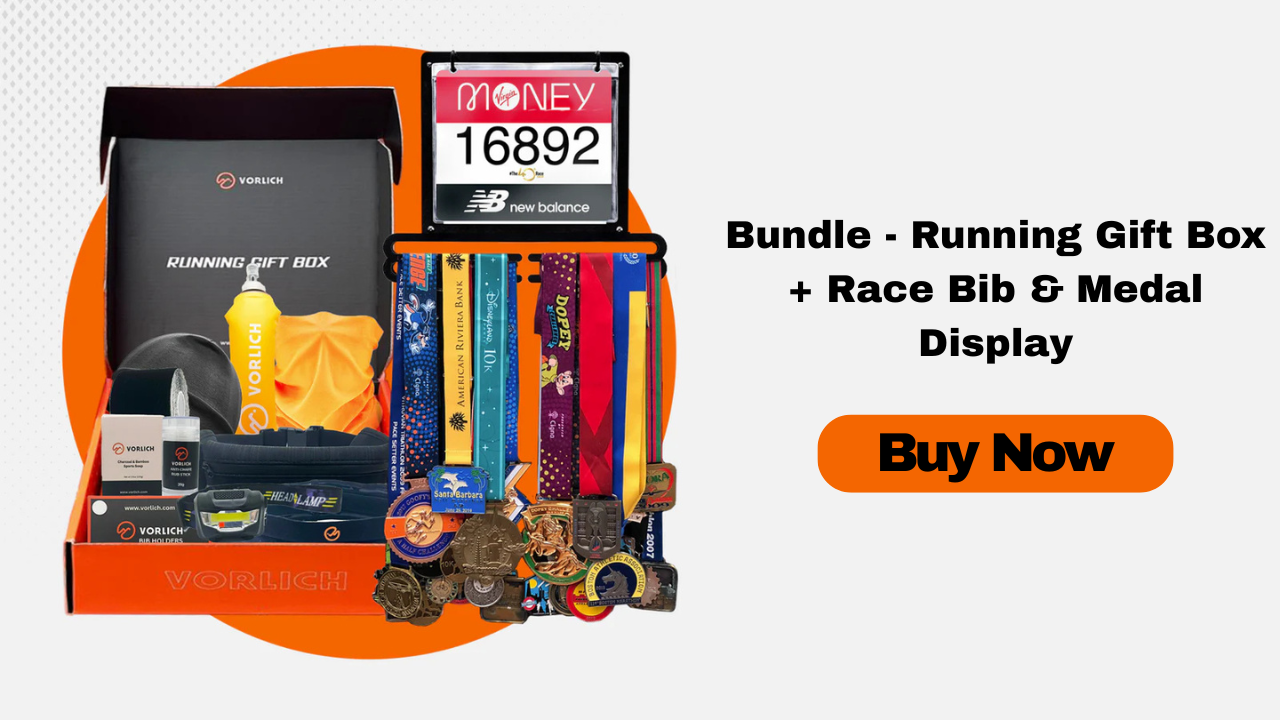
Minimal, high-quality running gifts can encourage new habits without adding clutter. A curated set like the Vorlich Running Gift Box can be a straightforward way to give or receive multiple practical items that align with a minimalist philosophy.
Common Gear Mistakes to Avoid
Avoiding a few common pitfalls will help you keep your running setup simple and effective.
-
Buying advanced gear too early
- Heart-rate straps, performance trackers, and advanced shoes are most useful after you’ve built basic fitness.
-
Letting gear dictate your training
- Listen to your body first; use metrics to confirm, not control, your effort.
-
Overloading with accessories
- Belts, arm bands, multiple layers, and gadgets can become distracting.
- Streamline based on what you actually use every week.
-
Ignoring comfort signals
- Persistent blisters, hot spots, or pain often mean your gear isn’t right, no matter the brand or price.
Final Thoughts: Gear That Supports, Not Controls, You
The best running gear that adds value without complexity is:
- Comfortable enough that you forget you’re wearing it.
- Functional enough to solve real problems (chafing, storage, hydration, visibility).
- Simple enough that you can get out the door in minutes, not agonize over choices.
Start with shoes, socks, and basic clothing. Add one or two smart accessories at a time, guided by your real-world experience on the road or trail. As your distances, goals, and conditions evolve, refine your kit — not by adding more complexity, but by making small, intentional upgrades that keep the focus where it belongs: on the joy and freedom of running.