

Beginner Running Accessories That Make Training Easier
Starting to run can feel both exciting and overwhelming. You don’t need a lot of gear to begin, but the right beginner running accessories can make training more comfortable, safer, and easier to stick with. Instead of buying every gadget you see on social media, it helps to understand which accessories actually support your progress, reduce injury risk, and keep you motivated. This guide breaks down the most useful beginner-friendly running accessories, why they matter, and how to choose what’s best for your running goals.
Why Beginner Running Accessories Matter
At first glance, running seems simple: lace up shoes, head out the door, and move. But as you start building consistency, you quickly notice the details—blisters, chafing, bouncing phones, and sore muscles. Thoughtfully chosen accessories address these issues so you can focus on training, not discomfort.
For beginners, good accessories can:
- Improve comfort – Reduce friction, regulate temperature, and prevent blisters or hot spots.
- Boost safety – Increase visibility in low light, keep you hydrated, and make it easier to carry essentials like keys or ID.
- Support consistency – Comfortable runs are more enjoyable, which makes it easier to stick to a plan and gradually progress.
- Provide useful data – Simple tracking tools help you monitor pace, distance, and improvement without overcomplicating training.
If you’re just getting started, pairing a smart gear setup with a structured plan, such as a beginner running plan without expensive equipment, is one of the most effective ways to build a sustainable running habit.
Must-Have Essentials for New Runners
You don’t need to buy everything at once. Start with a few core running accessories that solve immediate problems you’re likely to face in your first weeks of training.
1. Running Socks (Not Just Any Socks)
Regular cotton socks soak up sweat and stay wet, which leads to friction, blisters, and even toenail issues. Technical running socks are one of the most underrated accessories for beginners.
Look for socks that:
- Use synthetic or merino wool blends, not 100% cotton.
- Offer targeted cushioning under the heel and ball of the foot.
- Have a snug fit around the arch to minimize movement in the shoe.
- Include seamless toes to reduce rubbing, especially on longer runs.
Benefits for beginners:
- Fewer blisters during your adaptation phase.
- More comfortable feet, which directly affects how far and how often you want to run.
2. Anti-Chafe Protection
Chafing can turn a good run into a painful experience, especially in areas where skin or fabric rubs together (thighs, underarms, sports bra lines, waistband).
Consider using a dedicated anti-chafe stick such as the Vorlich Anti-Chafe Stick. Stick formats are:
- Easy to apply directly to problem areas.
- Less messy than creams or oils.
- Portable, so you can keep one in your bag or car.
Apply before runs to areas that have chafed in the past, or anywhere seams and straps contact your skin. For many beginners, this is a game-changing accessory that makes longer distances and warmer-weather runs far more comfortable.
3. A Comfortable, Supportive Sports Bra (For Women)
For women, a properly fitted sports bra is non-negotiable. It reduces discomfort, supports good posture, and helps you feel confident while running.
- Choose high or medium-impact support depending on your size.
- Look for wide straps and a band that sits flat without digging in.
- Opt for moisture-wicking fabrics to reduce sweat buildup and chafing.
4. Basic Sun Protection
Even on cloudy days, UV rays can be strong. Over time, regular unprotected exposure can lead to skin damage and fatigue.
- Use a sweat-resistant sunscreen on exposed areas (face, neck, arms, legs).
- Consider a lightweight running cap or visor for shade and sweat control.
- Polarized sports sunglasses can protect eyes and help you relax your facial muscles, making breathing easier.
Hydration Accessories: Staying Fueled and Safe
Hydration needs vary depending on climate, intensity, and run duration, but even beginners benefit from a hydration strategy. Dehydration can cause fatigue, headaches, and slower recovery.
5. Handheld Bottles & Foldable Bottles
If you dislike carrying a rigid bottle, a foldable water bottle can be a comfortable alternative. A product like the Vorlich Folding Bottle is designed for runners who want convenient hydration without bulk.
Key features to look for:
- Collapsible design that shrinks as you drink, reducing bounce.
- Lightweight materials that don’t add much to your overall load.
- A secure, leakproof cap so you can tuck it into a belt or pocket.
When they’re empty, foldable bottles take up minimal space and can be stored easily in a small running bag or waistband.
6. Hydration Belts and Vests (For Longer Runs)
You don’t need a hydration vest for your first 2–3 km runs, but as your distances increase, hands-free hydration becomes more appealing.
Hydration belts and vests help you:
- Carry water plus gels or snacks for longer sessions.
- Balance weight across your body to reduce strain.
- Free your hands for natural arm swing, improving running form.
For many beginners following a plan like a 10K training guide for runners who want structure, a simple belt with one or two small bottles is usually enough.
Clothing & Comfort Accessories
Clothing can make or break your run. The goal is to stay comfortable as temperature, sweat, and wind change during your session.
7. Moisture-Wicking Tops
Swap heavy cotton t-shirts for technical running tops made from breathable, sweat-wicking materials. These fabrics pull moisture away from the skin and dry quickly, helping to prevent chills and chafing.
Tips:
- Choose lightweight, breathable materials for warm weather.
- Layer with a thin long-sleeve top or light jacket in cooler temperatures.
- Look for flat seams to reduce friction on shoulders, sides, and underarms.
8. Running Shorts, Tights & Liners
Running-specific shorts and tights are designed for movement, airflow, and comfort.
- Shorts with built-in liners reduce the need for extra undergarments and often help prevent chafing.
- Compression tights or capris can provide gentle support and are useful in cooler weather.
- Look for pockets for gels, keys, or a folded bottle if you prefer to travel light.
9. Lightweight Caps, Headbands & Gloves
Head and hand accessories help regulate temperature more than many beginners expect.
- A light cap or visor for sun or light rain.
- Headbands or ear warmers for chilly mornings.
- Thin running gloves that can be tucked into a pocket if it warms up.
Safety, Visibility & Running in Low Light
Many beginners fit runs into busy schedules—early mornings, evenings, or lunch breaks. That often means low-light conditions where visibility becomes critical.
10. Reflective Gear
Drivers, cyclists, and other pedestrians need to see you clearly. Incorporate reflective elements into your outfit:
- Jackets or vests with built-in reflective strips.
- Reflective bands for wrists and ankles.
- Shoes or caps with reflective logos or piping.
11. Running Lights & Headlamps
On unlit paths or darker streets, a small running light or headlamp improves both your safety and your confidence. You’re more likely to maintain consistent training if you feel safe and can clearly see the terrain beneath you.
For more strategies that blend gear, mindset, and routine, you might find it helpful to read about how to stay motivated to run during dark winter mornings.

12. Identification & Emergency Info
Consider carrying some form of ID or medical information, especially if you run alone.
- A small ID card tucked into a pocket.
- A bracelet tag with emergency contact details.
- Emergency information stored on your phone’s lock screen.
Tech Accessories for Tracking Progress
Technology can support your training—but it doesn’t need to control it. Focus on simple tools that give useful feedback without adding stress.
13. Running Apps & Entry-Level GPS Watches
Free smartphone apps are usually enough for beginners. They track:
- Distance and time.
- Pace (how fast you’re running per km or mile).
- Route maps, elevation, and basic statistics.
If you prefer not to carry a phone, a basic GPS running watch can track similar metrics and store data for later review.
14. Wireless Earbuds or Bone-Conduction Headphones
Music, podcasts, or guided runs can make training more enjoyable, especially in your early weeks when running still feels new and challenging.
- Choose earbuds or headphones that are sweat-resistant.
- Keep volume low enough to stay aware of traffic and surroundings.
- Consider bone-conduction headphones if you run in urban areas and need maximum awareness.
Storage, Belts & Ways to Carry Your Gear
Beginners often struggle with where to put everything—phone, keys, ID, and possibly snacks or a small bottle. Good storage solutions reduce bouncing and distractions.
15. Running Belts & Waistbands
A running belt or waistband is one of the most practical accessories you can buy early in your journey. It helps you carry essentials securely while keeping your hands free.
Look for belts that:
- Have stretchy, low-bounce materials.
- Include pockets for phone, keys, and cards.
- Fit snugly but comfortably around your hips.
If you’re unsure what style is best, guides like how to choose the right running belt for your training can help you evaluate capacity, fit, and features based on your typical run length and conditions.
16. Armbands & Compact Pouches
Some runners prefer armbands for phones or slim pouches that clip to waistbands. These can be good options if you only carry one or two items and dislike the feeling of a belt.
Injury Prevention & Recovery Tools
New runners often underestimate recovery and maintenance. Simple accessories used before and after runs can significantly reduce stiffness and injury risk.
17. Foam Rollers & Massage Balls
Foam rolling and targeted massage help release tight muscles and improve circulation.
- Use a foam roller on quads, hamstrings, calves, and glutes.
- Use a small massage ball for feet, calves, and hip areas.
- Roll for 5–10 minutes after runs or on rest days.
18. Compression Socks or Sleeves
Compression accessories can help reduce muscle soreness and support blood flow, especially after longer runs.
- Wear compression socks for recovery or during long periods of standing.
- Use calf sleeves if you’re prone to tight calves or shin discomfort.
19. Basic First Aid & Blister Care
Having a small kit with bandages, blister plasters, and antiseptic wipes is helpful, particularly when you’re testing new shoes, socks, or longer distances.
Motivation, Rewards & Celebrating Milestones
Gear isn’t just about performance. Some accessories help you stay emotionally invested in your running journey by marking progress and making the process feel rewarding.
20. Small Rewards & Running Gift Sets
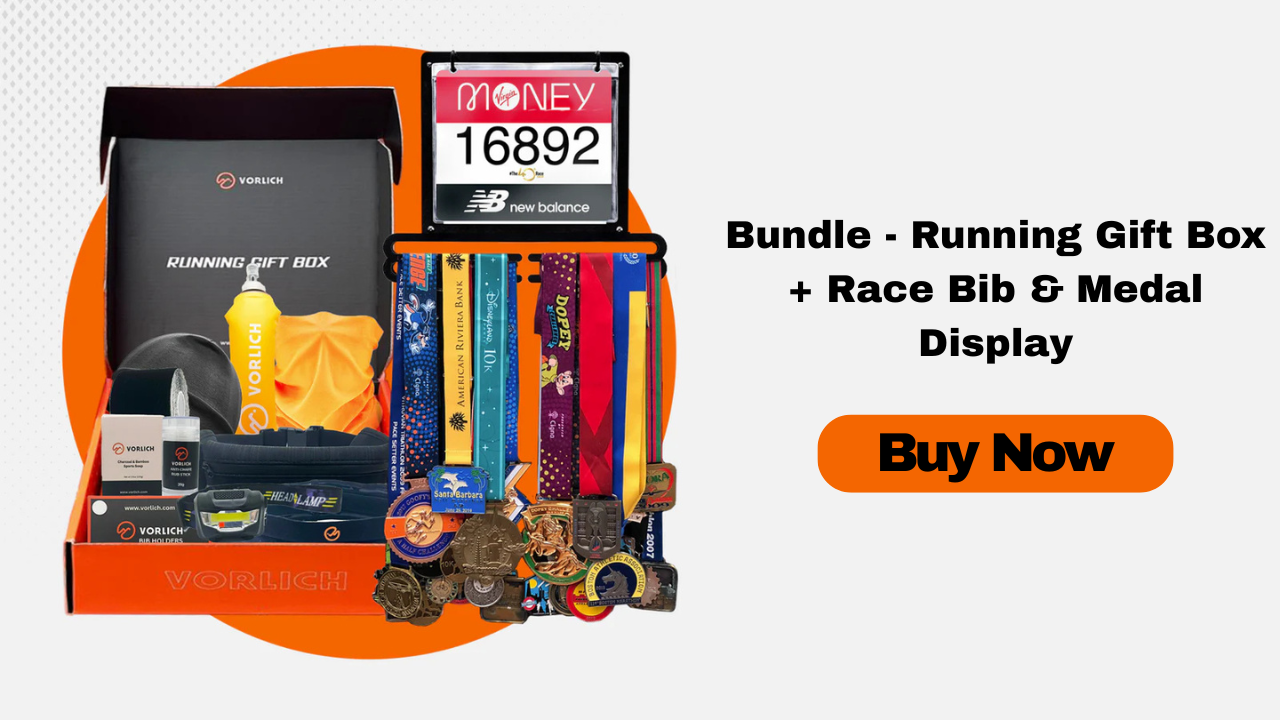
Whether you’re treating yourself or supporting a beginner runner in your life, curated bundles like the Vorlich Running Gift Box can be a motivating way to pair essential gear with a sense of occasion.
Gift sets often include:
- Practical accessories (socks, anti-chafe, hydration tools).
- Items that make runs feel special, like branded caps or buffs.
- Useful extras that beginners may not think to buy themselves.
21. Tracking & Celebrating Milestones
Beginners progress quickly in the first months. Recording and celebrating these changes keeps motivation high.
- Track your first 1 km without stopping, your first week of consistent training, or your first 5K.
- Set small, realistic targets like “run three times this week” rather than focusing only on speed or distance.
- Plan mini celebrations for key milestones—new route, longest run, or first race.
If you’d like more structure on this side, have a look at how others approach celebrating running milestones at any level so you can design a system that motivates you long term.
How to Prioritize Accessories on a Budget
It’s easy to get carried away with gear. To avoid overspending, start with problems you’re actually experiencing and buy accessories that solve those issues.
Step 1: Start with Essentials
For most beginners, the highest-impact accessories are:
- Quality running socks.
- An effective anti-chafe product.
- At least one moisture-wicking top and comfortable shorts or tights.
- A running belt or secure storage option for phone and keys.
Step 2: Add Safety & Hydration
Once you’ve covered basic comfort, consider:
- Reflective gear and lights if you run early or late.
- A foldable or handheld bottle when runs get longer or weather gets warmer.
Step 3: Layer in Recovery Tools
As your weekly mileage increases, add foam rollers, massage balls, and compression to protect your progress and minimize downtime from niggles or overuse.
Beginner Running Accessories Checklist
Use this checklist to decide what you need now, what can wait, and what might never be necessary for your particular goals.
Core Comfort & Clothing
- Running socks (synthetic or merino, no cotton).
- Anti-chafe stick or cream for thighs, underarms, and seams.
- Sports bra with appropriate impact support (if needed).
- Moisture-wicking tops (short-sleeve and/or long-sleeve).
- Running shorts or tights with comfortable seams and, ideally, pockets.
- Lightweight cap/visor and optional gloves or headband for temperature control.
Hydration & Storage
- Foldable or handheld water bottle (e.g., a collapsible design like the Vorlich Folding Bottle).
- Running belt or waistband for phone, keys, and ID.
- Optional hydration vest or belt for longer distances.
Safety & Visibility
- Reflective elements (vest, bands, or reflective clothing).
- Small running light or headlamp for dark conditions.
- ID or medical info carried on your person or in your device.
Tech & Motivation
- Running app or entry-level GPS watch.
- Wireless earbuds or bone-conduction headphones (optional).
- Notebook or digital log for tracking milestones and progress.
Recovery & Injury Prevention
- Foam roller for legs and back.
- Massage ball for feet, calves, and hips.
- Optional compression socks or sleeves.
- Basic first aid and blister care supplies.
Final Tips for Choosing the Right Running Accessories
The best beginner running accessories are the ones that support your specific needs, not what’s most heavily marketed. Focus on gear that:
- Reduces pain or discomfort you already notice (like chafing, blisters, or bouncing items).
- Makes it easier to follow a structured plan without worrying about logistics.
- Improves safety so you feel confident running in your real-world conditions.
As you gain experience, you’ll naturally refine your kit and learn what genuinely adds value to your runs. To keep your setup simple and effective, you can also explore resources that emphasize practical, low-stress gear choices, such as running gear that adds value without complexity.
Start with a few key accessories, listen to your body, and adjust over time. With the right combination of comfort, safety, and motivation tools, your running training will feel easier, more enjoyable, and far more sustainable—no matter what distance you’re working toward.