Early morning runs can be magical: quiet streets, cooler air, and a sense of having the day “won” before it really begins. But heading out in the dark or low light also brings unique challenges—staying visible, staying warm, and carrying essentials without feeling weighed down. Choosing the best running accessories for early morning runs can make the difference between a session you dread and a ritual you look forward to every day. This guide walks you through the most useful gear, how to choose it, and how to combine comfort, safety, and performance in a simple, sustainable way.
Why Early Morning Running Accessories Matter
Early morning running is different from running in daylight. The streets are darker, temperatures are lower, and your body is still waking up. The right accessories help you:
- Improve safety with better visibility and awareness.
- Stay warm and dry without overheating once you start sweating.
- Carry essentials (phone, keys, ID, hydration) hands-free.
- Reduce discomfort from chafing, blisters, or cold fingers.
- Keep runs enjoyable so you actually stick to your routine.
When you streamline your gear, it’s easier to get out of bed and go. That “friction” between waking up and starting your run shrinks. Many runners find that a small set of reliable accessories is all they need—similar to the approach in Minimal Running Gear That Covers Most Situations, where the focus is on owning less but using it better.
Visibility & Safety: Be Seen and Stay Safe
Low light is the biggest safety issue for early morning runners. Even if you can see the road, drivers and cyclists may not easily see you. Visibility accessories are non-negotiable.
High-Visibility Clothing
When shopping for clothes for early morning runs, look for:
- Reflective details on the front, back, sleeves, and legs.
- Contrasting colors like neon yellow, bright orange, or white.
- Reflective vests or sashes that can go over any outfit.
A simple reflective vest can be worn over winter layers or summer singlets, making it a versatile and cost-effective safety accessory.
Reflective Accessories
In addition to clothing, consider:
- Reflective ankle or wrist bands – inexpensive and lightweight.
- Reflective laces – add visibility where drivers’ headlights often hit.
- Reflective hats or beanies – especially helpful at dawn when visibility changes quickly.
ID and Emergency Info
Running in quiet, early hours means fewer people around if something goes wrong. Accessories that help with identification and emergencies include:
- ID bracelet or shoe tag with name, emergency contact, and key medical info.
- Phone with ICE (In Case of Emergency) contact and medical information filled in.
- Small ID card tucked inside your running belt or pocket.
Lighting Solutions: Headlamps, Chest Lights & Clip-On LEDs
For truly dark conditions, especially in rural or poorly lit areas, visibility accessories aren’t enough—you need your own light source.
Headlamps
A good running headlamp is one of the most important early morning running accessories. When choosing a headlamp, consider:
- Brightness (lumens): 100–200 lumens is usually enough for street running; 200–400+ for dark trails.
- Beam pattern: A wide beam helps you see the road in front; some lamps offer both spot and flood beams.
- Weight and comfort: Look for a lightweight, adjustable strap that doesn’t bounce.
- Battery type: Rechargeable (USB) vs. replaceable batteries; rechargeable is convenient for daily runners.
- Weather resistance: An IPX4 or better rating helps in rain or misty mornings.
Chest Lights
Chest lights are worn on a harness around your torso. They can:
- Provide more stable lighting because they move less than headlamps.
- Make you more visible to oncoming traffic as the light sits at chest height.
- Reduce the “tunnel vision” feeling some runners experience with headlamps.
Clip-On LEDs
Clip-on lights are a versatile backup or supplement:
- Clip to your waistband, shoes, backpack, or beanie.
- Use steady or flashing modes to catch drivers’ attention.
- Weigh almost nothing and can be kept in your running bag as a spare.
For the best safety, combine reflective gear with an active light source (headlamp or clip-on LEDs). Together, they help you see and be seen.
Cold-Weather Gear: Beanies, Gloves & Layering
Early morning often means lower temperatures, especially in autumn and winter. Cold extremities—ears, fingers, and toes—are a common complaint, but simple accessories can solve this.
Running Beanies and Headbands
Keeping your head and ears warm can make a huge difference to perceived comfort. A dedicated running beanie should be:
- Lightweight and breathable to prevent overheating.
- Moisture-wicking so sweat doesn’t sit against your skin.
- Preferably with reflective detailing for added visibility.
The Vorlich Running Beanie is an example of a beanie designed specifically for runners: soft, warm, and built to stay put without feeling bulky during tempo runs or intervals.
Gloves
Early morning temperatures can make your fingers feel numb, even if the rest of your body is comfortable. Look for:
- Touchscreen-compatible fingertips so you can use your phone or watch.
- Moisture-wicking fabrics to keep sweat under control.
- Reflective elements on the back of the hands for extra visibility when signaling to turn or cross.
Layering Strategy
A simple layering plan for early morning runs might include:
- Base layer: a moisture-wicking top (short or long sleeve, depending on temperature).
- Mid layer: a light insulating long-sleeve or thin fleece if it’s cold.
- Outer layer: a windproof or light water-resistant jacket.
Choose layers with zippers or vents so you can cool down as you warm up. Overdressing is a common mistake that makes early morning runs feel harder than they need to be.
Hydration Accessories for Pre-Dawn Runs
You might not feel as thirsty in cooler early morning air, but you still lose fluid through sweat and breathing. The best hydration accessory depends on your run length and personal preference.
Handheld Bottles
Handheld bottles work well for shorter runs (30–60 minutes). Features to look for:
- Adjustable strap so you don’t need to grip the bottle tightly.
- Small pocket for a gel, key, or card.
- No-spill cap to prevent leaks while running.
Folding / Collapsible Bottles
Collapsible bottles are ideal if you want hydration without bulk when the bottle is empty. For example, the Vorlich Folding Bottle can be filled before you leave, carried comfortably, and then rolled away or folded down when empty. This is great for runners who want flexibility and minimal bounce.
Hydration Vests and Belts
For longer morning runs (over an hour) or marathon training:
- Hydration vests distribute weight across the torso, usually with front soft flasks and rear storage.
- Hydration belts hold one or two small bottles and sit on your hips.
If you’re not sure which style suits you, guides like How to Choose the Right Running Belt as a Beginner can help you decide what capacity and fit you need for your early morning routine.
Storage Solutions: Running Belts, Vests & Pockets
Carrying essentials hands-free is crucial for comfort and performance. For early morning runs, you’ll likely need at least your phone, keys, some ID, and possibly a light snack.
Running Belts
A good running belt can carry your essentials without bouncing or chafing. Look for:
- Stretchy materials that hug the body.
- Multiple compartments to separate keys from your phone.
- Secure closure (zipper or fold-over) to prevent items from falling out.
- Reflective strips for added safety in low light.
Running Vests
Vests are ideal for runners who carry more gear (water, extra layers, nutrition). Benefits include:
- Even weight distribution across your upper body.
- Multiple pockets for phones, gels, gloves, and emergency items.
- A feeling of security when running in isolated areas early in the morning.
Built-In Pockets
Many modern running tights and shorts come with:

- Rear zip pockets for cards or a small key.
- Side phone pockets that keep your device snug against your leg.
- Internal key loops to avoid jingling.
Using built-in pockets can sometimes remove the need for a separate belt on shorter runs, helping you keep your setup minimalist and simple.
Tech Accessories: Watches, Apps & Earphones
Technology isn’t required to enjoy early morning runs, but the right tech accessories can help with tracking progress, staying motivated, and running safely.
GPS Watches and Fitness Trackers
A running watch can track:
- Distance and pace for structured training.
- Heart rate to keep easy runs truly easy.
- Sleep and recovery to help you decide when to push or rest.
Tracking data is especially motivating when you’re trying to become a consistent early morning runner. For many runners, seeing gradual improvement—rather than obsessing over speed—is the key to long-term consistency, echoing the ideas in Why Seeing Progress Matters More Than Speed.
Running Apps
If you don’t want a dedicated watch, a smartphone app can:
- Record distance, route, and pace using GPS.
- Offer audio cues (pace, distance) so you can keep your phone in a pocket or belt.
- Connect with friends or groups for accountability.
Earphones and Safety
Music or podcasts can make early morning runs more enjoyable, but safety comes first:
- Consider bone conduction headphones that leave your ears open.
- If using in-ear buds, keep the volume low or leave one earbud out.
- Be extra cautious at intersections and in areas with traffic or cyclists.
Comfort Accessories & Anti-Chafing Essentials
Discomfort is one of the fastest ways to make early morning runs feel like a chore. Small accessories can significantly improve everyday comfort.
Anti-Chafing Products
Even on shorter runs, sweat and friction can cause skin irritation. To prevent this:
- Use anti-chafing sticks or balms on thighs, underarms, sports bra lines, and feet.
- Choose seamless or flat-seam clothing in high-friction areas.
- Swap cotton for technical fabrics that wick moisture away.
For longer runs—such as marathon training or extended weekend sessions—anti-chafing becomes essential, as explained in Why Anti Chafing Sticks Are a Must for Long Runs. Starting your day without soreness or irritation makes it far easier to keep your early morning habit alive.
Socks and Blister Prevention
Blisters can turn any run into a painful experience. To avoid them:
- Wear running-specific socks with moisture-wicking fibers.
- Consider double-layer socks if you’re prone to blisters.
- Use body glide or tape on known hotspot areas.
Comfort-First Clothing Choices
Some accessories are purely about comfort—no performance claim, just feeling better during the run. Choosing Running Gear That Improves Comfort and Nothing Else is actually a smart way to increase enjoyment and consistency. Soft waistbands, tagless designs, and breathable fabrics all help you forget about your gear and focus on the run.
Recovery Accessories for After Early Morning Runs
Recovery accessories might not come to mind when you think about “running accessories,” but they’re an important part of your early morning routine—especially if you need to head straight into work or family commitments.
Quick-Use Recovery Tools
- Massage balls or rollers for calves, glutes, and feet after your run.
- Compression socks or sleeves to reduce post-run soreness, especially if you sit at a desk all day.
- Reusable ice packs if you’re prone to minor aches or inflamed areas.
Warm Post-Run Layers
Because mornings are cooler, your body temperature can drop quickly once you stop moving. Keep a small kit ready:
- Dry hoodie or sweatshirt.
- Warm socks or slippers at home.
- Light jacket or joggers if you’re driving home from a run.
Portable Essentials
If you often run from work or a gym:
- Pack a small towel or microfiber cloth.
- Carry body wipes for a quick clean-up.
- Keep a stash of easy snacks like bananas or granola bars.
Building a Minimal Yet Effective Early Morning Running Setup
You don’t need a mountain of gear to enjoy safe and comfortable early morning runs. A smart minimalist setup might include:
Core Essentials
- Reflective clothing or vest for safety.
- Headlamp or chest light if running in the dark.
- Running belt for phone, keys, and ID.
- Beanie and gloves for colder months.
- Hydration solution (handheld or small bottle) for longer runs.
Optional but Helpful Additions
- GPS watch to track metrics and progress.
- Anti-chafing balm for comfort and skin protection.
- Recovery tools for post-run care.
Gift-Friendly Bundles
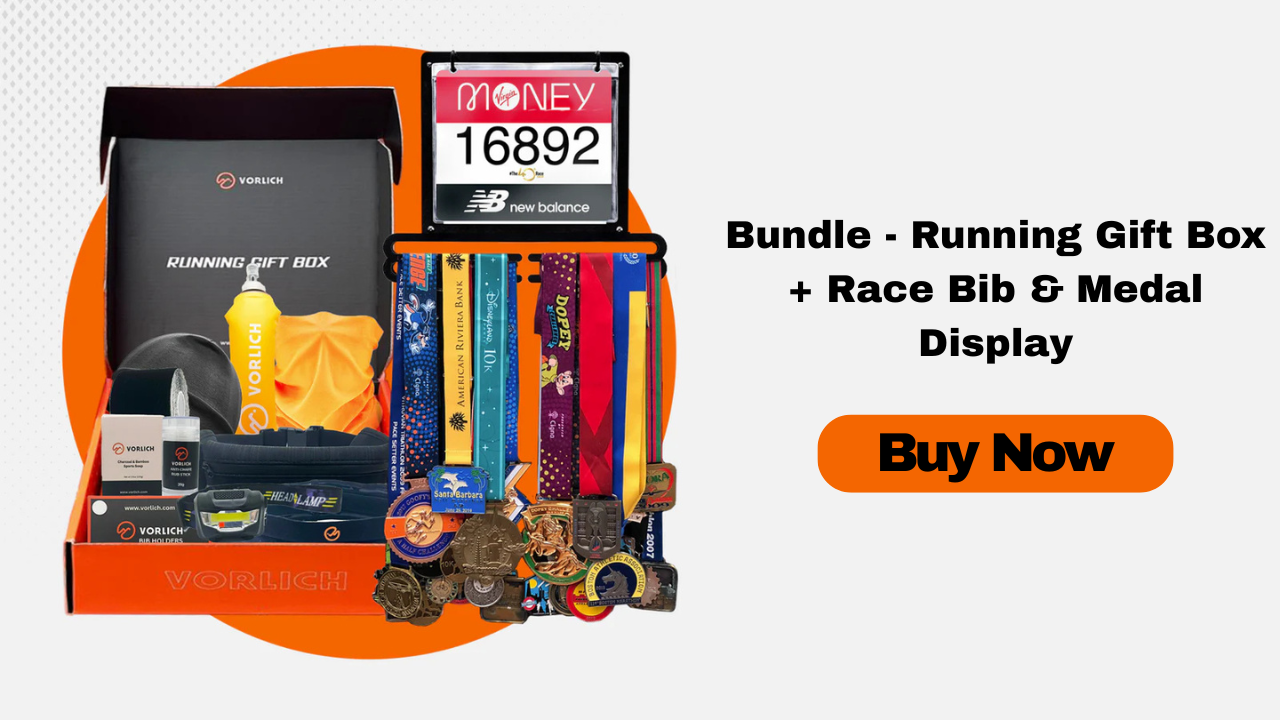
If you or someone you know is just starting early morning running, a bundle of curated accessories can be a great way to get everything at once. Products like the Vorlich Running Gift Box bring together practical items that many runners end up buying separately over time, making it a convenient way to build a well-rounded kit.
How to Choose the Best Running Accessories for You
Not every accessory will suit every runner. To build your ideal setup, consider the following factors.
1. Your Environment
- Urban runners need high visibility and may prioritize reflective vests and lights.
- Trail runners in dark or wooded areas need reliable headlamps and rugged shoes.
- Colder climates require more layering options and thermal accessories.
2. Run Duration and Intensity
- Short, easy runs may only need basic visibility and a key pocket.
- Long tempo or marathon training runs require more hydration, nutrition, and anti-chafing support.
- Interval sessions benefit from lightweight gear that doesn’t bounce or shift.
3. Personal Comfort Preferences
Pay attention to what bothers you:
- If you hate things around your waist, consider a vest instead of a belt.
- If your hands get cold easily, invest in quality gloves first.
- If headphones annoy you, use a small speaker or run without audio and focus on the quiet.
4. Budget and Priorities
Start with the highest-impact items:
- Safety (visibility and ID).
- Weather protection (layers, beanie, gloves).
- Storage and hydration.
- Comfort and recovery.
Once those are covered, you can add tech accessories and “nice-to-have” items over time.
Maintaining Motivation for Early Morning Runs
The best accessories won’t help if you can’t consistently get out the door. Fortunately, small gear choices can make your routine smoother and more sustainable.
Prep Your Gear the Night Before
To reduce friction in the morning:
- Lay out your clothes, belt, and light before bed.
- Charge your watch, phone, and headlamp.
- Fill your water bottle and place it by the door.
Track Small Wins
Logging your early morning runs—whether through an app, journal, or wall calendar—can make progress feel tangible. This sense of steady improvement is a powerful motivator, as explored in Why Tracking Progress Keeps Runners Engaged. You don’t need to run faster every week; simply showing up consistently is a meaningful win.
Keep It Enjoyable
Accessories that improve comfort and convenience make runs more enjoyable. A warm beanie, non-chafing shorts, or a comfortable belt might seem small, but they remove the little annoyances that can slowly erode motivation. When your gear “just works,” it’s easier to focus on the satisfaction of watching the sunrise and starting your day with movement.
Final Thoughts
Early morning running doesn’t have to be complicated. With a thoughtful selection of running accessories for early morning runs, you can:
- Run more safely in low light.
- Stay warm, dry, and comfortable across seasons.
- Carry essentials without distraction.
- Support your motivation and consistency over time.
Start with the basics—visibility, lighting, simple storage, and weather-appropriate layers—then gradually add accessories that match your own routine and preferences. With the right setup, early morning runs can become one of the most rewarding, peaceful parts of your day, helping you build not just fitness, but a sustainable habit that supports your health and wellbeing for years to come.