

Are Folding Water Bottles Good for Running Long Distances
Staying hydrated is one of the most important parts of running long distances, but carrying water can be awkward, heavy, and distracting. That’s why many distance runners are turning to folding water bottles—lightweight, collapsible bottles designed to take up almost no space when empty. But are folding water bottles actually good for running long distances, or are they just another trend driven by marketing? This detailed guide breaks down the pros, cons, and best practices so you can decide whether a folding bottle belongs in your long-run kit.
- What Are Folding Water Bottles?
- Benefits of Folding Water Bottles for Long-Distance Runners
- Potential Drawbacks and Limitations
- Folding vs. Traditional Bottles and Hydration Packs
- How to Choose the Right Folding Water Bottle for Running
- How to Carry a Folding Bottle During Long Runs
- Hydration Strategies for Long-Distance Running
- Care, Cleaning, and Maintenance Tips
- Who Benefits Most From Folding Water Bottles?
- Are Folding Water Bottles Good for Long Distances? Final Verdict

What Are Folding Water Bottles?
A folding water bottle is a collapsible hydration container made from flexible materials like silicone or soft TPU (thermoplastic polyurethane). Unlike rigid plastic bottles, these can be:
- Rolled up or flattened when empty
- Clipped to a belt, backpack, or waistband
- Stuffed into a pocket or small running belt
Many folding bottles have features tailored for runners, such as:
- Soft sides that shrink as you drink, reducing sloshing
- Bite valves or sports caps for one-handed sipping on the move
- Lightweight construction that minimizes added load
One example designed with runners in mind is the Vorlich Folding Bottle, which is compact, easy to carry, and specifically made for long-distance running and races.
Benefits of Folding Water Bottles for Long-Distance Runners
For many runners, the main question is: Do folding water bottles make long-distance running easier, safer, or more comfortable? In many cases, the answer is yes—especially if you value minimalism and flexibility.
1. Lightweight and Low Bulk
- Folding bottles typically weigh less than traditional hard bottles.
- As you drink, the bottle compresses, reducing bulk and bounce.
- When empty, it can be folded or rolled to fit in a pocket or compact belt.
This is especially useful for runners trying to keep gear minimal. If you’re interested in streamlining your kit, articles like Minimal Running Gear for Runners With Limited Storage can help you pair a folding bottle with other space-saving essentials.
2. Reduced Sloshing and Bounce
One of the biggest complaints with traditional bottles is water sloshing, which can throw off rhythm and become irritating over time. Folding bottles are designed to:
- Collapse as you drink, shrinking the space for water to move
- Fit more closely against your body when stored in a belt or vest
- Minimize bounce by reducing weight and volume over the course of the run
3. Space-Saving When Empty
During long-distance events—especially marathons and ultras with aid stations—you might start with a full bottle, then refill only when needed. Folding bottles:
- Take up very little space when empty, unlike rigid bottles that remain bulky
- Can be stashed away once you reach sections with frequent aid stations
- Allow you to carry “just in case” hydration without committing to bulky gear
4. Versatility Across Different Distances
Folding bottles work well for:
- 10K and half marathon training, where you might want your own water even if fountains are available
- Marathons and ultras, especially if you prefer carrying your own electrolytes
- Trail running, where water sources and aid stations are less predictable
If you follow a structured plan—such as a 10K training guide for runners who want structure—you can plan exactly when and how to refill your folding bottle during long training runs.
5. Comfortable to Hold and Carry
- Soft materials make the bottle more comfortable to grip compared to hard plastic.
- Many runners find that a soft flask molds slightly to the shape of the hand or belt pocket.
- Combined with a good running belt, a folding bottle can feel almost invisible when correctly positioned.
6. Eco-Friendly Alternative to Single-Use Bottles
Using a folding water bottle instead of disposable plastic:
- Reduces single-use plastic waste at races and on training runs
- Encourages you to refill at fountains or aid stations instead of buying bottled water
- Supports a more sustainable running lifestyle
Potential Drawbacks and Limitations
Despite their advantages, folding water bottles are not perfect. It’s important to understand their limitations before relying on them for long-distance runs.
1. Learning Curve for Use and Handling
Runners new to folding bottles may notice:
- They feel different to grip than rigid bottles.
- It can take practice to drink smoothly while running at pace.
- Filling them quickly at busy race aid stations may require some coordination.
Most runners adapt after a few runs, but plan to test your bottle on training runs before race day.
2. Durability Concerns
Folding bottles are built to be flexible, which comes with trade-offs:
- They may be more vulnerable to punctures from sharp objects.
- Wear and tear can appear at fold lines over very long use.
- Low-quality materials might split or leak over time.
Choosing a reputable product, such as the Vorlich Folding Bottle, helps reduce these issues through better materials and construction.
3. Possible Taste or Odor If Poorly Maintained
As with any hydration product, folding bottles need proper cleaning:
- If not cleaned and dried properly, they may develop an unpleasant taste or odor.
- Some runners are more sensitive to material taste, especially with warm drinks.
- Regular cleaning routines and correct storage are essential for long-term use.
4. Capacity Limits
Folding bottles are ideal for moderate-volume carrying, but:
- One bottle may hold 250–500 ml (8–17 oz), which may not be enough for very long, unsupported runs.
- For hot conditions or trail ultras, you may need multiple bottles or a combination with a hydration vest.
Folding Bottles vs. Traditional Bottles and Hydration Packs
To decide whether folding bottles are right for your long runs, it helps to compare them with other common options.
1. Folding Bottles vs. Hard Handheld Bottles
Hard bottles:
- Pros: Simple design, robust, easy to fill quickly.
- Cons: Bulky, can cause more bounce, stay the same size when empty, often heavier.
Folding bottles:
- Pros: Lighter, less sloshing, compact when empty, easier to stash in a belt or pocket.
- Cons: Slight learning curve, potentially more fragile if mishandled.
For runners who value minimal bulk and flexibility, folding bottles typically outperform rigid handhelds.
2. Folding Bottles vs. Hydration Vests/Packs
Hydration vests or packs:
- Great for very long runs (marathons, ultras, trail runs).
- Can carry large volumes (1–2 liters or more) plus nutrition and gear.
- However, they are heavier and warmer, and can feel overkill for shorter distances.
Folding bottles:
- Best for medium-distance runs (10K–half marathon) or supported marathons.
- Ideal when you want some water but don’t want a full vest.
- Can be used in combination with a vest by stashing them in front pockets.
3. Folding Bottles vs. Relying on Aid Stations Only
Some runners choose to rely completely on race aid stations for hydration. Folding bottles offer a middle ground:
- You can carry your own fluids between stations.
- You maintain control over what you drink (your preferred electrolytes, flavors, or concentrations).
- You reduce the risk of missing a station or dealing with long queues.
How to Choose the Right Folding Water Bottle for Running
Selecting the right folding bottle is similar to choosing any other piece of running gear: focus on function over marketing claims. For an in-depth mindset on gear selection, you may find this guide useful: How to Choose Gear Based on Running Needs Not Marketing.

1. Capacity
Common sizes for folding bottles:
- 250–350 ml (8–12 oz): Good for shorter long runs, cooler conditions, or races with frequent stations.
- 500–600 ml (17–20 oz): Better for half marathon, marathon training, and longer trail runs.
Think about:
- Your typical long-run duration.
- Weather conditions (hot vs. cool).
- Access to fountains or aid stations.
2. Material and Build Quality
- Look for BPA-free, food-grade materials.
- The bottle should feel sturdy but flexible, not flimsy.
- Check the seams and cap attachments for solid construction.
3. Cap and Valve Design
Key features to consider:
- Bite valves for quick sips without tilting the bottle.
- Leak-resistant caps to prevent wet gear and phones.
- Easy-open mechanisms that can be handled while running.
4. Shape and Compatibility
- Some bottles are tall and narrow; others are shorter and wider.
- Choose a shape that fits well into:
- Your running belt pocket
- Your vest or pack
- Your hand, if you prefer handheld carrying
5. Extras and Added Features
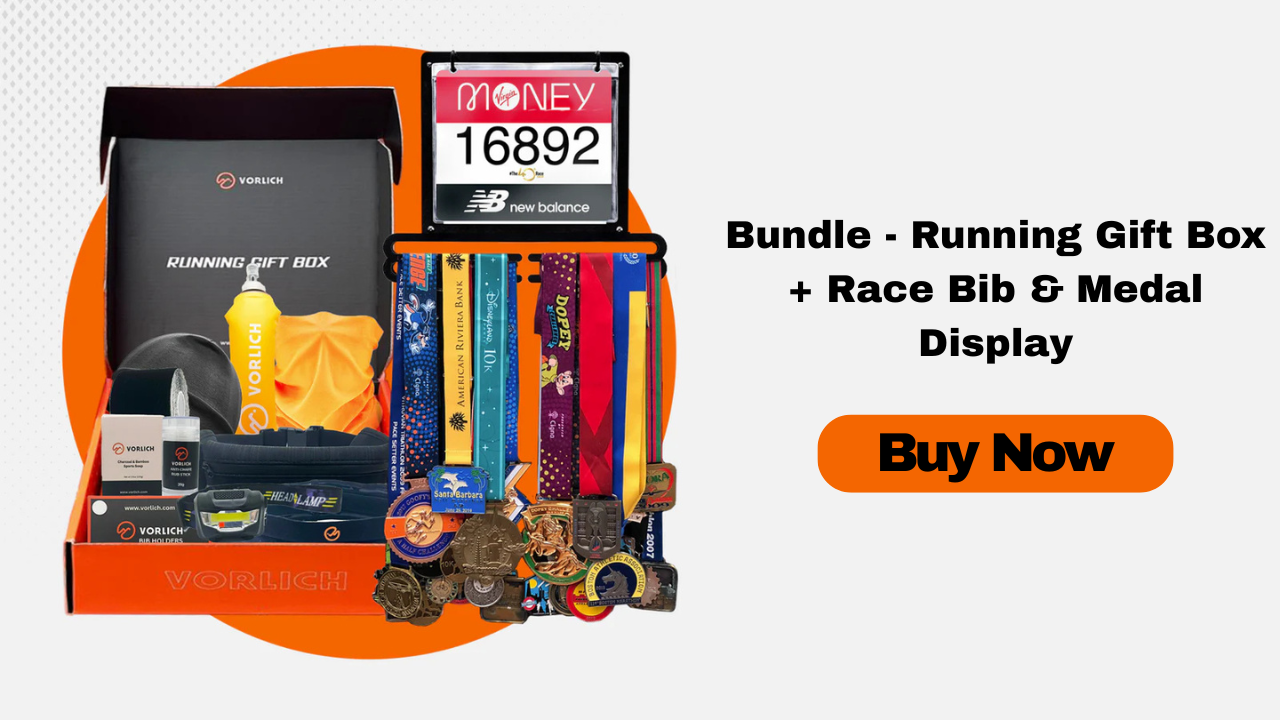
Some folding bottles or bundles include additional running accessories. For example, curated sets like the Vorlich Running Gift Box and the Vorlich Running Gift Box Aqua combine a folding bottle with essentials like a running belt, anti-chafing balm, and safety lights—ideal if you want a complete long-run setup in one package.
How to Carry a Folding Bottle During Long Runs
One of the biggest reasons folding bottles are popular among long-distance runners is their flexibility in how they can be carried.
1. In a Running Belt
A running belt is often the most comfortable way to carry a folding bottle:
- Look for belts with dedicated flask pockets or stretch pouches.
- Position the bottle at your lower back or side to minimize bounce.
- Make sure the belt fits snugly without digging into your hips or stomach.
If you’re unsure which belt works best, this guide is helpful: How to Choose the Right Running Belt for Your Training.
2. As a Handheld
Some runners prefer holding a soft flask in one hand, especially on shorter long runs:
- The soft sides are more comfortable than hard plastic.
- As the bottle empties, it becomes easier to grip or even tuck away.
- Switch hands periodically to keep your arms balanced and avoid fatigue.
3. In a Running Vest or Pack
If you already use a running vest:
- Many vests have front pockets designed specifically for soft flasks.
- Folding bottles fit neatly and flatten as they empty, reducing bounce.
- You can combine a hydration bladder in the back with folding bottles in the front for extra capacity.
4. In Pockets or Waistbands
For short to medium long runs, some runners simply:
- Fold the bottle and tuck it into a secure shorts pocket when empty.
- Use a small waistband or integrated short pocket for a compact bottle.
Hydration Strategies for Long-Distance Running
Even the best folding bottle won’t help much without a smart hydration strategy. While individual needs differ, there are some general guidelines you can adapt.
1. Understand Your Sweat Rate
To avoid dehydration or overhydration:
- Weigh yourself before and after a 60-minute run in similar conditions to your race or long run.
- Note how much you drink during the run.
- Each kilogram (2.2 lb) of weight lost roughly equals 1 liter (34 oz) of fluid deficit.
Use this to estimate how much fluid you should aim to replace per hour.
2. General Hydration Guidelines
Typical recommendations for most runners:
- Approximately 400–800 ml (13–27 oz) per hour, depending on body size, pace, and temperatures.
- In hot, humid weather, needs might be higher; in cool conditions, lower.
Listen to your body and avoid forcing excess fluid, which can lead to hyponatremia (dangerously low blood sodium).
3. Electrolytes and Carbohydrates
For runs longer than about 60–90 minutes, it’s usually helpful to include electrolytes and some carbohydrates in your hydration plan:
- Use electrolyte tablets or powders that dissolve easily into your folding bottle.
- Consider slightly higher sodium intake in hot conditions or if you’re a salty sweater.
- Carb-based drinks can supplement gels or chews, helping maintain energy levels.
4. Practice During Training
Never try a completely new hydration system on race day. During training:
- Use the same bottle, fluids, and belt/vest you plan to use in your event.
- Test different intake timing (e.g., small sips every 10–15 minutes).
- Notice any stomach discomfort, sloshing, or issues with access to your bottle.
Care, Cleaning, and Maintenance Tips
Proper care helps your folding bottle stay fresh, safe, and durable.
1. After Every Run
- Empty remaining liquid as soon as possible.
- Rinse thoroughly with warm water.
- Leave the cap open and allow the bottle to air dry completely to prevent mold or odors.
2. Deep Cleaning Routine
Every few uses (especially if you use sports drinks), do a deeper clean:
- Wash with mild dish soap and warm water.
- Use a bottle brush if the opening allows.
- Occasionally use a baking soda or vinegar solution to neutralize odors (rinse thoroughly afterward).
3. Storage Tips
- Store bottles with the cap off to allow airflow.
- Avoid prolonged storage while tightly rolled if the interior is not completely dry.
- Keep away from direct sunlight or extreme heat to protect materials.
Who Benefits Most From Folding Water Bottles?
While almost any runner can use a folding water bottle, they are particularly useful for:
- Distance runners training for 10K, half marathon, or marathon who want flexible hydration without heavy gear.
- Urban runners who may have access to fountains but want backup hydration.
- Trail runners who need compact, packable water storage.
- Minimalist runners who prefer gear that is lightweight, compact, and multi-purpose.
They also make practical and thoughtful presents; if you’re looking for running gifts that are easy to carry on long runs, folding bottles are a strong candidate alongside other compact accessories discussed in guides like Running Gifts That Are Easy to Carry on Long Runs.
Are Folding Water Bottles Good for Running Long Distances? Final Verdict
When used correctly, folding water bottles are an excellent choice for long-distance running. They offer:
- Lightweight, low-bulk hydration that becomes less intrusive as you drink.
- Reduced sloshing and improved comfort compared to hard bottles.
- Space-saving convenience when empty, ideal for races with aid stations.
- Versatility across distances, from structured 10K plans to marathon and ultra training.
They do come with trade-offs—such as slightly more delicate materials and a short learning curve—but for most runners, the benefits far outweigh the drawbacks.
If you prioritize comfort, minimalism, and flexibility in your running gear, a well-made folding bottle should strongly be on your list of essentials. Integrated into a smart training schedule, supportive habits, and the right accessories, it can make your long runs smoother and more enjoyable, helping you focus less on carrying water and more on covering miles efficiently and confidently.