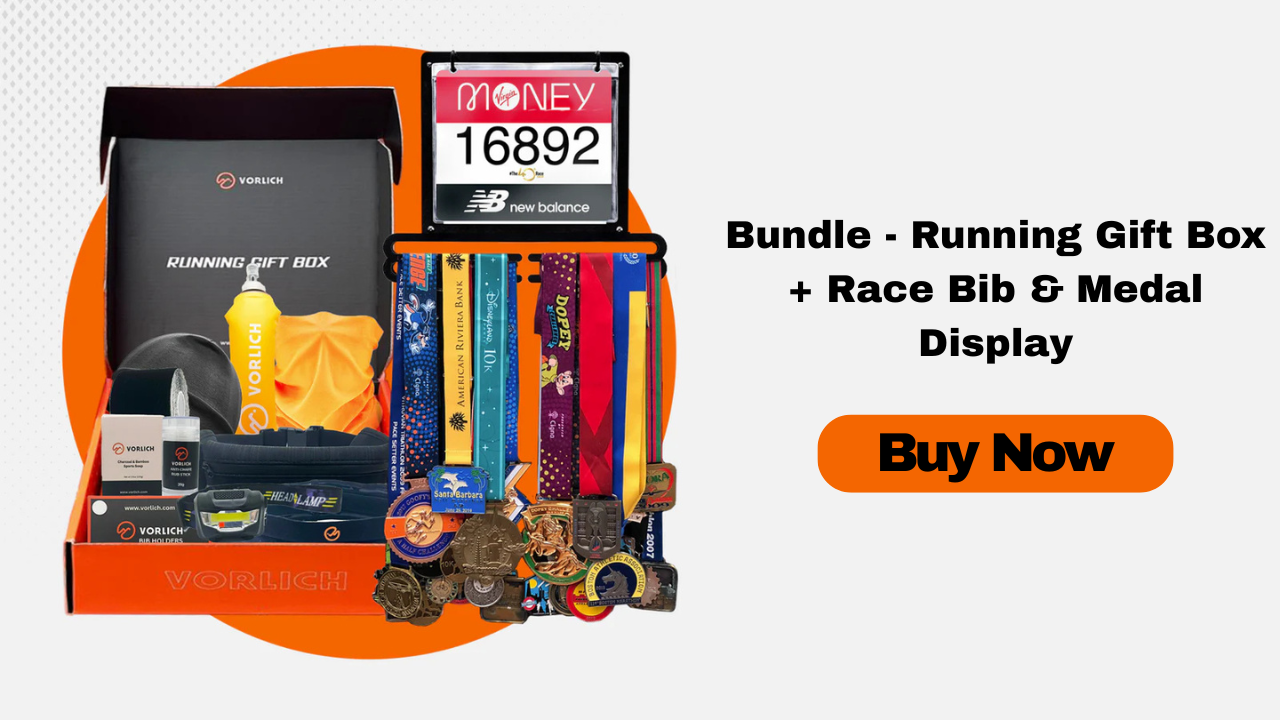


Best Running Accessories Every Runner Needs for Comfort and Safety
Whether you are training for your first 5K or chasing a marathon personal best, the right running accessories can transform every run. The best running accessories do more than look good: they reduce injury risk, improve visibility, keep you comfortable in all weather, and make carrying essentials effortless. In this guide, we will walk through the best running accessories every runner needs for comfort and safety, explain why each item matters, and help you build a minimalist yet effective kit that supports your training, not complicates it.
Why Running Accessories Matter for Comfort and Safety
Running is a simple sport, but that does not mean you should head out with only a pair of shoes and hope for the best. The right accessories can:
- Prevent injuries and irritation (blisters, chafing, joint pain).
- Keep you safe in low light, traffic, or extreme weather.
- Improve comfort so you can run farther and more often.
- Protect your skin and eyes from sun, wind, and cold.
- Help you carry essentials like keys, phone, ID, and fuel without distraction.
Thoughtfully chosen running gear should add value without clutter or confusion. If you like a less-is-more approach, you may also appreciate guidance on running gear that adds value without complexity, which aligns with the philosophy of keeping your kit simple, practical, and reliable.
Core Safety Gear Every Runner Should Own
Safety gear is non-negotiable, especially if you run early in the morning, late at night, or near traffic. These accessories make you visible, identifiable, and better protected.
1. High-Visibility Clothing and Reflective Gear
Being seen is one of the most important aspects of running safety.
- Reflective vests and bands: Lightweight and easy to wear over any outfit. Look for 360-degree visibility.
- Reflective details on clothing: Logos, piping, or panels on jackets, shorts, and tights increase visibility from all angles.
- Bright, high-contrast colors: Neon yellow, orange, or lime stand out in low light better than dark colors.
For maximum safety, combine bright clothing with reflective accessories so you are visible in daylight and at night.
2. Running Lights and Headlamps
Running lights help you see and be seen.
-
Headlamps:
- Ideal for dark trails or unlit roads.
- Look for a comfortable, adjustable strap and multiple brightness modes.
- A beam of 150–300 lumens is usually enough for urban and light trail runs.
-
Clip-on LED lights:
- Attach to your waistband, shoes, or backpack.
- Use flashing mode to get drivers’ attention at crossings.
- Shoe lights: Small LEDs that clip to your laces or heels add extra visibility from the ground up.
3. ID Tags and Emergency Information
Every runner should carry some form of identification and emergency contact info, especially on solo runs.
-
ID bracelets or tags with:
- Your name.
- Emergency contact number(s).
- Any critical medical information (allergies, conditions).
- Digital ID on your phone: Set emergency information on your lock screen and keep your phone easily accessible.
4. Road-Running Etiquette and Awareness
In addition to gear, safe running depends on good habits:
- Run facing traffic when there are no sidewalks.
- Avoid noise-cancelling headphones in busy areas; keep volume low.
- Make eye contact with drivers before crossing.
- Use pedestrian crossings where possible.
Comfort Essentials That Make Every Run Easier
Comfort accessories may seem optional, but they quickly become must-haves once you feel the difference they make.
5. Performance Running Socks
High-quality socks can do more for your feet than many realize.
- Moisture-wicking fabric (synthetic blends or merino wool) to keep feet dry.
- Seamless or flat seams to reduce friction and blisters.
- Targeted cushioning in the heel and forefoot for shock absorption.
- Snug but not tight fit to prevent slipping and bunching.
6. Anti-Chafing Products
Chafing can turn a great run into a painful experience. Areas prone to chafing include thighs, underarms, sports bra lines, and around the waistband.
- Use an anti-chafe stick on:
- Inner thighs.
- Nipples (especially for longer runs).
- Under sports bras or waistbands.
- Any area where skin rubs against skin or fabric.
- Choose moisture-wicking clothing to minimize friction and sweat build-up.
7. Running-Specific Underwear and Sports Bras
Every layer close to your skin influences comfort.
-
Running underwear:
- Look for breathable, quick-drying materials.
- Avoid cotton, which holds sweat and increases the chance of chafing.
-
Sports bras:
- Choose high-impact support for running.
- Wide straps and band distribute pressure more evenly.
- Try different styles (racerback, encapsulation) to find the best fit.
Hydration Accessories for Short and Long Runs
Staying hydrated is critical for performance, recovery, and safety, especially in heat or on longer efforts.
8. Handheld Bottles
Handheld bottles are ideal for moderate distances or runs with nearby refill spots.
- Adjustable strap so you do not have to grip the bottle tightly.
- Built-in pocket for keys or gels if possible.
- Consider a collapsible or folding water bottle for easy storage when empty.
9. Hydration Belts
A hydration belt spreads weight around your hips and frees your hands.
- Good for runs of 60–90 minutes or more.
- Look for:
- Snug, bounce-free design.
- Enough storage for fuel, phone, and ID.
- Easy-to-access bottles that do not pop out when you run.
10. Hydration Vests and Packs
Hydration vests or packs are best for long runs, trail running, or hot weather where refills are limited.
- Front flasks or a rear bladder (or both) to distribute weight.
- Multiple pockets for nutrition, phone, and layers.
- Adjustable chest straps to reduce bounce.
Cold-Weather Running Accessories
Running in chillier temperatures can be refreshing, but only if you stay warm without overheating. Accessories help create flexible layering options.
11. Running Hat or Beanie
When it is cold, a hat or beanie makes a big difference in overall comfort.
- Choose a lightweight, breathable running beanie instead of a heavy cotton hat.
- Look for moisture-wicking fabric to keep sweat away from your head.
- Reflective logos or accents provide bonus visibility in dark winter mornings.
12. Gloves and Mittens
Cold hands can make any run feel miserable.
- Lightweight running gloves for cool weather.
- Insulated or windproof gloves for very cold conditions.
- Touchscreen-compatible tips so you can operate your phone without removing them.
13. Neck Gaiters and Buffs
A neck gaiter is a versatile cold-weather accessory.
- Wear it as a:
- Neck warmer.
- Face covering in wind.
- Headband or ear warmer.
- Choose breathable, quick-drying fabric to avoid moisture buildup.
Warm-Weather and Sun-Protection Accessories
Running in hot or sunny conditions brings its own challenges: overheating, sunburn, and dehydration. The right accessories keep you cool and protected.
14. Running Caps and Visors
A lightweight cap or visor shields your face from the sun and manages sweat.
- Breathable mesh panels to prevent overheating.
- Dark under-brim to reduce glare.
- Adjustable fit that stays secure in the wind.
15. UV-Protective Sunglasses
Eye protection is often overlooked but essential.
- Look for 100% UVA/UVB protection.
- Wraparound styles minimize light leakage and dust.
- Non-slip nose pads and arms prevent sliding when you sweat.
16. Cooling and Hot-Weather Accessories
To manage heat more effectively:

- Lightweight, breathable fabrics for tops and shorts.
- Sweat-wicking headbands to keep sweat out of your eyes.
- Electrolyte supplements for longer or very hot runs.
If you frequently run in warm climates, you may want to explore specific recommendations in guides such as the best running accessories for hot weather running, which focus on heat management, sun protection, and hydration strategies tailored for high temperatures.
Tech Accessories: Tracking, Music, and Motivation
Running technology should support your training goals and safety without becoming a distraction.
17. GPS Watch or Fitness Tracker
A GPS watch helps you track distance, pace, and heart rate. Useful features include:
- Customizable data screens (pace, time, heart rate).
- Interval workout modes for structured training.
- Navigation for trail runs or new routes.
18. Running-Friendly Headphones
If you enjoy music or podcasts on the run, choose headphones with running in mind.
- Open-ear or bone-conduction designs to maintain awareness of your surroundings.
- Sweat and water resistance for durability.
- Secure, comfortable fit that will not fall out mid-run.
19. Smartphone Armbands and Clips
If you prefer to run with your phone, keep it secure and accessible.
- Armbands that fit your phone snugly and resist slipping.
- Clip-on holders that attach to waistbands or belts.
- Screen covers that still allow basic touch control.
Storage and Organization: Belts, Packs, and Pockets
Carrying keys, phone, ID, and nutrition does not have to be annoying. Modern storage accessories are designed to be secure and bounce-free.
20. Running Belts
A well-designed running belt is one of the most useful accessories for everyday training and races.
- Look for:
- Stretch fabric that holds items snugly.
- Multiple pockets for organizing keys, cards, and gels.
- Bounce-free fit when loaded with essentials.
- Some belts can also hold water bottles or race bibs, which is useful on race day.
If you are not sure which style will work best for your distance and terrain, check guides that explain how to choose the right running belt for your training, comparing minimalist belts, zippered belts, and hydration-focused options.
21. Arm Pockets and Short Pockets
Some runners prefer to distribute weight in multiple smaller pockets.
- Arm sleeves with pockets for gels or cards.
- Shorts with back or side zip pockets for phones and keys.
- Tights with integrated storage that lies flat against the body.
22. Race-Specific Storage Needs
On race day, you often carry more: gels, salt tablets, maybe a small bottle. Ensure your storage solution:
- Holds everything without bouncing.
- Keeps gels accessible without stopping.
- Does not interfere with your race bib or timing chip.
Injury Prevention and Recovery Accessories
Accessories that reduce niggles and support recovery can keep you running consistently all year.
23. Foam Rollers and Massage Tools
Self-massage tools help relieve tight muscles and improve mobility.
- Foam rollers for quads, hamstrings, IT band, and calves.
- Massage balls or sticks for feet and smaller muscle groups.
- Use gently and regularly rather than aggressively and rarely.
24. Compression Sleeves and Socks
Compression wear can support blood flow and reduce muscle vibration.
- Calf sleeves for runners prone to shin splints or calf fatigue.
- Compression socks for long runs or post-race recovery.
25. Support Braces and Taping
When dealing with mild, recurring issues (under guidance from a professional):
- Knee or ankle sleeves can provide extra stability.
- Kinesiology tape may help support certain muscles and joints.
- Always consult a physiotherapist or doctor if pain persists.
How to Choose the Right Accessories Without Wasting Money
With so many products on the market, it is easy to feel overwhelmed. The goal is to select running gear based on your true needs, not marketing hype.
26. Prioritize Function Over Trends
When evaluating a new accessory, ask:
- Does it solve a genuine problem I have (chafing, visibility, storage)?
- Will I use it regularly or only once?
- Is there a simpler item I already own that does the same job?
For a deeper dive into smart decision-making around purchases, see advice on how to choose gear based on running needs not marketing, which focuses on building a functional kit instead of chasing every new trend.
27. Start with Essentials, Add Gradually
You do not need everything at once. A practical approach:
-
Start with core safety and comfort items:
- Reflective gear or lights.
- Good socks and anti-chafe solution.
- Basic hydration option (bottle or belt).
-
Add weather-specific gear:
- Beanie and gloves for winter.
- Cap and sunglasses for summer.
- Layer in tech and recovery tools as your training volume grows.
28. Match Accessories to Your Running Style
Consider:
- Distance: Longer runs require more hydration and storage.
- Terrain: Trail running often needs lights, vests, and sturdier hydration packs.
- Climate: Hot, cold, or rainy environments call for specific fabrics and layers.
- Time of day: Early-morning or evening runners need strong visibility gear.
Checklist: Best Running Accessories for Comfort and Safety
Use this checklist to build or refine your kit. You do not need every item, but each category addresses a specific safety or comfort need.
Core Safety
- Reflective vest or bands.
- Clip-on LED light or headlamp.
- ID bracelet or tag with emergency info.
Comfort and Chafing Prevention
- Moisture-wicking running socks.
- Anti-chafe stick.
- Running-specific underwear and sports bra.
Hydration
- Handheld bottle or folding water bottle.
- Hydration belt for mid-length runs.
- Hydration vest for long or trail runs.
Cold-Weather Gear
- Lightweight running beanie.
- Running gloves.
- Neck gaiter or buff.
Warm-Weather and Sun Protection
- Running cap or visor.
- UV-protective sunglasses.
- Lightweight, breathable tops and shorts.
Tech and Storage
- GPS watch or fitness tracker.
- Running belt or pack with secure pockets.
- Phone armband or clip.
Injury Prevention and Recovery
- Foam roller or massage tools.
- Compression socks or sleeves.
- Support sleeves or tape (if recommended by a professional).
Final Tips: Building a Simple, Effective Running Kit
The best running accessories for comfort and safety are those you reach for before almost every run. They:
- Make you more visible and protected.
- Reduce chafing, blisters, and discomfort.
- Keep you hydrated and prepared in any weather.
- Support consistent, enjoyable training.
Instead of buying everything at once, let your experience guide you. Notice where you feel discomfort: Is it your shoulders from carrying a bottle? Your skin from chafing? Your hands from the cold? Then add or upgrade one accessory at a time to solve that problem.
Over time, you will build a small, efficient kit of essential running accessories that fit your routes, climate, and goals. For more practical ideas about integrating gear into your overall running lifestyle, you can explore broader guides like Best Running Accessories Every Runner Needs for Comfort and Safety, then adapt the suggestions to your own routine and preferences.