Investing in the right running gear can transform your training from frustrating and uncomfortable to consistent and enjoyable. While you don’t need every gadget on the market, a few carefully chosen essentials can dramatically improve performance, prevent injuries, and keep you motivated. This guide walks through the running gear essentials that are truly worth the investment, helping you build a smart, long-lasting kit without wasting money on hype.
Why Running Gear Matters More Than You Think
Running is often described as a simple sport: “just lace up and go.” While that’s true in spirit, the right gear can be the difference between consistency and burnout. Poorly chosen shoes, cotton T‑shirts, and no hydration plan can quickly lead to blisters, chafing, and injuries that stop you from running altogether.
Investing in quality running gear is worth it because it helps you:
- Reduce injury risk by supporting your joints and managing impact forces.
- Improve comfort so you actually look forward to training runs.
- Stay consistent through different seasons, weather conditions, and distances.
- Track progress more accurately, which keeps motivation high.
If you’re unsure where to start, pairing the right gear with solid training structure (for example, a plan like this guide on how to train for a 10K without burning out) is a powerful way to improve without overdoing it.
1. Running Shoes: The Foundation of Every Run
Your shoes are the single most important running gear investment. The right pair can help prevent overuse injuries, while the wrong pair can make every step uncomfortable.
What Makes Running Shoes Worth the Investment?
- Cushioning: Enough to absorb impact, but not so soft that it feels unstable.
- Support: Matches your foot type and running style (neutral, stability, or motion control).
- Fit: Snug at the midfoot and heel, with some room in the toe box.
- Durability: Quality shoes typically last 300–500 miles (480–800 km).
How to Choose the Right Running Shoes
- Visit a specialist running store if possible for gait analysis and proper fitting.
- Bring your current shoes so staff can look at wear patterns.
- Try on shoes later in the day when your feet are slightly swollen.
- Check for:
- About a thumb’s width of space at the front.
- No rubbing on the sides or heel.
- Comfortable right away (they shouldn’t “need breaking in”).
Signs It’s Time to Replace Your Shoes
- New aches in knees, hips, or shins you didn’t have before.
- Outsole worn smooth in places.
- Midsole feels flat or compressed.
Because shoes are such a core piece of gear, they should be among the first things you budget for when building your running kit.
2. Technical Running Socks: Small Upgrade, Big Difference
Many runners skip performance socks and then wonder why they keep getting blisters. Technical running socks are a low-cost, high-impact upgrade that’s absolutely worth it.
Why Running Socks Matter
- Moisture-wicking fabrics (synthetics or wool blends) keep feet drier than cotton.
- Targeted cushioning reduces friction in high-pressure zones.
- Seamless or flat-toe construction minimizes hotspots.
- Compression around the arch and ankle can improve fit and reduce swelling.
What to Look For
- Materials like nylon, polyester, elastane, or merino wool.
- Crew or quarter-length socks if you trail run (to reduce debris and scratches).
- Snug but not tight fit that doesn’t bunch up inside the shoe.
Over time, good socks help prevent blisters, toenail issues, and skin irritation—problems that often derail training more than people expect.
3. Moisture-Wicking Apparel: Staying Dry and Comfortable
Running in heavy cotton T‑shirts and shorts might be fine for one or two sessions, but eventually it leads to chafing, overheating, and discomfort. Investing in a few pieces of technical apparel is one of the most effective ways to make your runs feel better.
Key Apparel Pieces Worth Investing In
- Technical T‑shirts or singlets (lightweight, breathable, quick-dry)
- Running shorts or tights with a comfortable waistband and flat seams
- Sports bras with proper support and moisture control (for women)
- Base layers for colder weather (thin, thermal, and stretchy)
Features That Make Running Apparel Worth the Money
- Moisture-wicking fabrics that pull sweat away from the skin.
- Flat seams or bonded seams to reduce chafing.
- Reflective details for safety in low-light runs.
- Pockets for keys, cards, or gels.
If you’re building your kit from scratch, pairing smart apparel with useful add-ons (like those suggested in beginner running accessories that make training easier) helps create a setup that supports both comfort and consistency.
4. Anti-Chafe Solutions: Protecting Your Skin
Chafing can turn a good run into a miserable experience. The friction from clothing, skin-to-skin contact, and sweat can cause painful irritation, especially on longer runs. This is why anti-chafe products are a small but crucial gear investment.
Why Anti-Chafe Products Are Essential
- Prevent raw, irritated skin on thighs, underarms, under sports bras, and around waistbands.
- Help long runs feel smoother and more comfortable.
- Can reduce the risk of skin infections caused by broken skin and sweat.
Choosing a Good Anti-Chafe Stick
A quality anti-chafe stick like the Vorlich Anti-Chafe Stick is:
- Easy to apply directly where friction occurs.
- Non-greasy, so it won’t stain or ruin gear.
- Long-lasting, even in hot conditions.
Apply before runs, especially for long distances or in hot weather, and reapply if needed mid-run. This simple habit can prevent the kind of discomfort that makes you cut runs short or skip workouts entirely.
5. Hydration Gear: Bottles, Belts, and Vests
Staying hydrated is a performance and safety essential. Even mild dehydration can reduce your pace, increase perceived effort, and affect recovery.
When You Need Hydration Gear
- Runs longer than 45–60 minutes.
- Hot, humid, or windy conditions.
- Trail runs or routes without fountains.
Common Hydration Options
- Handheld bottles: Easy to access, best for short to medium runs.
- Running belts: Good for carrying small bottles plus keys and gels.
- Hydration vests: Best for long runs, trail runs, and race prep.
Folding Bottles and Space-Saving Options
If you want hydration without bulky gear, a collapsible bottle can be a smart investment. A product like the Vorlich Folding Bottle offers:
- Compact storage when empty, perfect for minimal setups.
- Lightweight design that doesn’t bounce heavily while running.
- Easy refilling during races or long training runs.
For more detail on whether flexible hydration is right for your distance, you can read about folding water bottles for long-distance running and see how they compare to traditional options.
6. Safety and Visibility: Essentials for Running in Low Light
Safety gear is often overlooked, but it’s non-negotiable if you run in the dark or low light. Being visible to drivers, cyclists, and other road users protects you from preventable accidents.
Visibility Gear Worth Investing In
- Reflective vests or bands for arms, ankles, and torso.
- LED clip-on lights for your clothes, shoes, or belt.
- Headlamps for dark roads or trails.
- Apparel with built-in reflective details.
Additional Safety Practices
- Run against traffic on roads so you can see cars coming.
- Keep one ear free if you use headphones, or use open-ear options.
- Share your route with someone or use live tracking features in running apps.
Combining visibility gear with habits like consistent scheduling (as discussed in many gear choices that add value without complexity) helps you build a routine that’s both safe and sustainable.

7. GPS Watches and Wearables: Tracking What Matters
While you can absolutely start running without a watch, a GPS running watch or wearable becomes a highly valuable tool as you progress. It helps you track your training, avoid overdoing it, and see your progress over time.
Key Features That Are Worth Paying For
- Accurate GPS tracking for distance and pace.
- Heart rate monitoring to manage intensity.
- Customizable training screens (pace, time, distance, heart rate).
- Structured workouts and interval timers.
- Syncing with apps for long-term progress tracking.
How a GPS Watch Improves Your Training
- Prevents you from starting too fast in workouts and races.
- Helps maintain easy pace on recovery days.
- Provides real data that keeps you motivated and accountable.
If you’re following structured plans (such as a 10K or half-marathon program), a good watch can make it much easier to stay on track and avoid both undertraining and burnout.
8. High-Value Accessories That Improve Every Run
Beyond the big-ticket items, certain accessories offer a surprising level of comfort and convenience for a relatively low cost. These smaller upgrades often become the gear you reach for every run.
Accessories Worth Considering
- Running belts with secure pockets for keys, phone, and ID.
- Running caps or visors for sun protection and sweat management.
- Lightweight gloves for cold-weather hand comfort.
- Sunglasses with UV protection and a no-slip grip.
- Buffs/neck gaiters that can act as headband, mask, or ear warmer.
Why These Accessories Are Worth the Investment
- Reduce distractions (no bouncing keys, slipping hats, or sweaty eyes).
- Help you run in more weather conditions comfortably.
- Encourage consistent training by removing small annoyances that add up.
Well-chosen accessories can be especially useful if you run races or travel to events; they pair well with preparation strategies like those in guides about what to pack for race day travel, ensuring you’re not scrambling day-of.
9. Weather-Specific Gear: Heat, Cold, and Rain
Seasonal gear can seem optional, but if you want to train consistently year-round, it’s vital. The right pieces help you stay safe and comfortable whether it’s hot, freezing, or pouring.
Hot-Weather Gear Essentials
- Lightweight, breathable tops with mesh panels.
- Running cap or visor for sun protection.
- High-SPF sunscreen that stays put when you sweat.
- Thin, moisture-wicking socks and shorts to reduce chafing.
Cold-Weather Gear Essentials
- Thermal base layer (top and/or tights).
- Wind-resistant jacket that’s still breathable.
- Gloves and headband/hat to protect extremities.
- Layering system so you can adjust based on temperature and pace.
Rain Gear Essentials
- Lightweight, water-resistant jacket.
- Technical socks to reduce wet-foot friction.
- Cap with a brim to keep rain out of your eyes.
Weather-specific gear is especially valuable when motivation dips—like cold, dark mornings. Combining good gear with strategies such as those in resources on staying motivated to run during dark winter mornings helps ensure you don’t lose momentum each season.
10. Smart Storage Solutions for Minimalist Runners
Not everyone has space for a huge gear collection. If you live in a small apartment or simply prefer a minimalist lifestyle, it’s important to choose compact, multi-use running gear that stores easily.
Space-Saving Gear Tips
- Opt for folding or collapsible items (like folding bottles or packable jackets).
- Choose versatile apparel that works for multiple seasons with layering.
- Store gear in dedicated bins or drawers to keep it organized and easy to find.
Minimalist Essentials List
- 1–2 pairs of running shoes (rotated).
- 3–5 technical tops and 2–3 bottoms.
- 1 lightweight jacket, 1 base layer, 1 pair of gloves, 1 hat/headband.
- 1–2 hydration solutions, such as a compact bottle or belt.
Choosing gear intentionally, rather than buying everything at once, will keep your storage lean while ensuring you have items that you truly use and value.
11. How to Care for Your Running Gear (So It Lasts Longer)
Once you’ve invested in good running gear, proper care helps you extend its lifespan and performance. This doesn’t require anything complicated—just a few consistent habits.
Shoe Care
- Rotate between two pairs if you run frequently.
- Let shoes air dry; avoid dryers or direct heat.
- Remove insoles occasionally to speed up drying and reduce odor.
Apparel and Sock Care
- Wash in cold water with mild detergent.
- Avoid fabric softeners; they can damage technical fibers.
- Hang to dry instead of using high-heat dryers.
Hydration Gear and Accessories
- Rinse bottles, flasks, and bladders after every use.
- Let them fully dry to prevent mold or odor.
- Wipe down belts, vests, and headlamps as needed.
These simple practices mean you’ll replace items less often, making your initial investments pay off over time.
12. How to Prioritize Your Gear Budget
If you can’t buy everything at once, focus on the gear that will most directly impact comfort, safety, and consistency. Here’s a simple priority roadmap.
Tier 1: Must-Haves (Start Here)
- Proper running shoes from a reputable brand.
- Technical socks to prevent blisters.
- Moisture-wicking top and shorts/tights.
Tier 2: High-Impact Upgrades
- Anti-chafe product for comfort on longer runs.
- Hydration solution appropriate for your typical distance.
- Basic visibility gear (reflective accessories, lights) if running in low light.
Tier 3: Performance and Convenience
- GPS watch or wearable for tracking.
- Weather-specific gear to maintain year-round training.
- Additional accessories like hats, gloves, belts, and sunglasses.
By approaching your gear purchases in phases, you make sure every dollar is going toward something that makes your training easier, safer, or more enjoyable.
13. Gear as Gifts: Smart Ideas for Runners
Quality running gear also makes excellent gifts for runners of all levels. Items that combine comfort and practicality are especially appreciated because they get used regularly, not just on special occasions.
Gift-Worthy Running Essentials
- Technical socks and moisture-wicking tops.
- Anti-chafe sticks and compact hydration bottles.
- Running belts, caps, and reflective accessories.
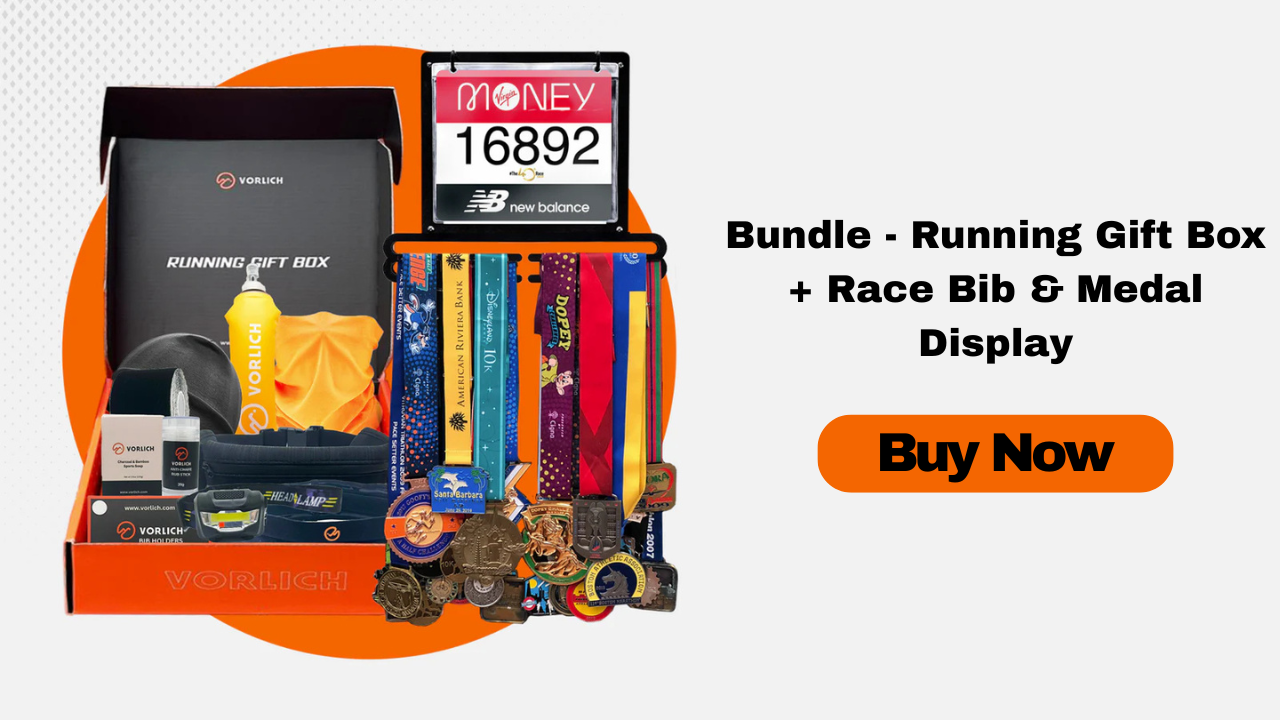
Curated sets like the Vorlich Running Gift Box bundle multiple essentials into one present—ideal for beginners building their kit or experienced runners refreshing worn-out basics.
If you’re looking specifically for comfort-focused presents, you can get more ideas in guides about running gift ideas for women who value comfort and performance, which highlight items that feel good to use while also supporting consistent training.
Conclusion: Build a Gear Kit That Works for You
The best running gear investments are the ones that help you run more often, more comfortably, and with fewer setbacks. You don’t need the most expensive or most advanced products; you just need the right combination for your goals, climate, and preferences.
- Start with shoes, socks, and moisture-wicking apparel.
- Add anti-chafe, hydration, and visibility gear as your distance and frequency grow.
- Consider GPS watches and specialized accessories once you’re running regularly.
By choosing thoughtfully and focusing on essentials that genuinely solve problems—comfort, safety, hydration, and motivation—you’ll assemble a running kit that’s truly worth the investment and supports you through every mile.