Race day travel can turn even the calmest runner into a ball of nerves. Flights, unfamiliar hotels, different weather, and new routines all add stress before you’ve even laced your shoes. The easiest way to protect your training and your performance is to plan ahead and know exactly what to pack. This detailed guide walks you through a complete race day travel packing list—what to put in your carry-on, what goes in checked luggage, and how to organize your running gear so nothing important gets left behind. Whether you are heading to a local 10K, a destination half marathon, or your first big-city marathon, this race day travel checklist will help you stay organized, confident, and ready to run your best.
Why Smart Race Day Packing Matters
Good race day preparation starts long before you pin on your bib. Training plans, tapering, and your race day routine all matter, but what you pack can make or break your experience. Showing up without your gels, trusted shoes, or anti-chafe stick can lead to discomfort, slower times, or even a DNF.
A thoughtful race day travel packing list helps you:
- Protect your training investment by avoiding last-minute gear changes.
- Reduce anxiety because you know you have everything you need.
- Adapt to changing conditions (weather, delays, lost luggage).
- Stay healthy and comfortable before, during, and after the race.
The goal of this guide is to give you a comprehensive, practical, and travel‑friendly checklist so you can focus on what matters most: running your race.
Pre-Trip Strategy: Planning Your Race Day Packing List
Before you start throwing gear into a bag, take 15–20 minutes to plan. This simple step will keep your packing focused and efficient.
1. Know Your Race and Course
- Distance: 5K, 10K, half marathon, marathon, or ultra.
- Course type: Road race, trail race, or mixed terrain.
- Elevation: Flat, rolling hills, or significant climbs.
- Logistics: Wave start, early start time, transportation to start line.
If you are following a structured plan such as this 10K training guide for runners who want structure, check what gear it recommends for race simulations and mirror that for race day.
2. Check Weather and Climate
Look at:
- Race day forecast: Temperature, wind, humidity, and chance of rain.
- Morning vs midday conditions: Start lines are often much colder than the finish.
- Travel climate: Airport and hotel air‑conditioning can feel chilly even in warm climates.
3. Separate “Must-Haves” from “Nice-to-Haves”
Make two lists:
- Non‑negotiable items you cannot race without (shoes, socks, shorts, race fuel, ID).
- Optional extras that add comfort but are replaceable if lost.
Your must‑have race day items should always go in your carry-on when flying. Treat them like valuables.
4. Test Everything Before Race Week
Nothing new on race day is a golden rule. That applies to:
- Running shoes and socks.
- Shorts, tops, sports bras, and belts.
- Gels, chews, electrolytes, and caffeine strategies.
- Anti‑chafe products like the Vorlich Anti-Chafe Stick.
Do at least one race‑pace long run in your full kit to confirm comfort.
Carry-On Essentials for Race Day Travel
If you are traveling by plane, your carry-on bag should contain anything you cannot easily replace at your destination. Assume your checked luggage might be delayed.
1. Core Race Kit
- Primary race shoes (broken‑in, not brand new).
- Race socks (pack two pairs in case of unexpected rain).
- Race shorts/tights and top (and sports bra if needed).
- Running belt or waist pack if you use one.
If you’re still deciding on storage, this guide on how to choose the right running belt for your training can help you pick something secure and bounce‑free before race week.
2. Essential Accessories
- Watch or GPS device (with charging cable).
- Any heart rate strap you rely on.
- Race day hat/visor or headband.
- Sunglasses for running.
- Anti‑chafe stick (travel‑size if possible).
- Small roll of kinesiology tape (if you typically use it).
3. Race Fuel and Hydration Basics
- All gels, chews, and drink powders you plan to use on race day.
- Electrolyte tablets or single‑serve packets.
- Empty soft flask or small travel bottle (check security rules for liquids).
Many runners also like to pack a collapsible bottle like the Vorlich Folding Bottle in their carry-on. It takes up very little space, weighs almost nothing, and gives you flexible hydration options during travel and warm‑up.
4. Travel Documents and Race Confirmation
- Photo ID and/or passport.
- Race registration confirmation (printed or saved offline).
- Hotel booking details and transportation info.
- Medical details (allergies, conditions, emergency contacts).
5. Comfort Items for the Journey
- Compression socks for flights or long drives.
- Light hoodie or long‑sleeve for chilly planes.
- Neck pillow or small travel pillow.
- Healthy snacks you’re used to (nuts, bars, rice cakes).
- Reusable water bottle or folding bottle (empty for airport security).
What to Pack in Checked Luggage
Your checked bag is where you can store backups, non‑essential extras, and non‑running items. Still, keep it organized and race‑focused.
1. Backup Running Gear
- Secondary pair of running shoes (different model or slightly older pair).
- Extra socks (at least 2–3 additional pairs).
- Extra running top and shorts/tights.
- Additional sports bras or base layers.
Having backups protects you from unexpected weather shifts or gear failures.
2. Casual Clothing
- Comfortable clothes for travel days and sightseeing.
- Post‑race outfit and shoes (easy to change into, preferably loose‑fitting).
- Sleepwear that keeps you at a comfortable temperature.
3. Toiletries and Personal Care
- Toothbrush, toothpaste, deodorant.
- Moisturizer and lip balm (air travel dries skin and lips).
- Travel‑size shampoo, conditioner, and body wash.
- Small first aid kit (plasters, blister pads, antiseptic wipes).
- Foam roller, massage ball, or small recovery tools.
4. Miscellaneous But Useful
- Laundry bags or large zip‑top bags for dirty kit.
- Portable clothesline or a few pegs if you might wash items in your room.
- Spare phone charger, power bank, and travel adapter (for international races).
Your Race Kit: What to Wear and Carry on the Course
Your race kit should be simple, tested, and comfortable. Aim to feel almost “under‑packed” on the course—no unnecessary weight or distractions.
1. Clothing from Head to Toe
- Hat or visor for sun or light rain.
- Sunglasses that don’t slip or bounce.
- Light, moisture‑wicking top (singlet or tee depending on temperature).
- Sports bra (for women) that has been tested over long distances.
- Shorts, tights, or capris with minimal seams and trusted comfort.
- Socks with no hotspots when worn with your race shoes.
- Race‑tested running shoes appropriate for the distance and terrain.
2. On‑Body Essentials
- Race belt or bib‑holders for your number (so you don’t damage your top).
- Running belt or pocket system for gels, keys, and ID.
- Timing chip (if not integrated into the bib).
- Watch or GPS device with enough battery for your full race time.
- Minimal cash or card and a small ID card.
3. Hydration and Fuel on the Course
What you carry depends on:
- Race distance and pace.
- Weather and heat index.
- What is offered at aid stations.
Some runners carry their own hydration, especially in hot races or on trails. In that case, foldable solutions like the Vorlich Folding Bottle let you drink when needed and then pack down when empty, keeping your hands free.
Nutrition, Hydration, and Race Fuel Packing List
Nutrition is one of the most important aspects of race performance. It’s also one of the hardest things to fix on the fly if you forget something.

1. Pre‑Race Nutrition Items
- Your preferred race‑morning breakfast (if portable):
- Instant oats sachets.
- Single‑serve nut butter packets.
- Bagels, rice cakes, or cereal bars.
- Familiar snacks for the day before (avoid trying new foods in destination restaurants).
2. During‑Race Fuel
- Race gels or chews (number required + 1–2 extras).
- Electrolyte tablets or sports drink powder.
- Salt caps if you know you sweat heavily.
Pack these in a small bag and keep them either in your carry-on or in a separate “race nutrition” pouch in your luggage so they’re easy to find.
3. Hydration Tools
- Soft flasks or handheld bottle, if you prefer carrying your own fluids.
- Lightweight running belt or vest with bottle holders.
- Collapsible bottle (especially useful in races with fewer aid stations).
4. Post‑Race Snacks
- Recovery shake powder or single‑serve protein packets.
- Easy snacks such as bananas, pretzels, or granola bars.
Having your own post‑race snack means you’re not entirely dependent on the finish‑line offerings, which may not suit your stomach.
Hygiene, Recovery, and Post-Race Comfort
Runners often focus heavily on race gear but forget about post‑race comfort and recovery. Packing for after the finish line can make the hours and days following your event far more pleasant.
1. Immediate Post‑Race Items
- Warm, dry top (hoodie or long sleeve) — even after hot races, you can cool down quickly.
- Comfortable bottoms (joggers, sweatpants, or loose shorts).
- Spare socks and sandals or slip‑on shoes.
- Small towel or microfiber travel towel.
2. Hygiene Essentials
- Wet wipes or baby wipes for a quick clean‑up.
- Body wash and shampoo (travel size is fine).
- Deodorant and fresh underwear.
- Anti‑chafe product to soothe any irritated areas.
3. Recovery Tools
- Massage ball, mini foam roller, or stick roller.
- Compression socks or sleeves for calves.
- Light stretching band.
- Magnesium spray or Epsom salt sachets if you plan a bath.
Weather-Specific Packing: Hot, Cold, Rain, and Wind
Weather can shift fast, especially in coastal or mountainous locations. Smart race day travelers always pack options.
1. Hot Weather Races
- Lightweight, breathable tops and shorts.
- Technical hat or visor with good ventilation.
- Thin, moisture‑wicking socks.
- Extra electrolytes and salt caps.
- Light‑coloured clothing to reflect heat.
2. Cold Weather Races
- Base layer (long sleeve) under race top.
- Gloves and a light beanie or headband.
- Arm warmers or removable layers.
- Throw‑away top or old sweatshirt to wear in the starting corral.
- Vaseline or anti‑chafe on exposed skin to block wind.
3. Rainy or Windy Races
- Thin, breathable waterproof or water‑resistant jacket.
- Cap with a brim to keep rain out of your eyes.
- Plastic poncho or bin bag for the start line.
- Extra socks and possibly a second pair of shoes if conditions are extreme.
Travel-Specific Items for Out-of-Town Races
Destination races can be memorable but demand careful planning. Think beyond your running kit to the realities of being away from home.
1. Sleep and Relaxation
- Ear plugs and eye mask (hotel walls can be thin).
- Travel pillow or favourite small pillowcase.
- Melatonin or other sleep aids you already know suit you (avoid trying new supplements on race week).
2. Tech and Communication
- Extra charging cables (phone, watch, headphones).
- Universal travel adapter if racing abroad.
- Downloaded maps and race information in case mobile data fails.
3. Comfort and Mobility
- Small backpack or daypack for expo visits and city walking.
- Reusable shopping bag for groceries if staying in an apartment or Airbnb.
- Lightweight jacket suitable for the destination climate.
How to Organize Your Race Day Bag
Knowing what to pack is one thing; knowing where everything is on race morning is another. Organization reduces race‑day stress and prevents last‑minute panic.
1. Use Packing Cubes or Zip Bags
- One cube/bag for race kit (shoes, socks, shorts, top, bra).
- One for nutrition and hydration products.
- One for recovery tools and post‑race clothing.
- One for toiletries and first aid.
2. Create a “Race Morning Only” Bag
Prepare a small backpack or tote the night before with:
- Complete race outfit.
- Gels and hydration.
- Warm layers for the start line.
- Toilet paper or tissues, just in case.
- Safety pins or race belt.
You can pair this with guidance from what to do on race morning before the start line so that both your gear and your schedule are dialled in.
3. Lay Out Your Flat Runner
The night before your race, lay everything out on the bed or floor in a “flat runner” style:
- Shoes, socks, shorts, top, bra, and hat.
- Watch, belt, bib, and gels.
- Any medication or special items (e.g., inhaler).
This visual check is one of the easiest ways to guarantee nothing vital is missing.
Common Packing Mistakes Runners Make
Avoiding a few common errors can save a lot of frustration.
1. Packing New, Untested Gear
New shoes, fresh socks, or a trendy race top might look appealing in expo photos, but they can cause blisters, chafing, and overheating. Stick to gear you’ve tested in training.
2. Forgetting Recovery Clothing
Finishing a race then standing around shivering in sweaty kit is uncomfortable and unnecessary. Always pack warm, dry layers and easy‑to‑slip‑on shoes.
3. Relying Entirely on Race Expo Purchases
Race expos are fun and full of exciting products, but they’re not a reliable way to source must‑have items. Your preferred gels or socks might sell out, or not be stocked at all.
4. Overpacking “Just in Case”
A little flexibility is wise, but dragging a huge suitcase of unused gear can make travel stressful. Focus on versatile, high‑value items that add comfort without complexity—much like the approach in this guide to running gear that adds value without complexity.
Sample Race Day Packing Checklists
Use these sample lists as templates and adjust them to your distance, climate, and personal preferences. For simplicity, they’re grouped into core categories.
Core Race Day Travel Checklist (All Distances)
- Essential Gear
- Race shoes + backup pair.
- Race socks (2–3 pairs).
- Shorts/tights + top(s) + sports bras.
- Hat/visor, sunglasses.
- Watch + charger.
- Race belt or bib clips.
- Fuel and Hydration
- Gels/chews (race + extra).
- Electrolyte tablets or powder.
- Soft flask or folding bottle.
- Pre‑race breakfast items.
- Comfort & Recovery
- Anti‑chafe stick.
- Wet wipes and towel.
- Post‑race clothes and sandals.
- Massage ball/mini roller.
- Travel Items
- ID/passport, race confirmation.
- Phone + chargers + adapter.
- Ear plugs, eye mask, travel pillow.
Extra Items for Half Marathon and Marathon Travel
- More gels/chews and electrolyte options.
- Compression socks for recovery and flights.
- Additional warm layers (for potential long waits at the start or after finishing).
- Extra blister care supplies (plasters, blister pads, tape).
Gifts and Extras for Multi-Day Race Trips
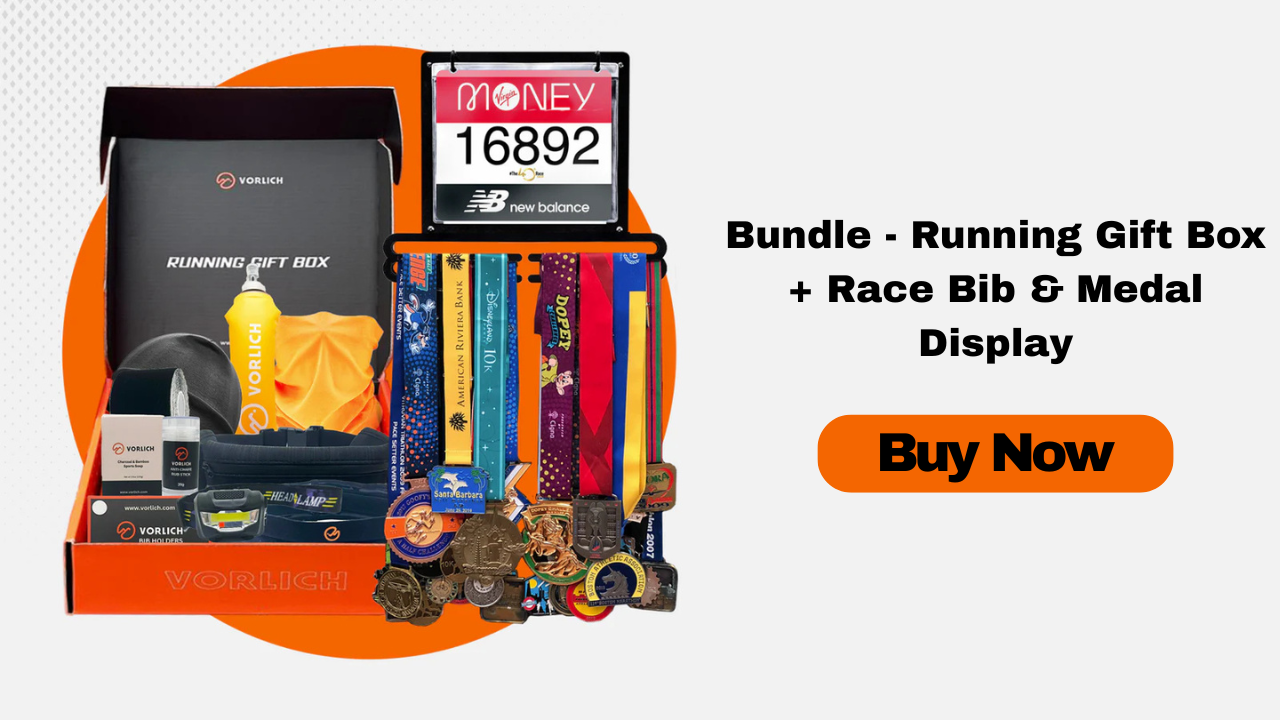
If you’re travelling with running friends or meeting other runners, small, space‑efficient gifts can be a fun way to celebrate. Items from a curated set like the Vorlich Running Gift Box are designed specifically for runners and are easy to pack in your luggage without taking up too much room.
Final Tips for Stress‑Free Race Day Travel
- Pack early: Aim to have everything ready 48 hours before departure.
- Use written lists: Digital or paper—checking items off reduces mental load.
- Do a full dress rehearsal: At home or in the hotel, put on your entire race outfit and check pockets, belt adjustments, and fuel access.
- Keep routines familiar: Stick as closely as possible to the gear and nutrition that worked in training.
- Think beyond the race: Plan comfortable clothes, recovery tools, and light walking or stretching to help you feel better in the days after—supporting long‑term consistency and the kind of running lifestyle changes that improve well being.
With a smart race day travel packing strategy, you can arrive at the start line organized, calm, and fully prepared. That means less time worrying about forgotten gear and more energy focused on pacing, execution, and enjoying the race you trained so hard for.